
The dying face
Carved pain at peace — the detail that has moved two centuries of visitors.
Godot13 — CC BY-SA 4.0 · Léopold Morice — CC0 · VasuVR — CC BY-SA 4.0 · Ymblanter — CC BY-SA 4.0
In a sandstone cliff above a still pool a lion dies: Lucerne's monument, carved 1821 into the living rock itself — ten metres of a laid-out lion, a spear in his flank, paw on the French fleur-de-lys shield, his face a wounded peace no eye forgets. It honours Switzerland's guard at the Tuileries: eight hundred mercenaries sworn to protect Louis XVI, slaughtered on their oath in the Revolution's 1792 storming though the king had already left — 'To the loyalty and courage of the Swiss', reads the Latin above, the fallen officers' names below. Mark Twain called it 'the saddest and most moving piece of stone in the world' — and the line has fairly fused to the place: minutes of silence at the pool do what museums cannot.
Carved pain at peace — the detail that has moved two centuries of visitors.
Cut in the cliff itself, not placed on it — site as part of the work.
'The saddest stone in the world' — the description that stuck forever.
Denkmalstrasse 4, 6006 Lucerne
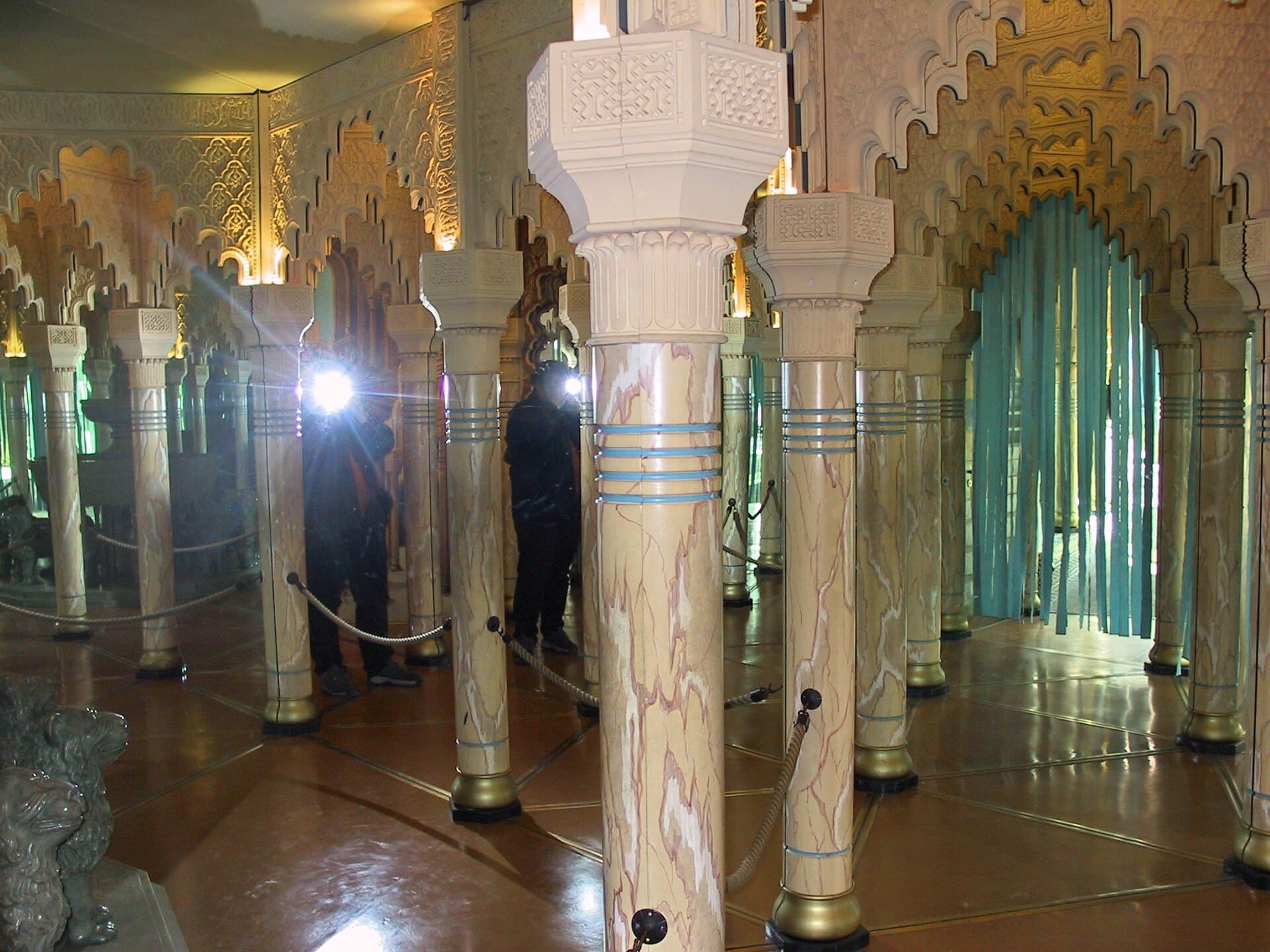 Glacier GardenIn November 1872 a man in Lucerne was digging on his land to build a wine cellar1 minute walk4.3
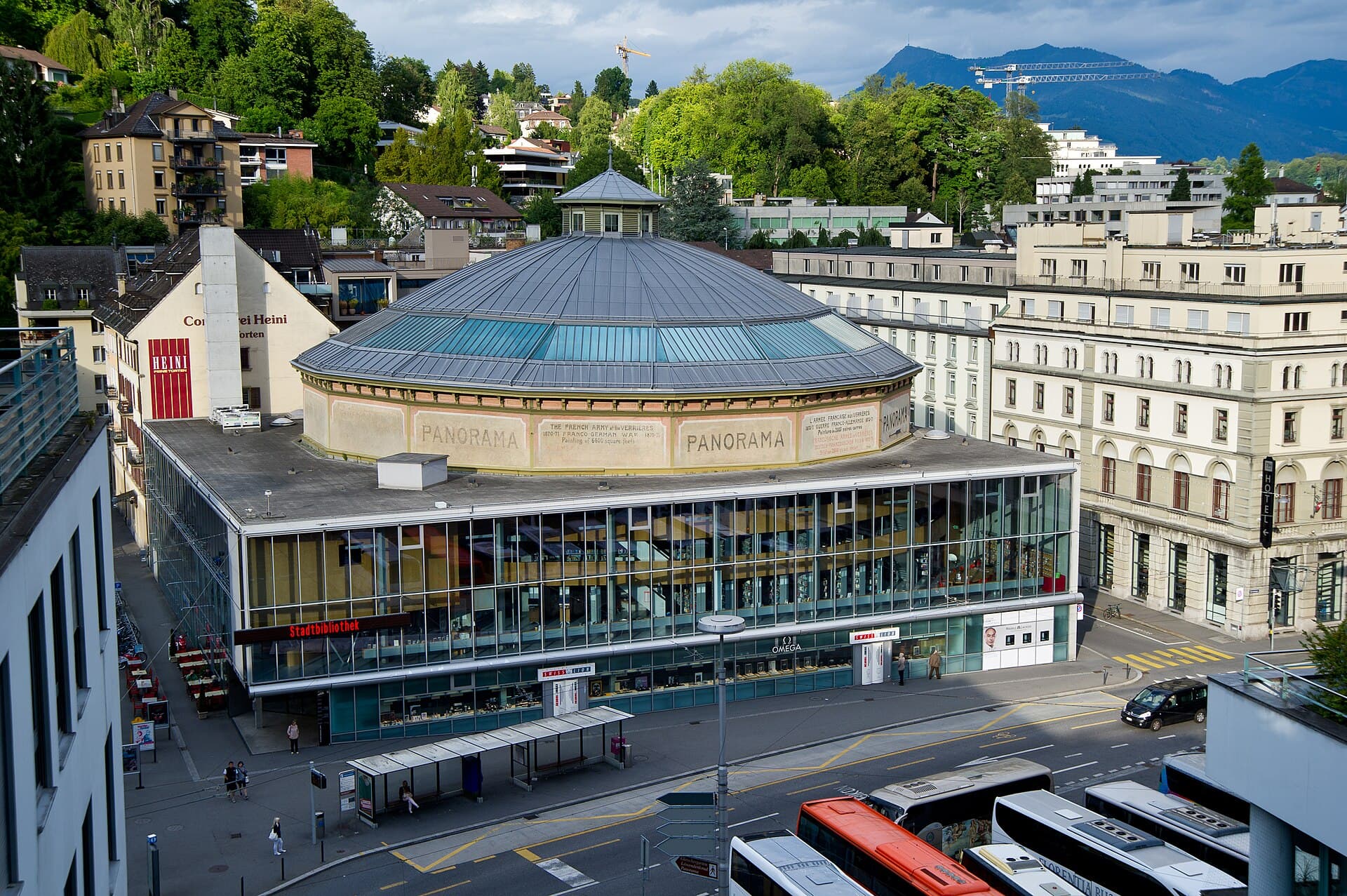 Bourbaki PanoramaBefore cinema, the panorama was the age's magic: giant circular paintings surrou2 minutes walk4.4
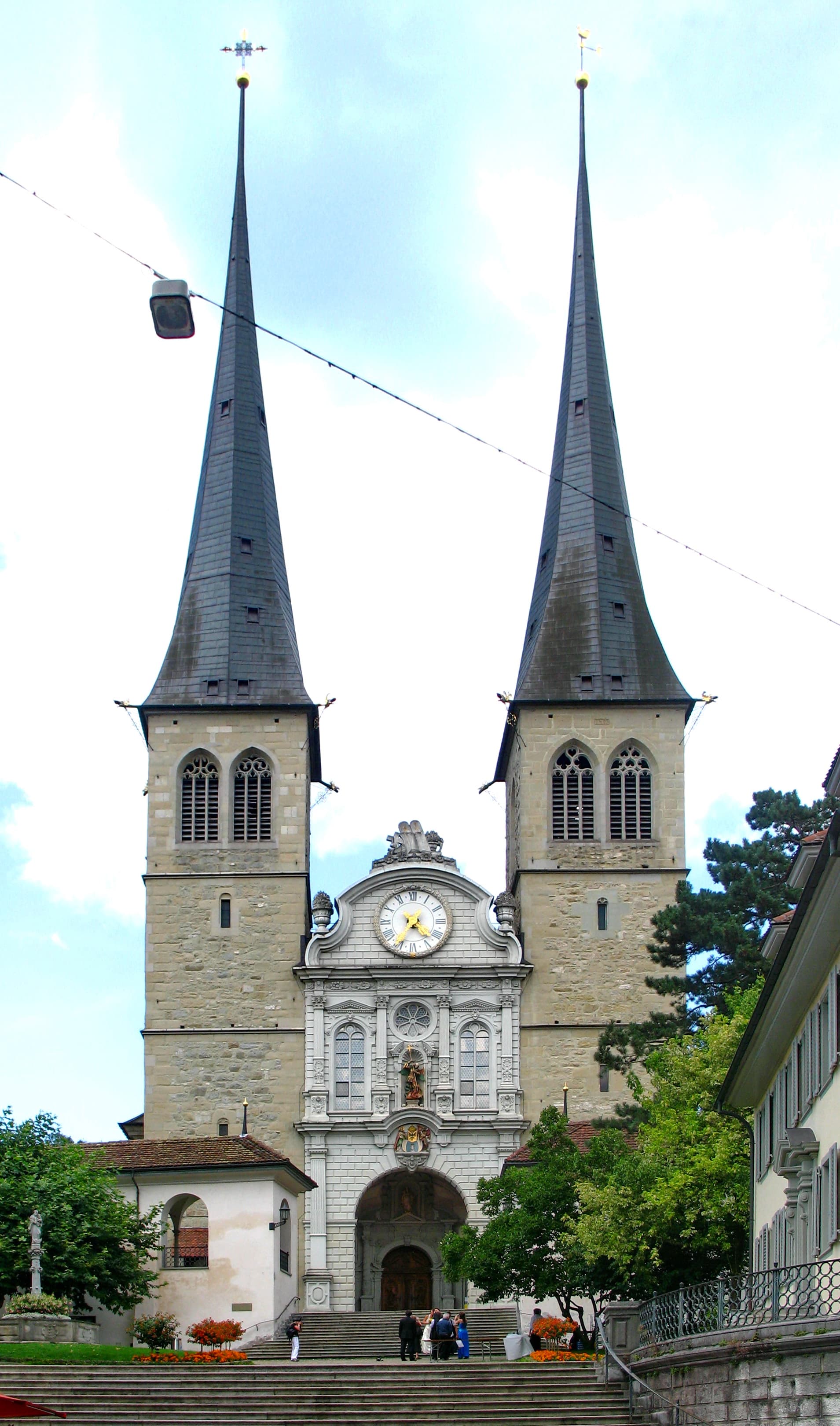 Hofkirche (Church of St. Leodegar)The two pointed towers in every photograph of Lucerne after the Chapel Bridge be5 minutes walk4.7
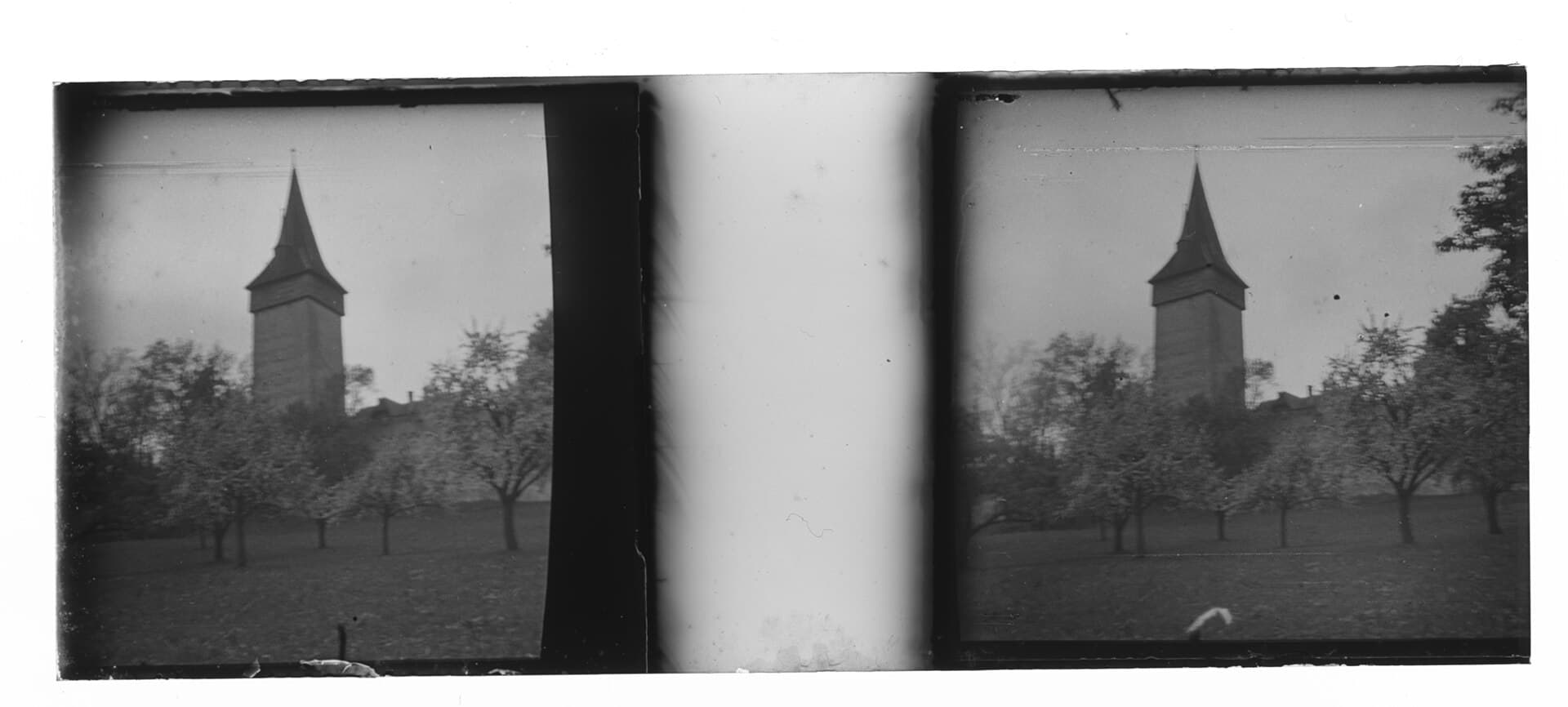 Musegg Wall & TowersAbove the old town runs Lucerne's medieval wall nearly whole — 870 metres of 1409 minutes walk4.5
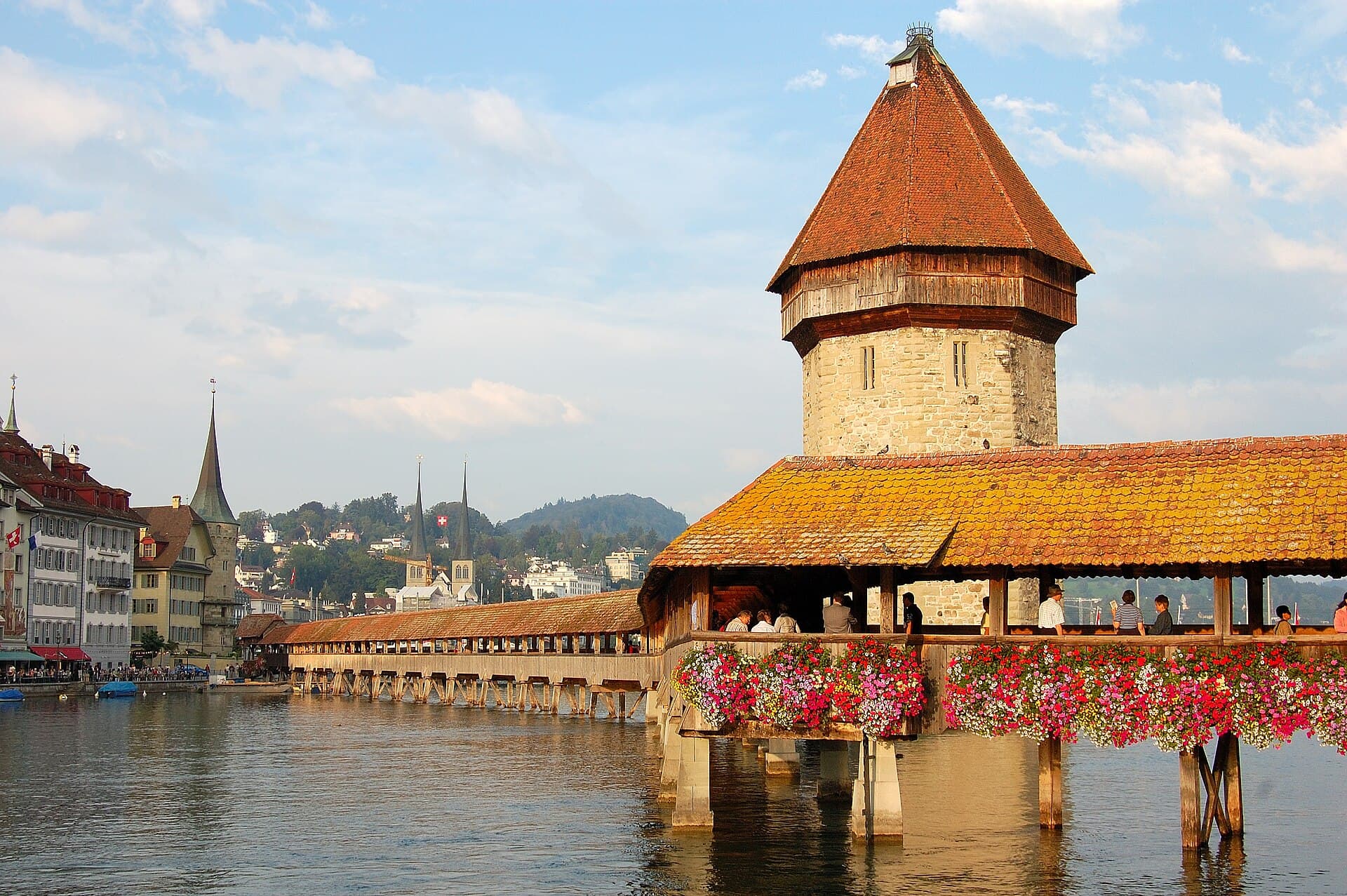 Chapel Bridge (Kapellbrücke)Europe's oldest covered wooden bridge and very nearly its most photographed stru10 minutes walk4.6
For centuries Switzerland's costliest export was men: poor cantons hired out sons as royal guards under contracts and oath-honour — and the Tuileries guard refused surrender without orders until butchered. The massacre pushed Switzerland towards its famous neutrality and the later ban on mercenary service — the monument closes an entire age, not one battle.
The design was the great Dane Thorvaldsen's, executed in rock by the carver Ahorn — with a historical wink: a fee dispute allegedly had Thorvaldsen shape the niche's outline as a pig, and visitors amuse themselves tracing the likeness in the hollow's rim to this day.
The Glacier Garden next door: giant ice-age potholes, a lookout tower, and the beloved 1896 mirror maze children adore — one ticket turns the lion pause into a complete family half-day.