
The bronze tiger
The first thing anyone arriving by train sees.
Pudelek — CC BY-SA 4.0 · Unknown authorUnknown author — Public domain · Unknown authorUnknown author — Public domain · Unknown authorUnknown author — Public domain
The square directly in front of Oslo Central Station carries the sculpture every arrival in the city sees: a **bronze tiger four and a half metres long**, walking towards the station. The tiger has a reason. Oslo has been nicknamed Tigerstaden — the tiger city — since the nineteenth century, and the nickname comes from a poem by the writer Bjørnstjerne Bjørnson that cast the city as a dangerous predator preying on those who came in from the countryside. It was an insult in its time; the city then adopted it and turned it into an emblem. The statue was placed in 2000 for the thousandth anniversary of Oslo's founding. The square itself is a crowded crossing point rather than a place to sit, but it is the city's agreed meeting place — "at the tiger" is understood by everyone. It is named after Christian Frederik, the Danish prince elected king of Norway for a few months in 1814.
The first thing anyone arriving by train sees.
"At the tiger" is understood by everyone here.
In front of Oslo Central Station, 0154 Oslo
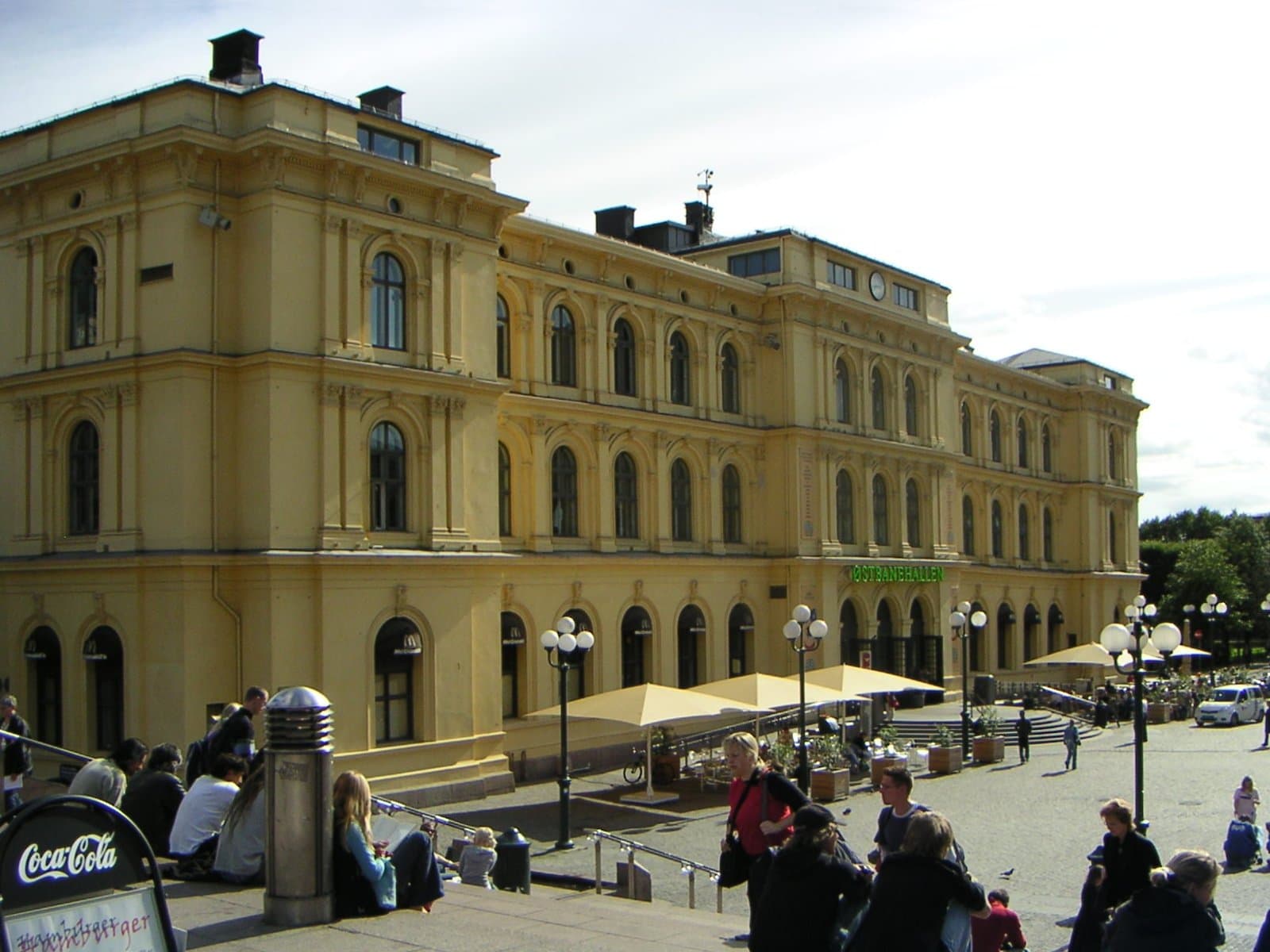 ØstbanehallenØstbanehallen is the original building of Oslo's East Station, opened in 1854 fo1 minute walk4.0
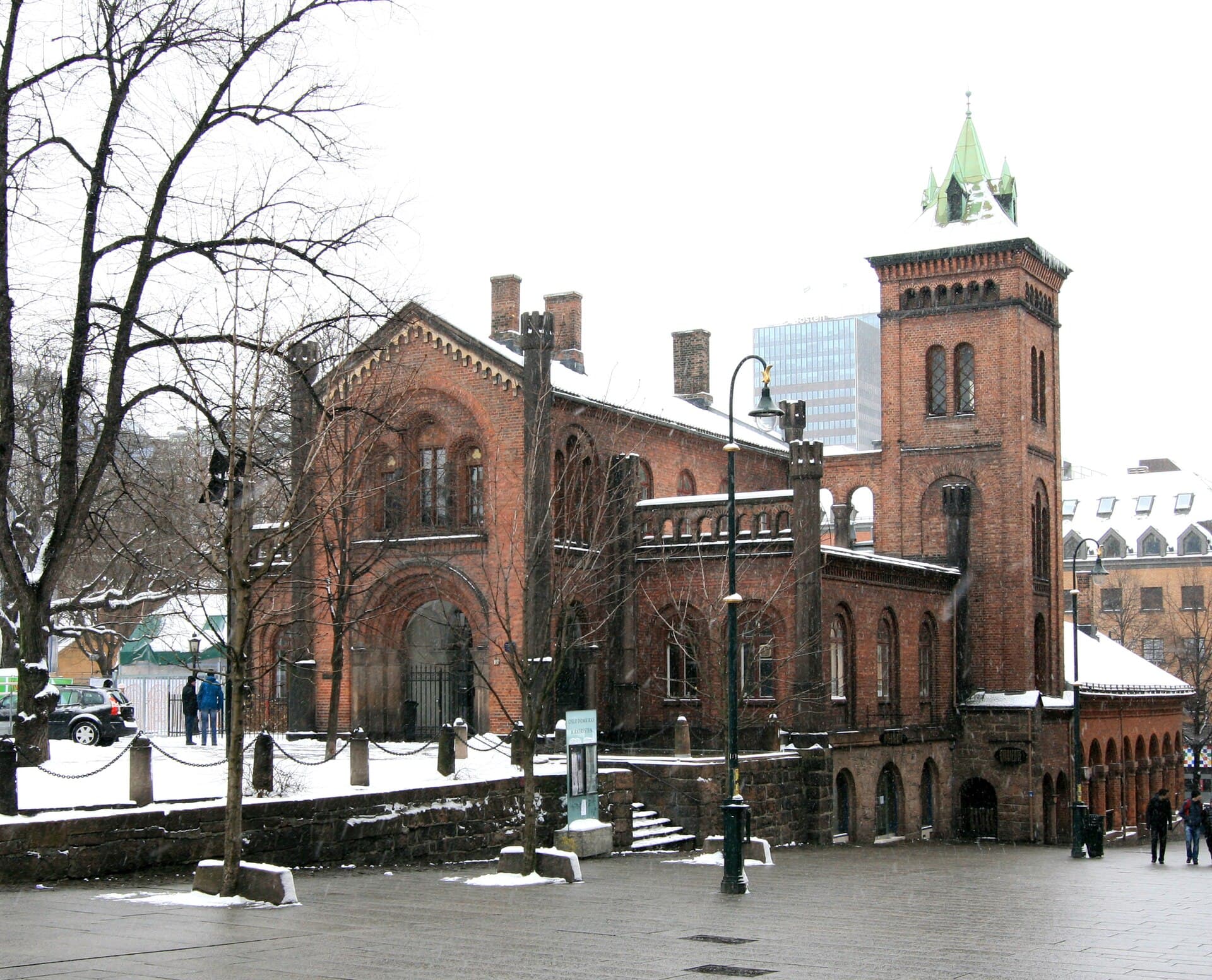 The Old Fire StationA late nineteenth-century fire station building in the Gamlebyen district east o4 minutes walk4.6
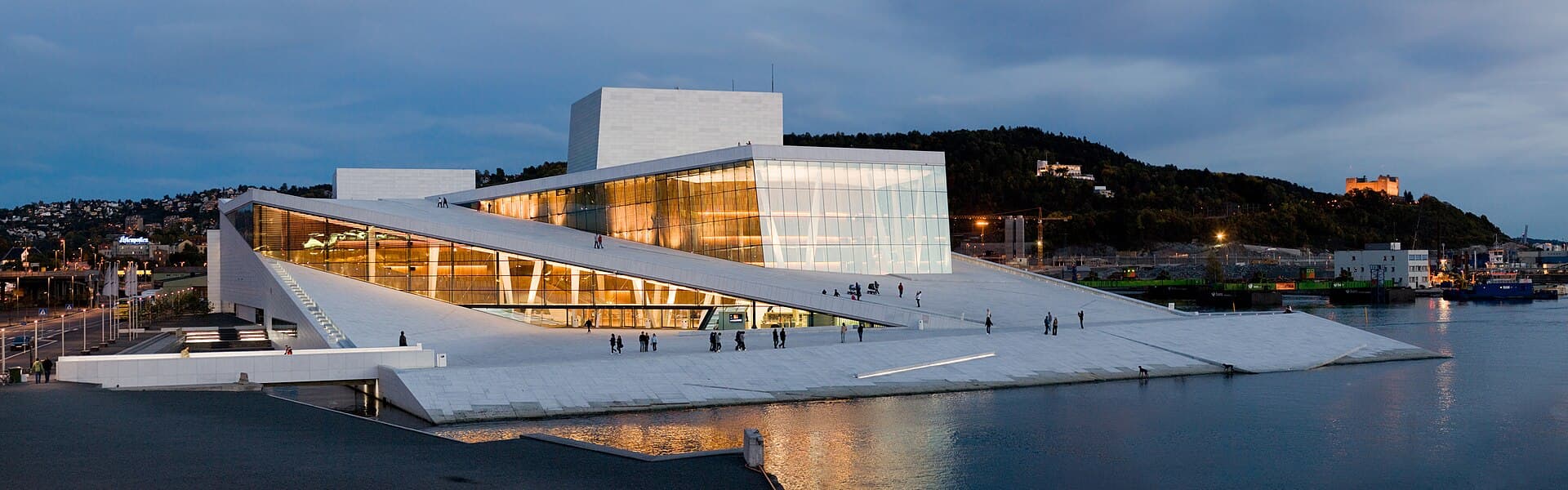 The Oslo Opera HouseOslo's Opera House is the only building on earth designed to be walked on top of5 minutes walk4.6
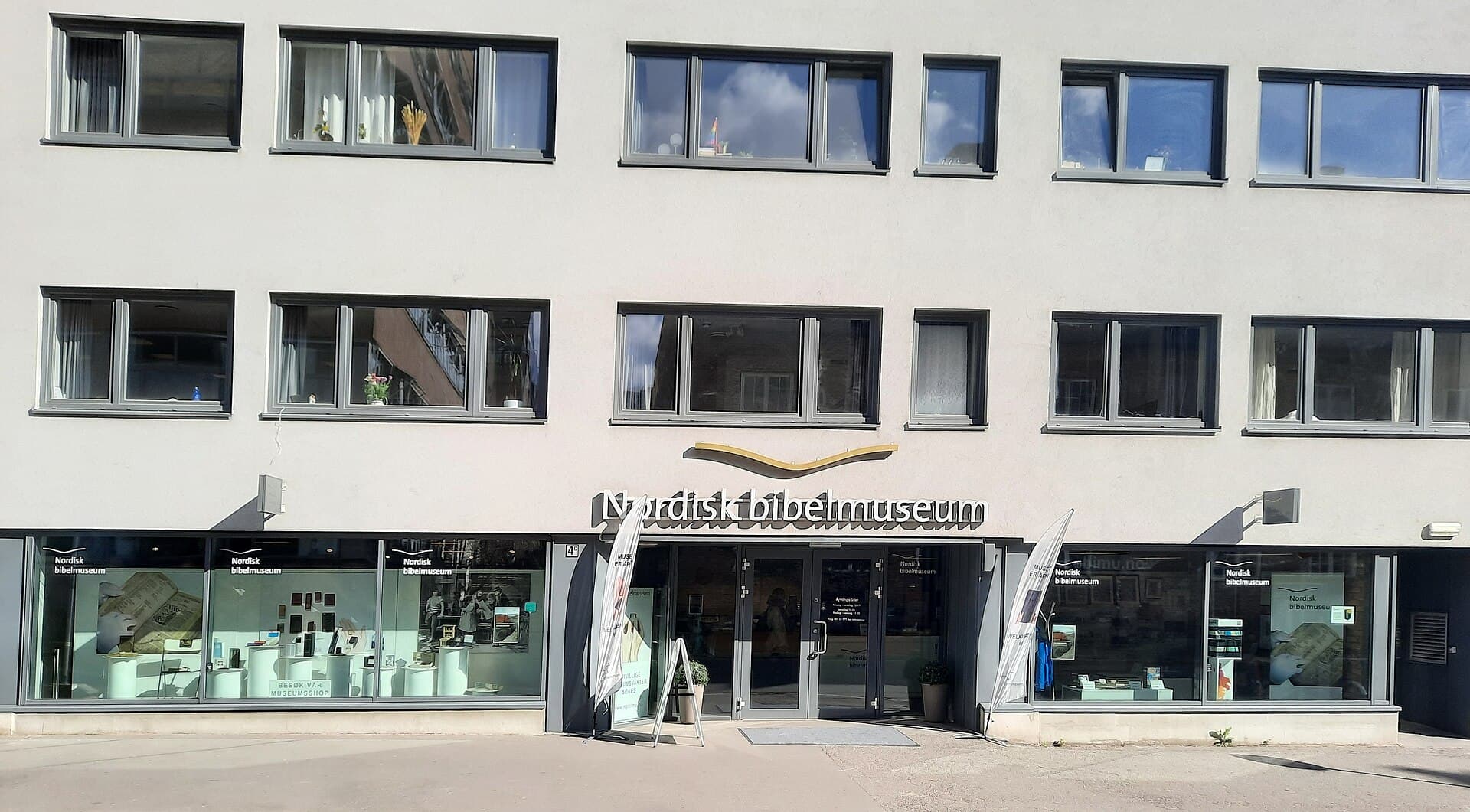 The Nordic Bible MuseumA small museum in central Oslo, opened in 2019, whose collection treats the Bibl7 minutes walk4.9
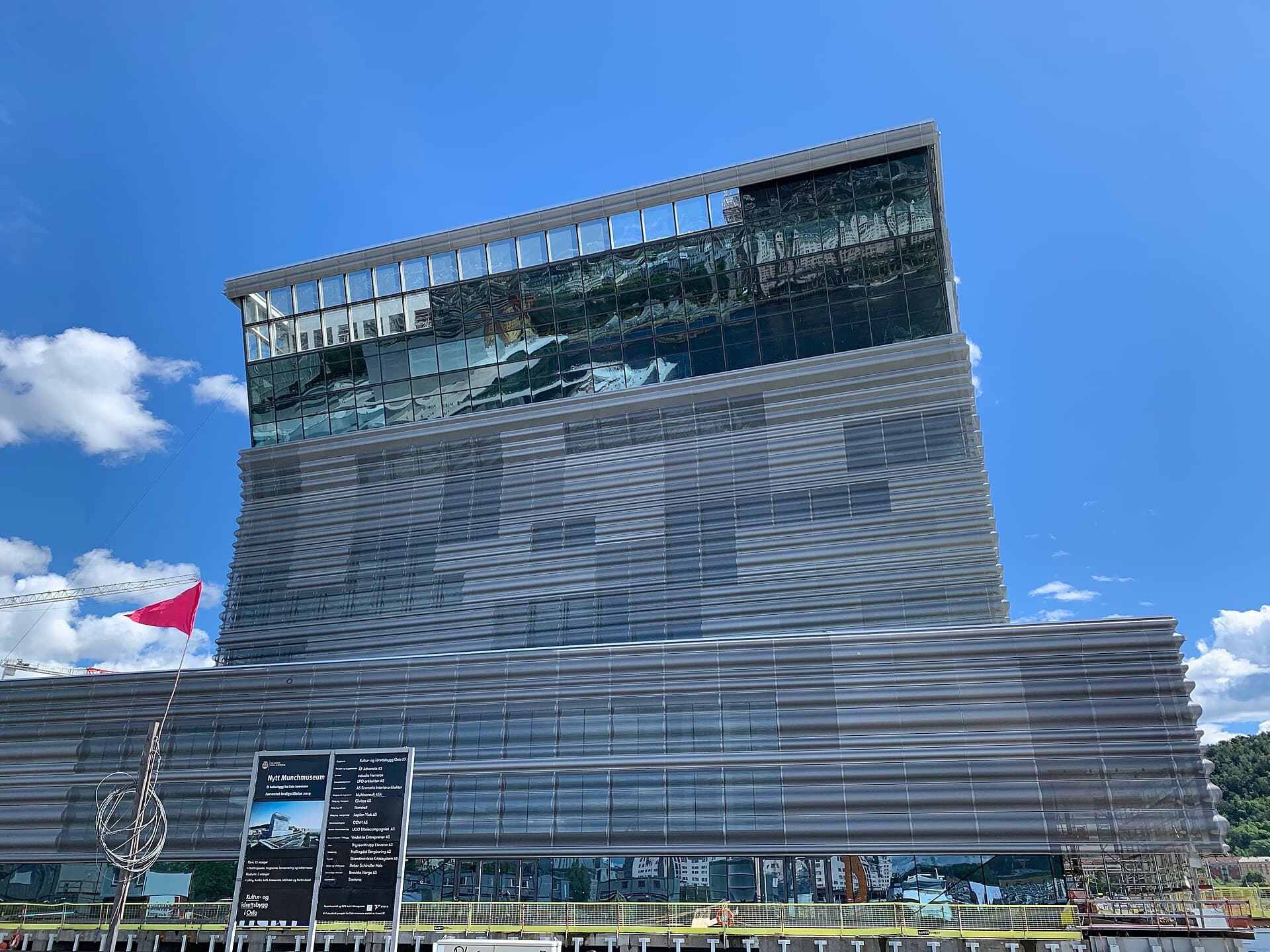 The Munch MuseumThe Munch Museum is the world's largest home of The Scream: a leaning glass towe7 minutes walk4.6
Generally yes — Oslo is among Europe's safest capitals and violent crime is rare. But the square and the streets east of the station, particularly towards Vaterland and Plata, are where the city's drug users gather, and you may see distressing scenes, especially in the evening. That is a visual discomfort rather than usually a danger, and it is no reason to avoid the area, but watch your belongings in the crowds as at any big station, and do not linger there late at night with children.