
The Alyosha monument
A giant, controversial stone Soviet soldier.
Isip2 westboro — Public domain · Bollweevil — CC0 · Gitanes232 — CC BY-SA 4.0
Bunardzhika Hill (popularly the Liberation Hill) is Plovdiv's highest green park: a rocky hill planted with pine forest and quiet walking paths climbing to its summit, where the giant stone Alyosha monument (1957) stands — a Soviet soldier honouring the Red Army's liberation of Bulgaria from Nazi occupation (1944), popularly named for a famous Soviet song about a soldier called Alyosha. The statue has remained a continuous Bulgarian controversy since communism's fall (1989): repeated demolition or removal attempts (political and popular) met by counter-protection campaigns from groups seeing it as historical memory, not purely a political symbol — so it stands amid permanent symbolic tension reflecting Bulgarians' division over the communist era's legacy and their relationship with modern Russia. Beyond the political controversy, the summit itself offers a magnificent free view over the old town and the Thracian plain — and the shaded pine walking trails are a quiet local refuge from summer heat, away from the old town's tourist crowds.
A giant, controversial stone Soviet soldier.
Quiet shade away from tourist crowds.
Bunardzhika, 4000 Plovdiv
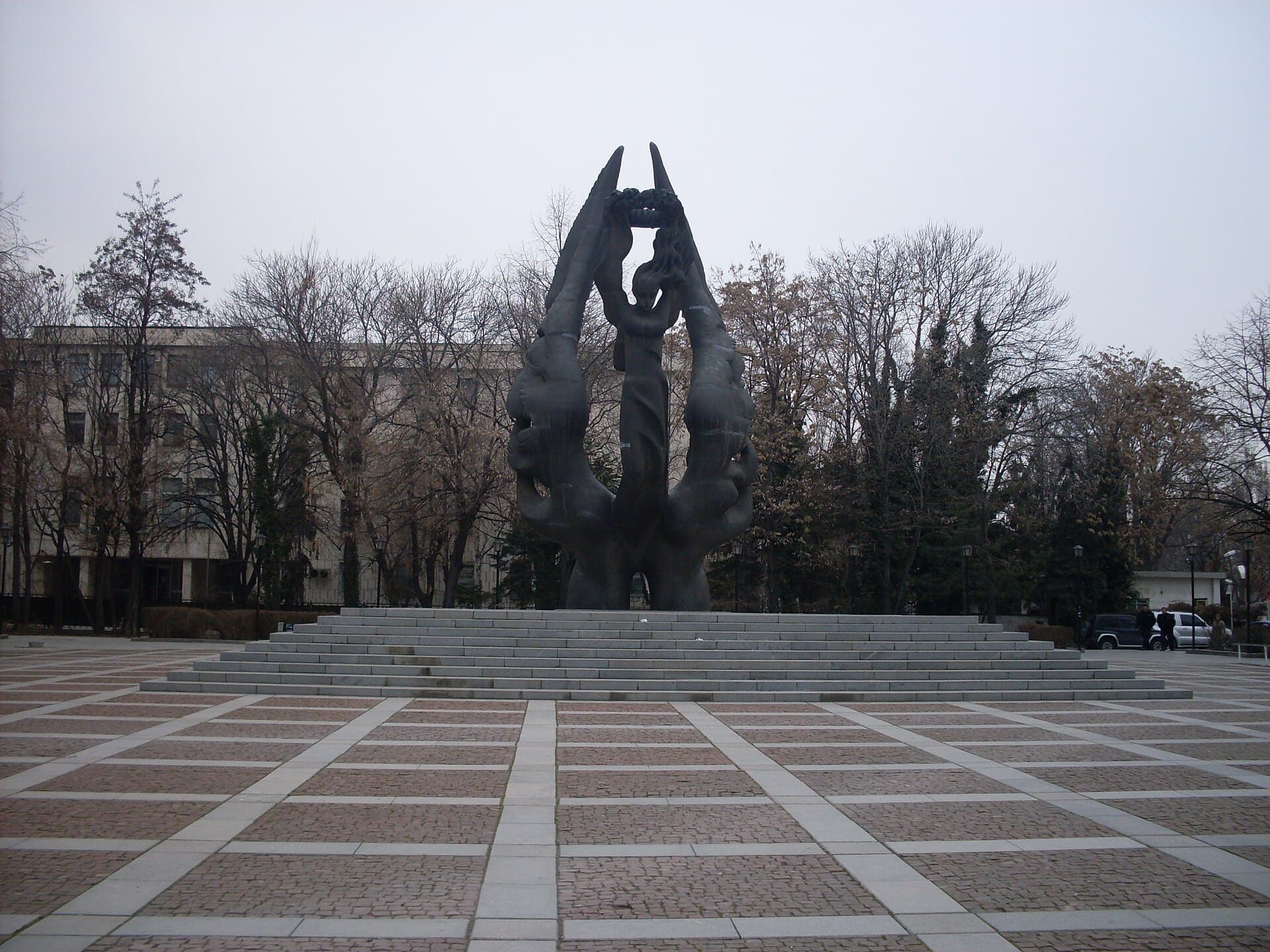 The Monument of the UnificationThe Monument of the Unification is a massive truncated-pyramid block of stone in11 minutes walk4.7
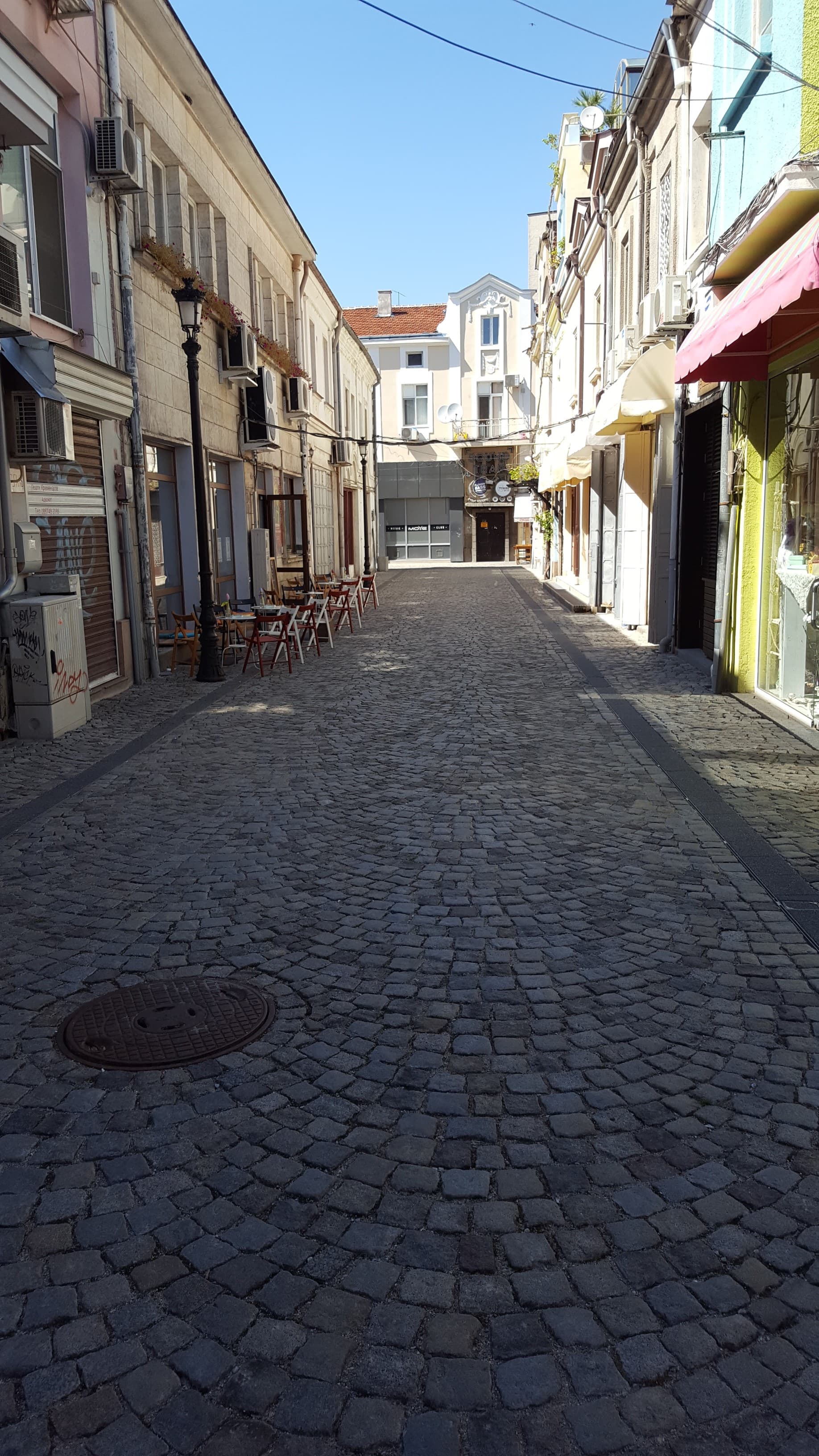 The Kapana Creative QuarterKapana (the trap in Ottoman Turkish, for its maze-like tangled lanes) is the Plo11 minutes walk4.6
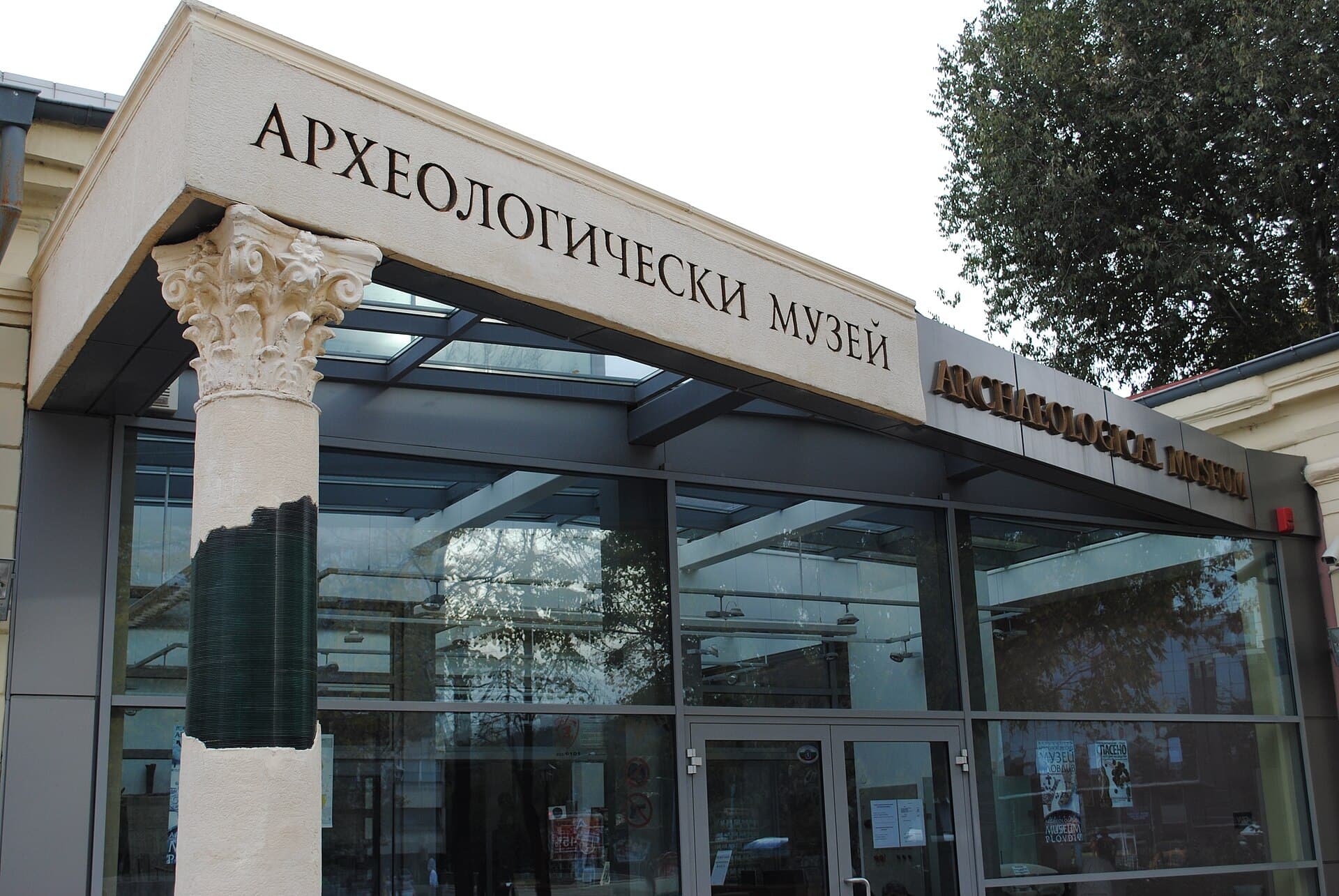 The Regional Archaeological MuseumThe Regional Archaeological Museum is the written memory of Plovdiv's astonishin12 minutes walk4.6
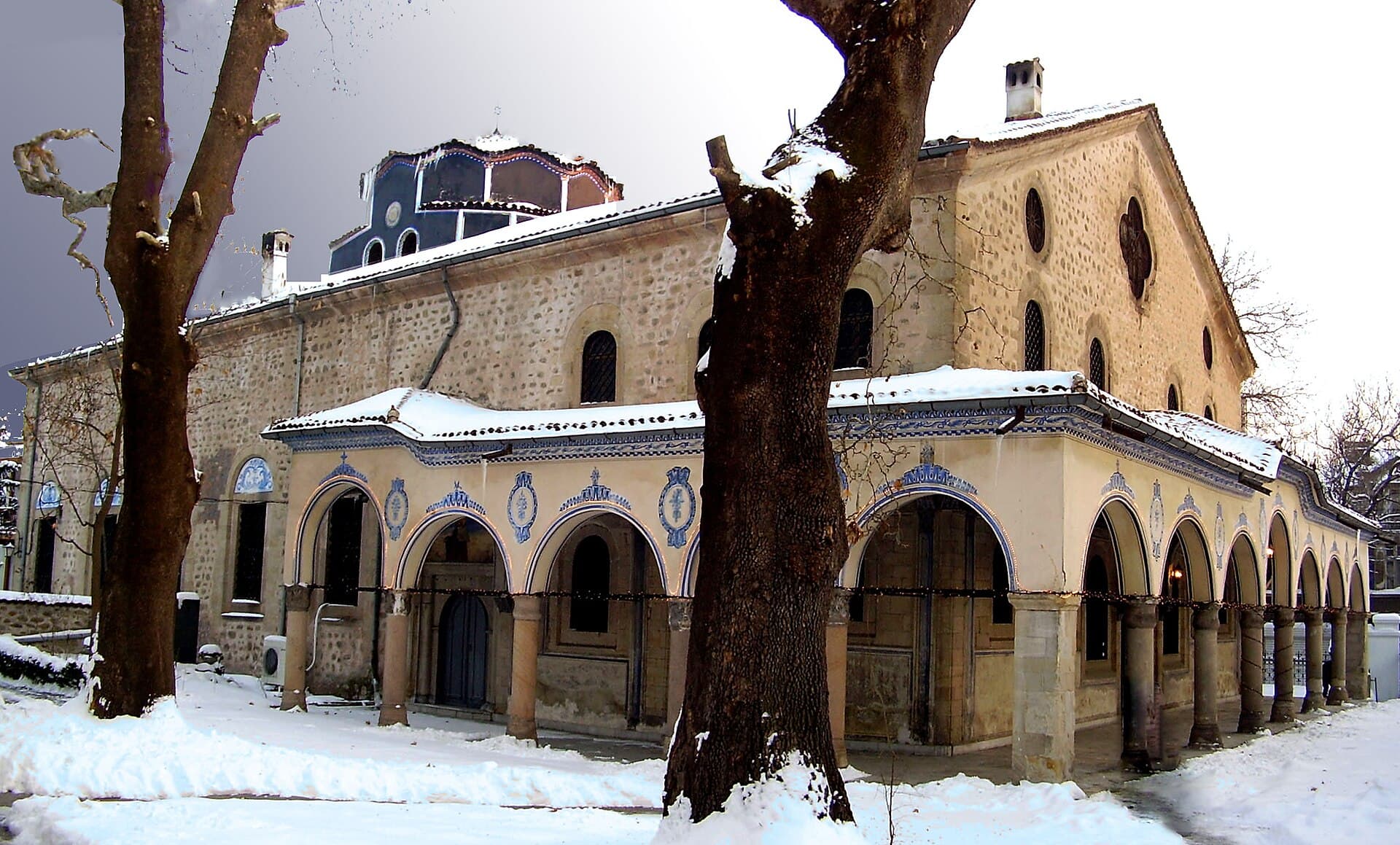 The Church of St MarinaAn Orthodox church in Plovdiv's old town, built in its present form in 1854 on t13 minutes walk4.9
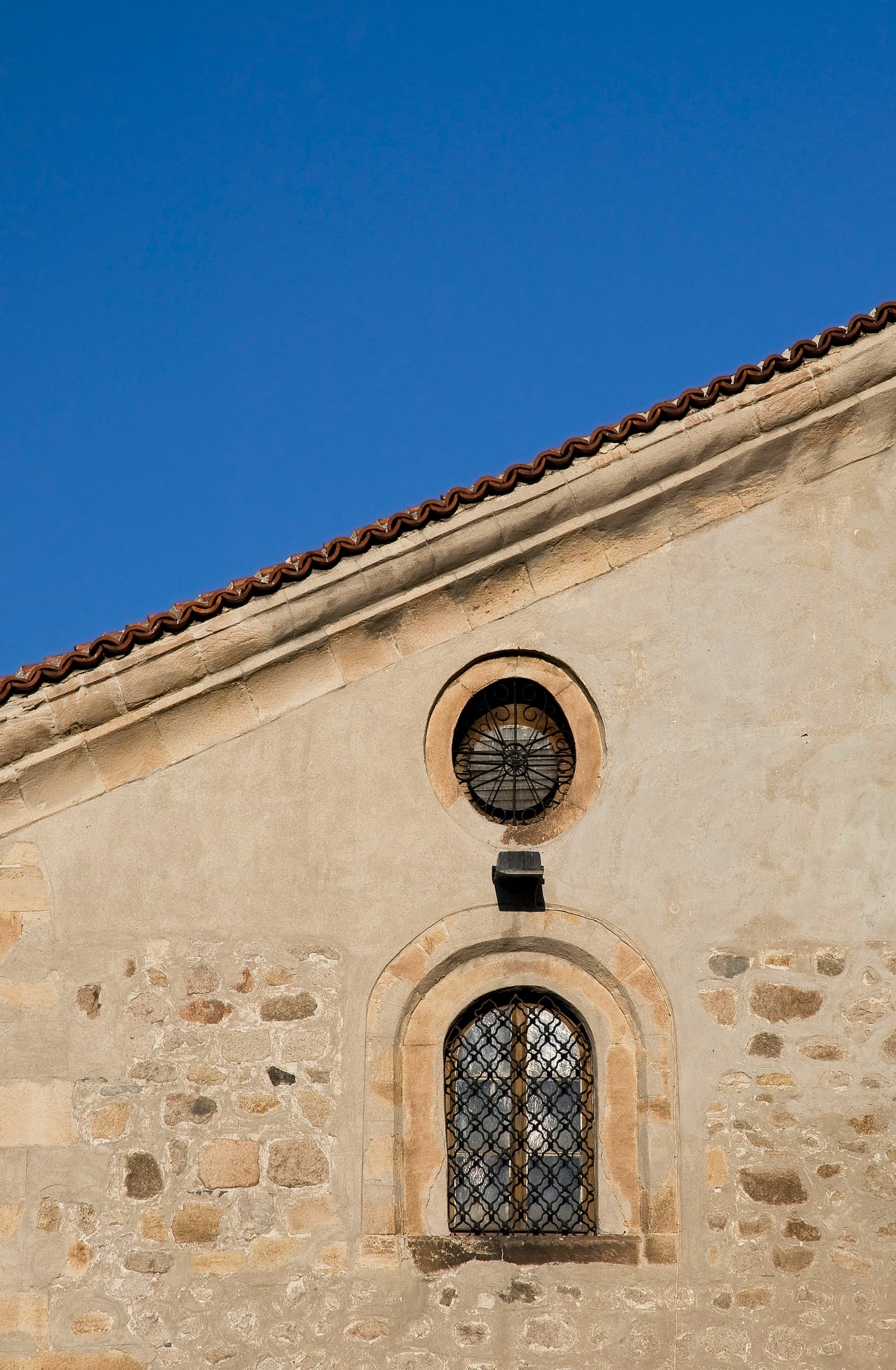 The Church of the Dormition of the TheotokosAn Orthodox church in old Plovdiv whose site is medieval, though the present bui13 minutes walk4.7
The debate exceeds the statue itself into a deeper question of how Bulgaria handles its communist legacy: one camp sees any public Soviet symbol as a painful reminder of decades of political and economic repression demanding removal, another separates the actual historical 1944 liberation (which ended real Nazi occupation) from the subsequent, temporally distinct communist era, wanting the statue kept as liberation memory, not communist praise — a debate unresolved in Bulgaria to this day, recurring in other Bulgarian cities in similar forms.