
Two towers telling a change
Low and wooden before independence, tall and stone after.
MrPanyGoff — CC BY-SA 3.0 · MrPanyGoff — CC BY-SA 3.0 · MrPanyGoff — CC BY-SA 3.0 · Adam Jones from Kelowna, BC, Canada — CC BY-SA 2.0
An Orthodox church in old Plovdiv whose site is medieval, though the present building dates from 1844 at the height of the Bulgarian Revival. Its bell tower differs from that of its neighbour St Marina: built in 1881 — three years after independence from the Ottoman Empire — it is of stone, tall, of four storeys and coloured ornament. The tower is itself a declaration: what had been forbidden became possible. This contrast between two towers a few hundred metres apart summarises a complete political change in the city. The church was a centre of the independent Bulgarian church movement: here in 1860 the authority of the Greek Patriarchate in Constantinople was publicly rejected, a step that led to the creation of the Bulgarian Exarchate in 1870. The interior holds a carved iconostasis and icons of the Tryavna school. It is a working place of worship and entry is normally free.
Low and wooden before independence, tall and stone after.
Here the Greek Patriarchate's authority was publicly refused.
Icons from the best-known Bulgarian icon-painting school.
Old Plovdiv
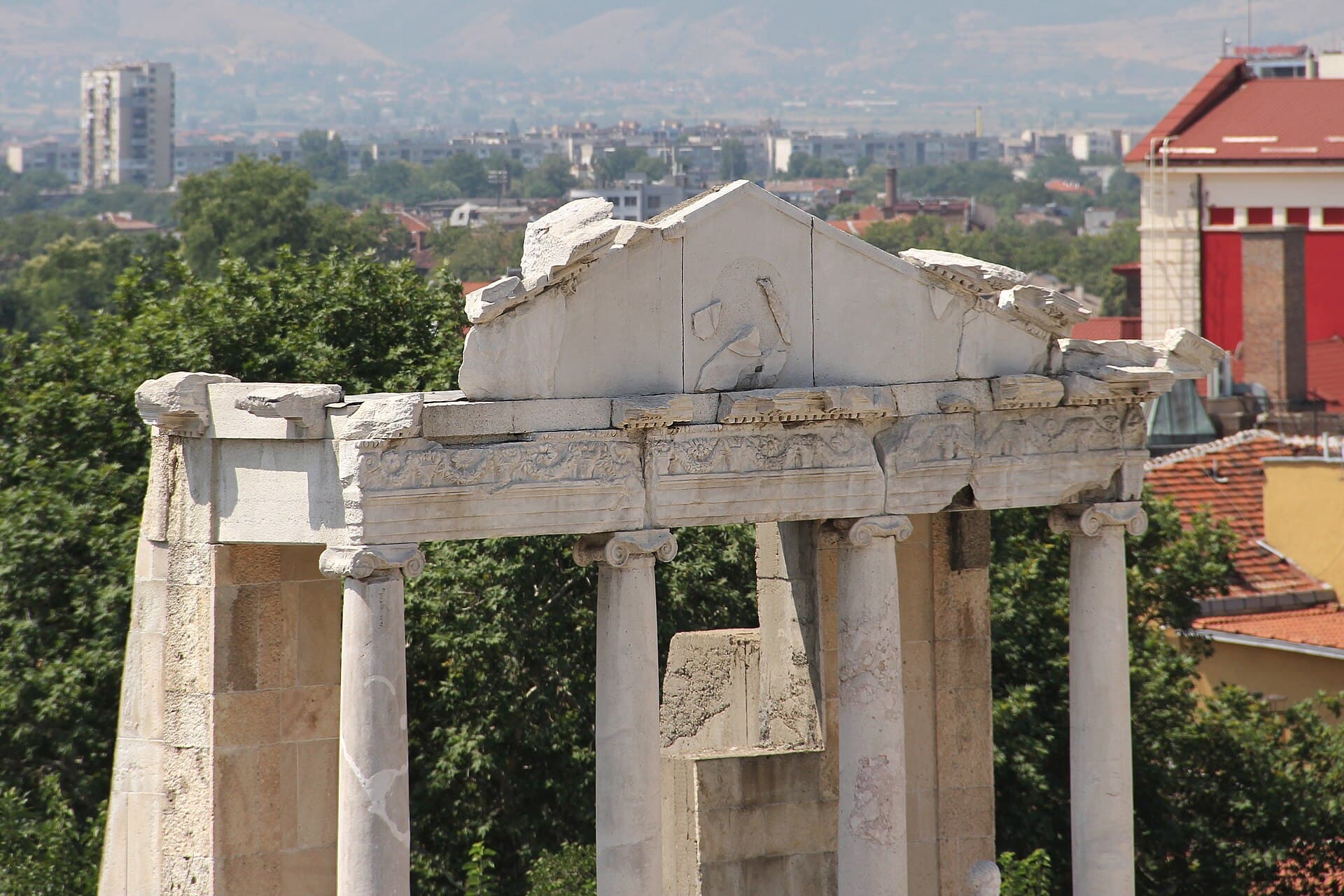 The Ancient Roman TheatreThe Ancient Roman Theatre is uncontested Plovdiv's most stunning relic: carved d1 minute walk4.8
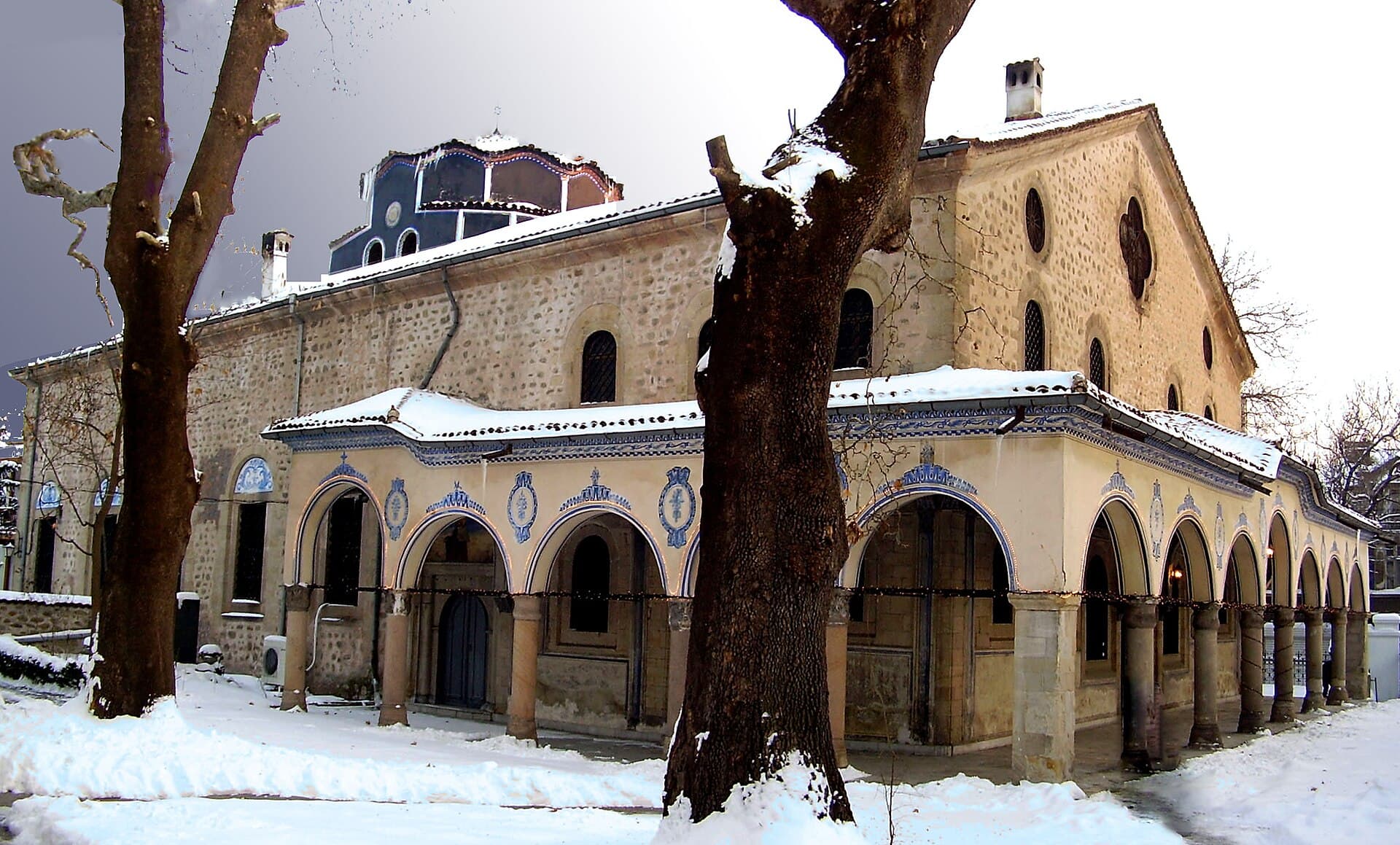 The Church of St MarinaAn Orthodox church in Plovdiv's old town, built in its present form in 1854 on t2 minutes walk4.9
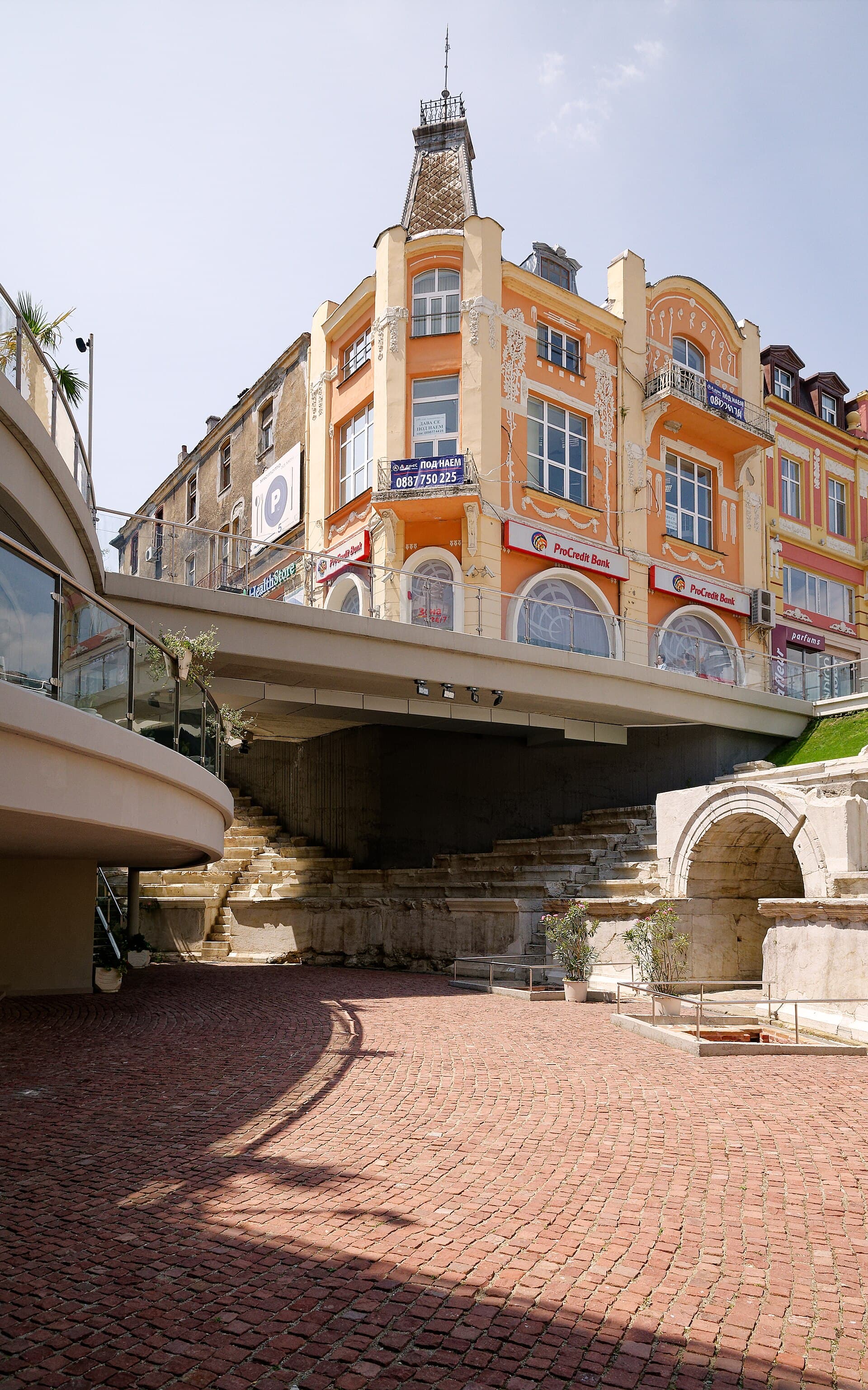 The Roman Stadium of PhilippopolisThe Stadium of Philippopolis is the archaeological surprise appearing suddenly b2 minutes walk4.6
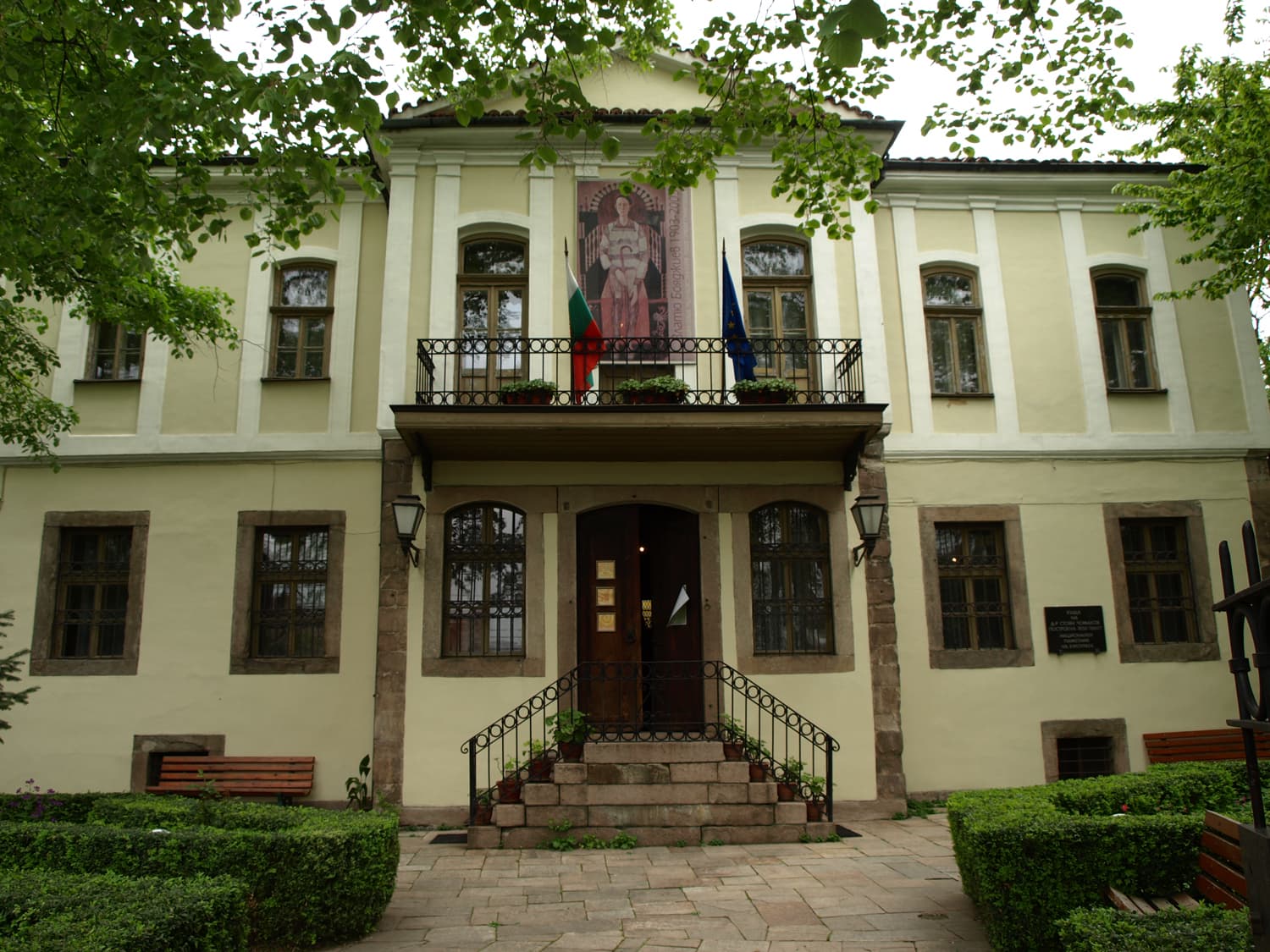 The Zlatyu Boyadzhiev Permanent ExhibitionA permanent exhibition of the work of the Bulgarian painter Zlatyu Boyadzhiev, i3 minutes walk4.9
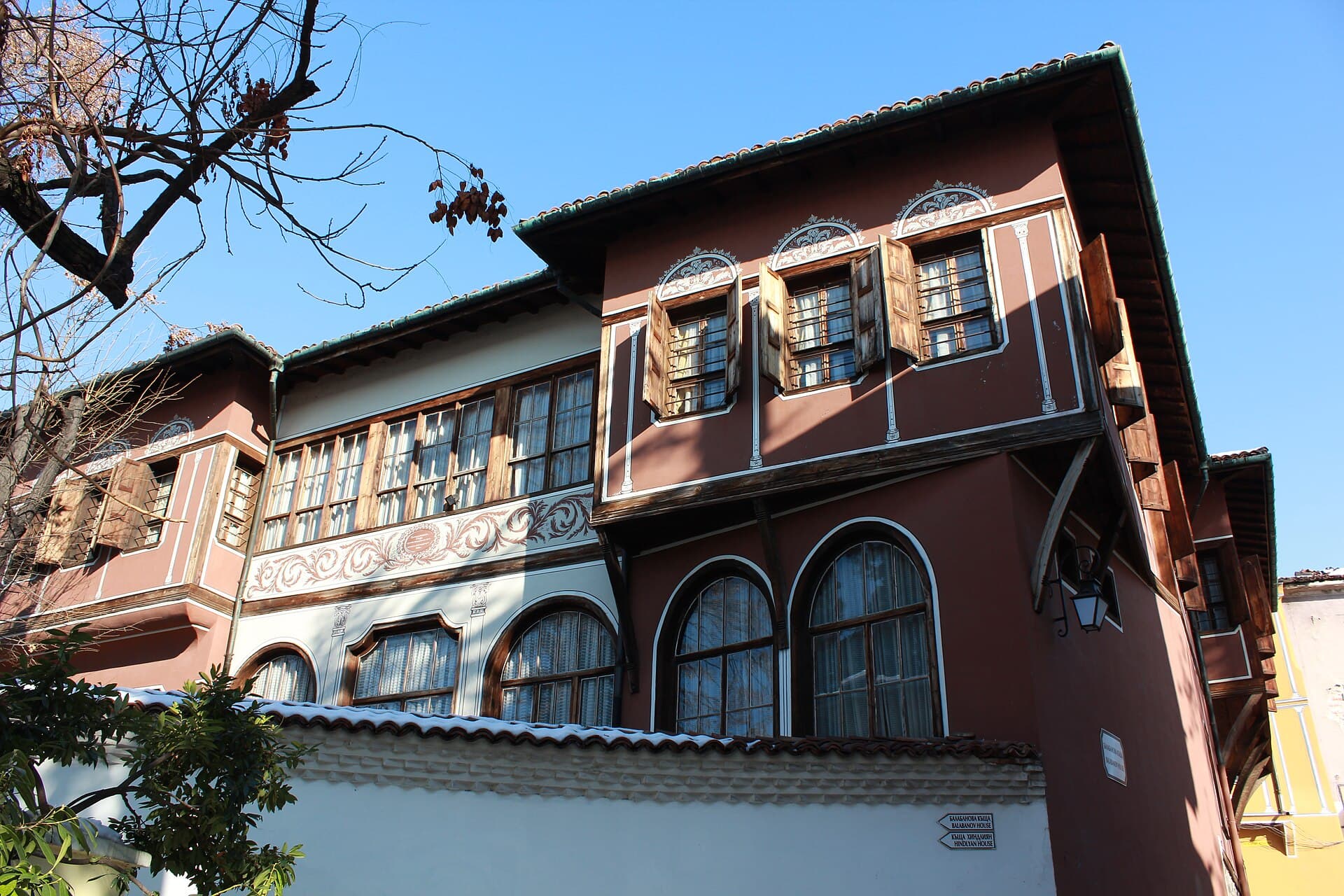 The Old Town & Balabanov's HousePlovdiv's Old Town is an open-air museum of Bulgarian National Revival architect3 minutes walk4.4
Because the Ottoman state organised its Christian subjects under the authority of the Greek Patriarchate of Constantinople, so Greek became the language of church and schooling for Bulgarians too. Demanding a Bulgarian church in its own language was in substance a demand for recognition of national identity. When the sultan recognised the Bulgarian Exarchate in 1870 it was the first official acknowledgement of Bulgarians as a distinct nation, eight years before political independence.
St Marina is the best known for its coloured wooden tower and the richest in interior decoration. The Dormition is the most historically important for its role in the church movement. And Saints Constantine and Helena has the oldest site and a striking gilded iconostasis. All three are minutes apart on foot and can be visited together in an hour, and all are normally free.