
A wooden bell tower
Thirteen metres of brightly painted timber.
Kmrakmra — CC BY-SA 3.0 · Michal Valach — CC BY-SA 4.0 · Loraine — CC BY-SA 4.0 · Loraine — CC BY-SA 4.0
An Orthodox church in Plovdiv's old town, built in its present form in 1854 on the site of an older church, and counted among the finest churches of the Bulgarian Revival period. Its most striking feature is the wooden bell tower: thirteen metres of timber painted in bright colours with plant ornament, a form entirely unusual in church architecture. The reason is Ottoman: the authorities forbade tall stone bell towers that would rival minarets, so towers were built of wood and kept relatively low. The same restrictions required churches to be low and partly sunk below ground level and not visible from the street — which explains the shape of Bulgarian churches of that whole period. The interior is rich: a finely carved wooden iconostasis, nineteenth-century icons and wall paintings, and an ornamented timber ceiling. It is a working place of worship and entry is normally free.
Thirteen metres of brightly painted timber.
Banning stone towers produced the whole Bulgarian church form.
Finely worked wood with nineteenth-century icons and paintings.
Old Plovdiv, below Nebet Tepe
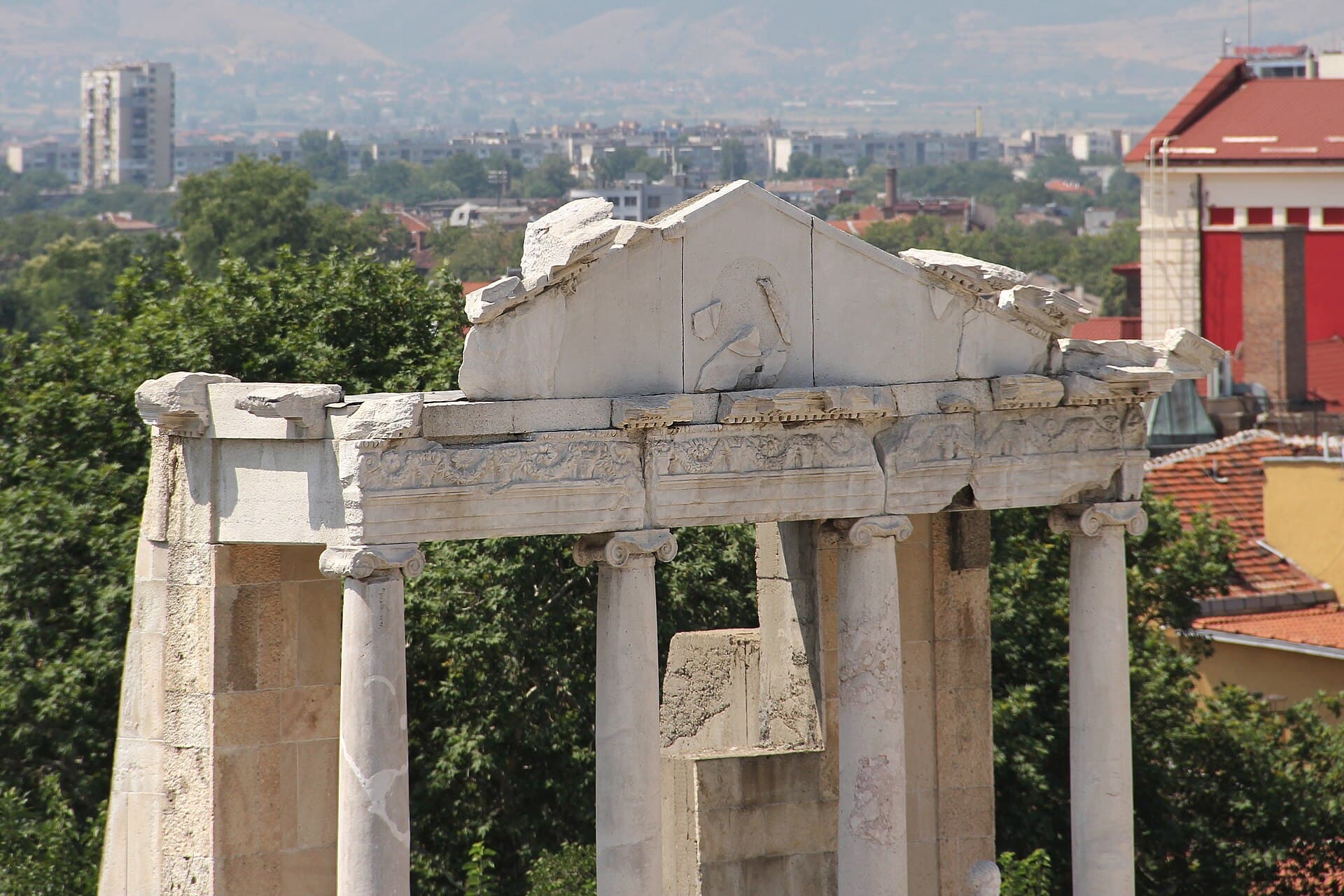 The Ancient Roman TheatreThe Ancient Roman Theatre is uncontested Plovdiv's most stunning relic: carved d2 minutes walk4.8
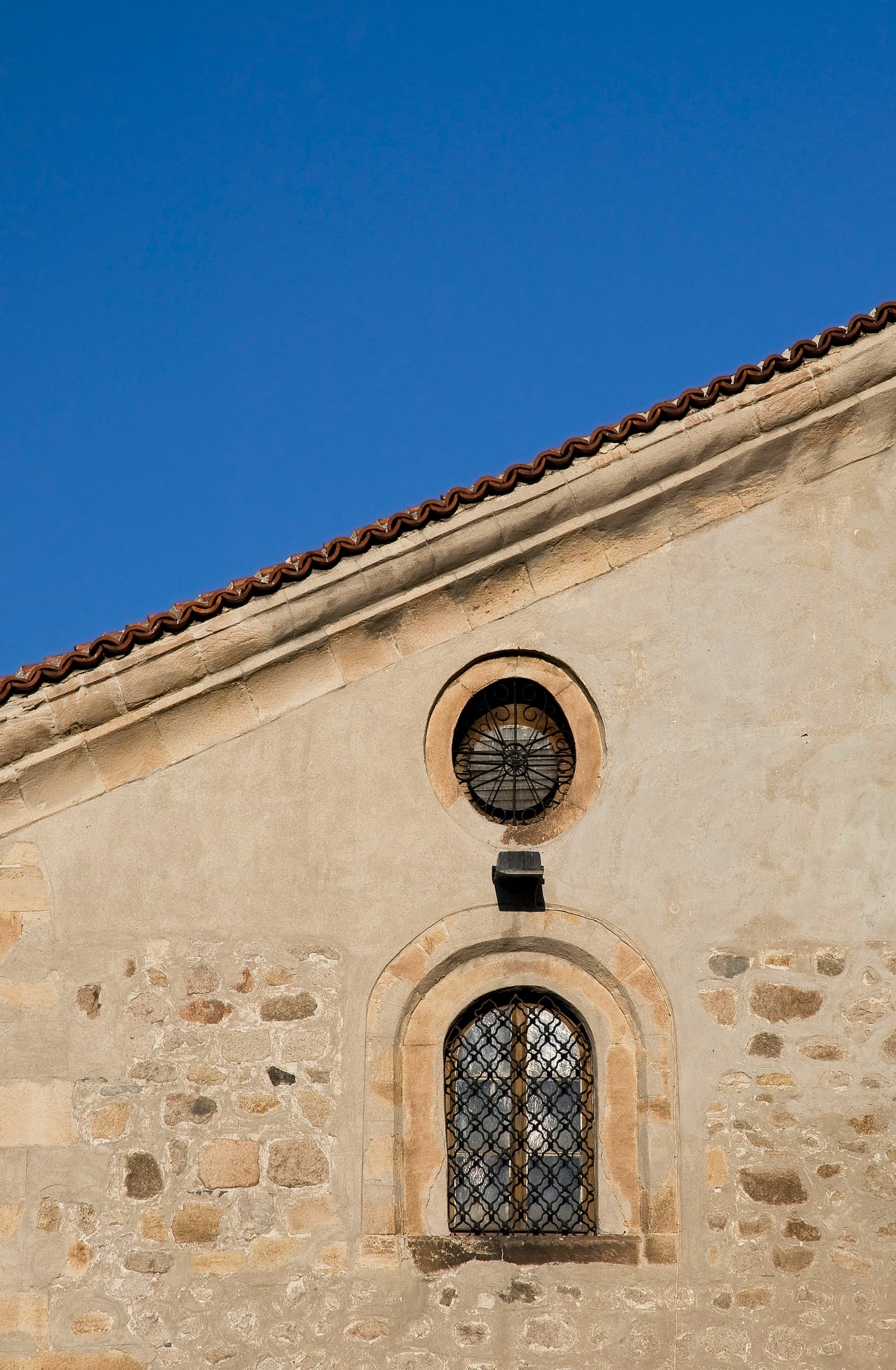 The Church of the Dormition of the TheotokosAn Orthodox church in old Plovdiv whose site is medieval, though the present bui2 minutes walk4.7
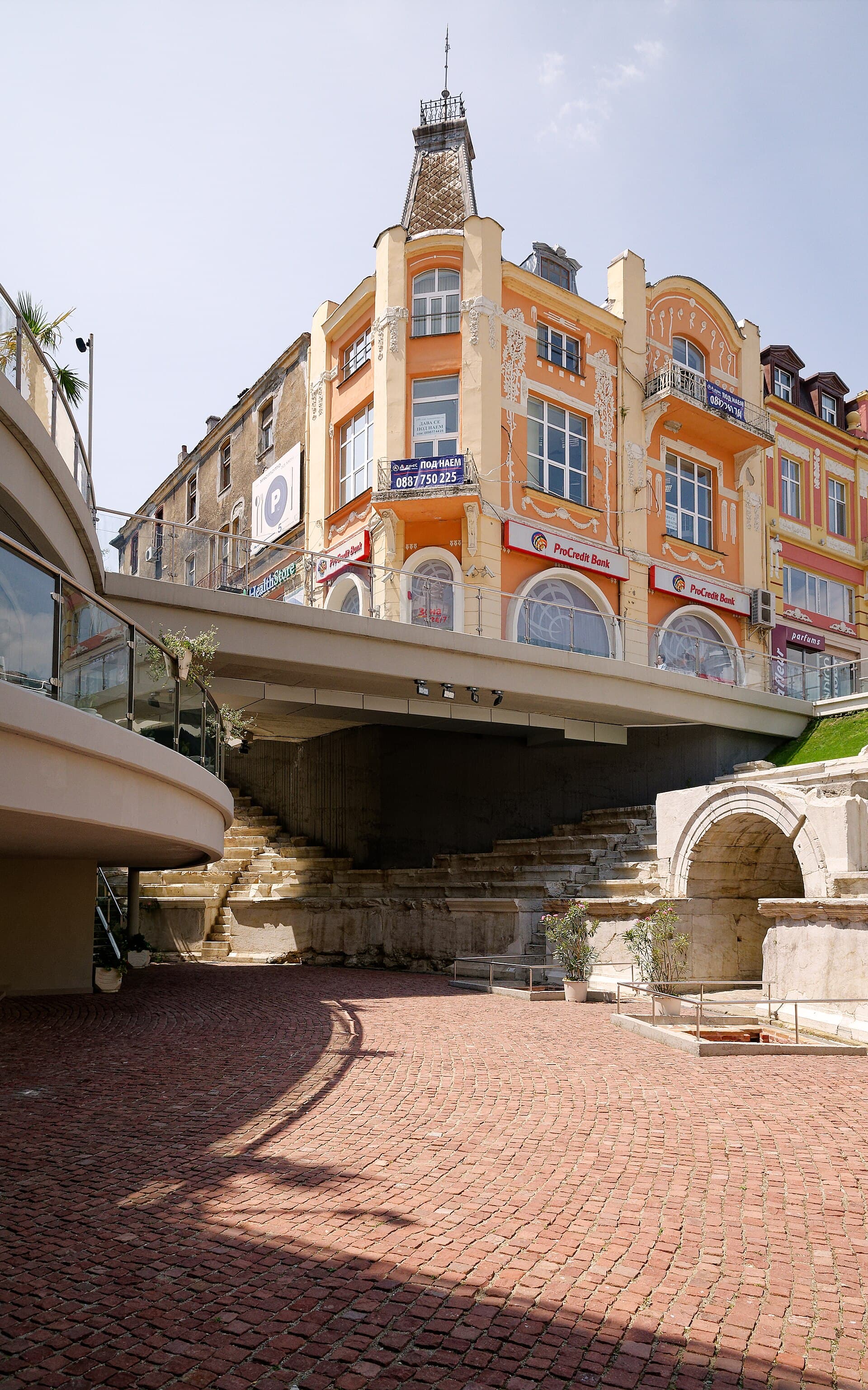 The Roman Stadium of PhilippopolisThe Stadium of Philippopolis is the archaeological surprise appearing suddenly b5 minutes walk4.6
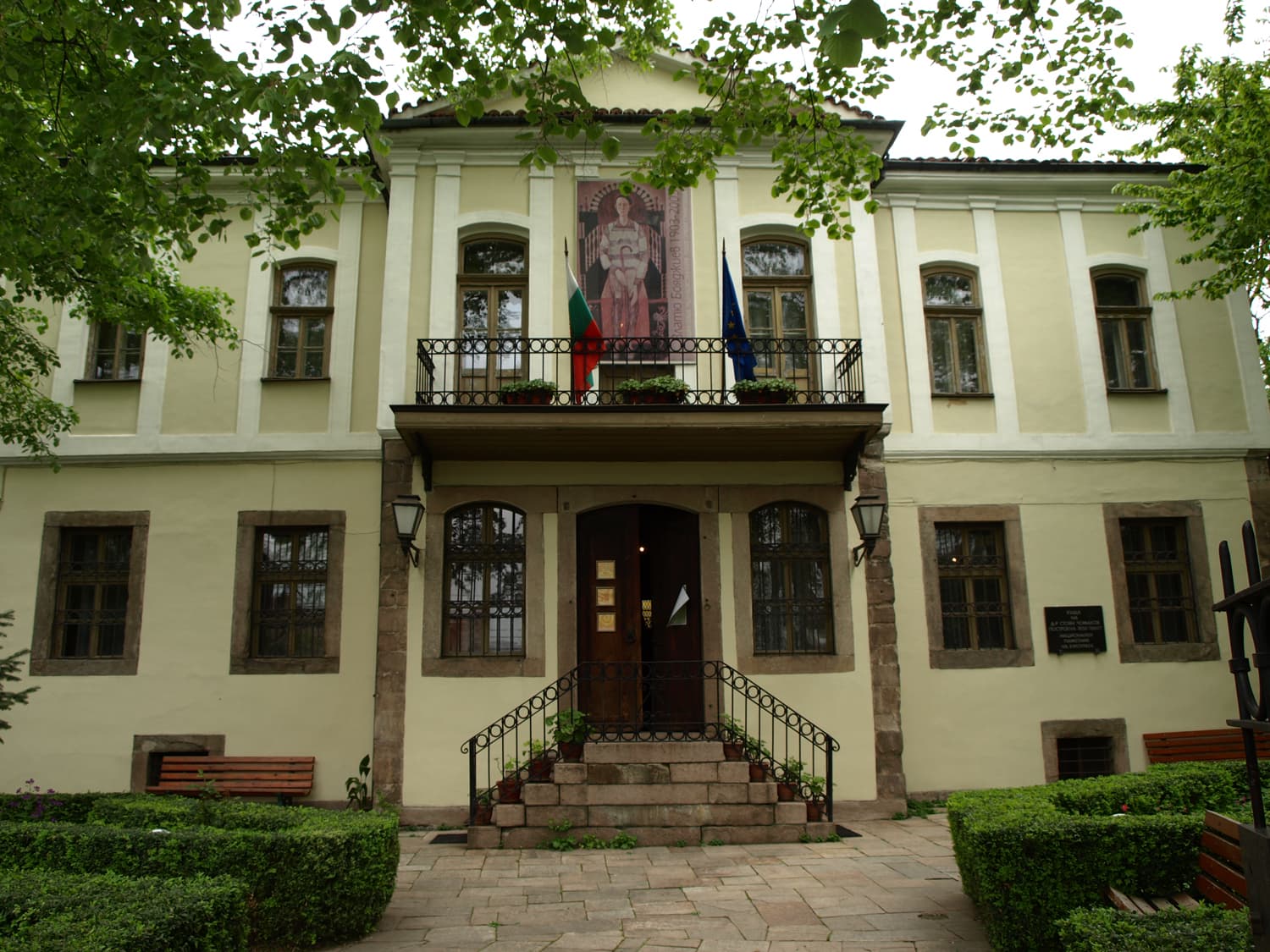 The Zlatyu Boyadzhiev Permanent ExhibitionA permanent exhibition of the work of the Bulgarian painter Zlatyu Boyadzhiev, i5 minutes walk4.9
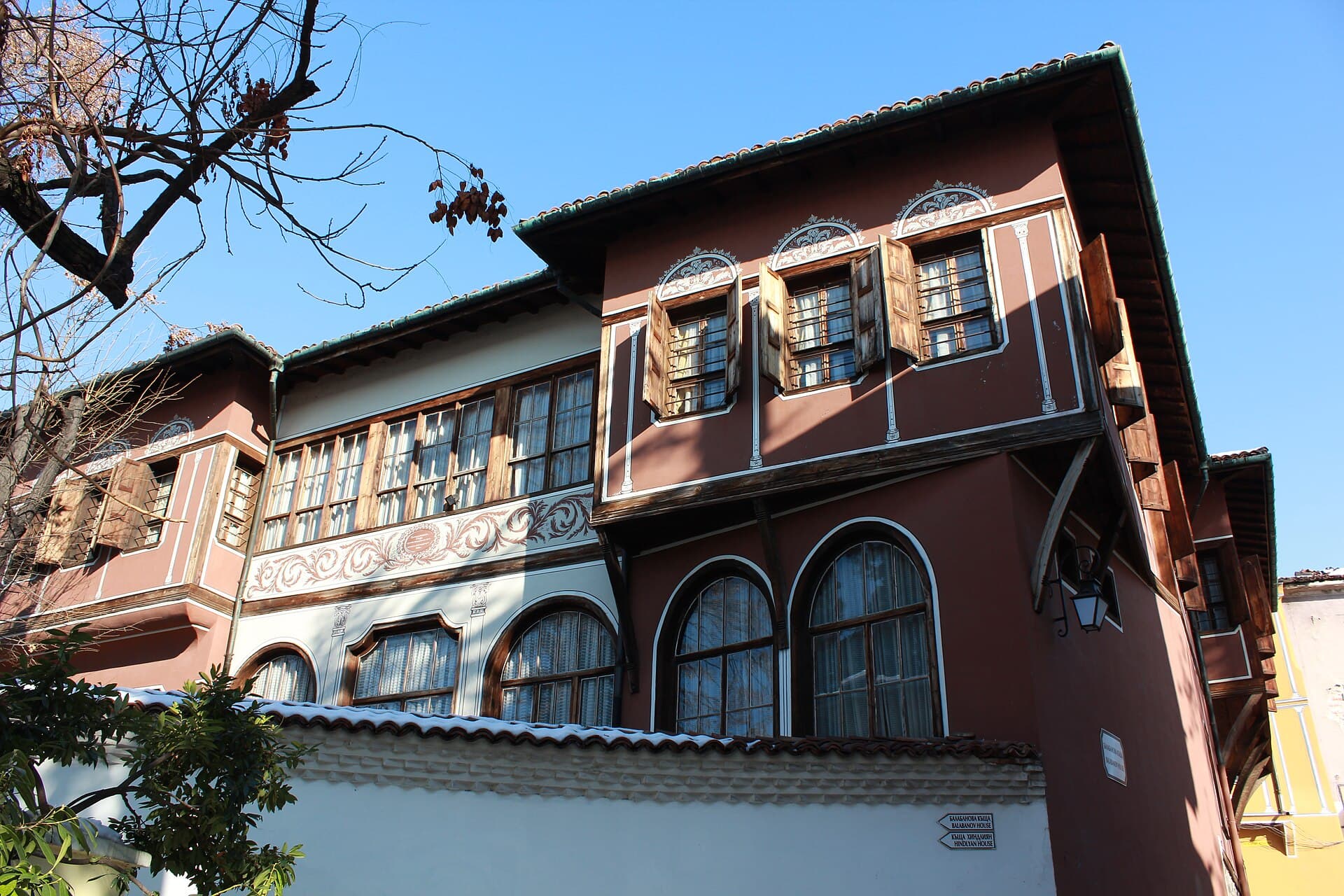 The Old Town & Balabanov's HousePlovdiv's Old Town is an open-air museum of Bulgarian National Revival architect5 minutes walk4.4
A cultural and political movement running from the late eighteenth century to Bulgaria's independence in 1878, aimed at reviving the Bulgarian language, education and an independent church within the Ottoman Empire. It produced a distinctive architectural style in houses, churches and schools: timber houses with projecting upper storeys, wide eaves and bright colours, and rich interior decoration. Old Plovdiv, Koprivshtitsa and Tryavna are the best places to see it.
The quarter sits on three hills with streets paved in large uneven stones — comfortable shoes are necessary. Start at the Roman theatre, climb towards Nebet Tepe where the city's oldest layers are and the best sunset view, and coming down you pass Revival houses turned into museums: the Balabanov House and the Hindliyan House with its painted walls. The whole route is two to three hours without entering the museums.