
The stone block
A truncated pyramid under a bronze figure.
Neriyana Ivanova — CC BY-SA 3.0 · VladislavNedelev — CC BY-SA 3.0 · Hans Birger Nilsen — CC BY-SA 2.0
The Monument of the Unification is a massive truncated-pyramid block of stone in Unification Square in central Plovdiv, topped by a bronze female figure with carved forms around its base. What it commemorates is a distinctly Plovdiv event. When Bulgaria became independent in 1878 it was divided in two at the Congress of Berlin: the principality of Bulgaria in the north, and the province of **Eastern Rumelia** in the south under nominal Ottoman sovereignty, with Plovdiv as its capital. On **6 September 1885** local revolutionaries carried out an almost bloodless coup in Plovdiv and declared the two united — and the fact was accepted internationally after a short war with Serbia. That day is a Bulgarian national holiday, and Plovdiv is its city. The monument was raised in 1985 for the centenary, and the ceremonies are held in front of it every year. **A free public space**, with the city hall, the exhibition building and a fountain around the square.
A truncated pyramid under a bronze figure.
City hall, the exhibition building and a fountain around it.
Unification Square, Plovdiv
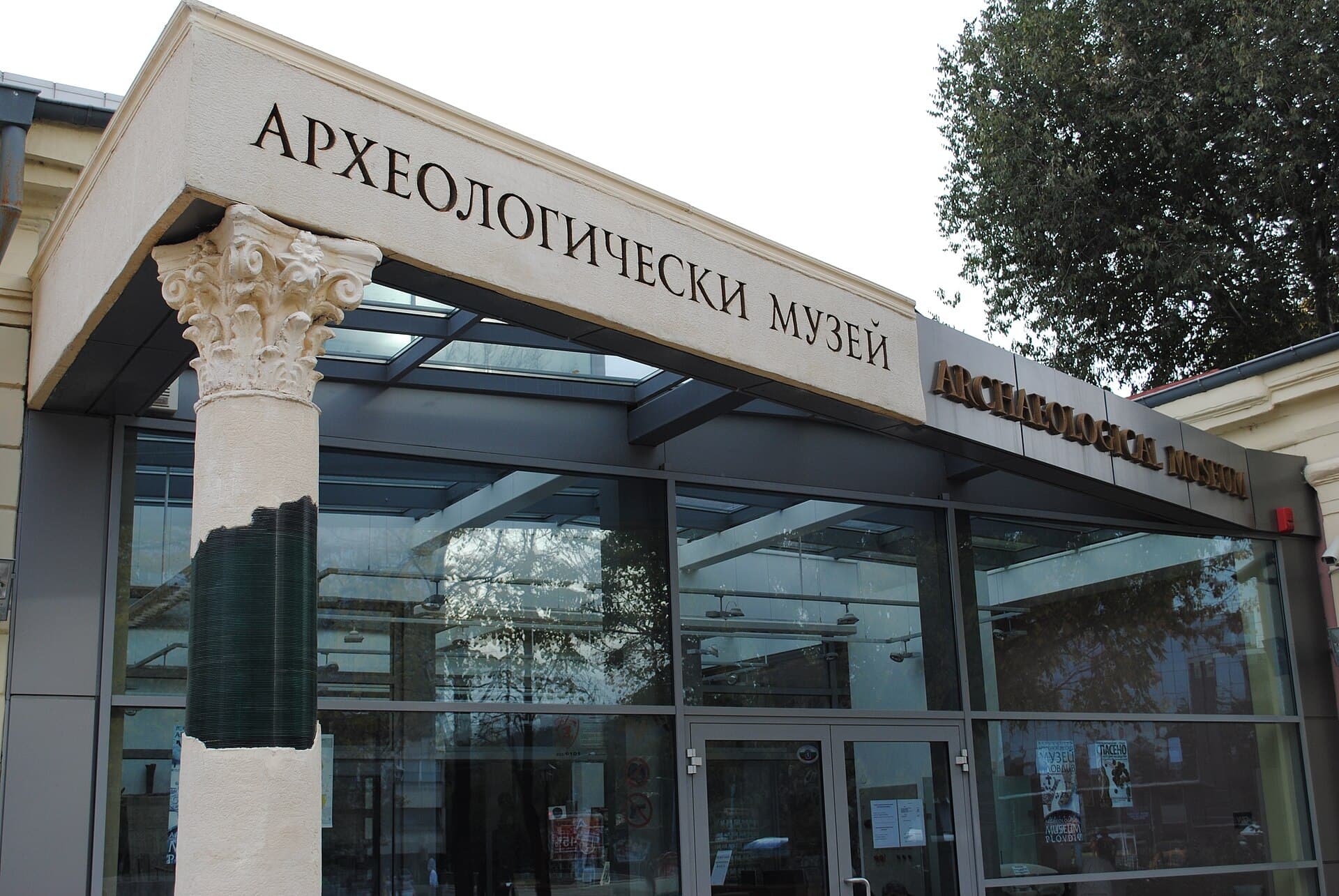 The Regional Archaeological MuseumThe Regional Archaeological Museum is the written memory of Plovdiv's astonishin1 minute walk4.6
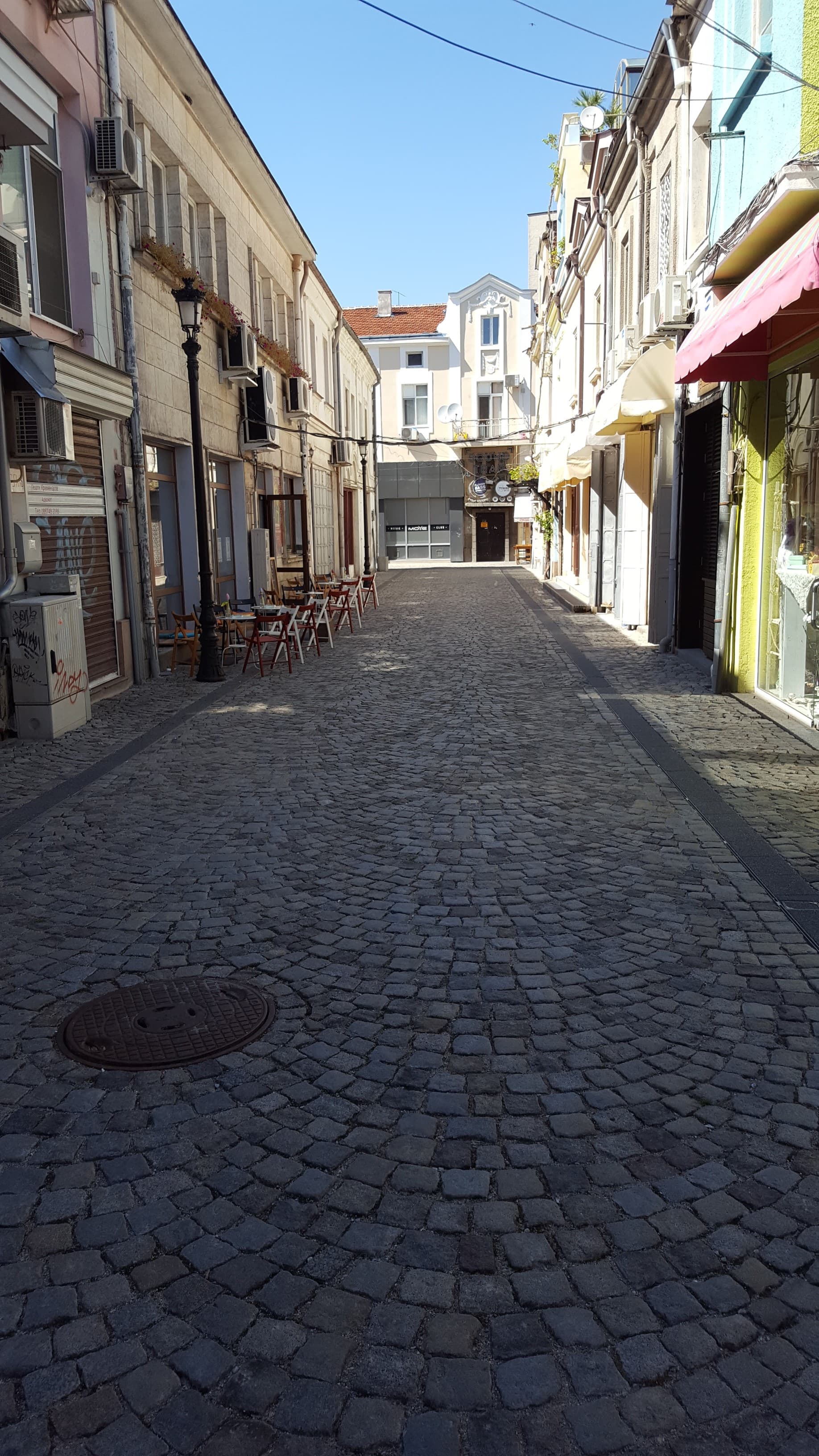 The Kapana Creative QuarterKapana (the trap in Ottoman Turkish, for its maze-like tangled lanes) is the Plo4 minutes walk4.6
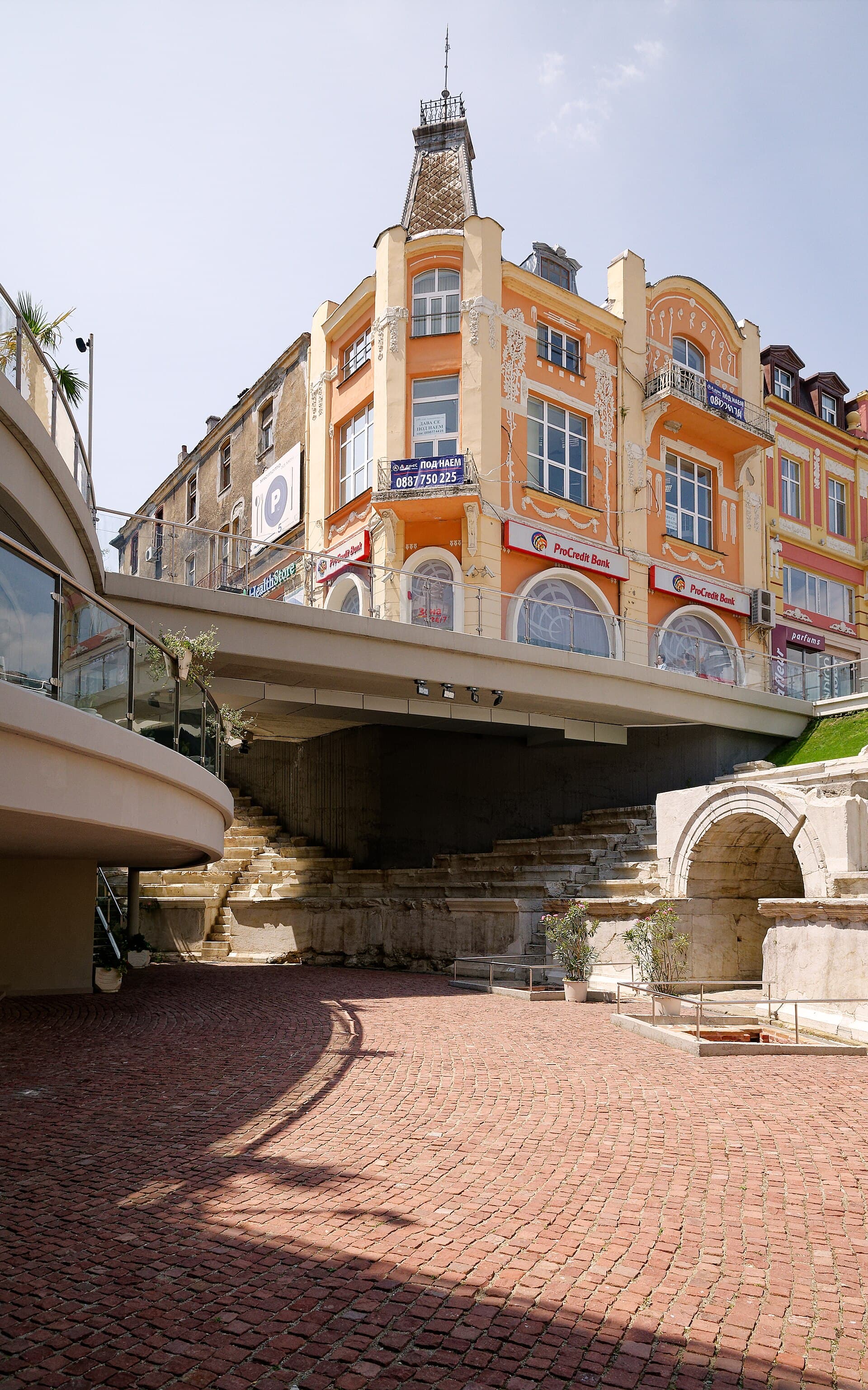 The Roman Stadium of PhilippopolisThe Stadium of Philippopolis is the archaeological surprise appearing suddenly b7 minutes walk4.6
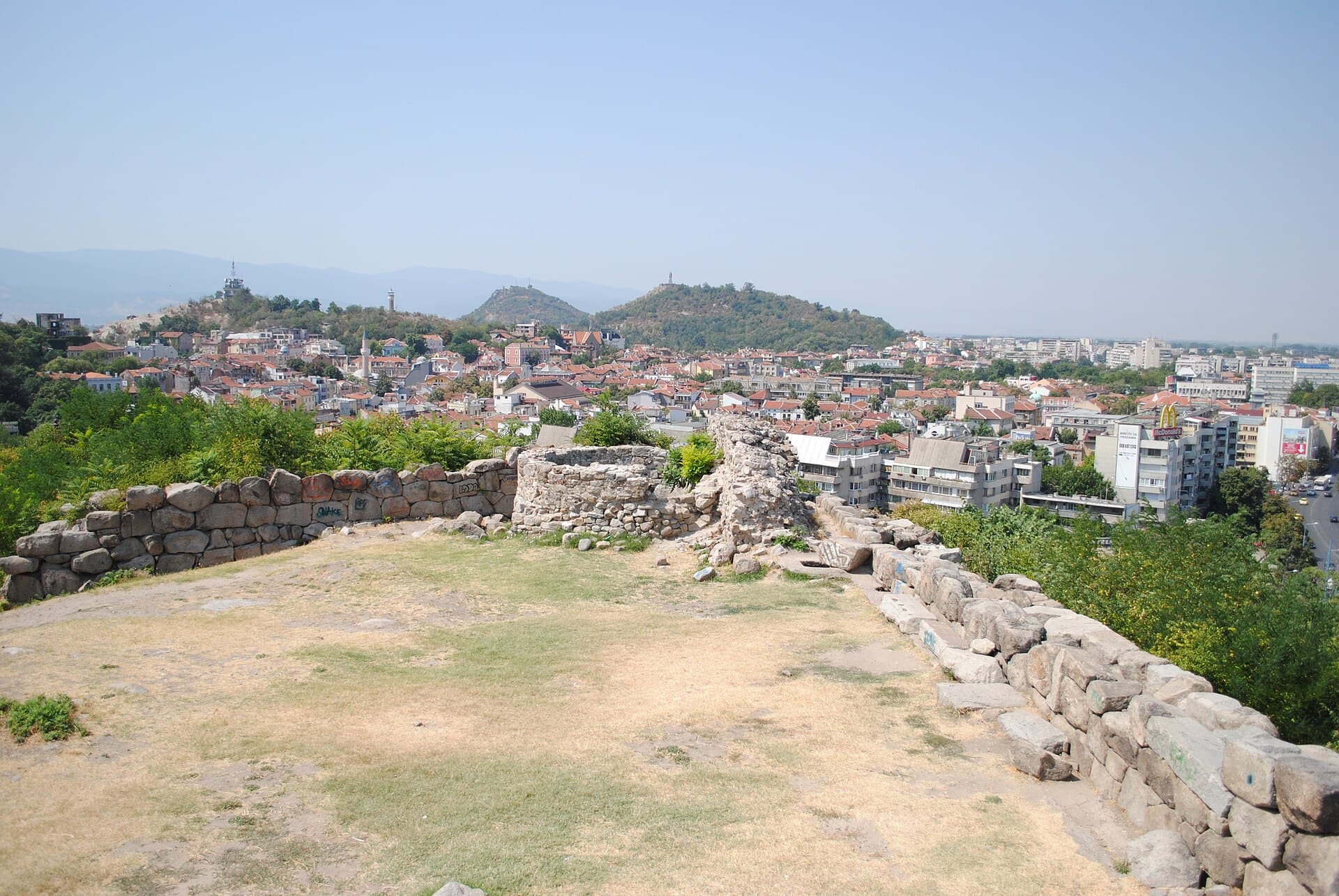 Nebet Tepe — the First HillNebet Tepe is where Plovdiv literally began eight thousand years ago: the highes7 minutes walk4.8
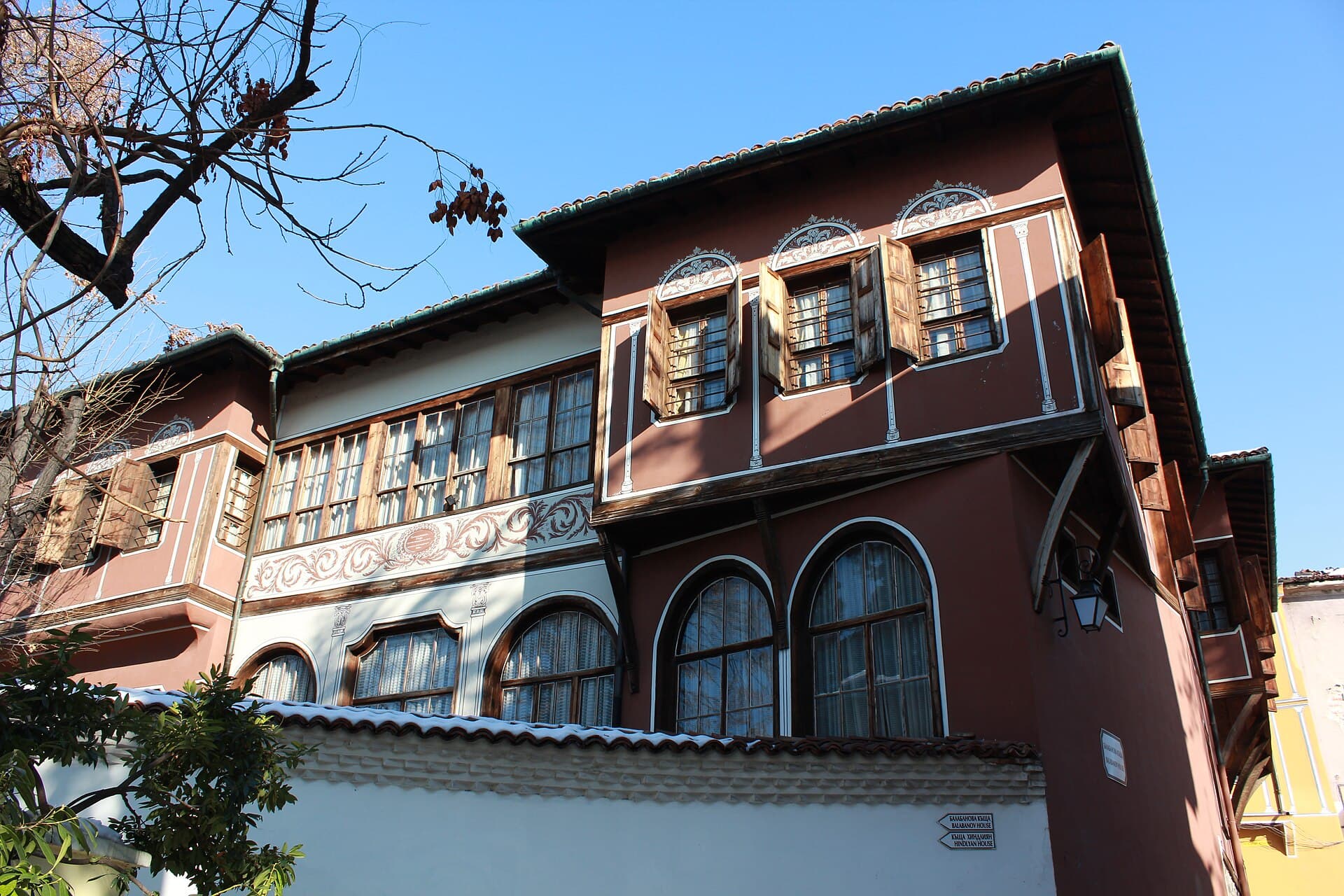 The Old Town & Balabanov's HousePlovdiv's Old Town is an open-air museum of Bulgarian National Revival architect8 minutes walk4.4
After the Ottoman defeat by Russia in 1878, the Treaty of San Stefano provided for a large Bulgaria reaching the Aegean. Britain and Austria-Hungary rejected it, fearing wide Russian influence in the Balkans, so the **Treaty of Berlin** the same year redrew the borders: a small principality in the north, the autonomous province of Eastern Rumelia in the south under the sultan, and Macedonia returned to direct Ottoman rule. That division shaped Bulgarian politics for a century and was a cause of the later Balkan wars. The union of 1885 was the first undoing of it.