
The City Hall façade
Lace-like Flamboyant Gothic of 1376.
Jan Baptist van Meunincxhove — Public domain · Donar Reiskoffer — CC BY 3.0 · Michael D Beckwith from England — CC0 · Bybbisch94, Christian Gebhardt — CC BY-SA 4.0
The Burg is Bruges' second and oldest square: here the Count of Flanders built his castle in the ninth century (hence the name), and the city grew around it. Smaller than the Markt and grander, it is an architectural exhibition of a thousand years in one square: the Flamboyant Gothic City Hall (1376) with its lace-like carved façade, the Basilica of the Holy Blood in its corner (Romanesque below, Gothic above), the Old Civil Registry with its gilded Renaissance façade (1537), the classical Court of the Liberty of Bruges, and the baroque Provost's House. It was completed by the huge Cathedral of St Donatian, which the French demolished in 1799 — its site is today the square's empty north side, and its remains underground can be seen in an adjacent hotel. The square is always free and loveliest at night when lit. Two minutes from the Markt via Breidelstraat — the two together are Bruges' heart, the Burg the quieter and historically deeper.
Lace-like Flamboyant Gothic of 1376.
Gilded Renaissance of 1537 between Gothic and baroque.
The site of demolished St Donatian and its remains below.
Burg, 8000 Bruges
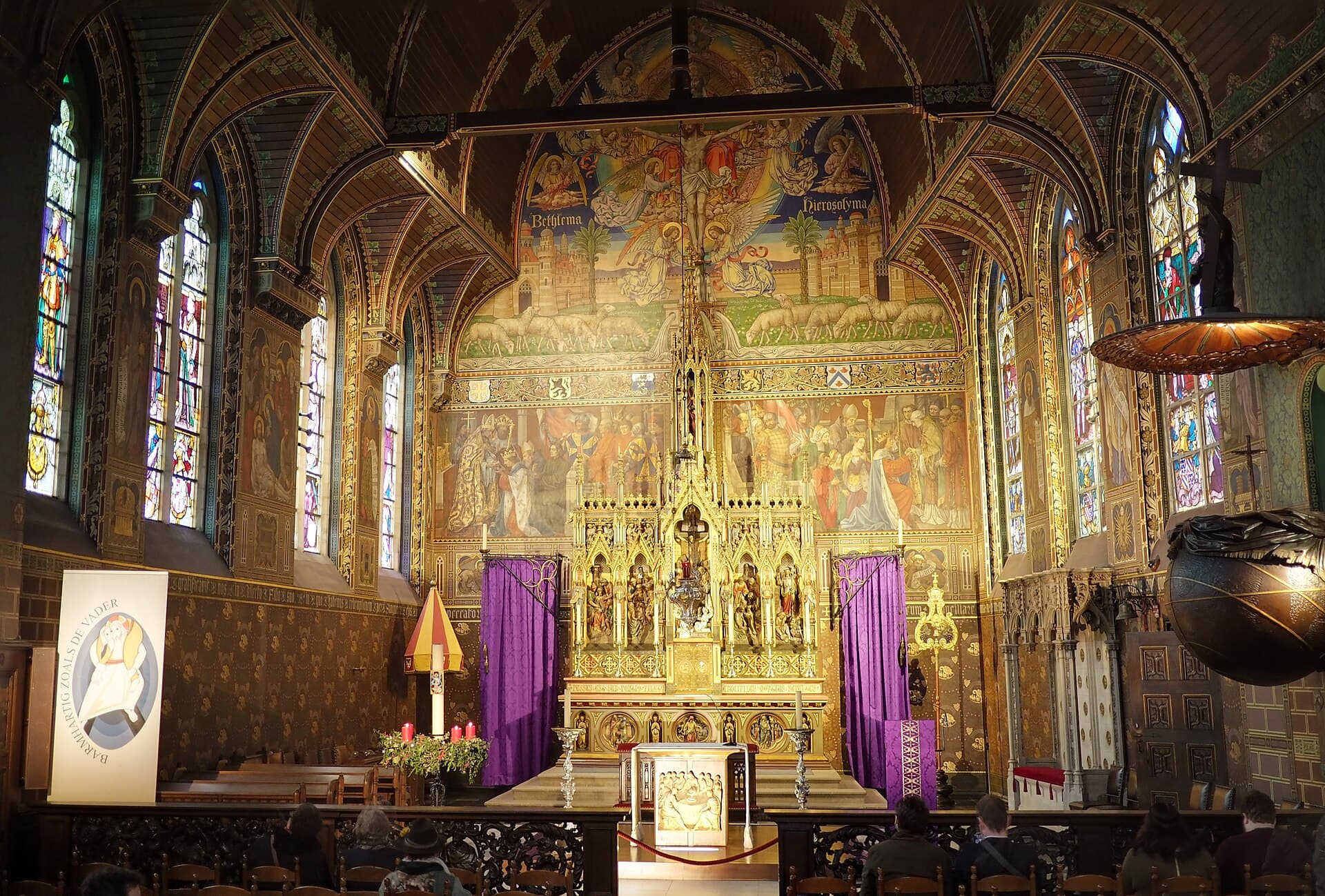 Basilica of the Holy BloodThe Basilica of the Holy Blood is two churches one above the other in a corner o1 minute walk4.7
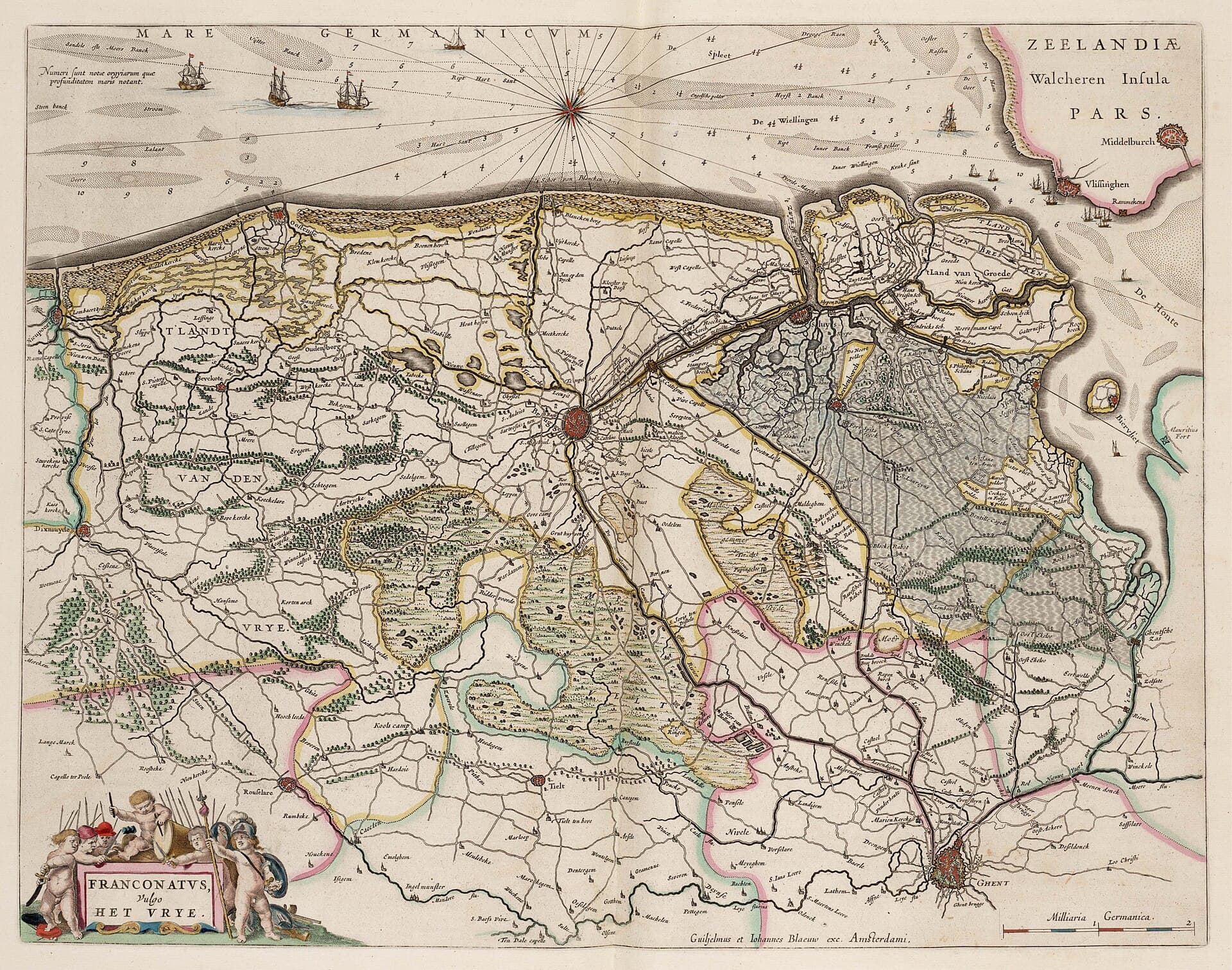 Brugse Vrije PalaceA building on the Burg Square that served as the seat of the Brugse Vrije, a lar1 minute walk4.4
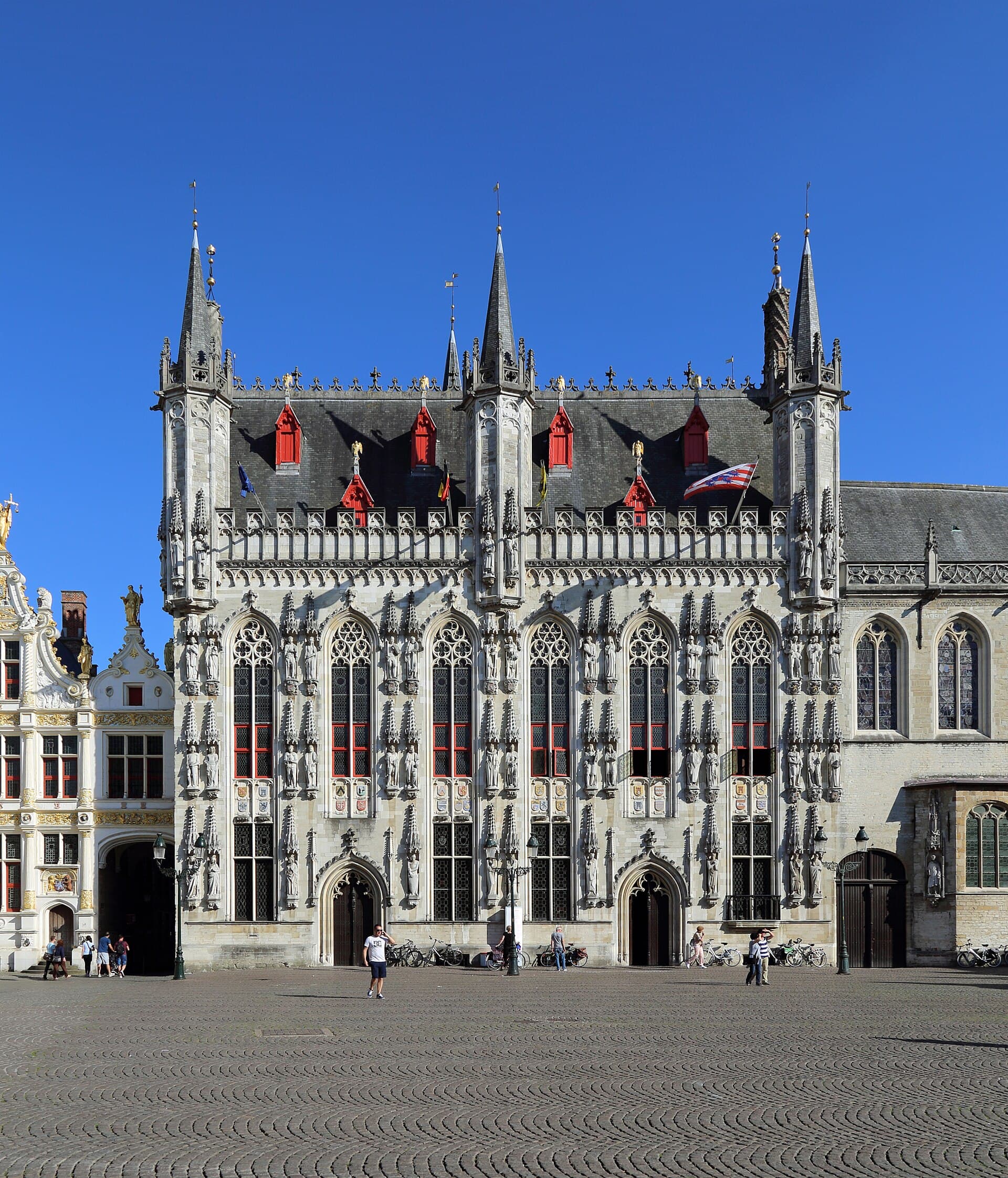 Bruges City HallBruges' City Hall is among the oldest town halls in the Low Countries (1376–14211 minute walk4.5
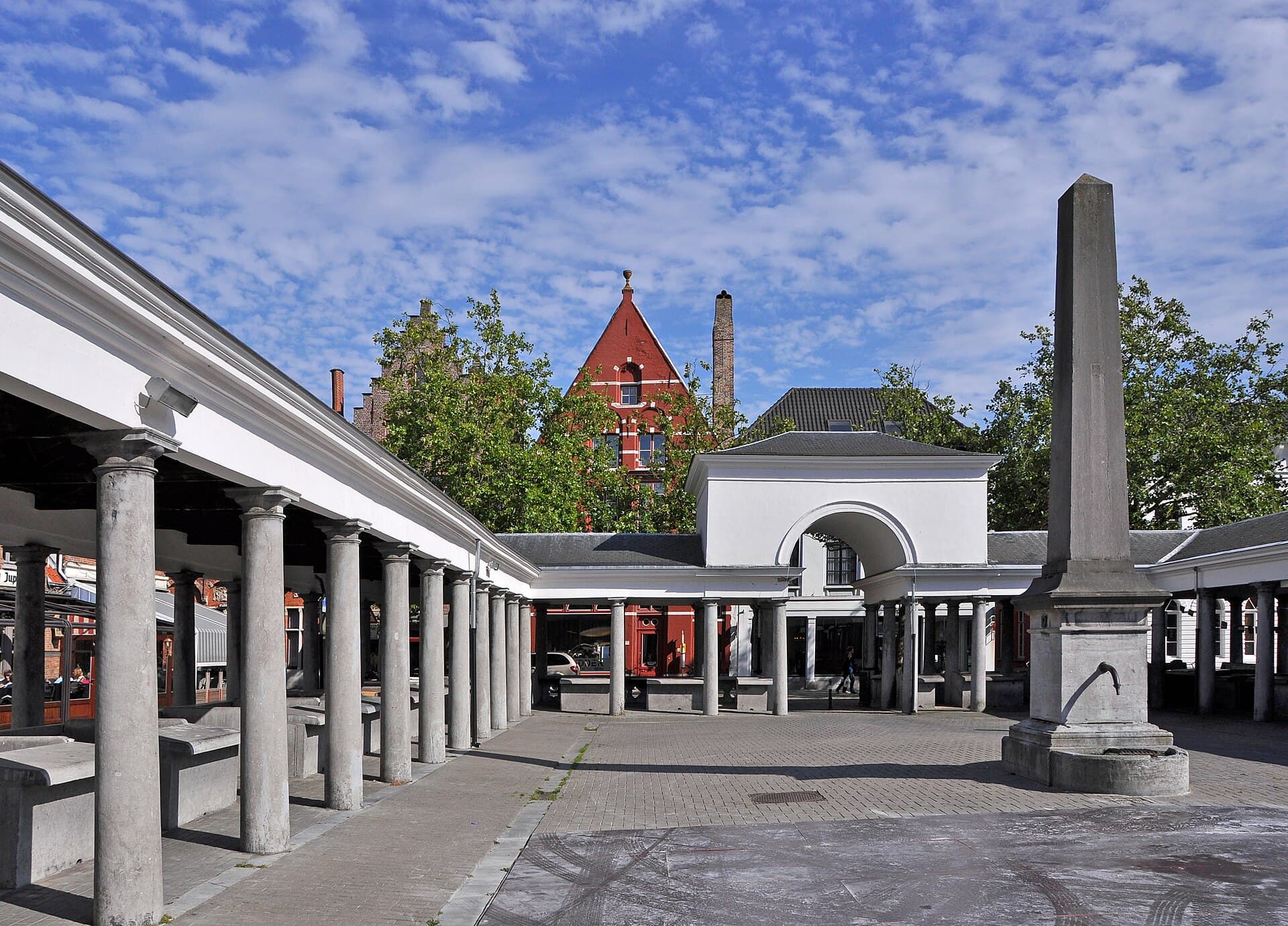 Vismarkt (Fish Market)A colonnaded market square in central Bruges, built in 1821 to move the fish tra2 minutes walk4.1
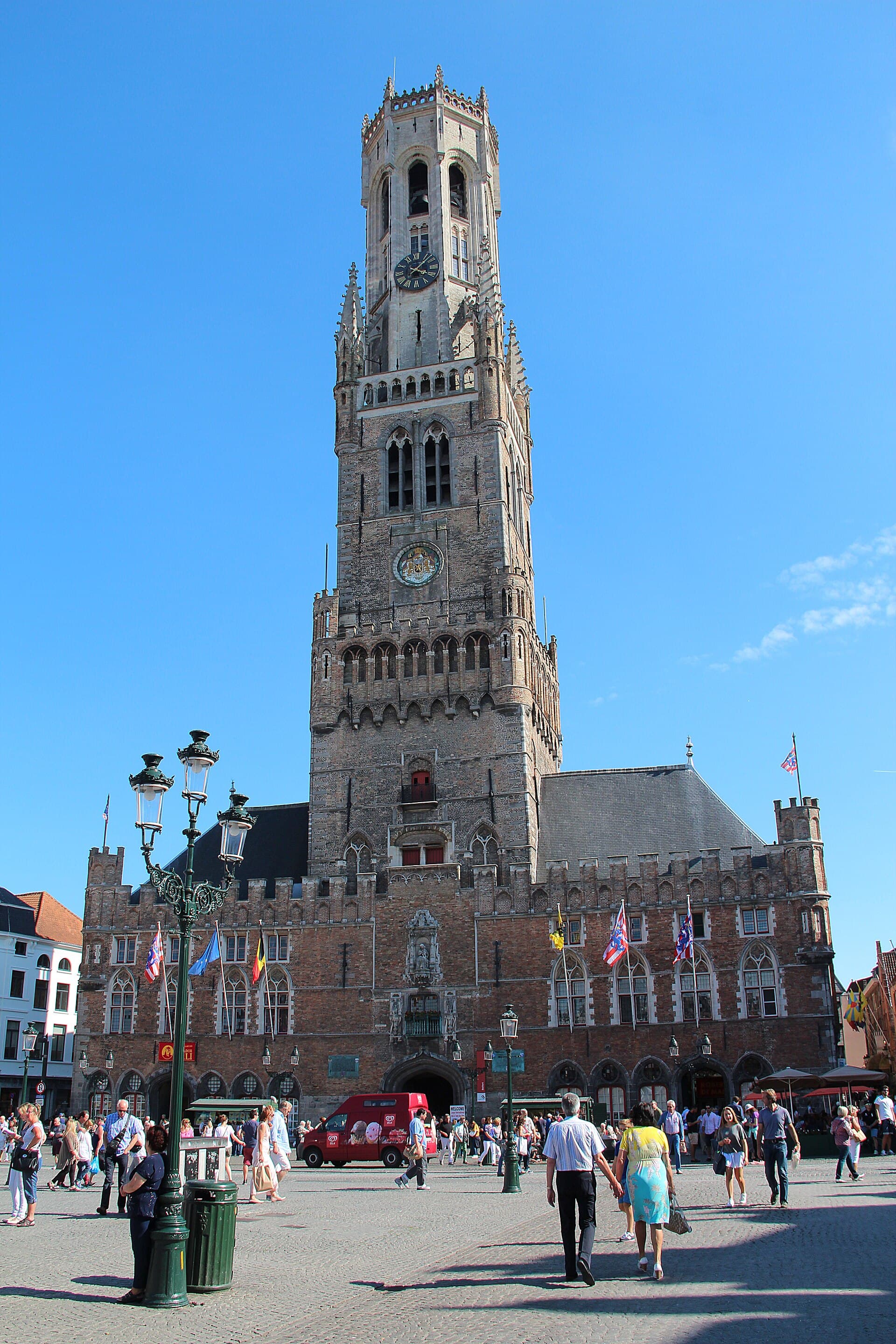 Belfry of BrugesThe Belfry is Bruges' symbol and first landmark: a thirteenth-century medieval t2 minutes walk4.6
The Basilica of the Holy Blood first (free, the Gothic upper floor and the relic display), then the Gothic Hall in the City Hall (token ticket, gilded wooden vault and murals). The rest are façades seen from outside. Half an hour for the square and an hour with both — then walk to the Rozenhoedkaai through the arched Blinde-Ezelstraat passage.