
The lower church
Twelfth-century stony Romanesque silence.
KL KL — CC BY-SA 3.0 · Jim Linwood — CC BY 2.0 · Gargarapalvin — CC BY-SA 4.0 · Gargarapalvin — CC BY-SA 4.0
The Basilica of the Holy Blood is two churches one above the other in a corner of the Burg: the lower church is twelfth-century Romanesque — dark and austere with massive columns and stony silence, among the oldest things in Bruges — and the upper church is Gothic, redecorated in the nineteenth century in bright colours, murals and stained glass, reached by a grand staircase from the gilded façade. Its fame comes from its relic: a phial believed to hold drops of Christ's blood, brought by the Count of Flanders from Jerusalem or Constantinople in the twelfth century — displayed for veneration daily at set times in the upper church, and carried out in the great "Procession of the Holy Blood" on Ascension Day (May) with thousands of participants in historical costume, inscribed on UNESCO's intangible heritage list. Entry is free and the visit short — the small treasury museum (token fee) shows the golden shrine in which the relic is carried in the procession.
Twelfth-century stony Romanesque silence.
Bright colours, murals and glass — ornate Gothic.
The relic's lavish reliquary in the treasury.
Burg 13, 8000 Bruges
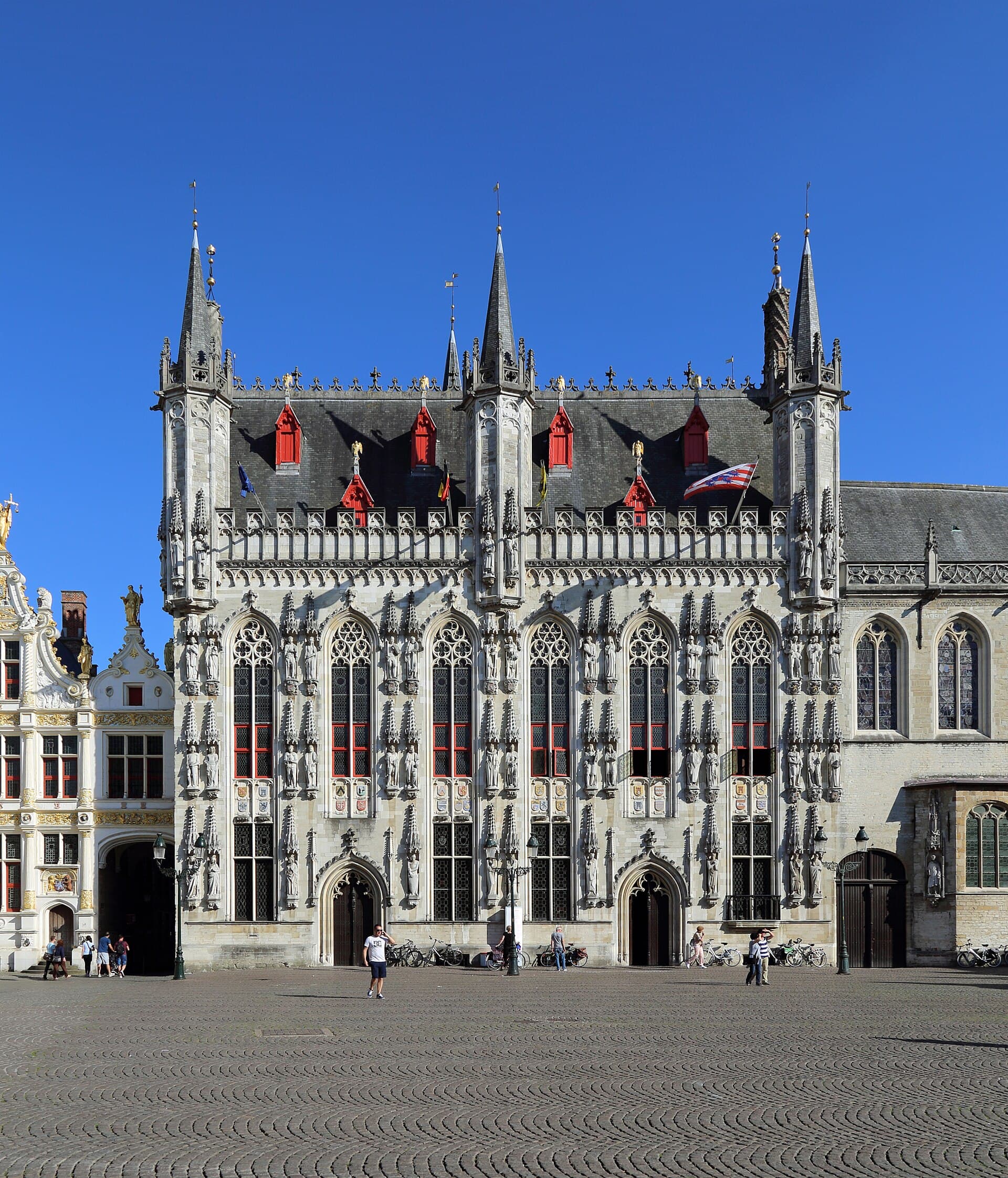 Bruges City HallBruges' City Hall is among the oldest town halls in the Low Countries (1376–14211 minute walk4.5
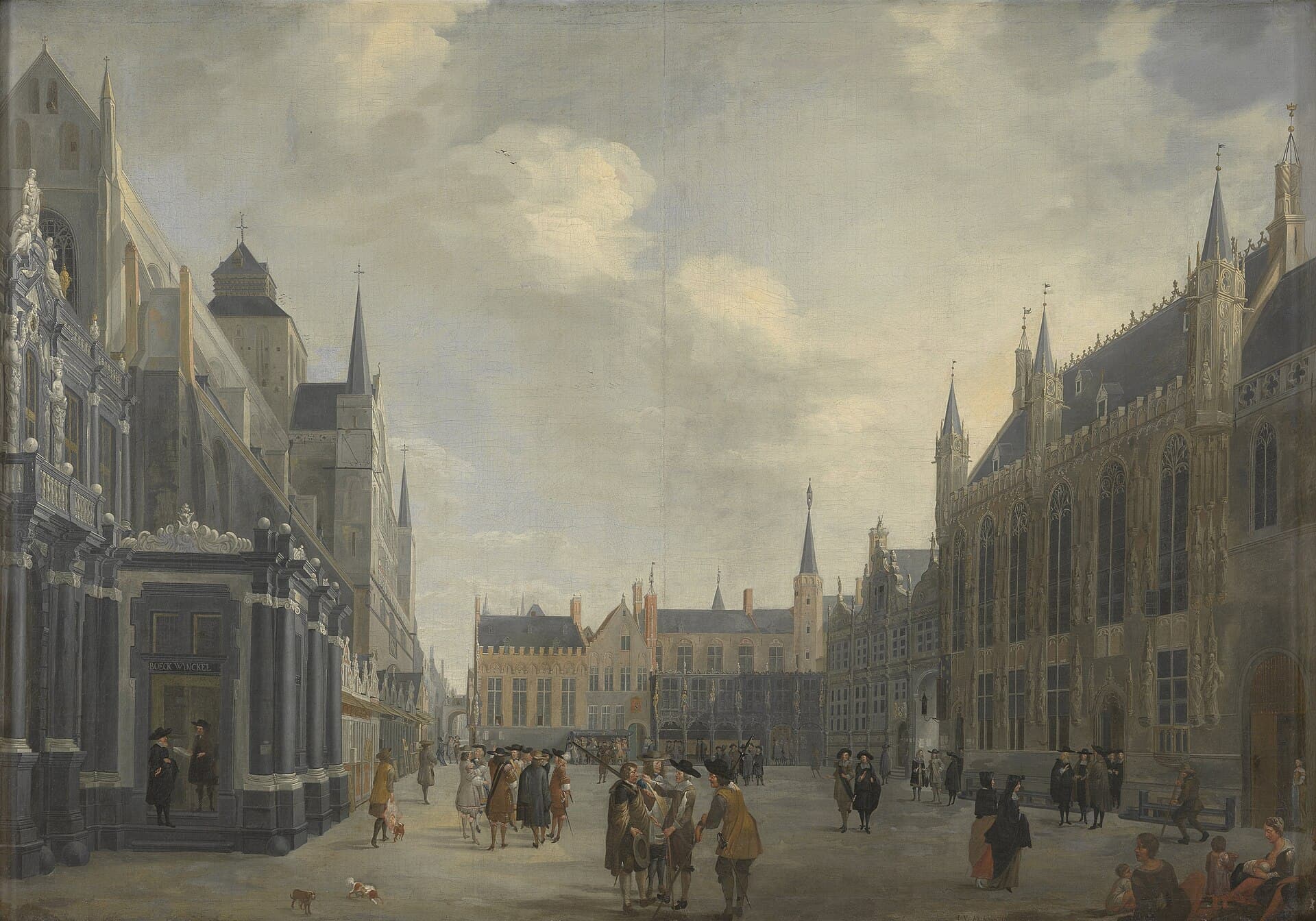 Burg SquareThe Burg is Bruges' second and oldest square: here the Count of Flanders built h1 minute walk4.8
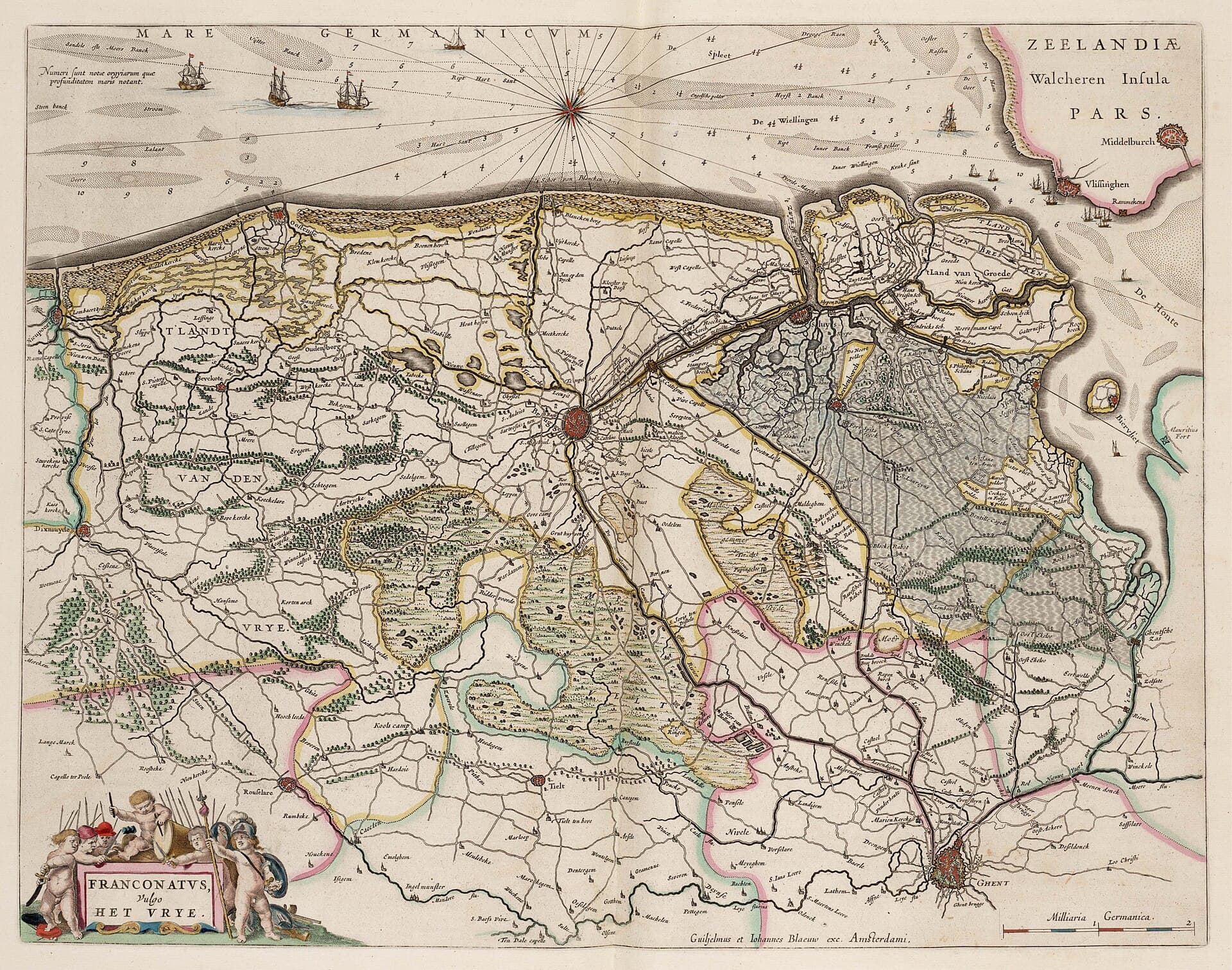 Brugse Vrije PalaceA building on the Burg Square that served as the seat of the Brugse Vrije, a lar1 minute walk4.4
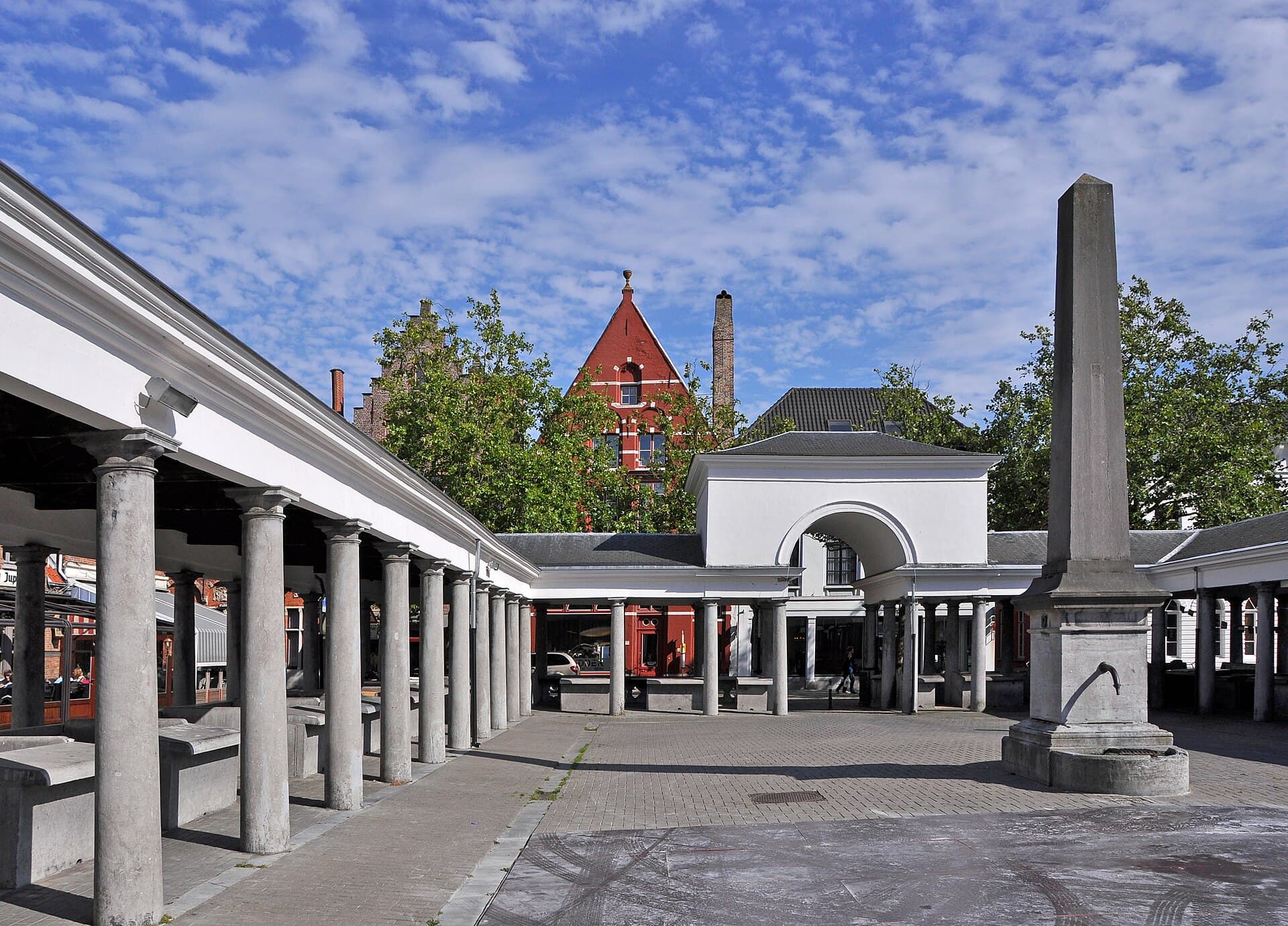 Vismarkt (Fish Market)A colonnaded market square in central Bruges, built in 1821 to move the fish tra1 minute walk4.1
 RozenhoedkaaiThe Rozenhoedkaai ("Rosary Quay") is Bruges' most famous and most photographed v2 minutes walk4.7
Bruges' largest annual event (Ascension Day, May): a historical-religious procession of thousands in medieval costume enacting biblical stories and Bruges' history, in which the relic is carried through the city. On UNESCO's intangible heritage list since 2009. Visiting that day shows Bruges at its most festive — but lodging sells out early.