
The sixteenth-century fireplace
Oak and black marble at wall scale, carrying figures of Charles V and his forebears.
Willem Blaeu — Public domain · Sally V — CC BY-SA 4.0 · Fred Romero from Paris, France — CC BY 2.0 · Nobelse — CC BY-SA 4.0
A building on the Burg Square that served as the seat of the Brugse Vrije, a large rural district around Bruges that governed itself independently of the city for centuries. This was the seat of the countryside's government rather than the city's, a distinction that explains a good deal of Flemish history. What is visited today is essentially one room: the chimney hall. In it stands a vast sixteenth-century fireplace carved in oak and black marble, carrying figures of the emperor Charles V and his forebears, raised to mark a treaty that freed Flanders from French overlordship. The fireplace is effectively the entire exhibit: a wall-sized sculptural work designed to deliver a political message to everyone who entered the room. The visit is short, about half an hour, and the site is on the Burg Square itself beside the city hall and the Basilica of the Holy Blood. Combine it with those in one stop rather than as a separate visit.
Oak and black marble at wall scale, carrying figures of Charles V and his forebears.
Raised to mark a treaty that freed Flanders from French overlordship.
Beside the city hall and the Basilica of the Holy Blood — the three in one stop.
Burg Square, historic centre of Bruges
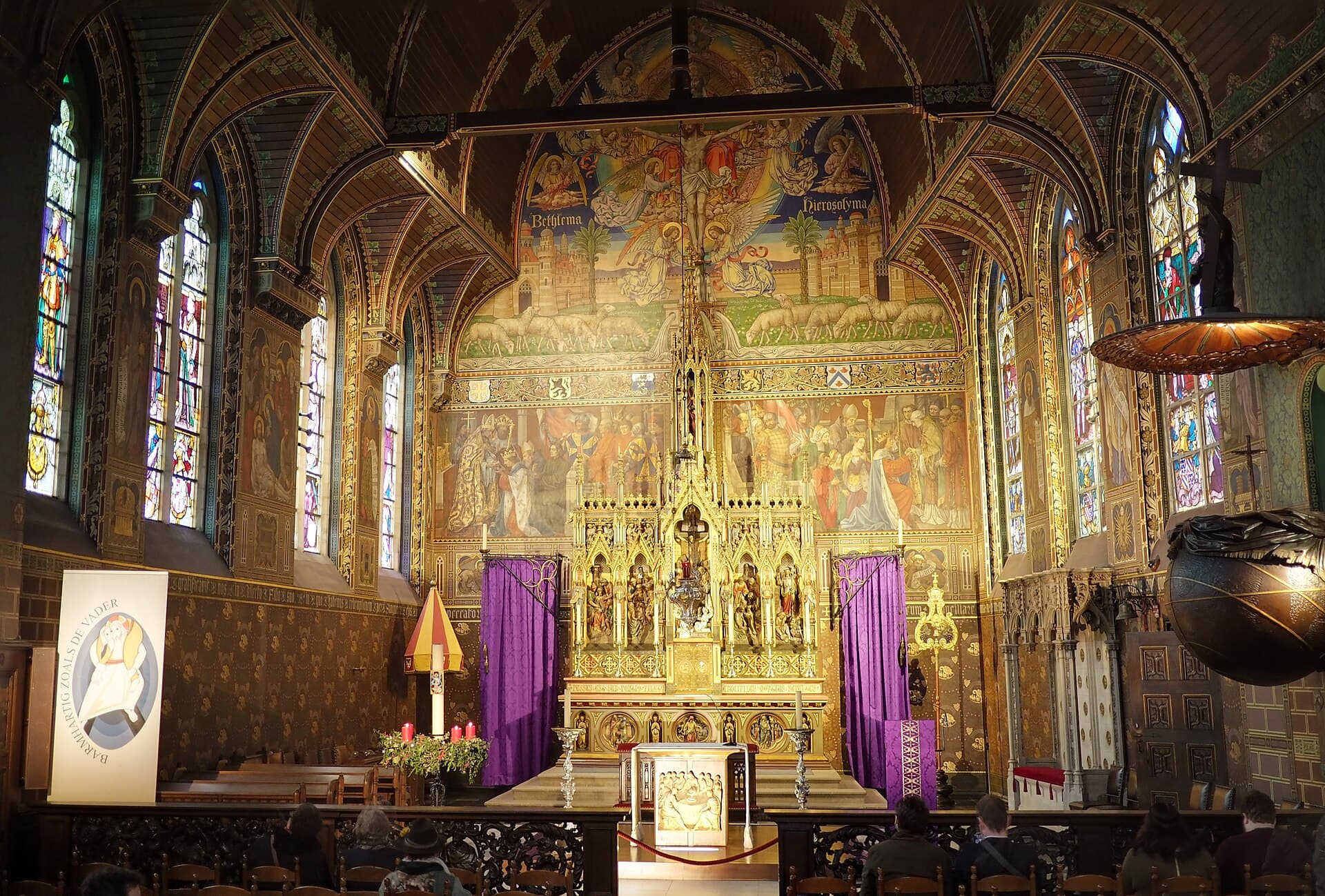 Basilica of the Holy BloodThe Basilica of the Holy Blood is two churches one above the other in a corner o1 minute walk4.7
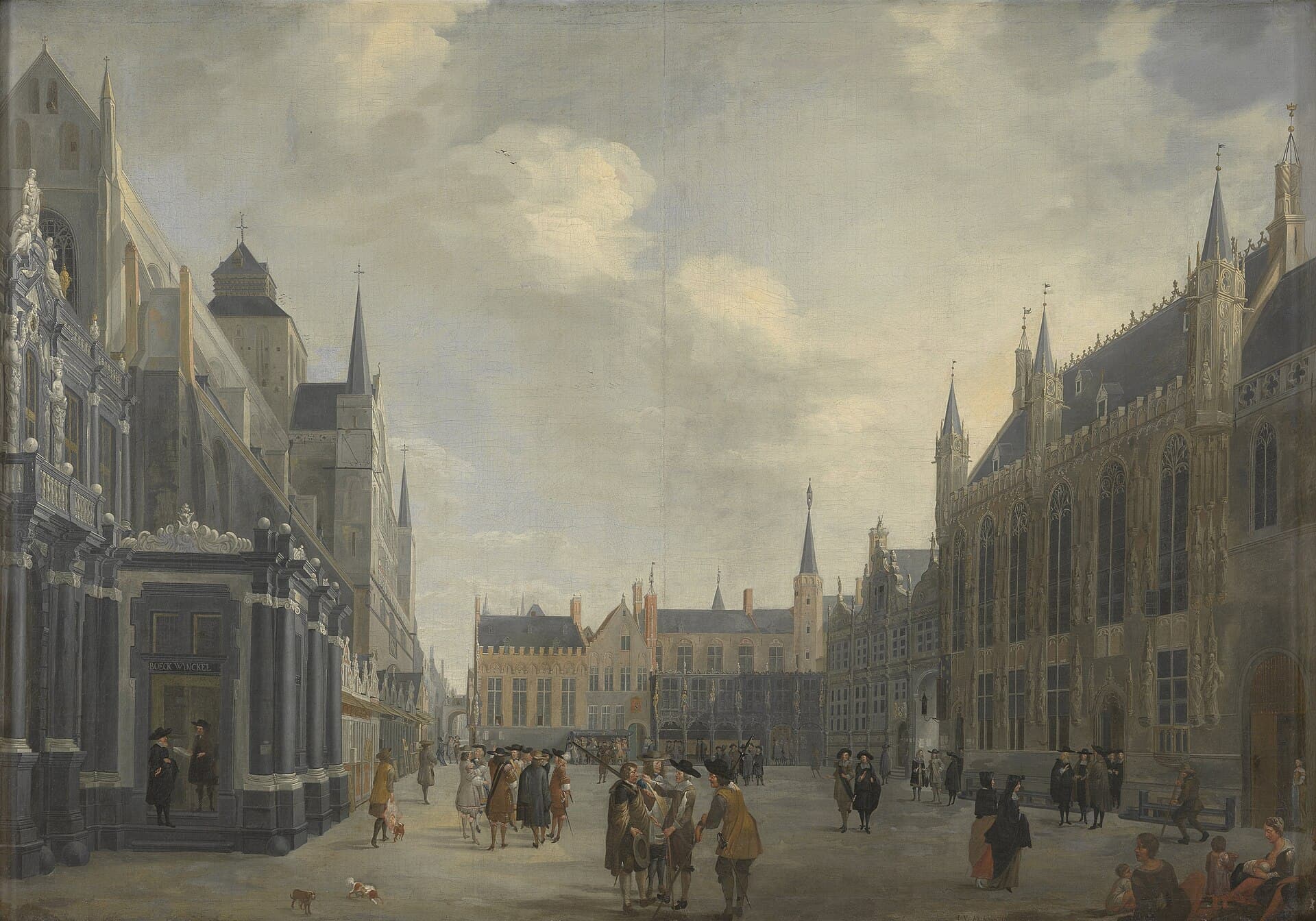 Burg SquareThe Burg is Bruges' second and oldest square: here the Count of Flanders built h1 minute walk4.8
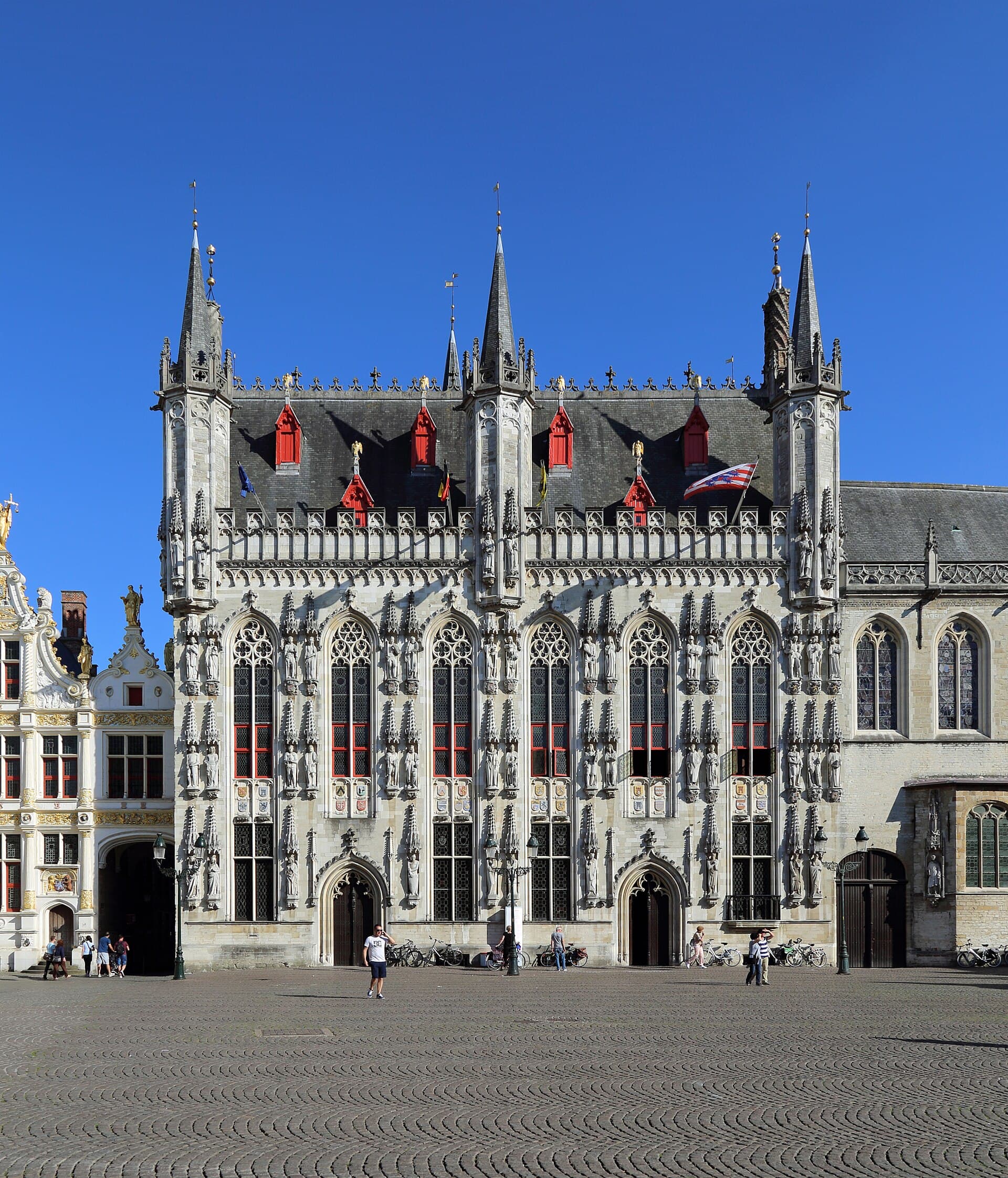 Bruges City HallBruges' City Hall is among the oldest town halls in the Low Countries (1376–14211 minute walk4.5
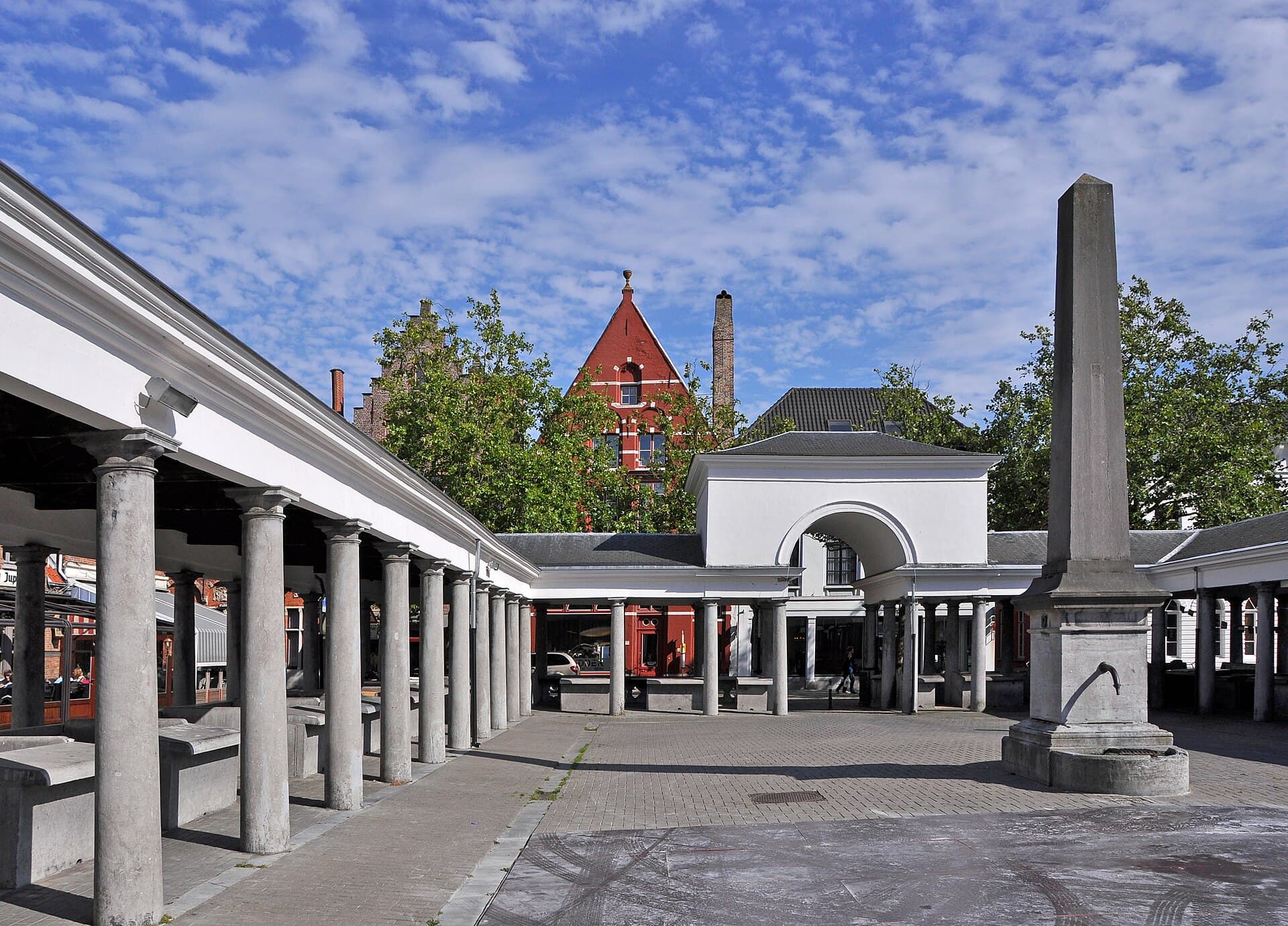 Vismarkt (Fish Market)A colonnaded market square in central Bruges, built in 1821 to move the fish tra1 minute walk4.1
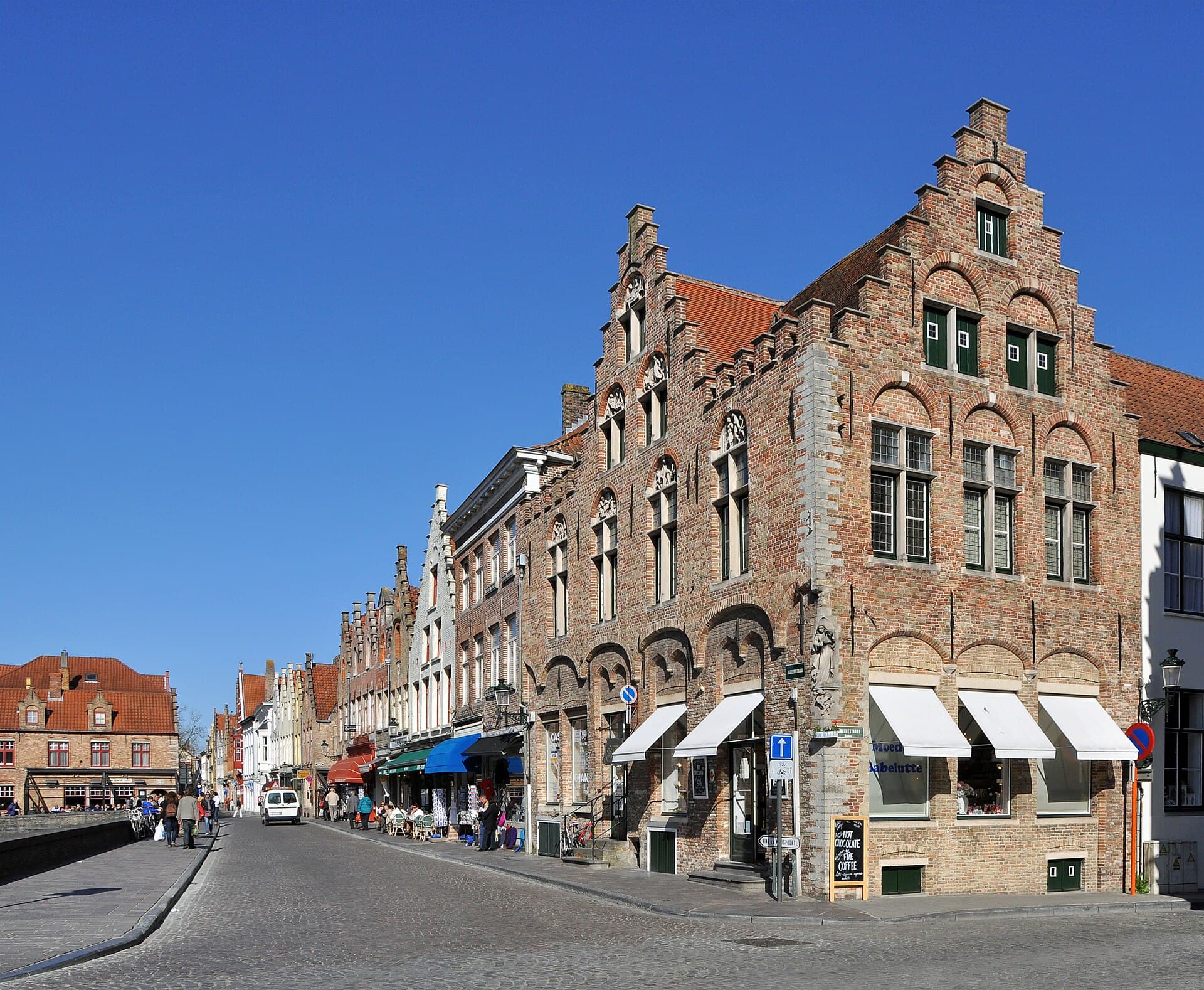 RozenhoedkaaiThe Rozenhoedkaai ("Rosary Quay") is Bruges' most famous and most photographed v2 minutes walk4.7
A large rural district around Bruges that governed itself with its own administration and courts, independent of the city's authority. That split between city and countryside lasted centuries and was a recurring source of conflict, and this building is what survives of its institutions.
If it is included in a combined ticket with the city hall, yes without hesitation. As a standalone ticket the display is one room, and the decision rests on your interest in wood carving and Flemish political history.