
Functional architecture, still working
Stone tables under an arcade, made to be washed and kept cool — rarely still in use.
Marc Ryckaert (MJJR) — CC BY 3.0 · Marc Ryckaert — CC BY-SA 4.0 · CHRISVANSASSENBROECK — CC BY-SA 4.0 · Marc Ryckaert — CC BY-SA 4.0
A colonnaded market square in central Bruges, built in 1821 to move the fish trade out of the Burg Square and into a dedicated place away from the city's formal centre. The design is entirely practical: rows of stone tables under an open arcade, made to be washed down and to stay cool. This kind of functional nineteenth-century architecture rarely survives in working order, and here some traders still sell fish on set days. On the other days the square holds craft stalls, small traders and cafés, and has become a public space more than a market. It sits minutes from the Rozenhoedkaai, the most photographed spot in Bruges, and on the walking route between the Burg and the southern quarter. The visit is a few free minutes, folded into a walk rather than sought out on its own.
Stone tables under an arcade, made to be washed and kept cool — rarely still in use.
Built deliberately to take the fish trade out of the city's formal square.
Selling happens on set mornings; otherwise the square is stalls or empty.
Vismarkt, historic centre of Bruges
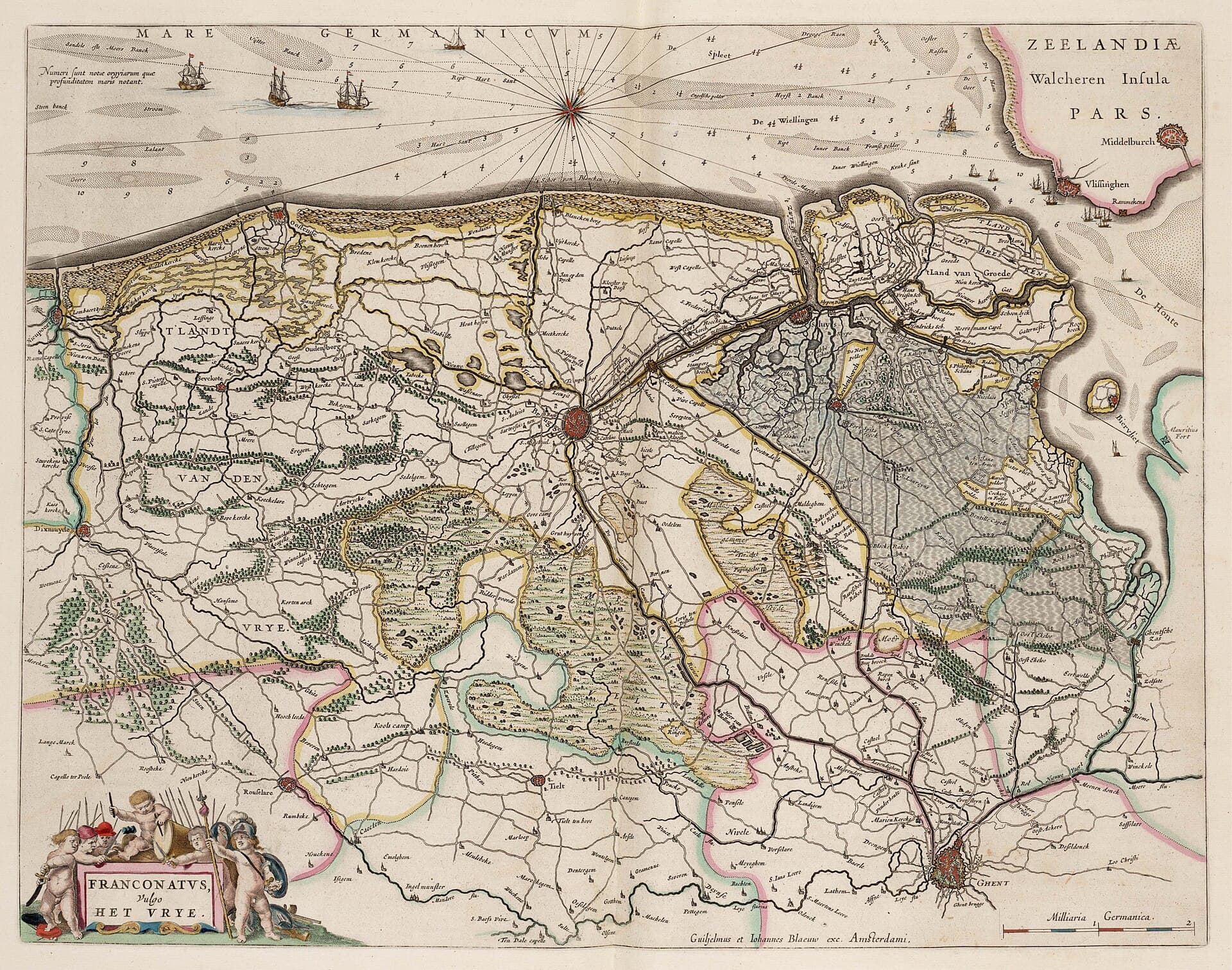 Brugse Vrije PalaceA building on the Burg Square that served as the seat of the Brugse Vrije, a lar1 minute walk4.4
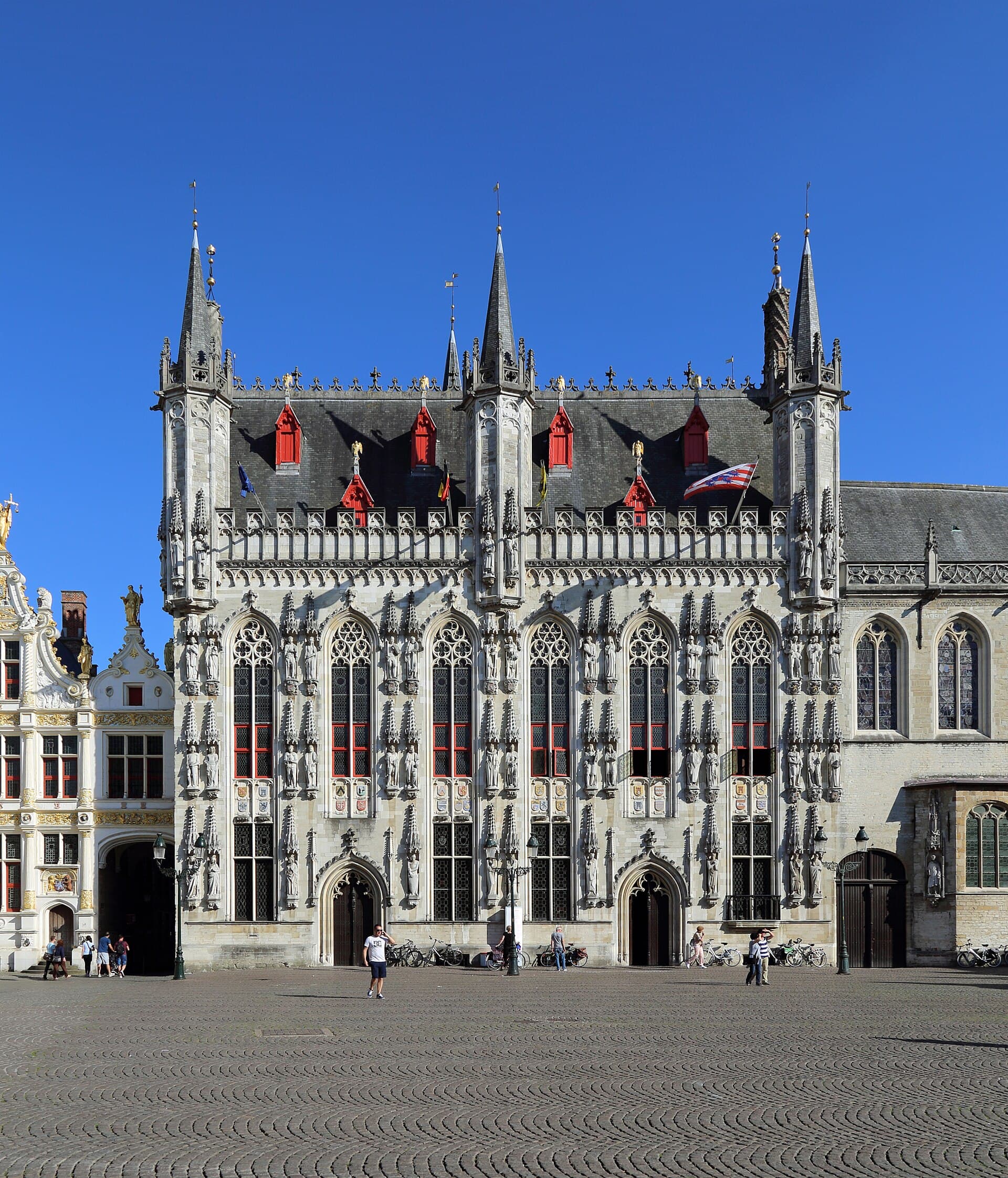 Bruges City HallBruges' City Hall is among the oldest town halls in the Low Countries (1376–14211 minute walk4.5
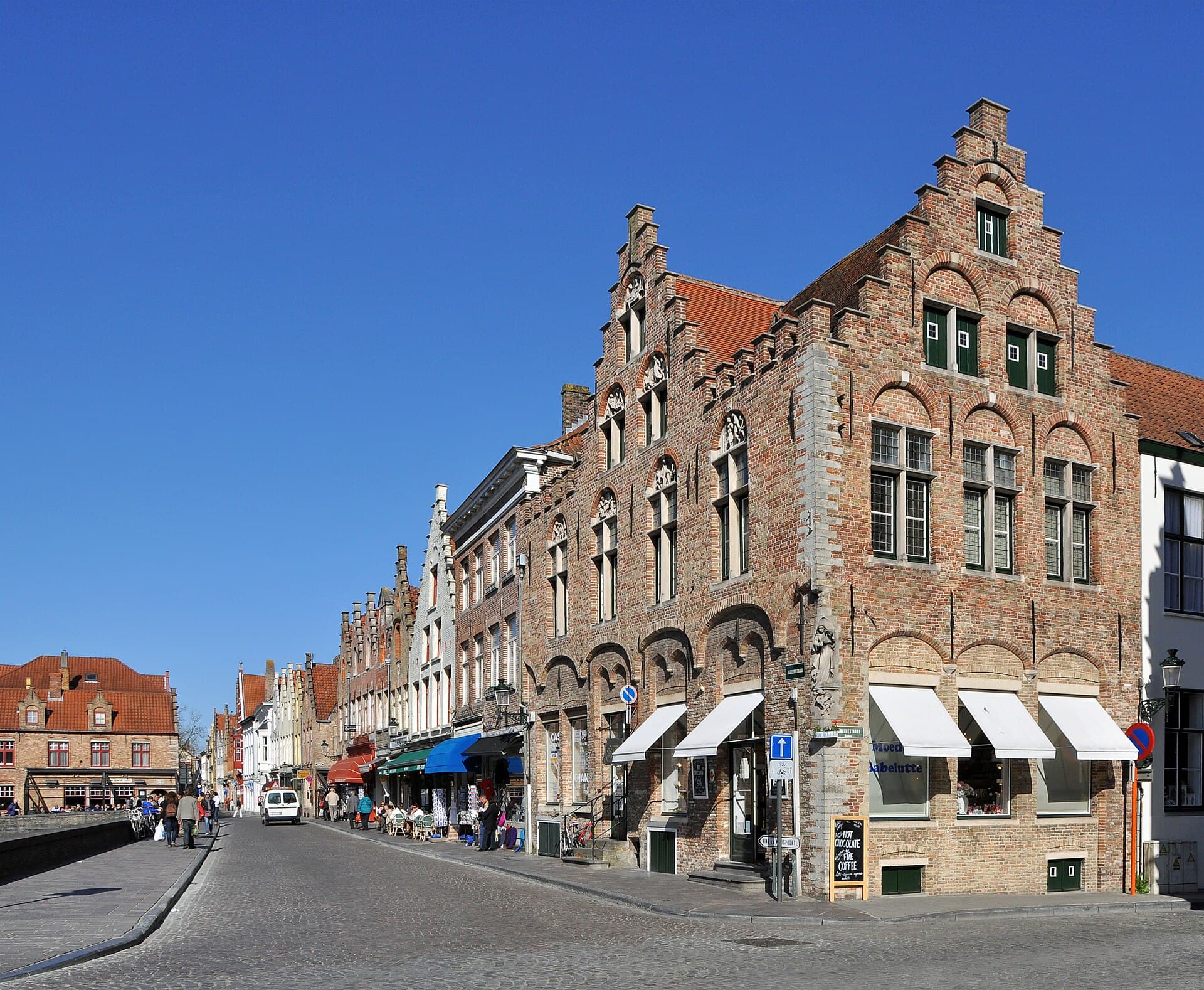 RozenhoedkaaiThe Rozenhoedkaai ("Rosary Quay") is Bruges' most famous and most photographed v1 minute walk4.7
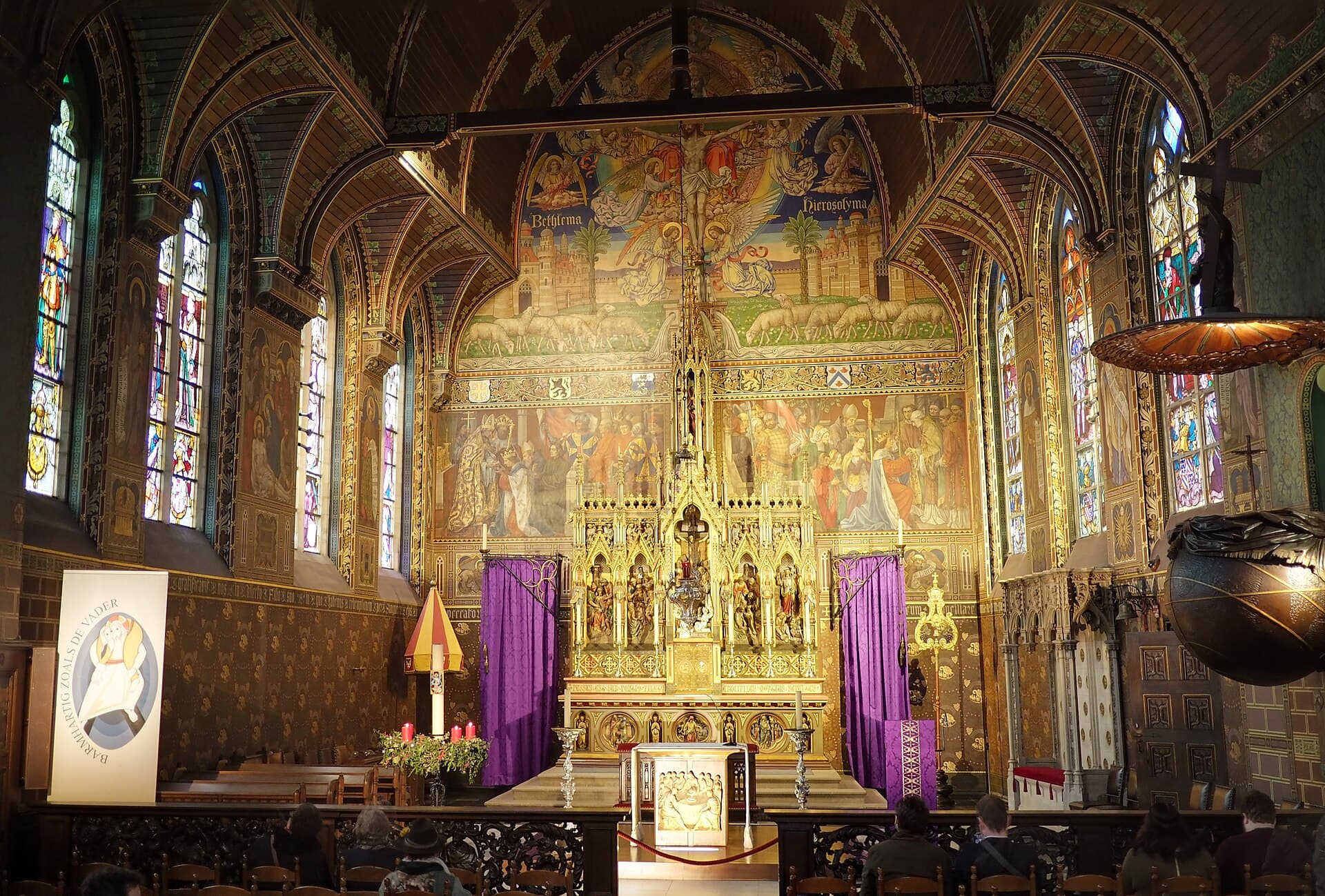 Basilica of the Holy BloodThe Basilica of the Holy Blood is two churches one above the other in a corner o1 minute walk4.7
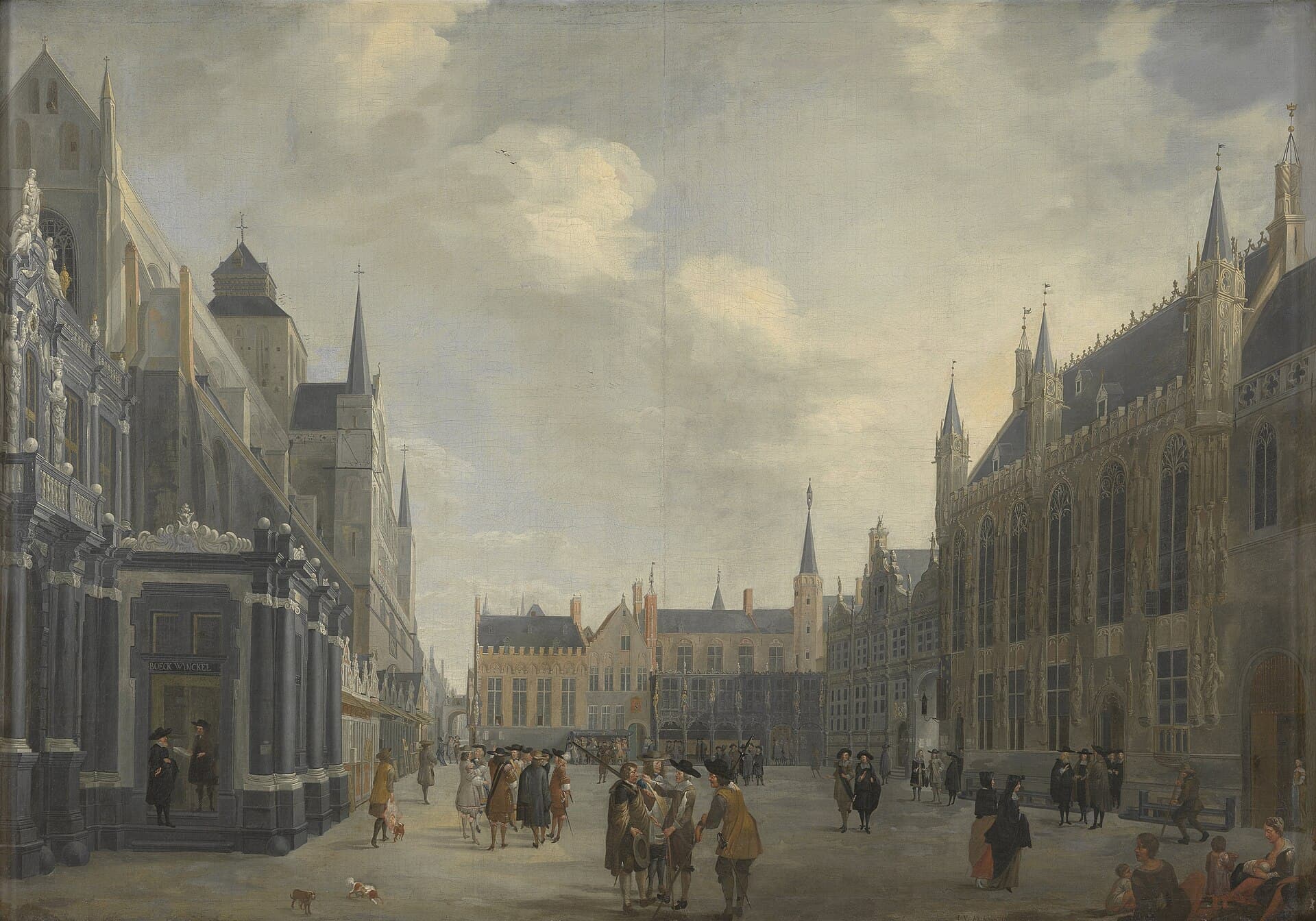 Burg SquareThe Burg is Bruges' second and oldest square: here the Count of Flanders built h2 minutes walk4.8
On set weekday mornings, when fish traders work the stone tables. Outside those times you will find craft stalls or an architecturally handsome but inactive square. Ask at the visitor centre for the market days if that is your reason for coming.
The Rozenhoedkaai is minutes away and is the most famous view in Bruges, and the Burg Square with the city hall and Basilica of the Holy Blood is close too. The three sit on one short walking line through the heart of the city.