
The Roman fort
The castra foundations Utrecht was born from in 50 AD.
CumulusNL — CC BY-SA 3.0 · Victor van Werkhooven — CC BY-SA 3.0 · Victor van Werkhooven — CC BY-SA 3.0
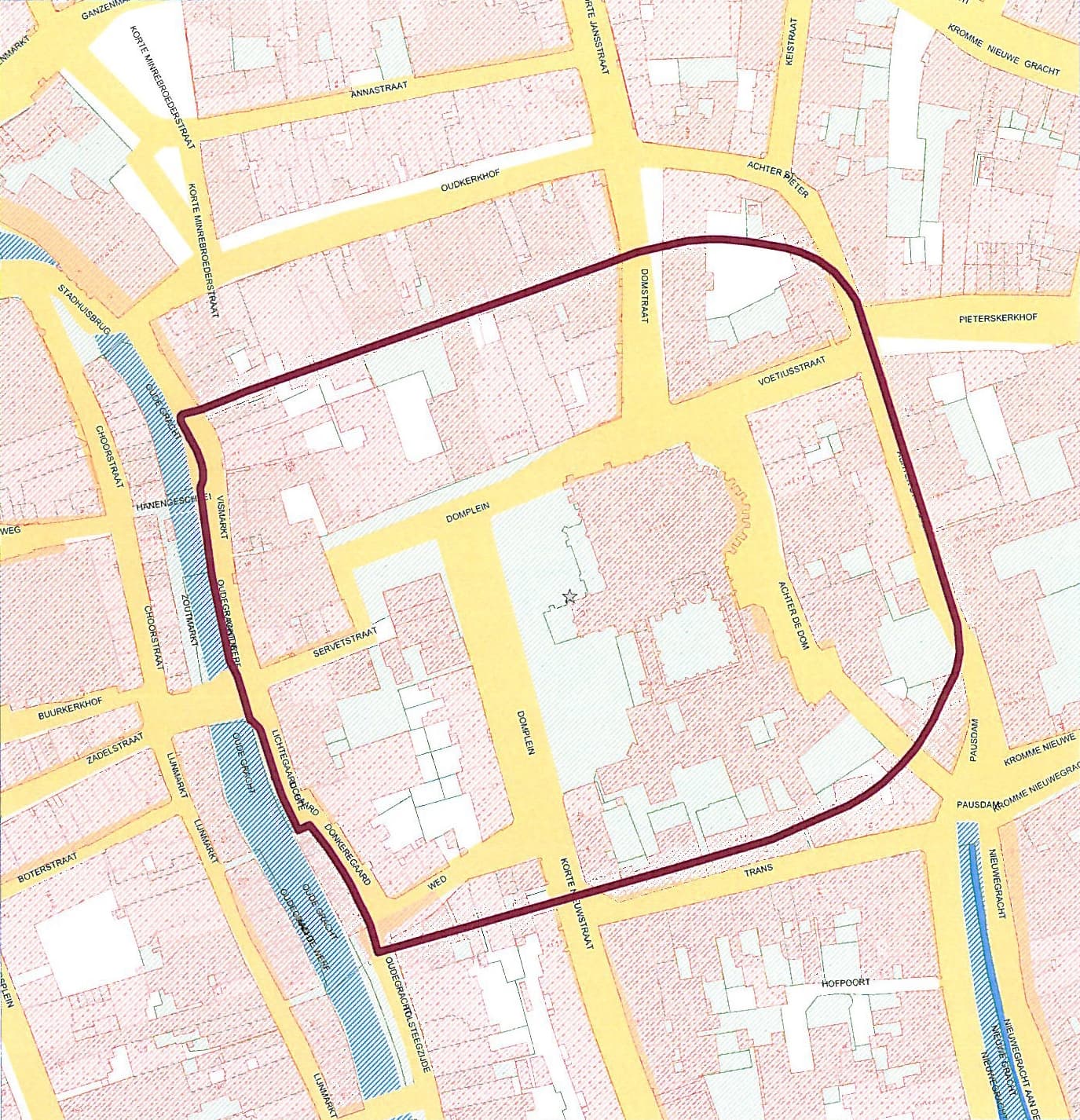
DOMunder is an archaeological experience beneath Domplein itself: you descend underground to walk among two thousand years of Utrecht's layered history — from the Roman fort (castra) that founded the city in 50 AD, to the Gothic cathedral, to the ruins of the nave the 1674 tornado destroyed — all preserved under the square where recent excavations found them. The tour is inventive: each visitor carries a smart flashlight that lights the artefacts and triggers their explanations as you move through the dark — you discover for yourself rather than being led. An interactive experience joining Roman and medieval history in one place beneath the city's feet. By booked guided tour only, right on Domplein — it completes the story of the tower and church from its deepest angle: how Utrecht began.
The castra foundations Utrecht was born from in 50 AD.
Remains of the cathedral the 1674 tornado destroyed, underground.
Interactive discovery in the dark, unlike any museum.
Domplein 4, 3512 Utrecht
 Castellum TraiectumMarkers set into the paving of Utrecht's Domplein tracing the outline of the Rom1 minute walk4.1
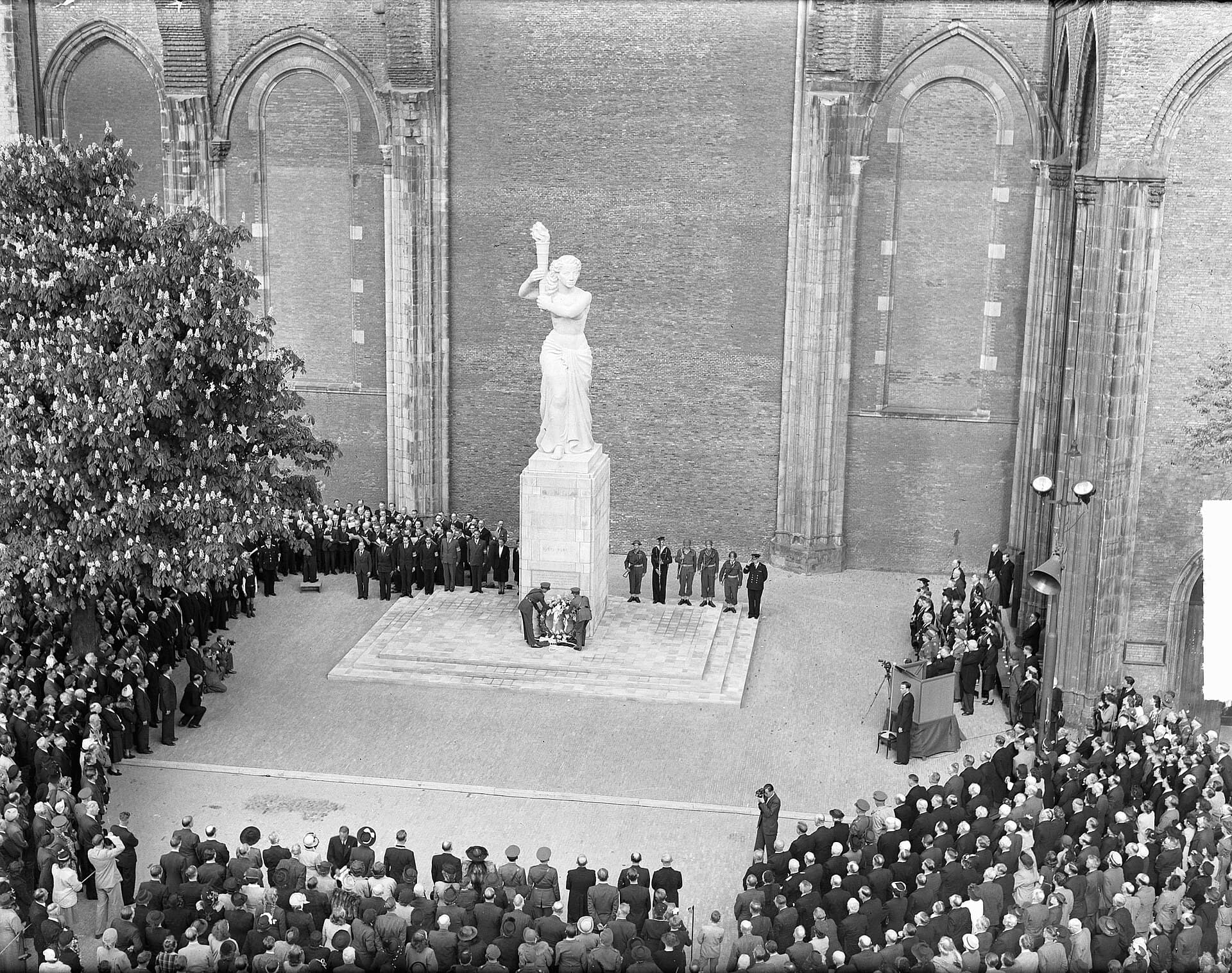 Resistance MonumentA monument to the resistance against Nazi occupation in Utrecht, standing near t1 minute walk4.6
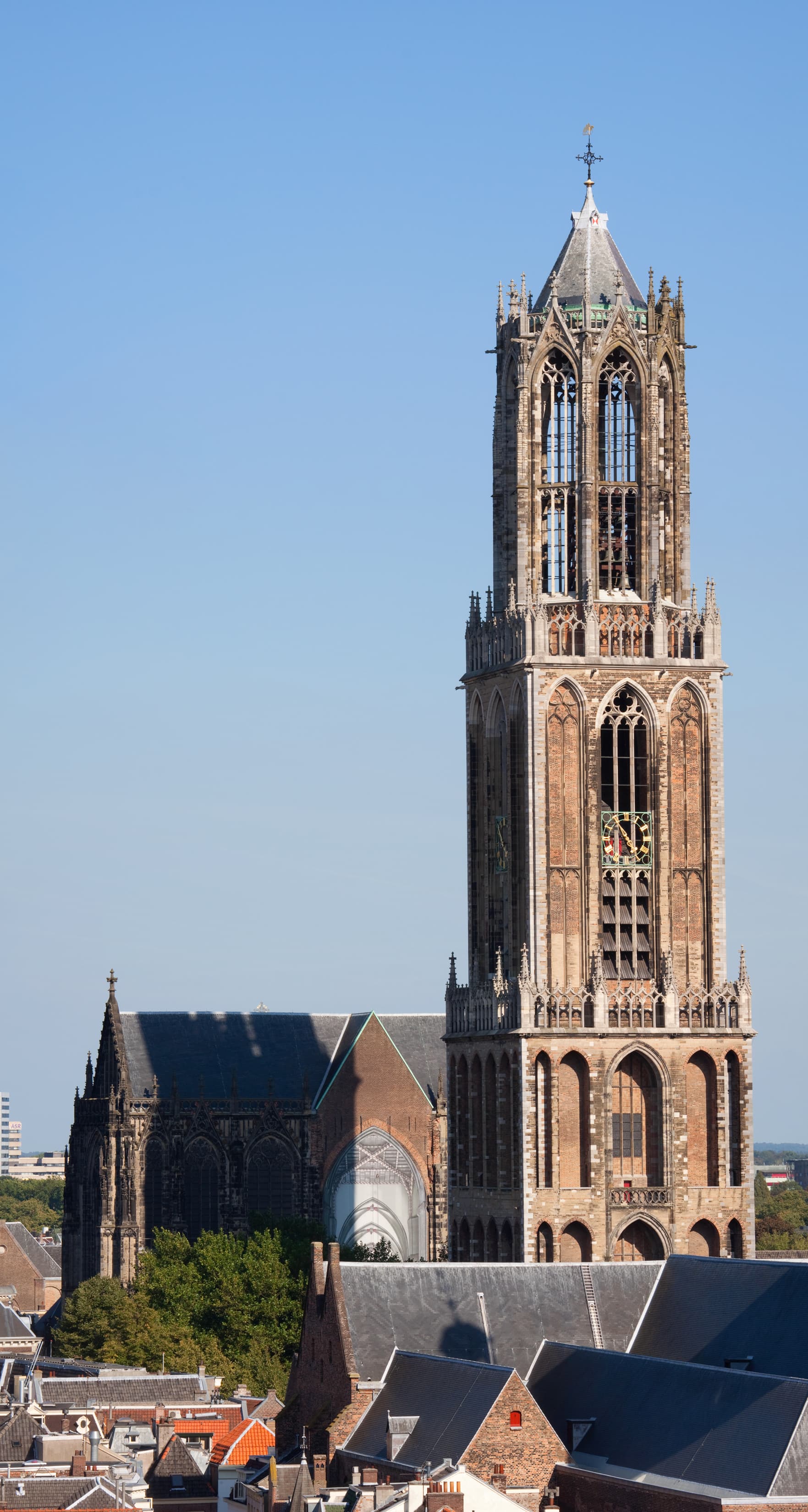 Dom TowerThe Dom Tower is the tallest church tower in the Netherlands (112 metres) and Ut1 minute walk4.4
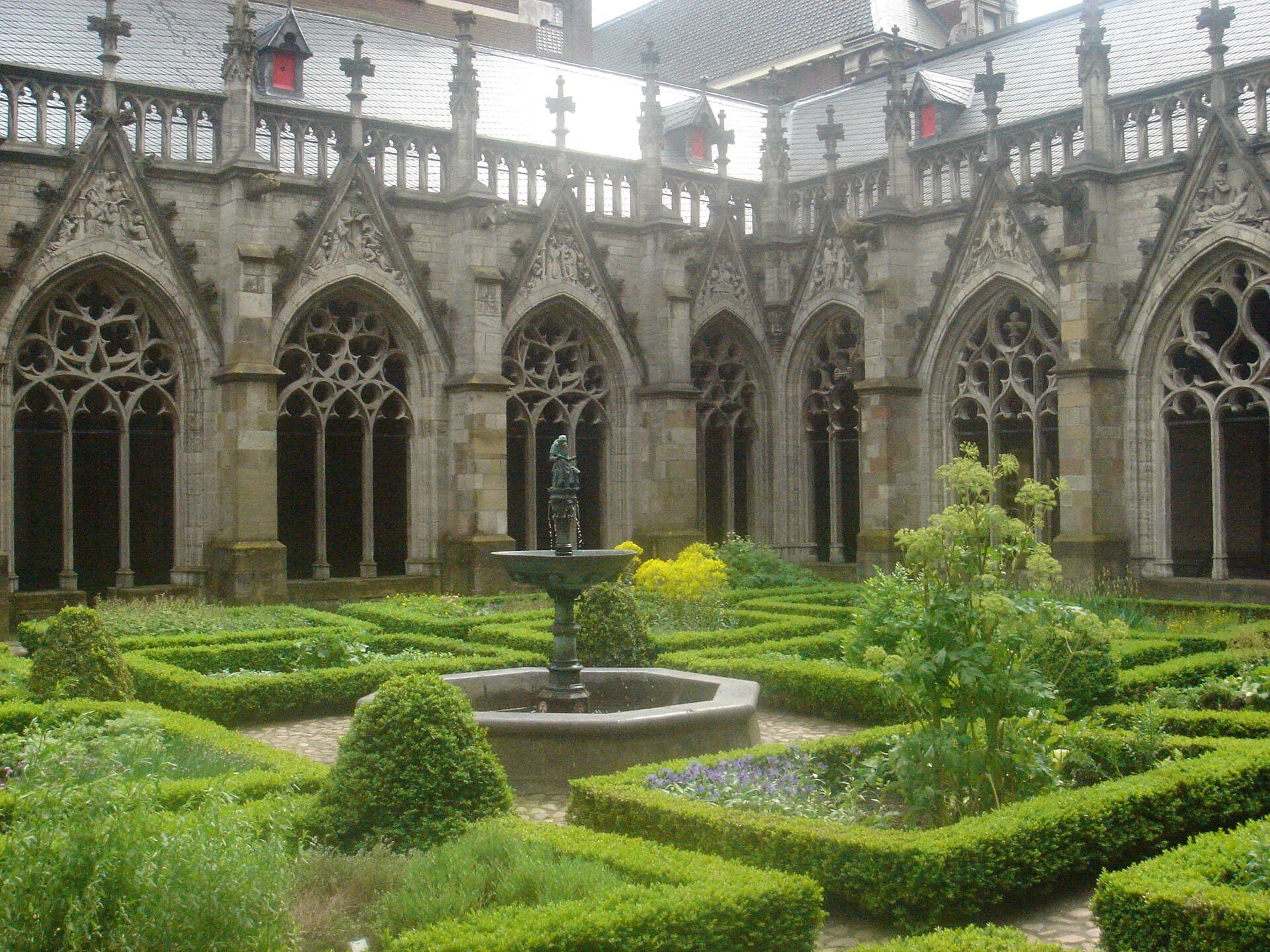 Pandhof GardenThe Pandhof is the Gothic cloister garden adjoining the Dom church — the lovelie1 minute walk4.8
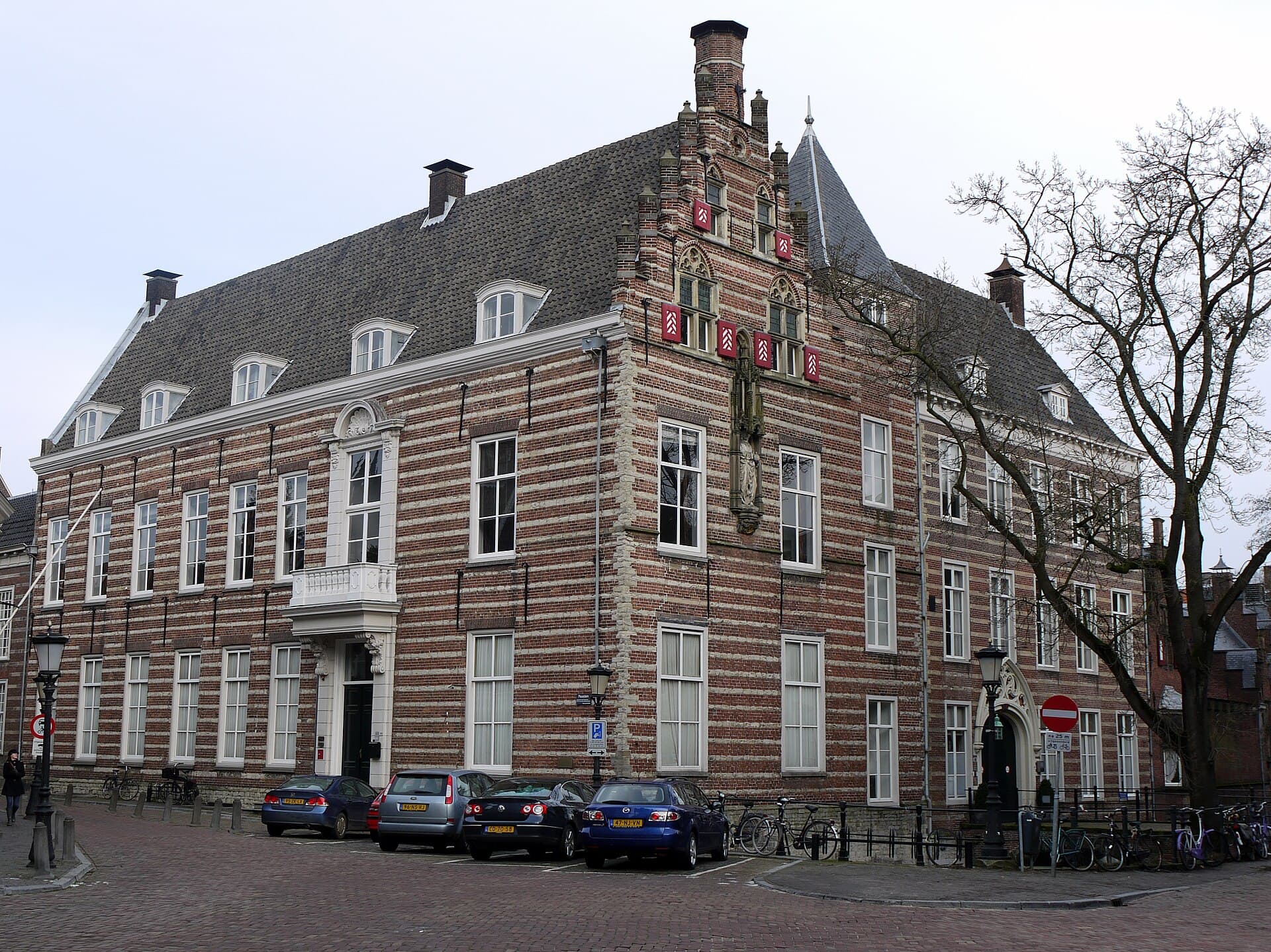 The Pope's HouseThe Paushuize, the Pope's House, is a town palace of 1517 in central Utrecht, bu2 minutes walk4.3
All three are on Domplein and complete each other: the tower lifts you above the city, the Pandhof is the surface oasis, DOMunder takes you below to Utrecht's Roman roots. Together they tell two thousand years vertically — sky, surface and underground in one square. For the history lover: the three make a full Utrecht morning.