
Two layers of stone
The 1811 wharf and the Empress Wharf.
Balou46 — CC BY-SA 4.0 · Wagner Tamanaha from Sao Paulo, Brazil — CC BY-SA 2.0 · Agência Brasil Fotografias — CC BY 2.0 · Maria Eduarda Araújo de Oliveira — CC0 · Caio Clímaco — CC BY-SA 4.0
Valongo Wharf looks like a patch of old paving stones exposed in Rio's port district, yet it is one of the weightiest places in the country: built in 1811, it was for twenty years the landing stage where enslaved Africans were brought ashore in Brazil, and between half a million and a million people are thought to have arrived through it before the Atlantic slave trade was banned in 1831. In 1843 the wharf was paved over and rebuilt to receive Princess Teresa Cristina, bride of Emperor Pedro II, taking the name «Empress Wharf», and then lay buried under landfill for a century and a half. It was uncovered in 2011 during the port renewal works, showing both layers of stone, and archaeologists found thousands of everyday objects around it. UNESCO inscribed it as a World Heritage Site in 2017 as the most important physical trace of the arrival of enslaved Africans in the Americas. The site is an open, free square with information panels, at the heart of the area called «Little Africa», where descendants of freed people lived and samba took shape. It is about a ten-minute walk from Praça Mauá and the Museum of Tomorrow.
The 1811 wharf and the Empress Wharf.
The district of Afro-Brazilian memory.
Ten minutes on foot.
Avenida Barão de Tefé, port district (Gamboa), Rio de Janeiro
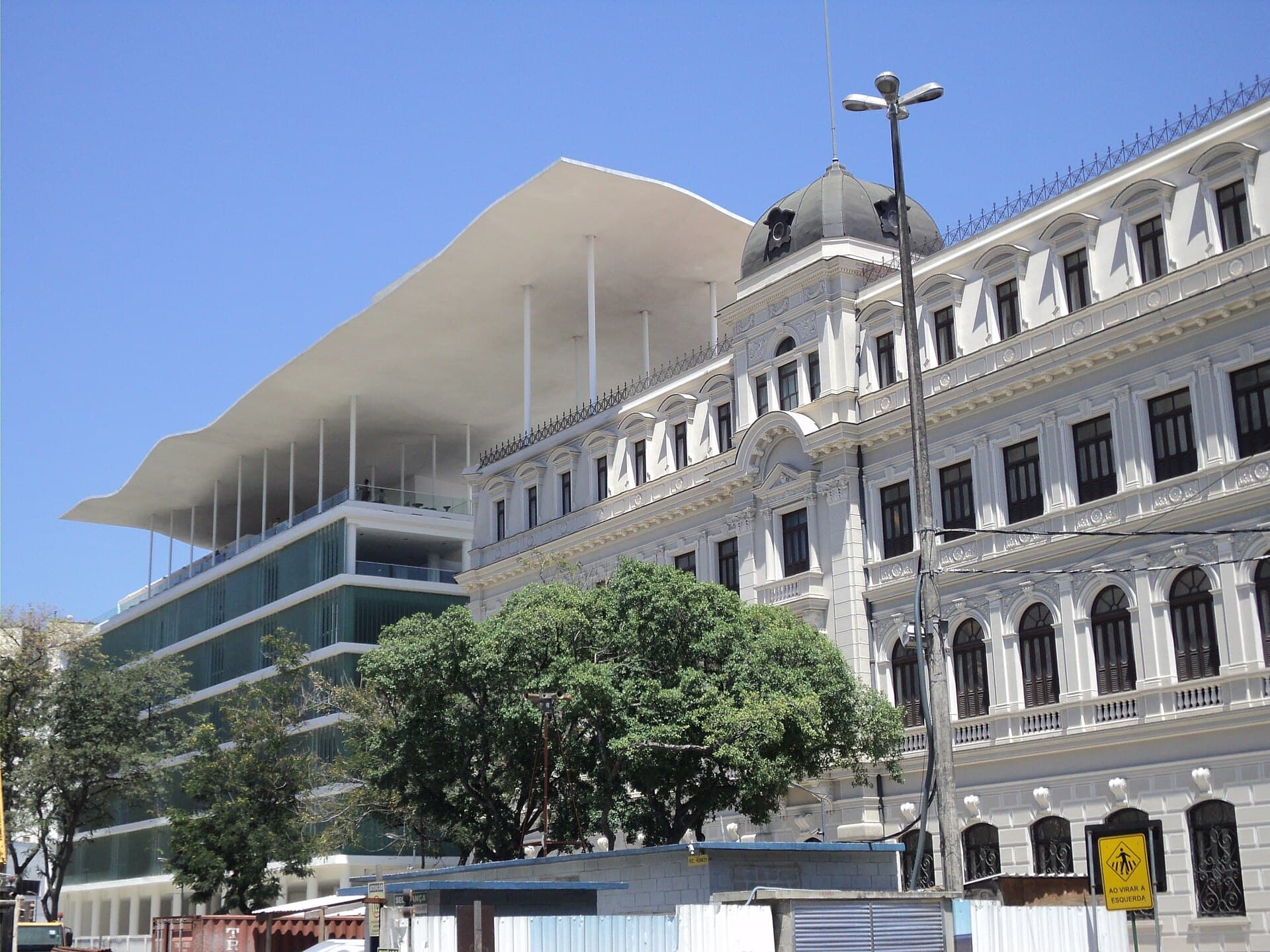 Museu de Arte do Rio (MAR)The Museu de Arte do Rio, known by its initials MAR, opened on 1 March 2013 on P7 minutes walk4.8
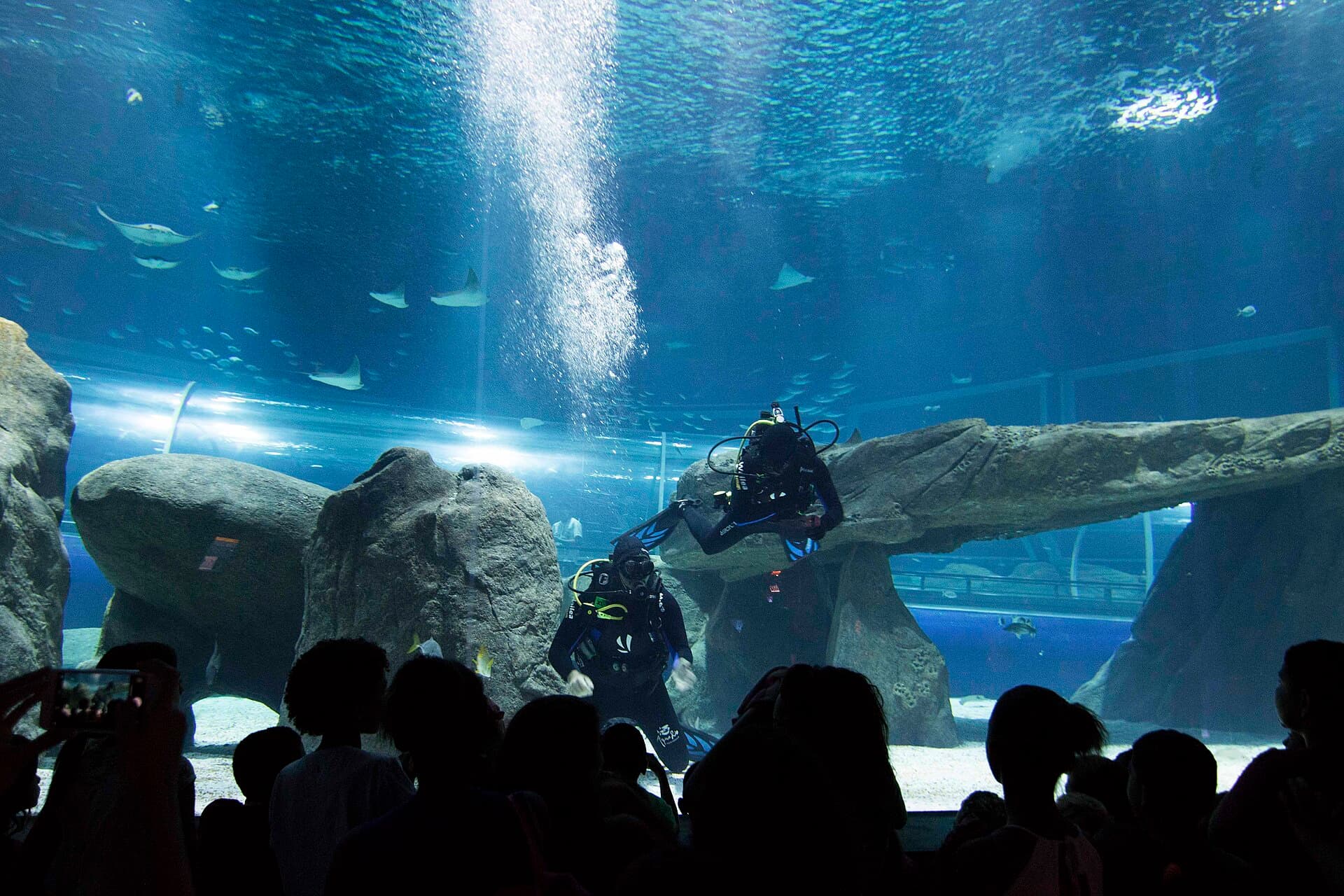 AquaRioAquaRio, the Marine Aquarium of Rio de Janeiro, opened on 31 October 2016 in Gam8 minutes walk4.4
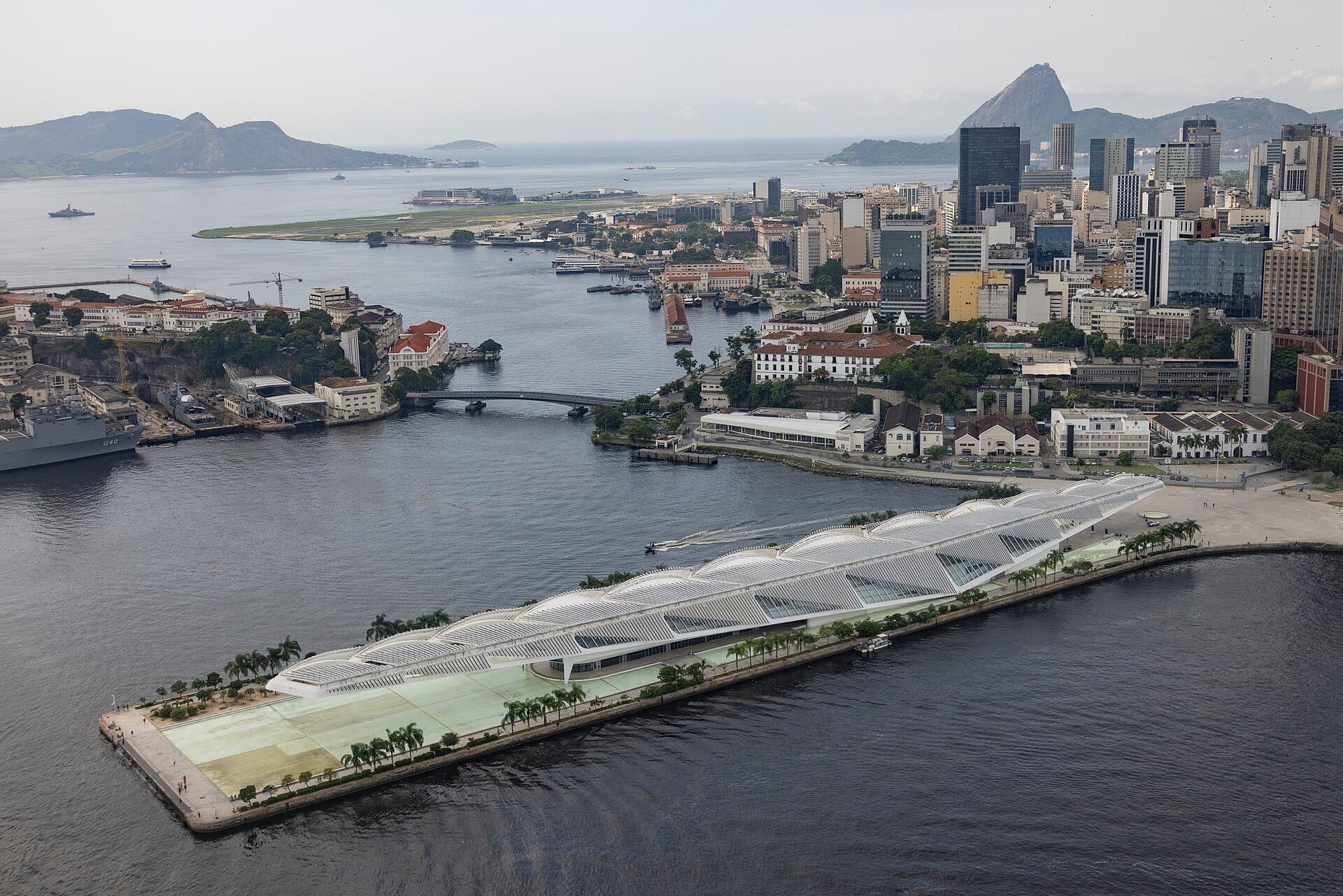 Museum of TomorrowThe Museum of Tomorrow, Museu do Amanhã, is a science museum designed by the Spa11 minutes walk4.6
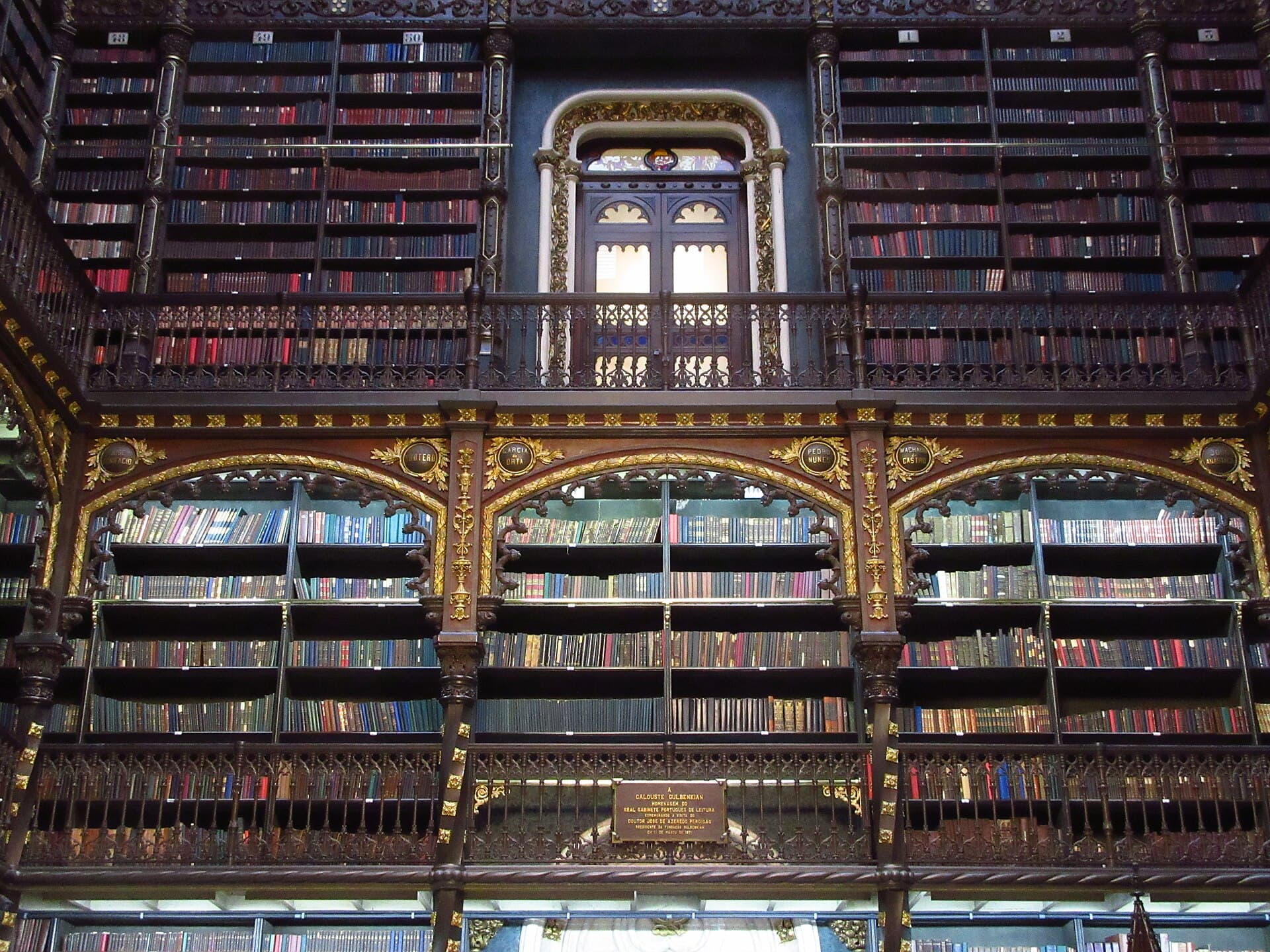 Royal Portuguese Cabinet of ReadingThe Royal Portuguese Cabinet of Reading, the Real Gabinete, is one of the most b14 minutes walk4.9
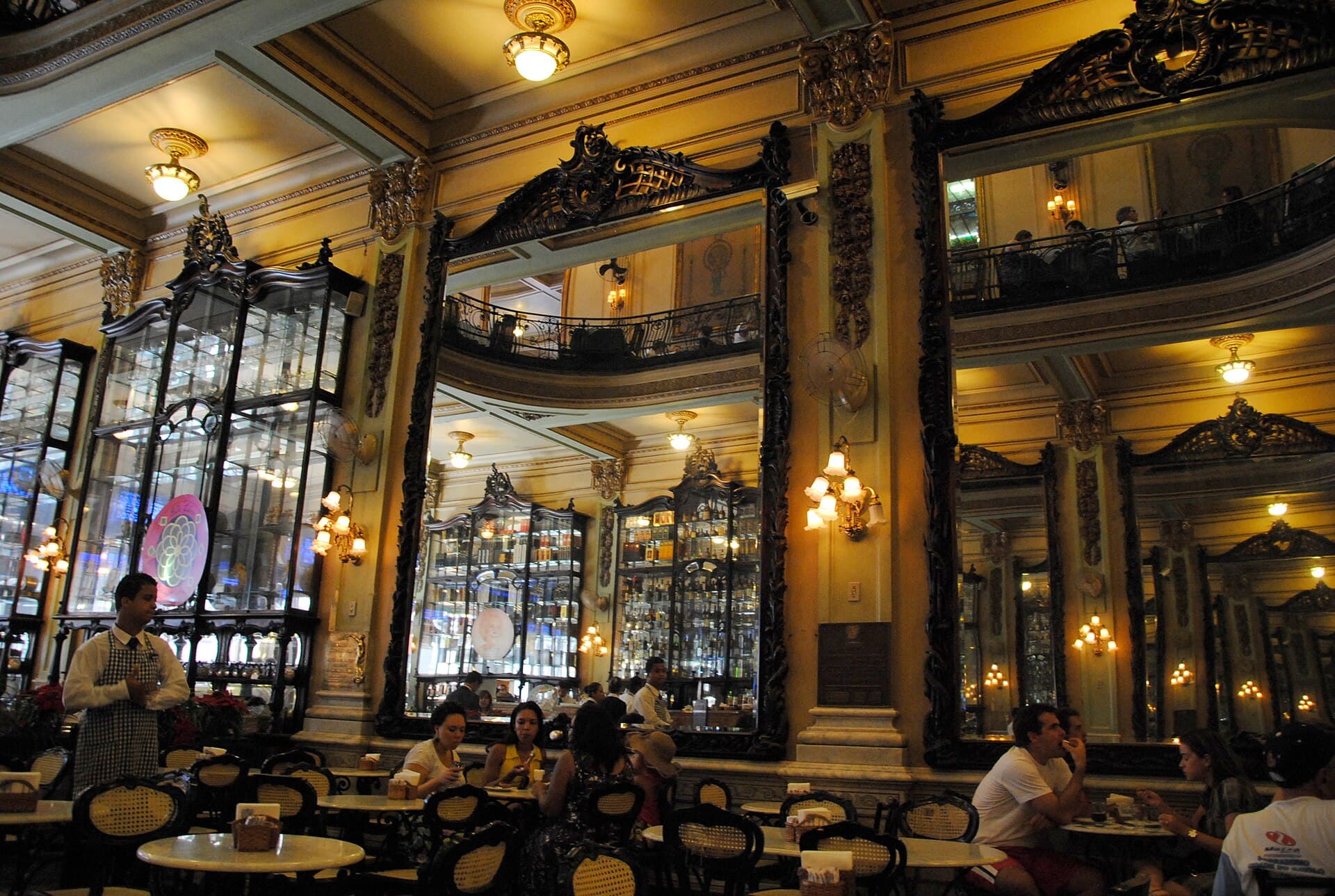 Confeitaria ColomboConfeitaria Colombo is a historic café and pastry shop in central Rio, founded b16 minutes walk4.3
It is the most important surviving physical trace of the arrival of enslaved Africans in the Americas; between half a million and a million people passed through it from 1811 to 1831.