
Agoutis
Among the visitors.
Filipo Tardim — CC BY-SA 4.0 · RapWiki132 — CC BY-SA 4.0 · Thayane Laranja — CC BY-SA 4.0 · Luis Alvaz — CC BY-SA 4.0 · RapWiki132 — CC BY-SA 4.0 · Núcleo de digitalização / IMS — Public domain
Campo de Santana is the park in Praça da República in central Rio, near the spot where Brazil was declared a republic on 15 November 1889, which gave the square its name. In colonial times the area was a vast swamp, gradually filled in to become an open space between town and countryside; it took the name «Campo de Santana» in 1753 after a church later demolished for Brazil's first urban railway station, whose site is now Central do Brasil. The square became a park in the romantic English style in the late 19th century, with winding paths, small lakes, artificial grottoes and huge trees. Its best-known residents are the agoutis, brown rodents that roam freely among visitors, along with peacocks and other birds. Historic buildings surround it, among them the Count of Arcos Palace, seat of the Senate for nearly a century, and the old Mint, now the National Archive. Entry is free, it opens in the daytime, and it makes a calm break amid downtown's bustle, a few steps from Central station.
Among the visitors.
Romantic style.
The old Senate.
Praça da República, near Central do Brasil station, central Rio de Janeiro
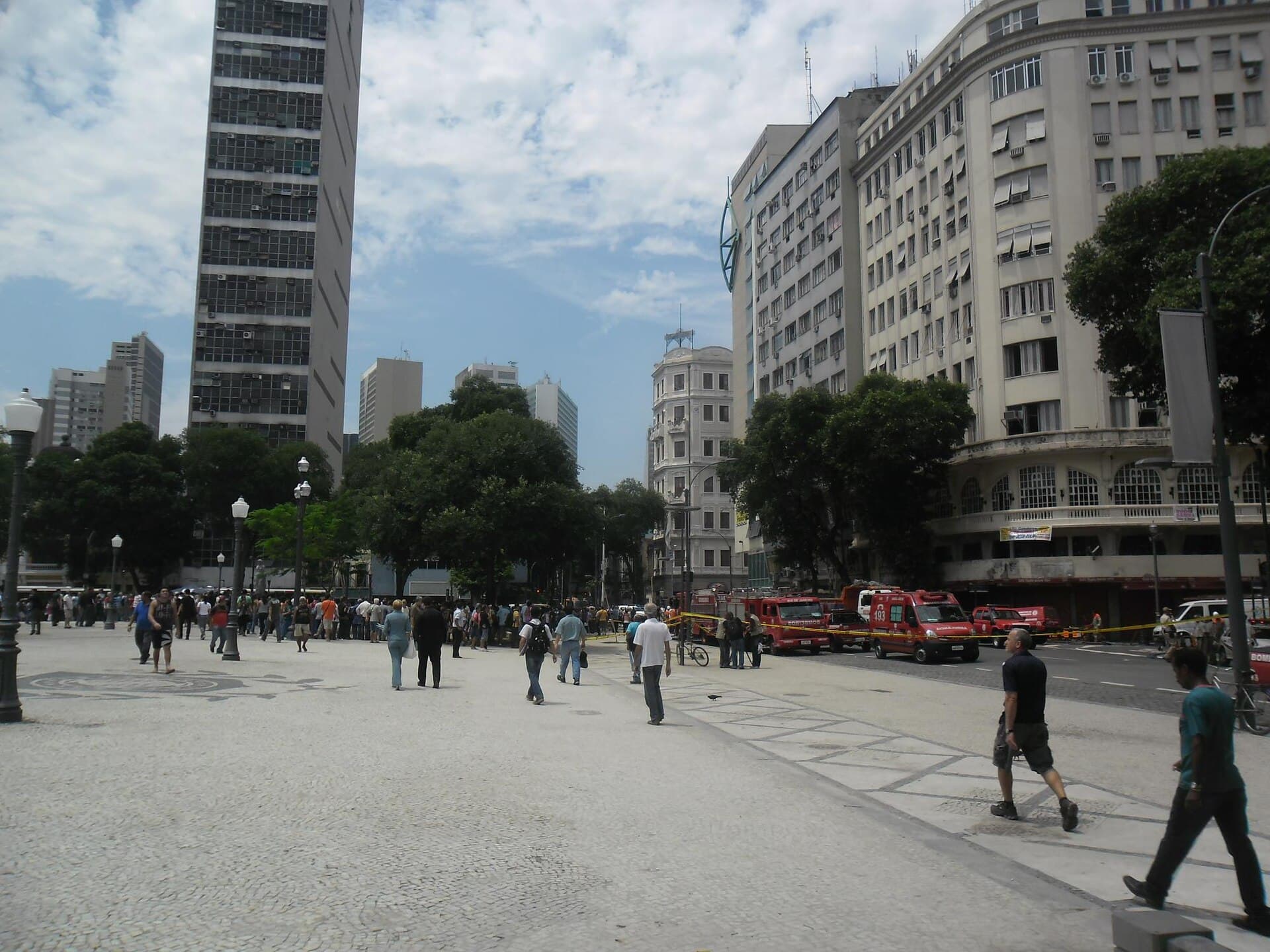 Praça TiradentesPraça Tiradentes is one of Rio's oldest squares, carved out of the «Campo de São8 minutes walk
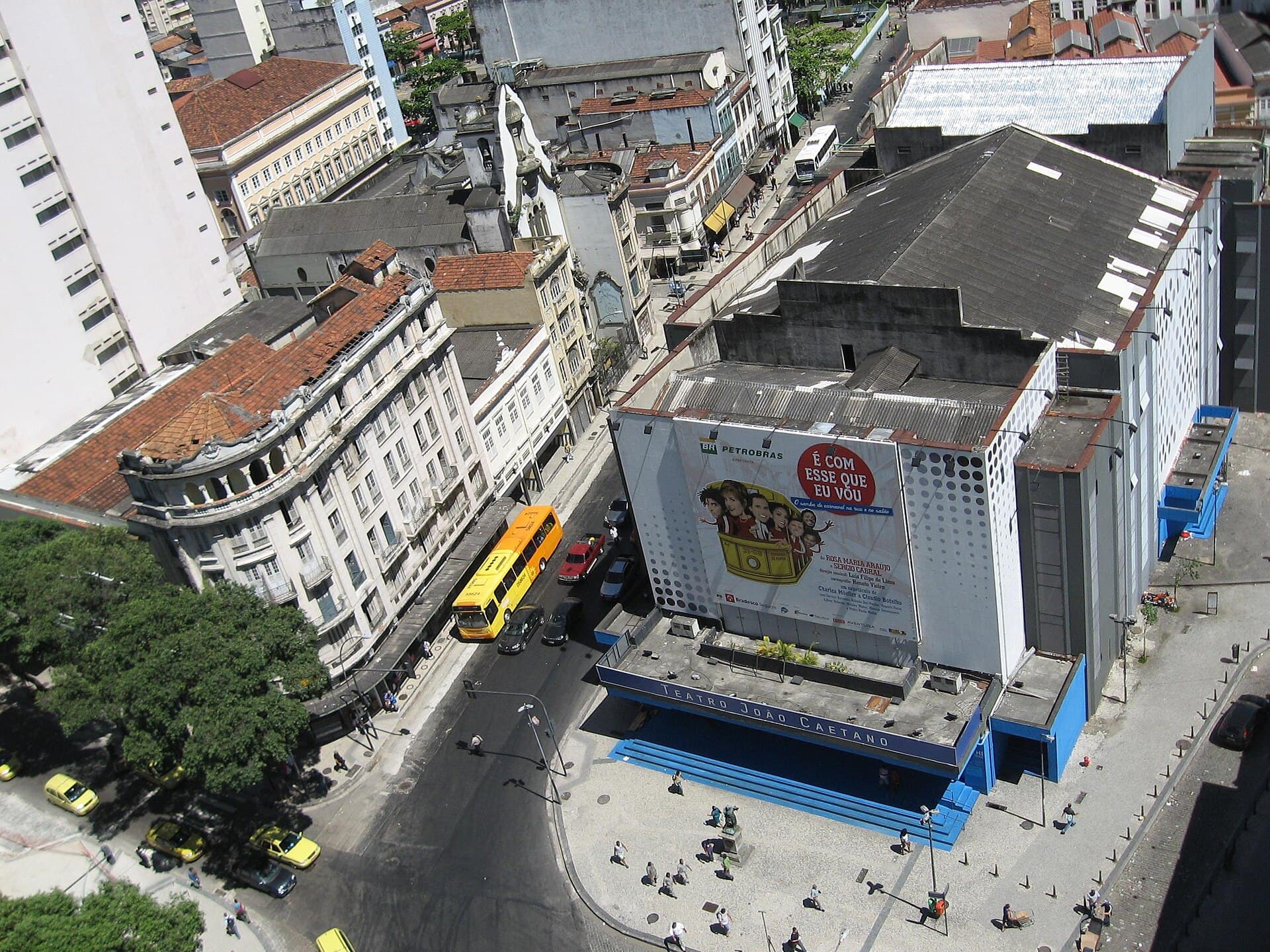 Teatro João CaetanoThe João Caetano Theatre is Rio de Janeiro's oldest playhouse, opened by King Jo8 minutes walk4.7
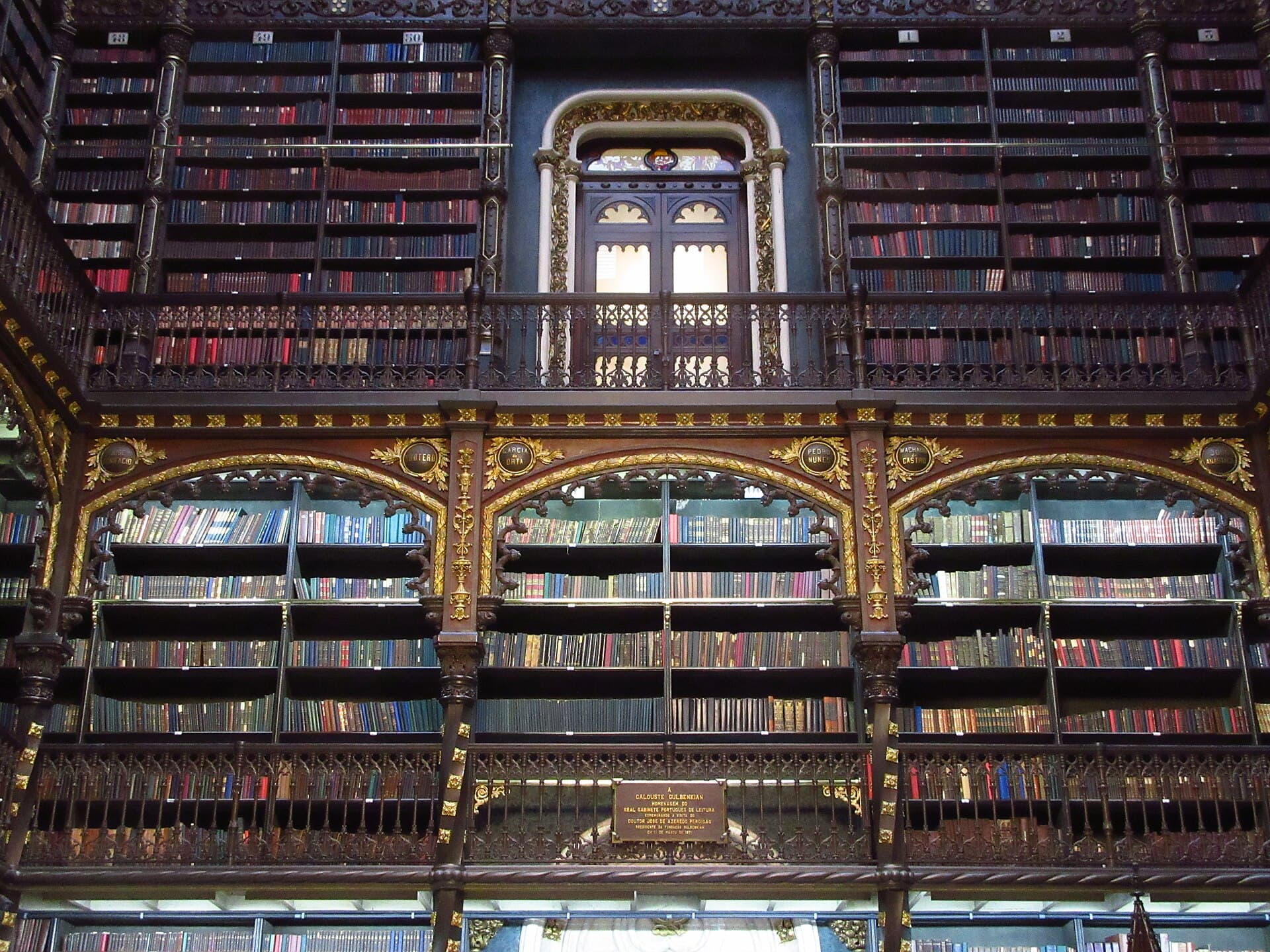 Royal Portuguese Cabinet of ReadingThe Royal Portuguese Cabinet of Reading, the Real Gabinete, is one of the most b8 minutes walk4.9
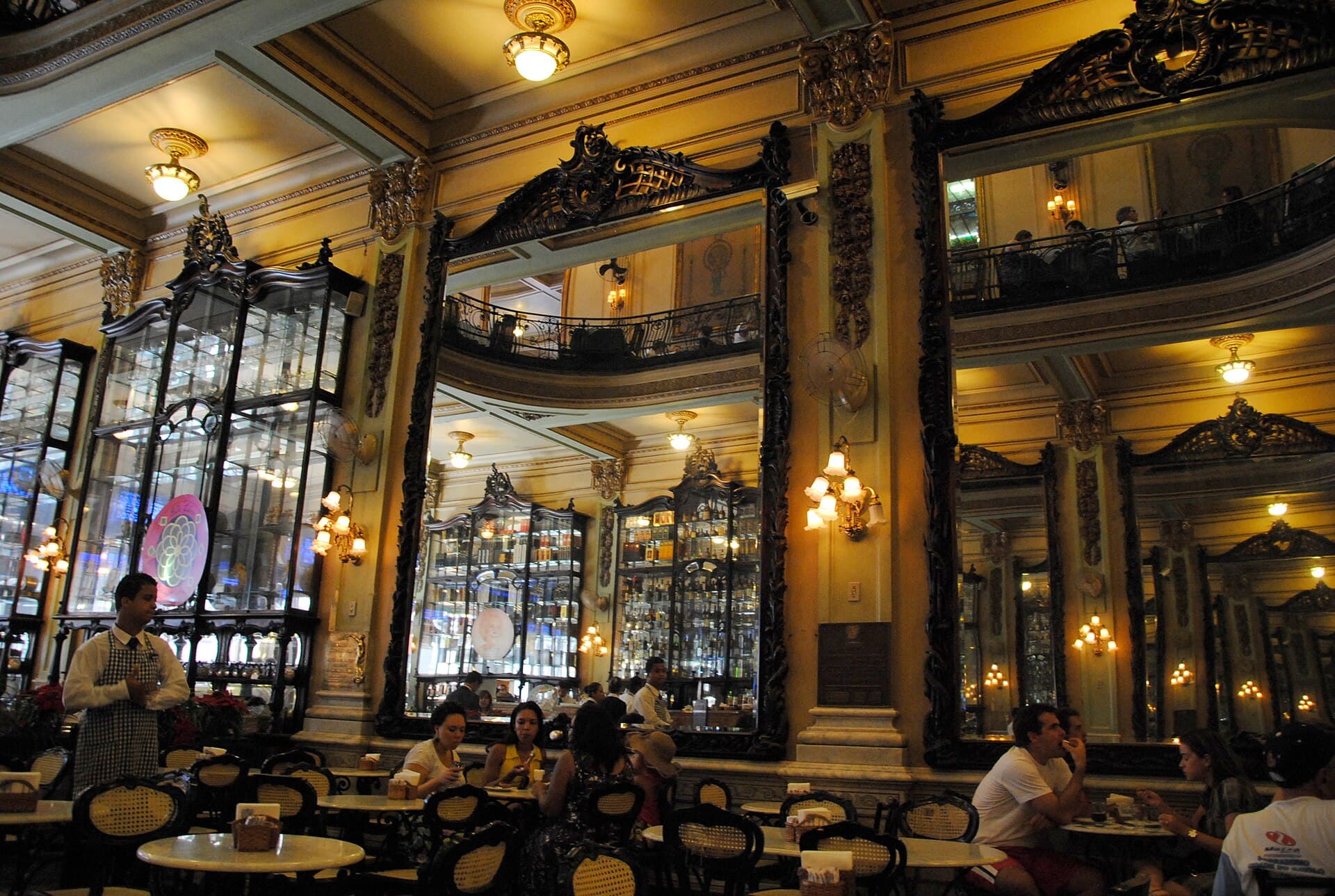 Confeitaria ColomboConfeitaria Colombo is a historic café and pastry shop in central Rio, founded b13 minutes walk4.3
 Santa Teresa Tram (Bondinho)The Santa Teresa Tram, the yellow bondinho, is a historic tram line climbing fro14 minutes walk4.4
Agoutis that roam freely, along with peacocks and other birds.