
Equestrian statue
Pedro I.
Quintinense — CC BY-SA 3.0 · Quintinense — CC BY-SA 3.0 · Núcleo de digitalização / IMS — Public domain · Antonio Schubert from Rio de Janeiro, Brasil — CC BY-SA 2.0 · UnknownUnknown — Public domain
Praça Tiradentes is one of Rio's oldest squares, carved out of the «Campo de São Domingos» in the 17th century, and its names track the city's history: «Rossio Grande», after Lisbon's Rossio square; the «Gypsies' Field», when their tents stood here; «Constitution Square», after Prince Pedro swore allegiance to the Portuguese constitution in 1821 from the balcony of the theatre facing it; and finally Tiradentes, the independence hero executed in Rio in 1792. At its centre stands the equestrian statue of Emperor Pedro I, unveiled in 1862 to a design by João Maximiano Mafra and cast by the French sculptor Louis Rochet, considered one of the first public statues in Brazil. Historic theatres line the square, above all the João Caetano, the city's oldest, and the Carlos Gomes, making it the heart of old Rio's theatre life. The square is open and crossed on a walk between Largo da Carioca and the Royal Portuguese Reading Room; visit by day.
Pedro I.
João Caetano and Carlos Gomes.
From Rossio to Tiradentes.
Praça Tiradentes, central Rio de Janeiro
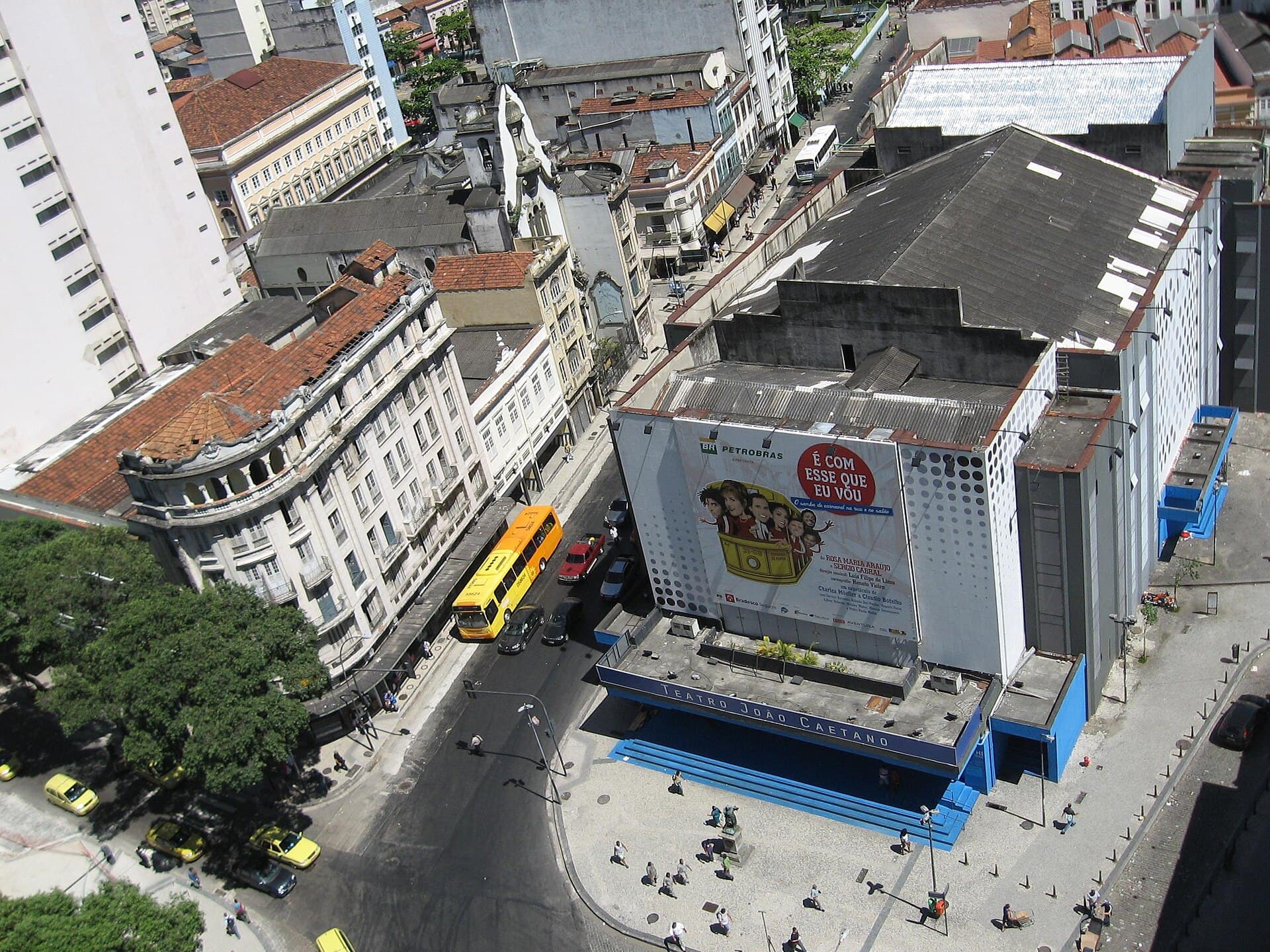 Teatro João CaetanoThe João Caetano Theatre is Rio de Janeiro's oldest playhouse, opened by King Jo1 minute walk4.7
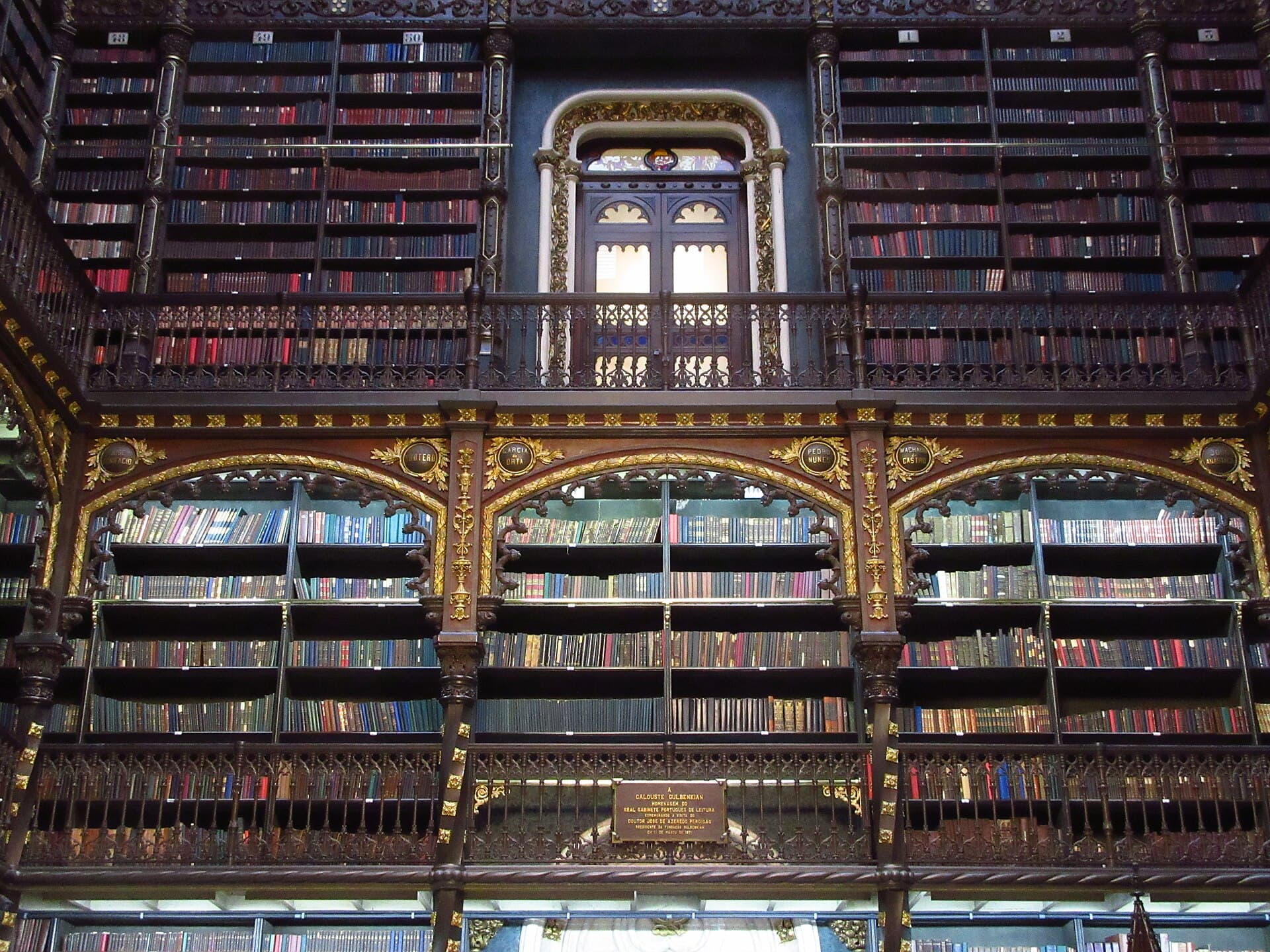 Royal Portuguese Cabinet of ReadingThe Royal Portuguese Cabinet of Reading, the Real Gabinete, is one of the most b3 minutes walk4.9
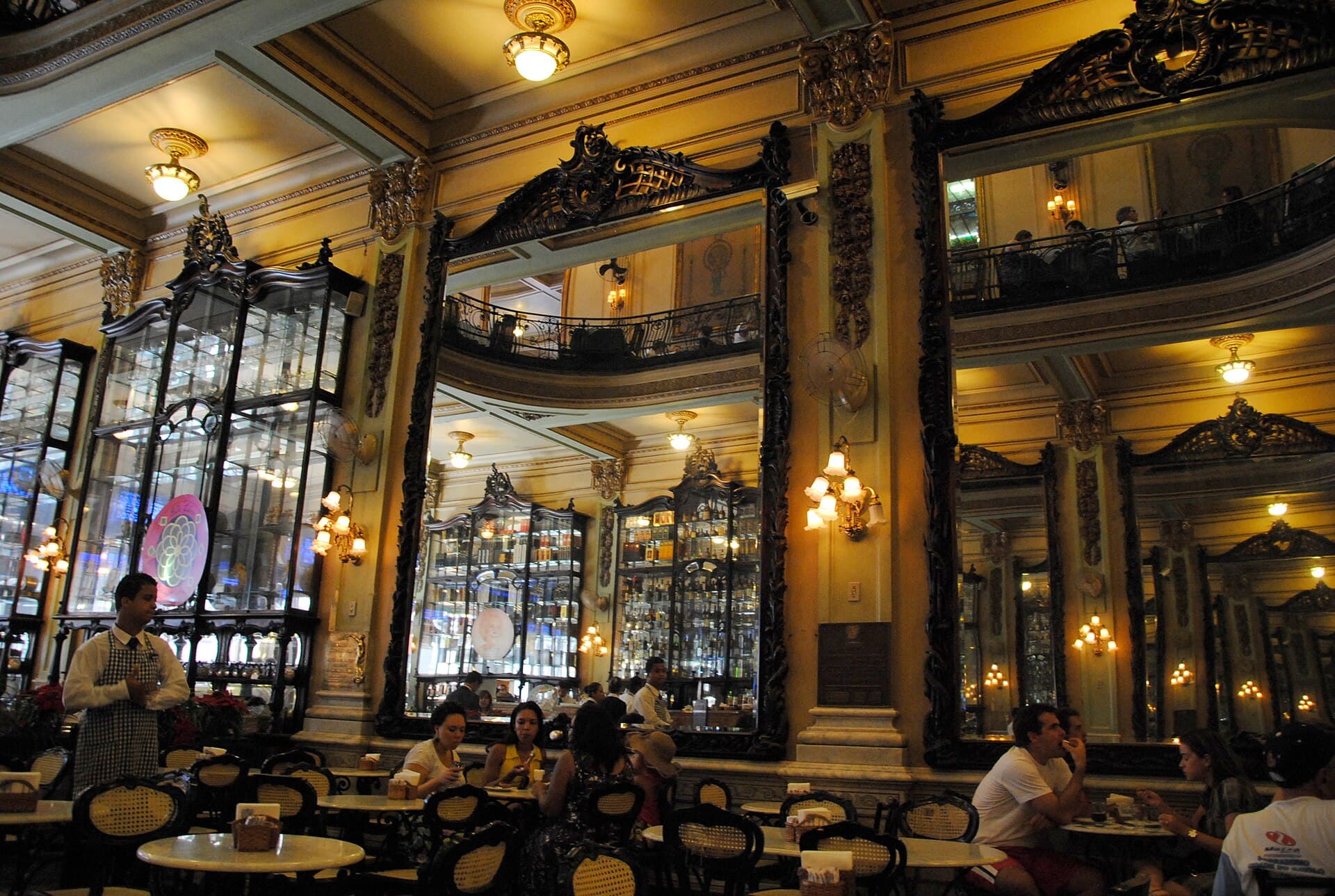 Confeitaria ColomboConfeitaria Colombo is a historic café and pastry shop in central Rio, founded b6 minutes walk4.3
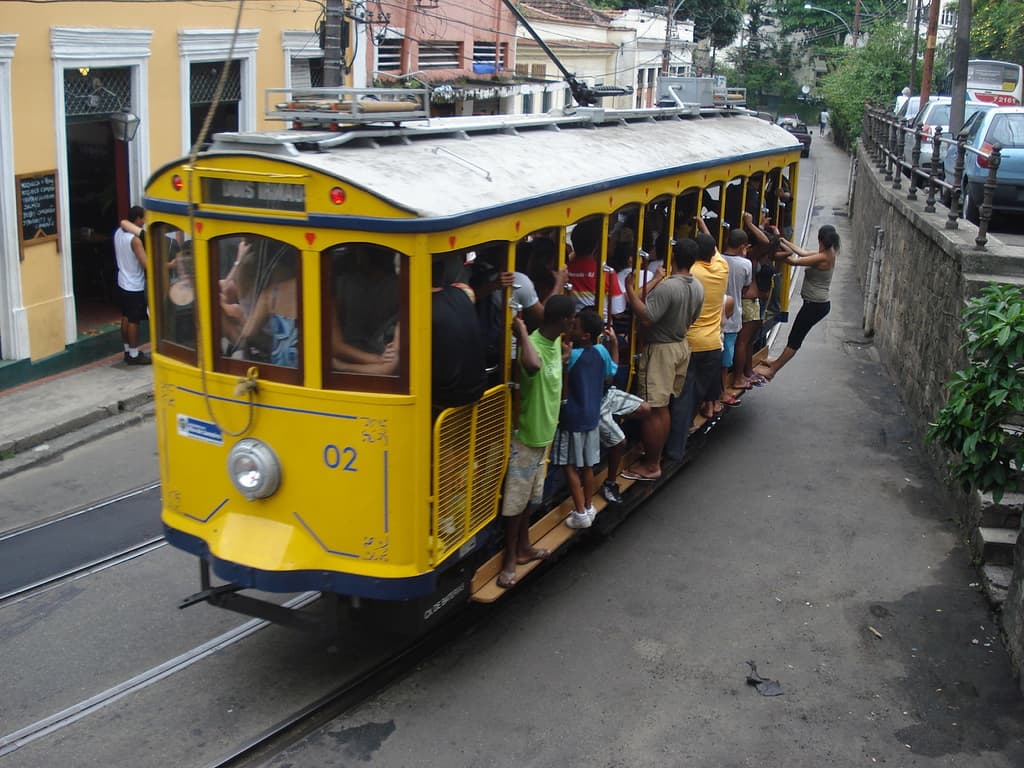 Santa Teresa Tram (Bondinho)The Santa Teresa Tram, the yellow bondinho, is a historic tram line climbing fro6 minutes walk4.4
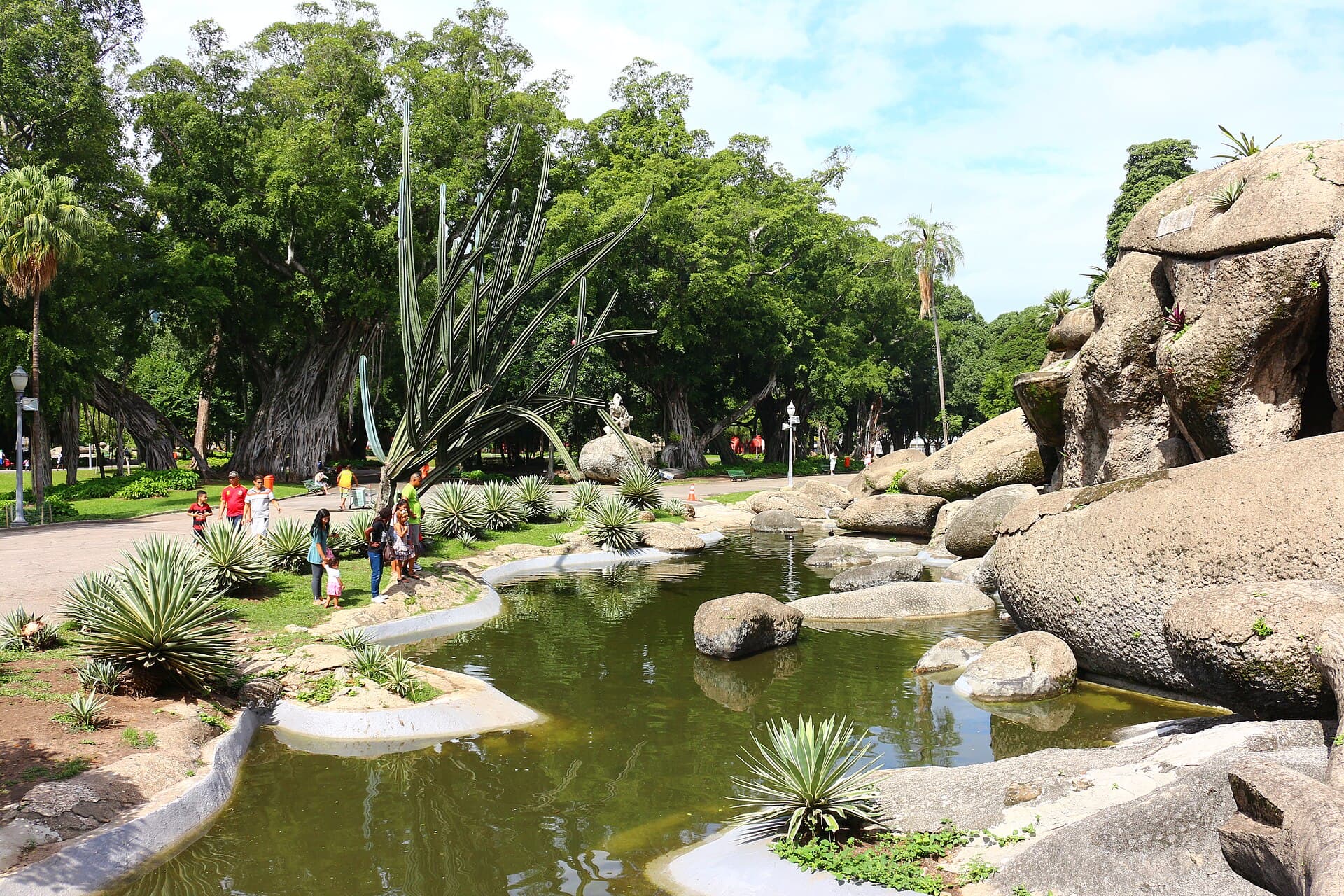 Campo de SantanaCampo de Santana is the park in Praça da República in central Rio, near the spot8 minutes walk4.0
The equestrian statue of Emperor Pedro I, unveiled in 1862 and one of the first public statues in Brazil.