
The Lapa Arches
Crossing the aqueduct.
Andre Oliveira — CC BY 2.0 · Filipo Tardim — CC BY-SA 4.0 · MTur Destinos — Public domain · Photograph by Mike Peel (www.mikepeel.net). — CC BY-SA 4.0
The Santa Teresa Tram, the yellow bondinho, is a historic tram line climbing from central Rio to the hilltop Santa Teresa district. It has run since 1877 and on electricity since 1896, making it the oldest electric railway in Latin America, and it has been a national monument since 1985. The highlight is the crossing of the Lapa Arches, the colonial aqueduct built in 1750, 17.6 metres high, followed by the climb through Santa Teresa's narrow streets of old houses, studios and artists' shops, with views over the city and the bay. The line stopped between 2011 and 2015 after a serious accident and returned with new cars modelled on the old ones; riding on the running boards is no longer allowed. The visitor ticket covers the round trip with re-boarding the same day, so you can get off in Santa Teresa, wander and ride back. Queues are long at weekends, so weekdays are better.
Crossing the aqueduct.
Studios and shops.
Over city and bay.
Tram station near Largo da Carioca, central Rio
 Theatro Municipal, Rio de JaneiroThe Theatro Municipal is one of Brazil's most beautiful and important theatres, 3 minutes walk4.9
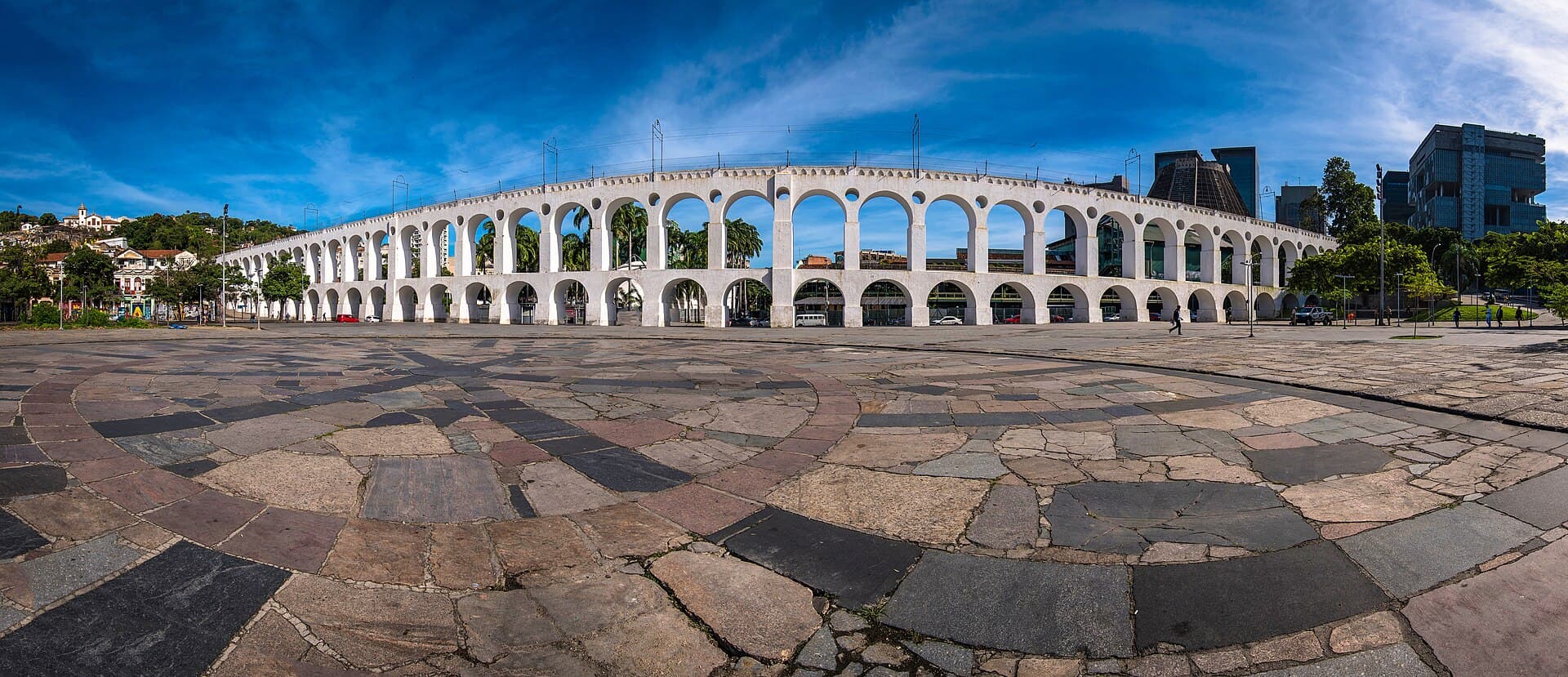 Lapa Arches (Carioca Aqueduct)The Lapa Arches are the best-known surviving part of the Carioca Aqueduct, built4 minutes walk4.3
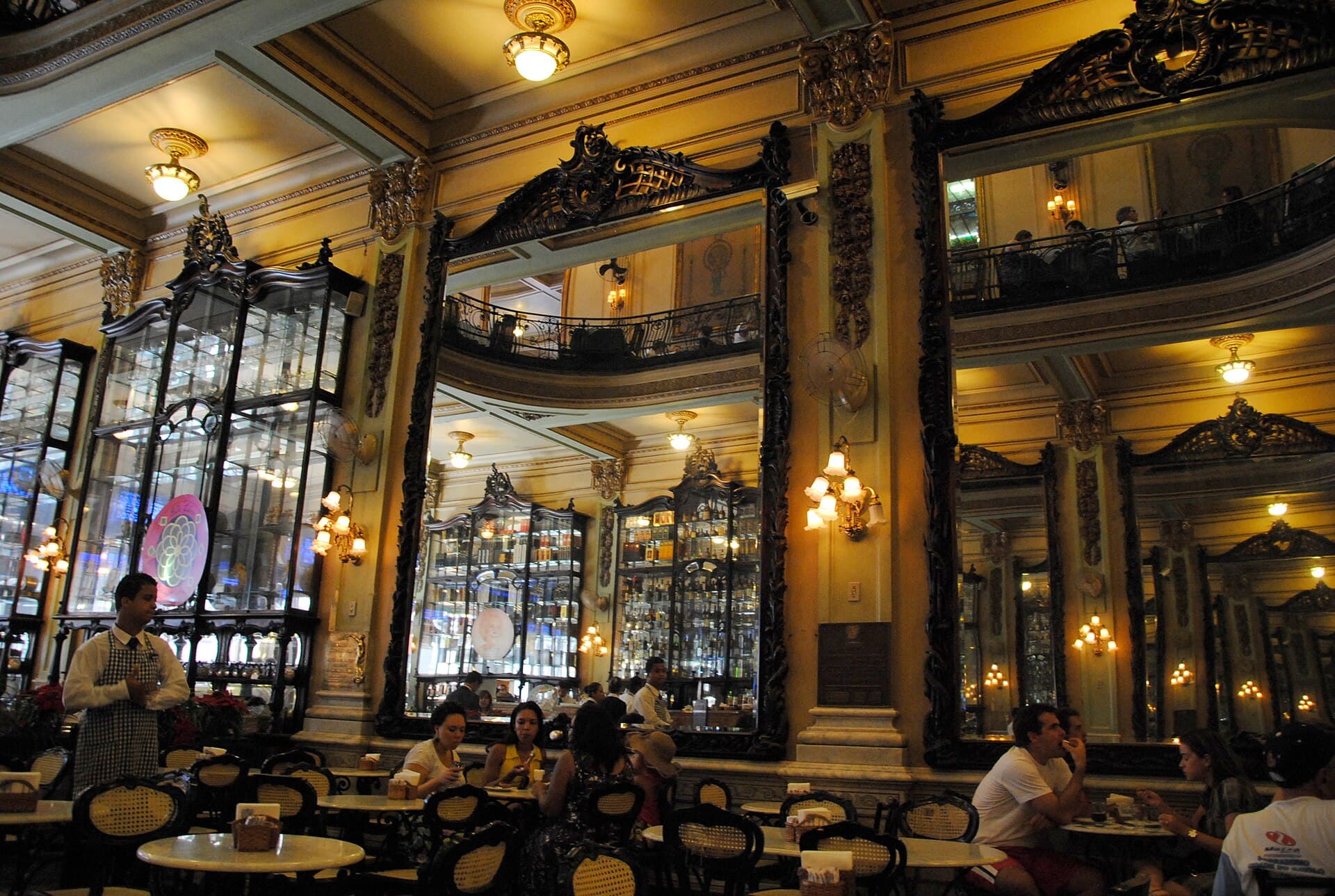 Confeitaria ColomboConfeitaria Colombo is a historic café and pastry shop in central Rio, founded b7 minutes walk4.3
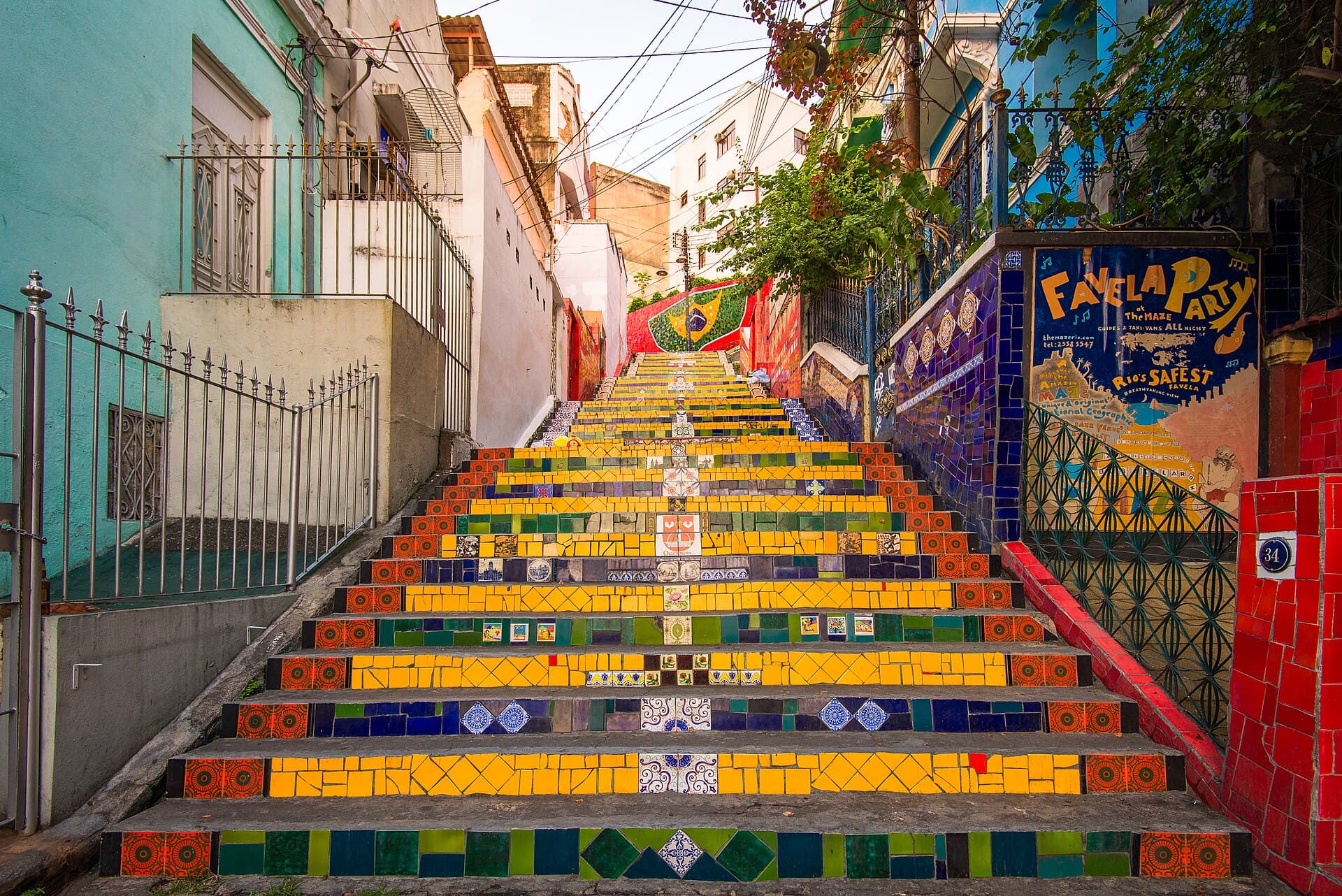 Selarón StepsThe Selarón Steps are a stairway of 215 steps, 125 metres long, climbing from La7 minutes walk4.7
 Royal Portuguese Cabinet of ReadingThe Royal Portuguese Cabinet of Reading, the Real Gabinete, is one of the most b8 minutes walk4.9
R$20 for visitors, round trip with same-day re-boarding, from the station near Largo da Carioca.