
A church demolished for a station
Saint Lucy's original church was removed to build Santa Lucia.
Abxbay — CC BY-SA 3.0 · Marc Ryckaert — CC BY-SA 4.0 · Jorge Franganillo — CC BY 2.0 · stephanemat — CC BY-SA 3.0
A wide square in Cannaregio on the route between the railway station and the Rialto, holding the church of San Geremia and the Palazzo Labia. The church holds the relics of Saint Lucy, moved there in 1861 after her original church was demolished to build the railway station — and the station still carries her name, Santa Lucia. This is a clear example of what the nineteenth century did to Venice: the bridge to the mainland, the station and the new streets changed a city that had not changed for centuries. The Palazzo Labia at the edge of the square holds a hall painted by Tiepolo with scenes from the life of Cleopatra — among the most important fresco cycles in Venice. The building is a broadcasting headquarters today and opens occasionally for visits at limited times. The square itself is one of the few wide squares on the main walking route, making it a natural stopping point. The square is public and free; visiting the palace is restricted.
Saint Lucy's original church was removed to build Santa Lucia.
Scenes from Cleopatra's life in the Palazzo Labia.
One of few spacious squares on the main route.
Cannaregio, near the Grand Canal
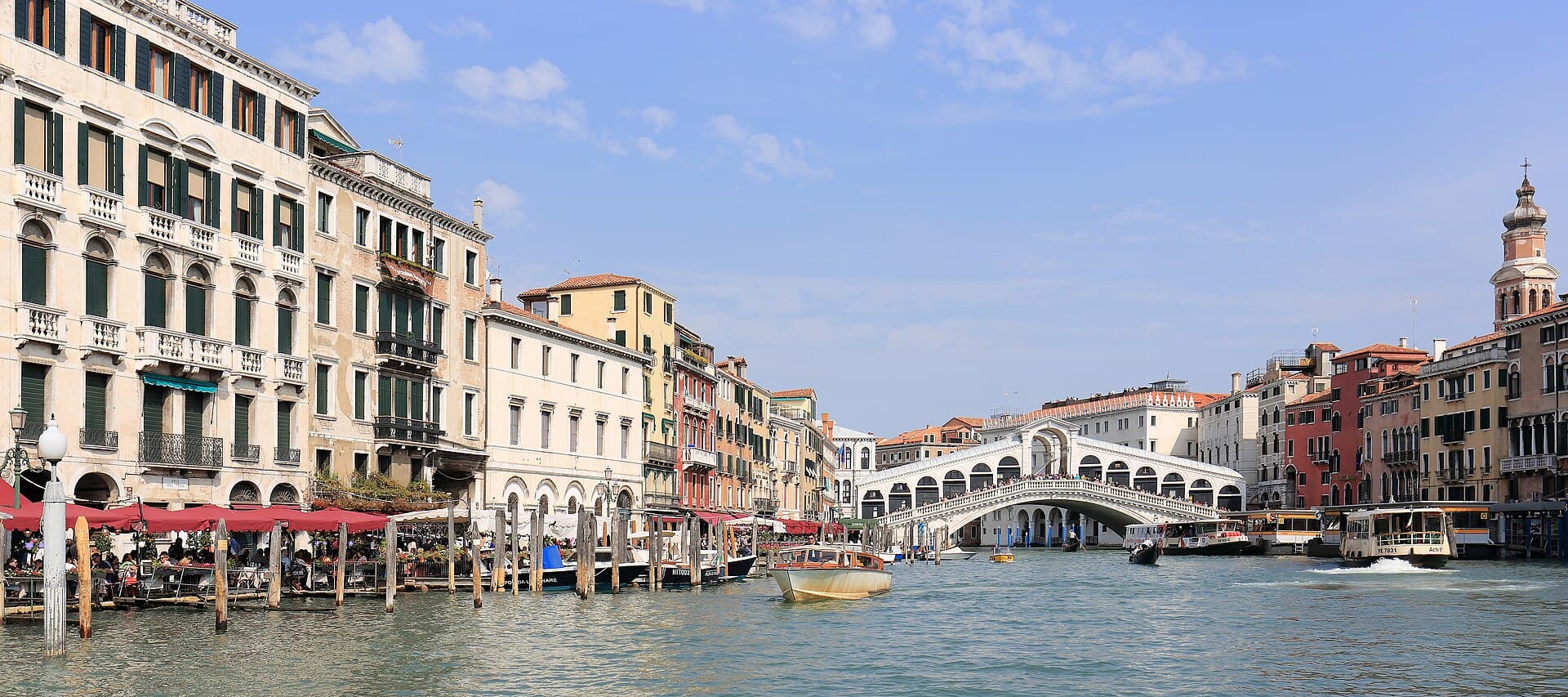 Grand CanalThe Grand Canal is Venice's main street — four kilometres of water cutting the c2 minutes walk4.7
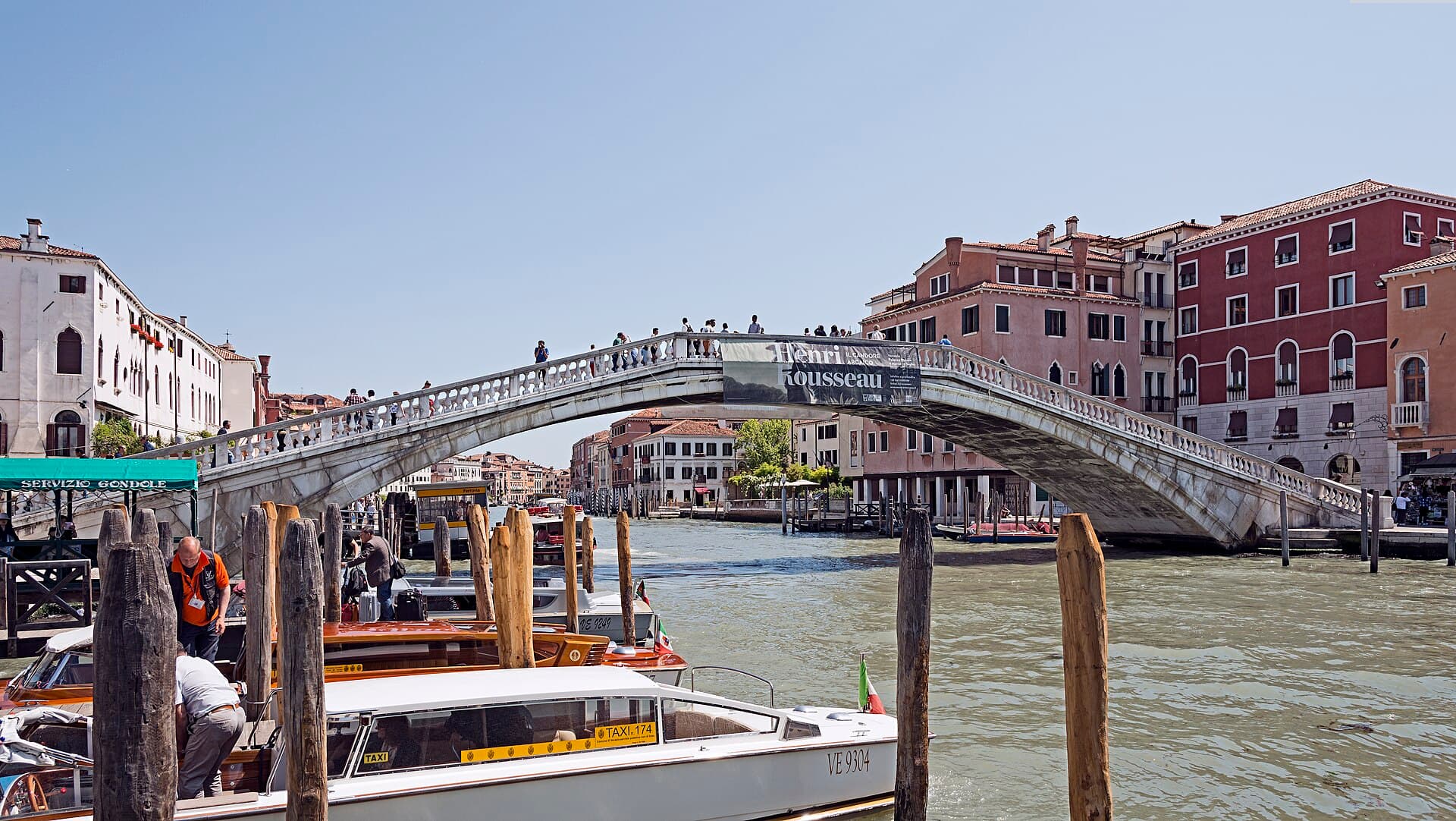 The Ponte degli ScalziOne of only four bridges crossing the Grand Canal in Venice, standing near the S3 minutes walk4.7
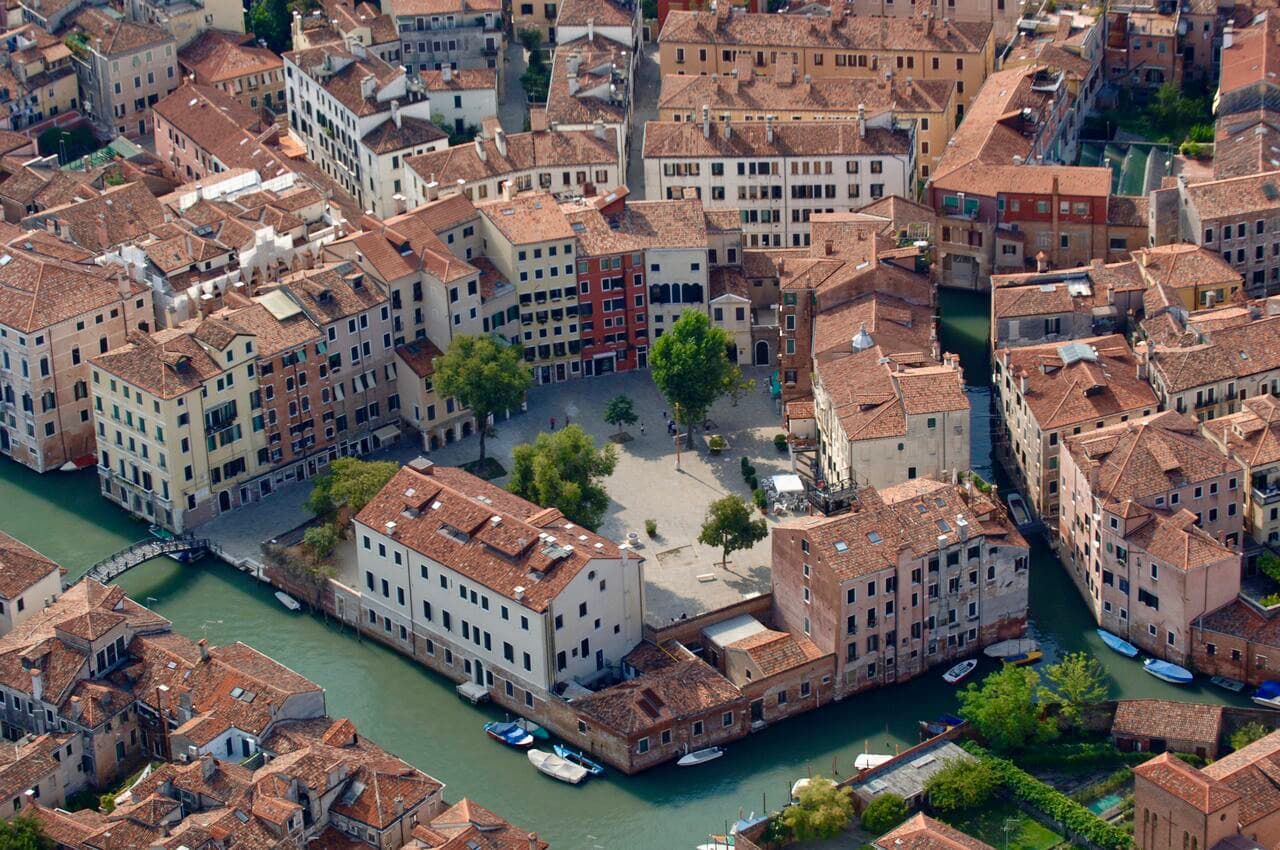 The Venice GhettoFrom this small quarter of Cannaregio the word "ghetto" entered every language: 3 minutes walk4.4
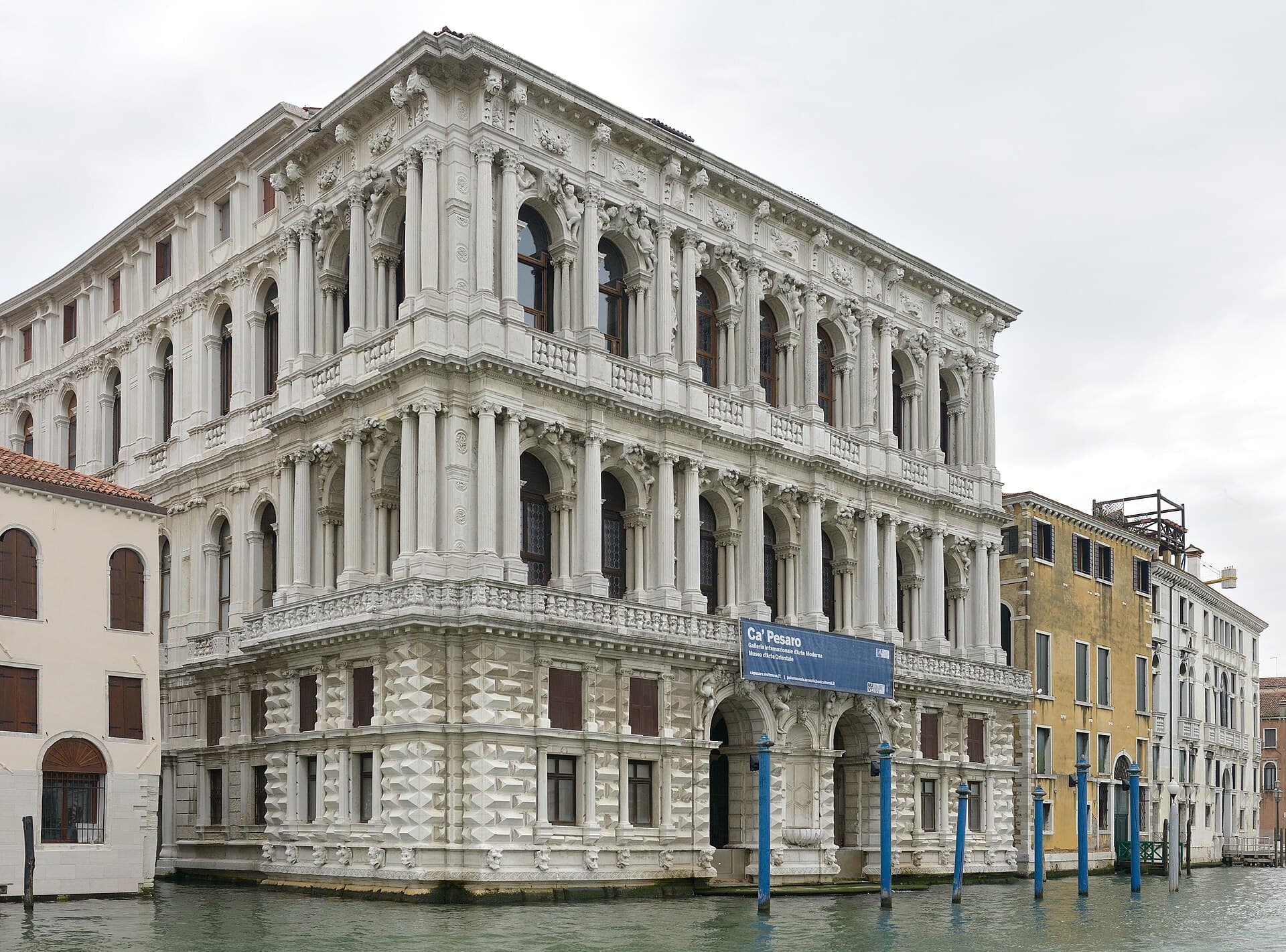 Ca' PesaroCa' Pesaro is the grandest Baroque palace on the Grand Canal, its heavy marble f7 minutes walk4.4
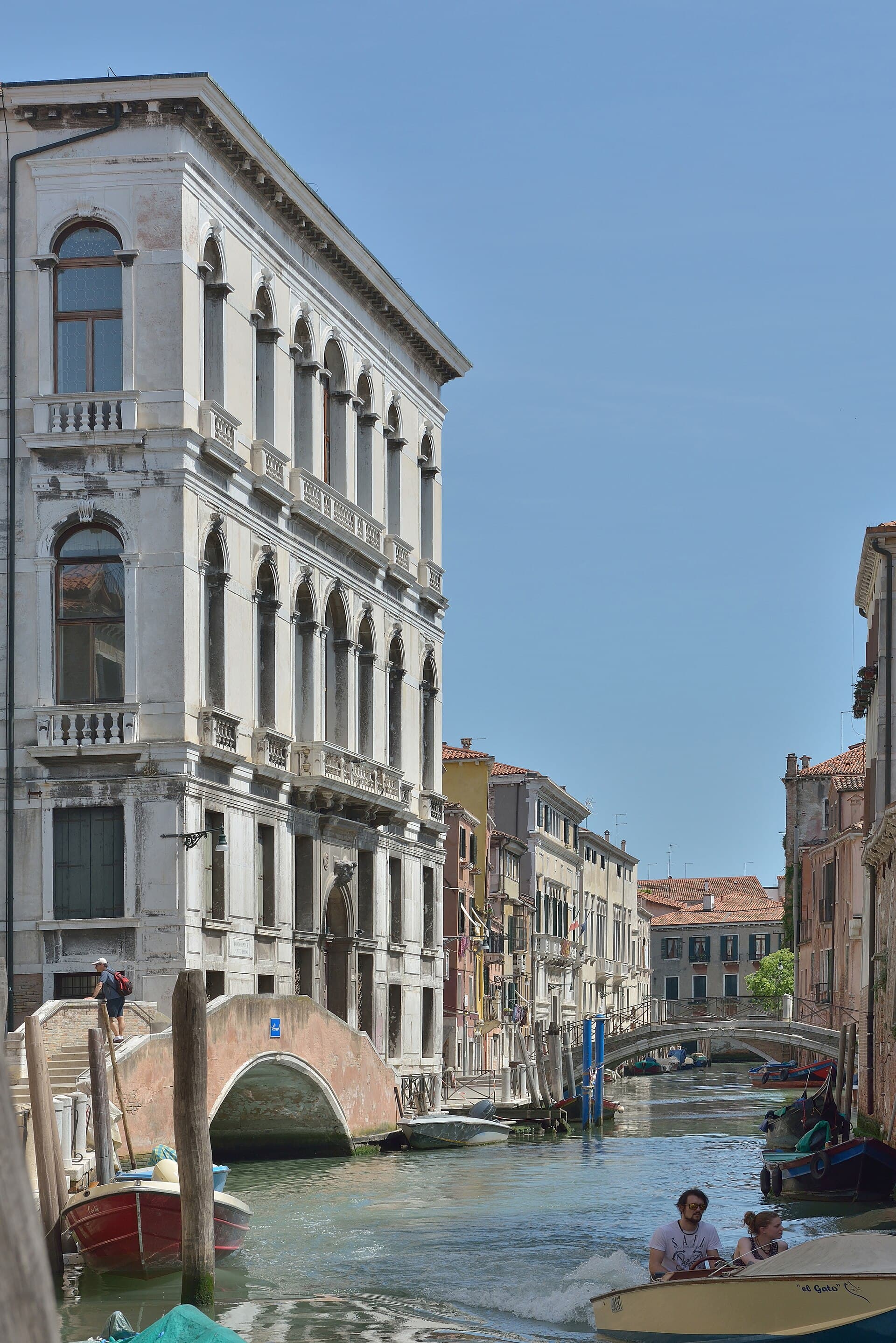 Palazzo Diedo – Berggruen Arts & CultureUntil 2012, people came into this palace to stand before a judge. Now they come 7 minutes walk4.2
Fundamental things. The bridge to the mainland was built in 1846, ending the city's isolation from land for the first time in its history. Then the station; then several canals were filled and turned into pedestrian streets, and the Strada Nova was cut through in 1871 by demolishing rows of houses. Railings were added to the bridges. All of this happened after the Republic fell in 1797, under Austrian and then Italian rule that wanted a city fit for modern movement.
A Christian martyr from Syracuse in Sicily, killed in the early fourth century during Diocletian's persecution. She is associated with light and sight — her name comes from lux, light — and is sometimes depicted carrying her eyes on a dish. Her feast on 13 December is widely celebrated in Sweden and Norway with a procession of girls in white carrying candles, a tradition that may surprise anyone who knows her as an Italian saint.