
Art built into the building
The commissions are not hung canvases but fresco, plaster and Murano glass executed inside the rooms themselves by Venetian craftspeople.
Until 2012, people came into this palace to stand before a judge. Now they come to see what eleven contemporary artists have done to its walls and ceilings. Andrea Tirali raised the building in the 1710s for the patrician Diedo family, after which it followed a very Venetian trajectory downward: the family went broke, the city bought it in 1889, it became an elementary school, then from 1989 a set of law courts, then it sat shut for years. In 2022 the collector Nicolas Berggruen bought it, and after two years of restoration it opened to the public in April 2024. What separates it from the city's other art houses is that the work is not hung on the walls — it is built into them. Berggruen Arts & Culture commissioned eleven artists, among them Sterling Ruby, Lee Ufan, Urs Fischer, Ibrahim Mahama, Carsten Höller and Mariko Mori, to make pieces for these specific rooms, working with Venetian craftspeople in fresco, plaster and Murano glass. The result is that you tour the architecture and the art at once and cannot really pull the two apart. These commissions are permanent, which is the point: they outlast the shows, so the visit holds up outside Biennale season too. On top of that come temporary exhibitions that rotate with the season. For 2026 the palace hosts two of them, running from 4 May to 22 November: Strange Rules, on art made in an age of algorithms and artificial intelligence, and Unfinished, a Ceal Floyer show. And here is the practical detail that catches people out: the palace opens four days a week only — Thursday, Friday, Saturday and Sunday — and is closed Monday through Wednesday, with last admission at six. Do not build a day around it without checking. Full admission is €12, €5 if you are under 26, free under 18, and it is not covered by the Venice Museum Pass because this is a private house, not a civic museum. Honestly: with a single day in Venice, spend it on the older and more famous things. But if contemporary art genuinely interests you, this is among the better twelve euros in the city — less than two vaporetto rides. Cannaregio itself is quiet and well clear of the San Marco crush, a short walk from the Jewish Ghetto. And a rarity here: a lift serves all three floors, even if getting to the door still means Venice's bridges and their steps.
The commissions are not hung canvases but fresco, plaster and Murano glass executed inside the rooms themselves by Venetian craftspeople.
Tirali's eighteenth-century building served as a school and then as courtrooms until 2012 before reopening as a public palace.
All three floors are served by a lift — a rare exception among Venetian palaces, even if the bridges on the way there are not.
Fondamenta Diedo, Cannaregio 2386, Venice
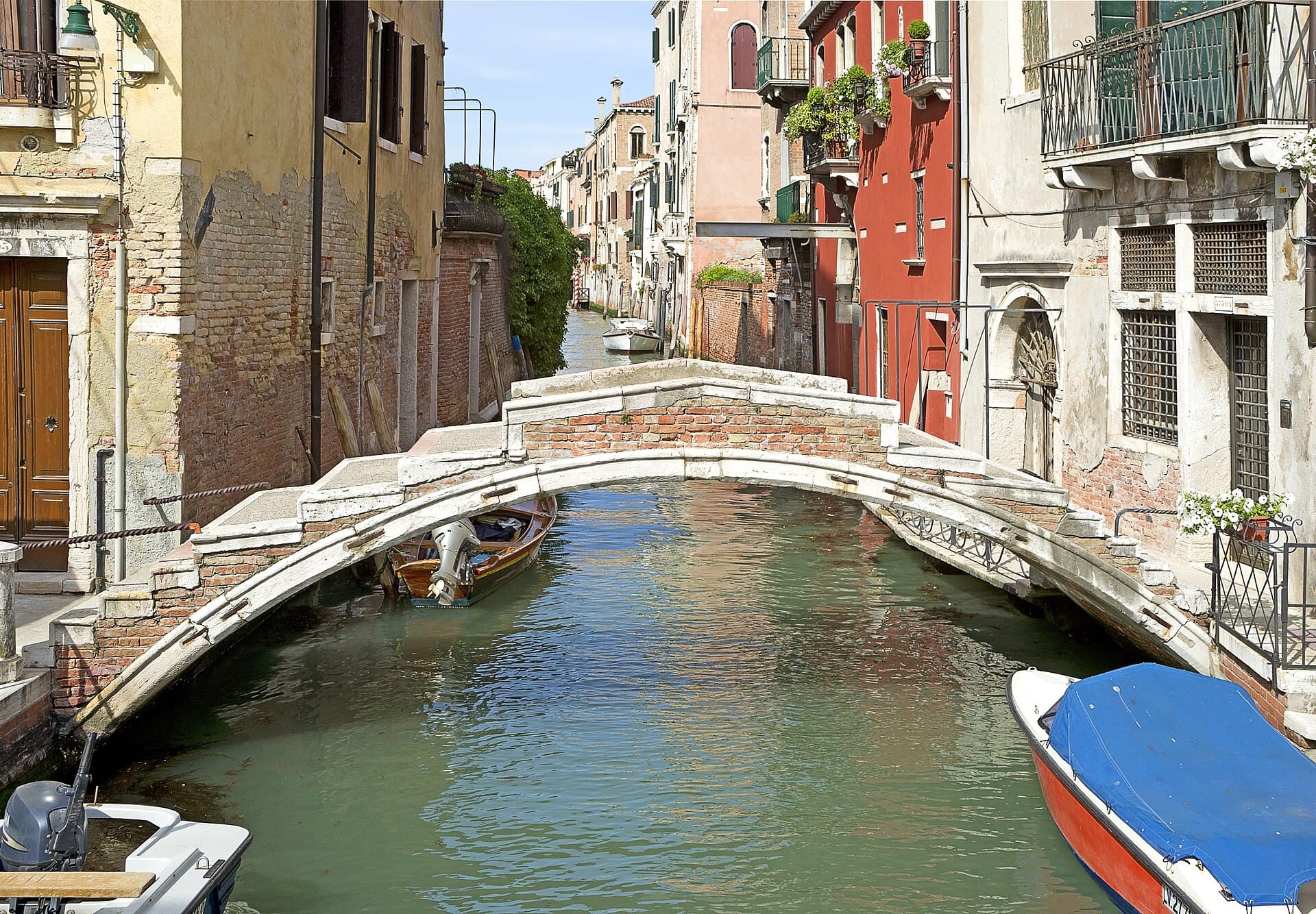 The Ponte ChiodoA small bridge in the Cannaregio district, one of only two bridges in Venice lef3 minutes walk4.5
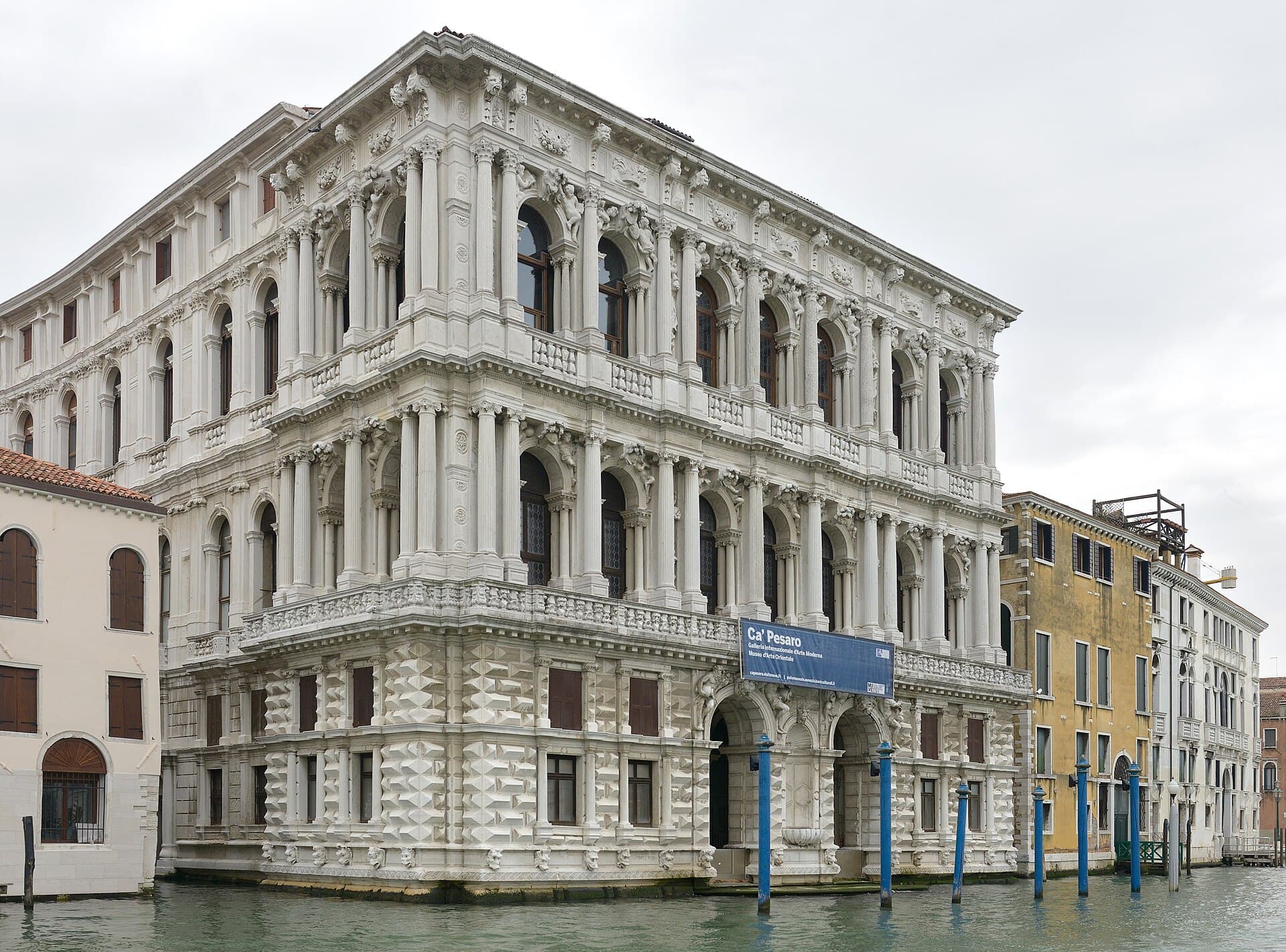 The Museum of Oriental ArtA museum of Asian art on the top floor of the Ca' Pesaro palace on the Grand Can4 minutes walk4.6
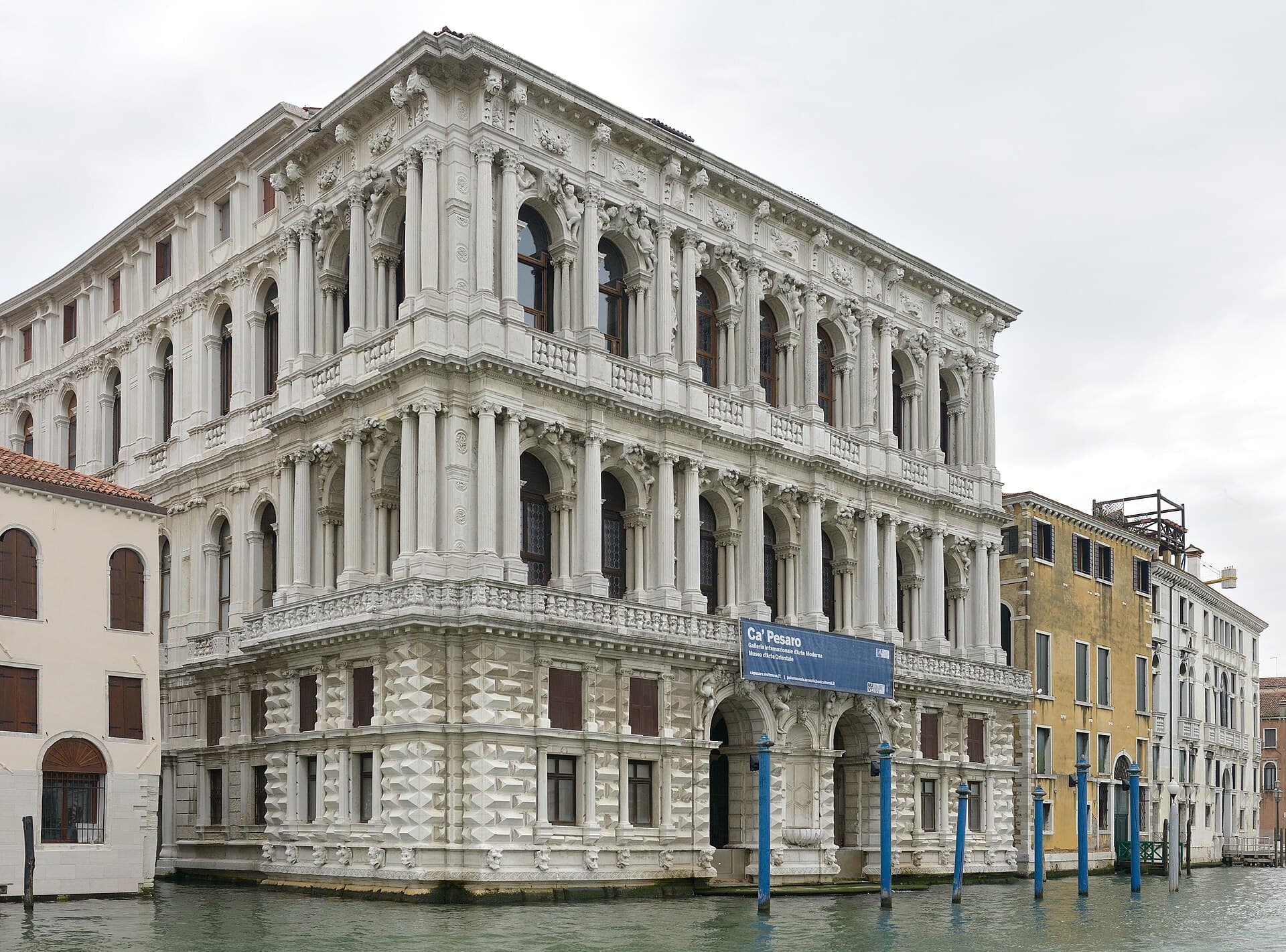 Ca' PesaroCa' Pesaro is the grandest Baroque palace on the Grand Canal, its heavy marble f4 minutes walk4.4
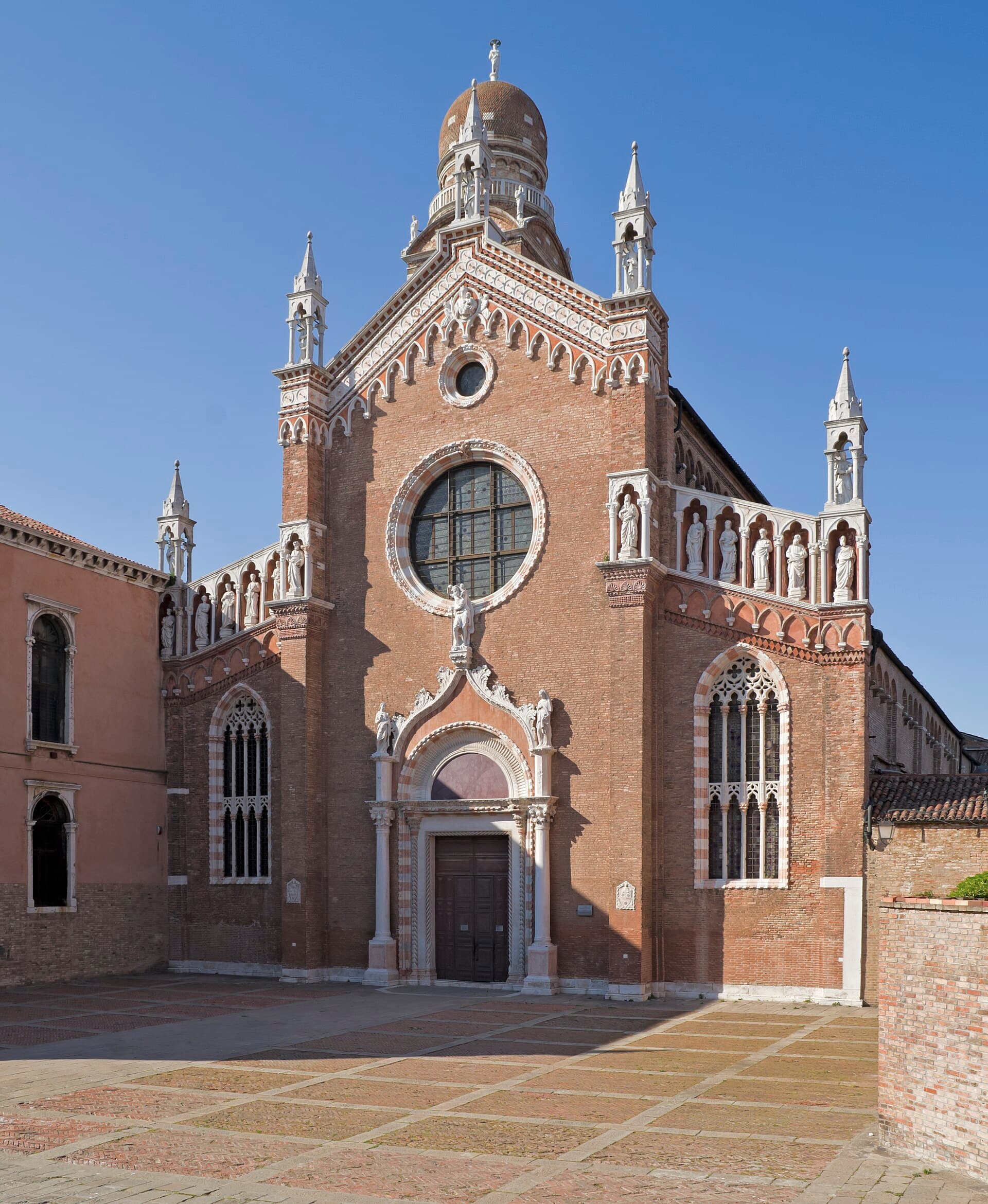 Madonna dell'OrtoTwo canvases roughly fourteen and a half metres tall stand guard over the high a4 minutes walk4.7
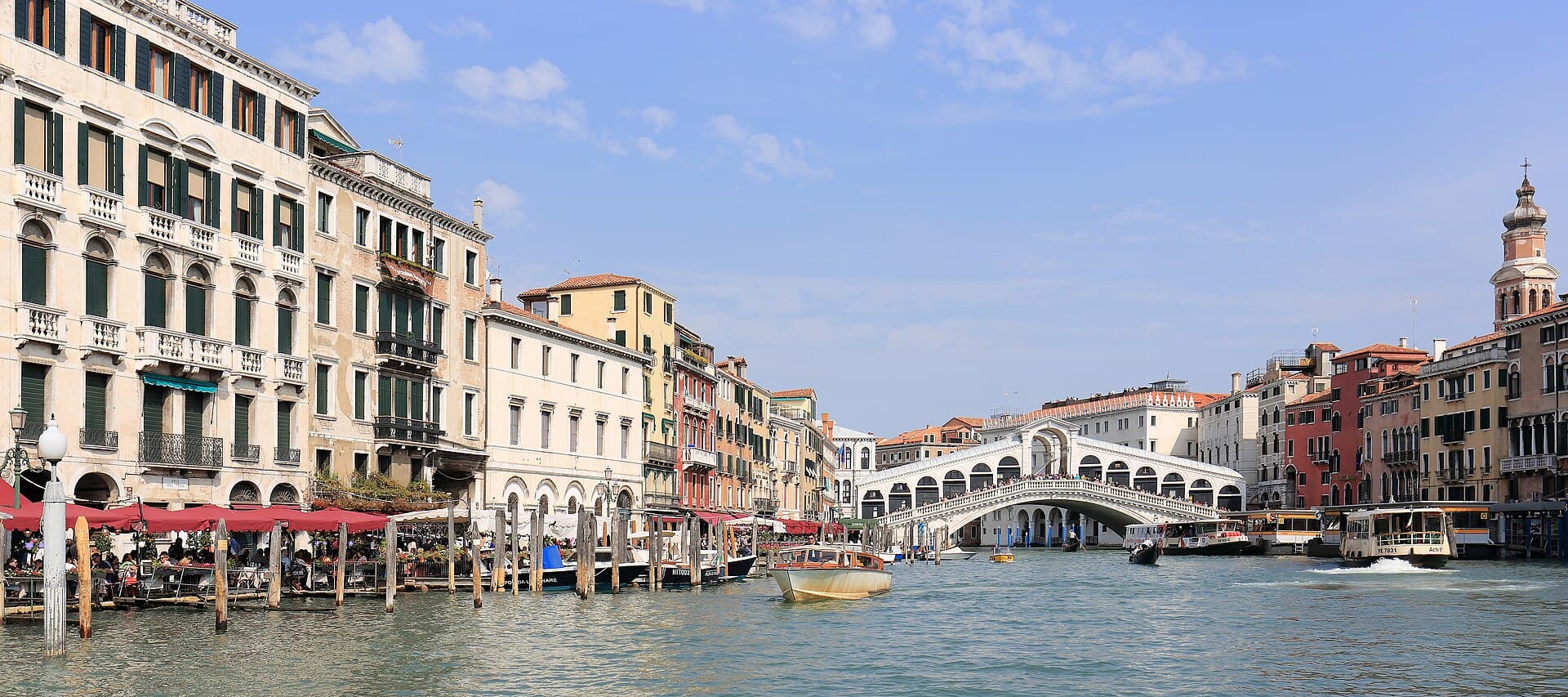 Grand CanalThe Grand Canal is Venice's main street — four kilometres of water cutting the c6 minutes walk4.7
No — it has been ticketed since the day it opened in April 2024; there was never a free first season. The full ticket is €12, €5 for under-26s and university students, and free for under-18s. It is not on the Venice Museum Pass, since this is a private venue, though the same ticket also gets you into the Berggruen exhibition at Casa dei Tre Oci on another day. Queues are rare here, so buying at the door is fine and saves you the €1.50 online booking fee — and the free-entry categories are only issued at the ticket office anyway.
Probably not. Two days is enough for Piazza San Marco, the Doge's Palace, the Grand Canal and a church or two, and you will lose plenty of time simply moving between them. Keep Palazzo Diedo for a third or fourth visit, or for a Biennale season when contemporary art is the reason you came. Note too that Venice's day-visitor access fee on its designated days, if it is running when you travel, and the cost of vaporetto hops will eat more of your budget than this ticket does.