
Marble pretending to be cloth
Walls, curtains and a carpet down the altar steps, every one of them carved stone that fools the eye from a metre away.
This Photo was taken by Wolfgang Moroder. Feel free to use my photos, but please mention me as the author and send me a message. This image is not in the public domain. Please respect the copyright pr — CC BY-SA 3.0 · This Photo was taken by Wolfgang Moroder. Feel free to use my photos, but please mention me as the author and send me a message. This image is not in the public domain. Please respect the copyright pr — CC BY-SA 3.0 · Anna.Massini — CC BY 4.0 · Didier Descouens — CC BY-SA 4.0
You walk in convinced the walls are hung with heavy green-and-white damask, folds and tassels and all, left in place for three centuries. Then you step closer, and there is no thread and no cloth: every scrap of that fabric is inlaid marble, cut and fitted to imitate hanging drapery. The masterstroke is the carpet spilling down the steps of the high altar, fringe and turned-back corner included - also marble. That is the joke of this church, an expensive baroque joke executed by craftsmen with unreasonable patience, purely to prove that stone can lie convincingly. The Jesuits built it between 1715 and 1729 to Domenico Rossi's design, on Manin family money, over the site of an older Crociferi foundation that had burned more than once and passed to them in 1657. The facade is crowded with statuary in the Roman manner; Giuseppe Pozzo's high altar rides on twisted green marble columns under a small dome; the pulpit stands beneath a marble curtain that looks as though someone drew it aside a moment ago. Nothing here is restrained. The church was built to overwhelm, and it does so without apology. At the first altar on your left hangs a painting worth the trip on its own: Titian's Martyrdom of St Lawrence, begun around 1548 and in place by 1559, often called one of the first great night scenes in European painting. All the light in it is manufactured - torches, embers, a shaft punched through cloud - and the dark swallows everything else. Give your eyes a full minute to adjust before you judge it; the church is dim and the glazing does not help. In the left transept there is a Tintoretto Assumption of about 1555, less famous and far easier to actually see. The church sits in Cannaregio, about a quarter of an hour on foot from Rialto and a few steps from the Fondamente Nove vaporetto stop where the Murano and Burano boats leave - which makes it a sensible stop before or after the islands. Entry costs a euro, handed over at the door towards the restoration fund, a sum that vanishes next to the price of a single vaporetto ride. Hours are short and unreliable, it shuts at midday and during Mass, and the walk from Rialto crosses stepped bridges that are hard work with a pushchair or a wheelchair, though the interior itself is broadly level. Major restoration of the facade, roof and bell tower, funded under the national recovery plan, began in late 2024, and scaffolding has covered the facade and much of the interior since - worth checking before you build a visit around it. One last thing: this is not the Santa Maria Assunta out on Torcello, and it is not the Gesuati on the Zattere either - three similar names, three very different places.
Walls, curtains and a carpet down the altar steps, every one of them carved stone that fools the eye from a metre away.
The Martyrdom of St Lawrence, an early night scene lit only by fire, hanging where it was meant to hang rather than in a museum.
Twenty minutes on foot from Piazza San Marco you can find yourself alone in a church this extravagant.
Campo dei Gesuiti (Salizada de la Spechiera), Cannaregio 4885, Venice
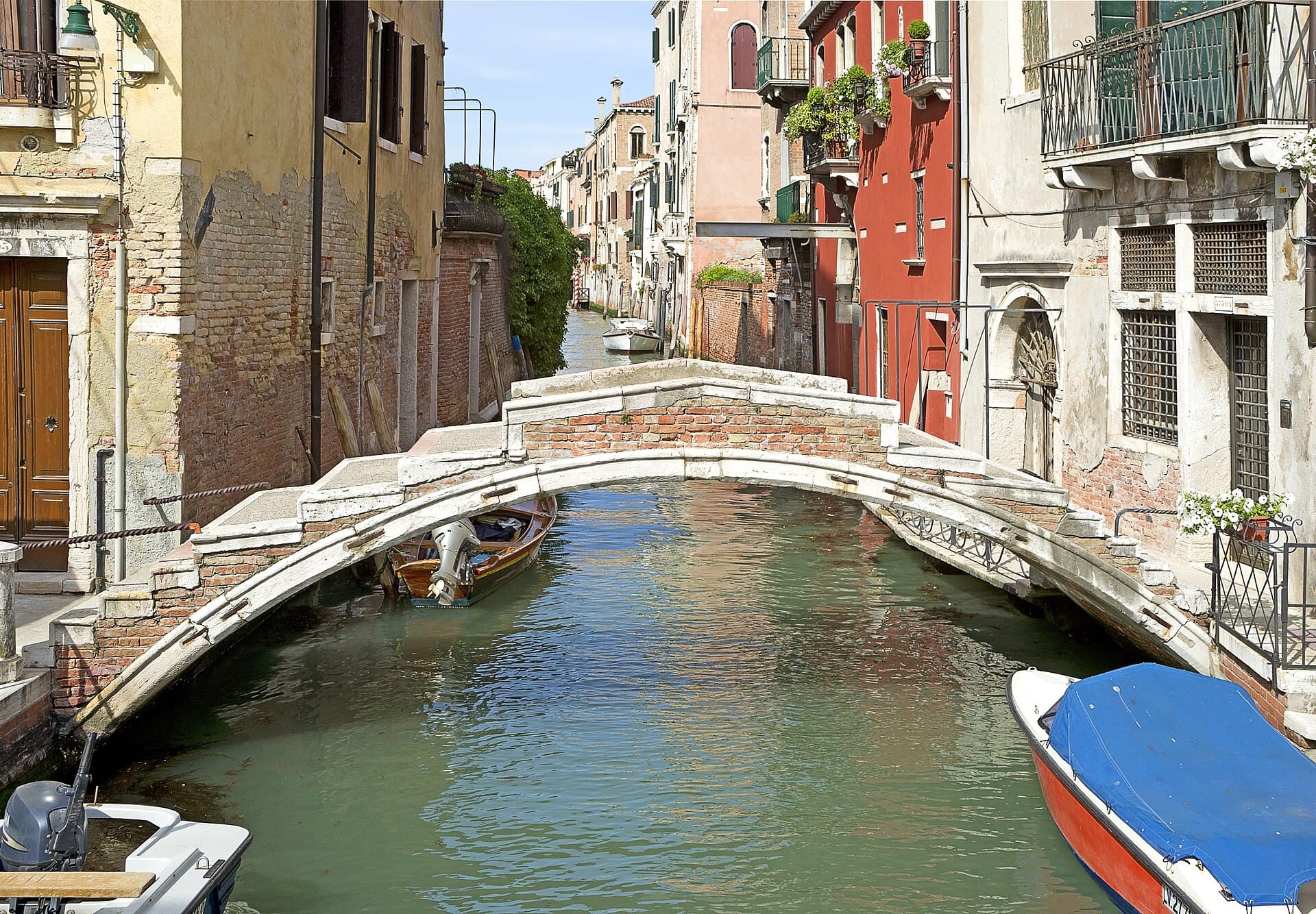 The Ponte ChiodoA small bridge in the Cannaregio district, one of only two bridges in Venice lef4 minutes walk4.5
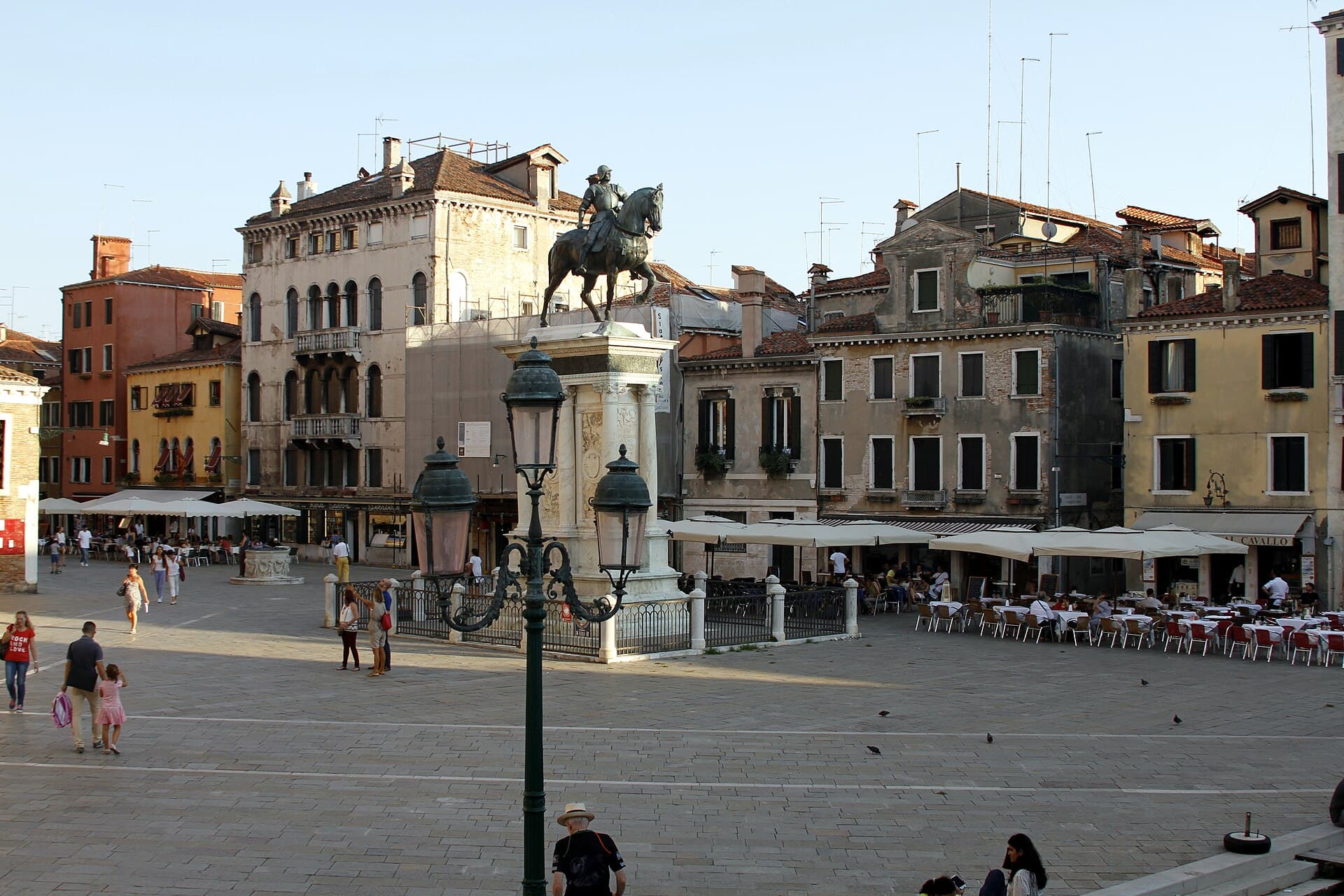 Campo Santi Giovanni e PaoloAmong the widest squares in Venice and the most densely packed with monuments, h6 minutes walk4.6
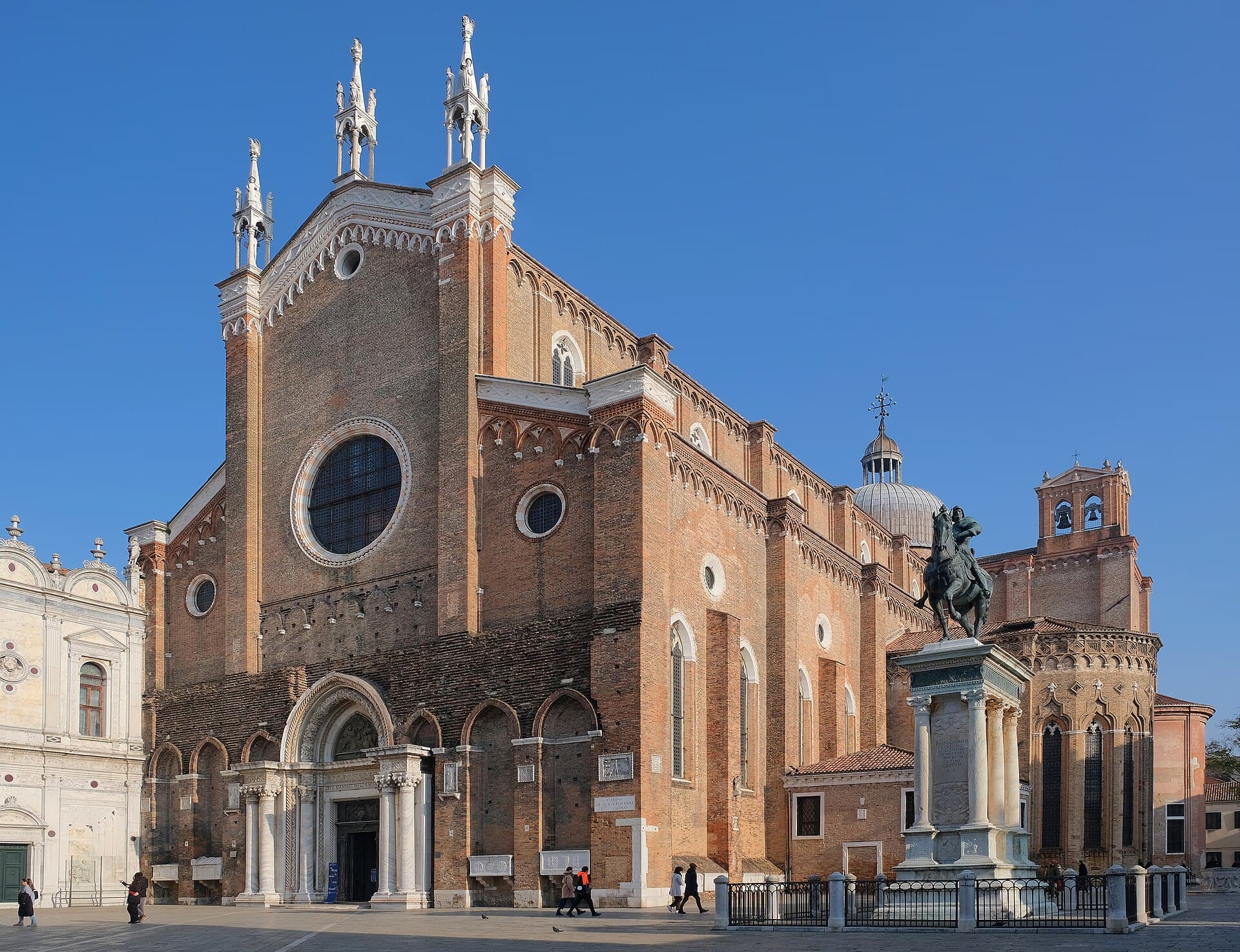 Santi Giovanni e PaoloSanti Giovanni e Paolo — "San Zanipolo" in Venetian — is the Republic's pantheon7 minutes walk4.6
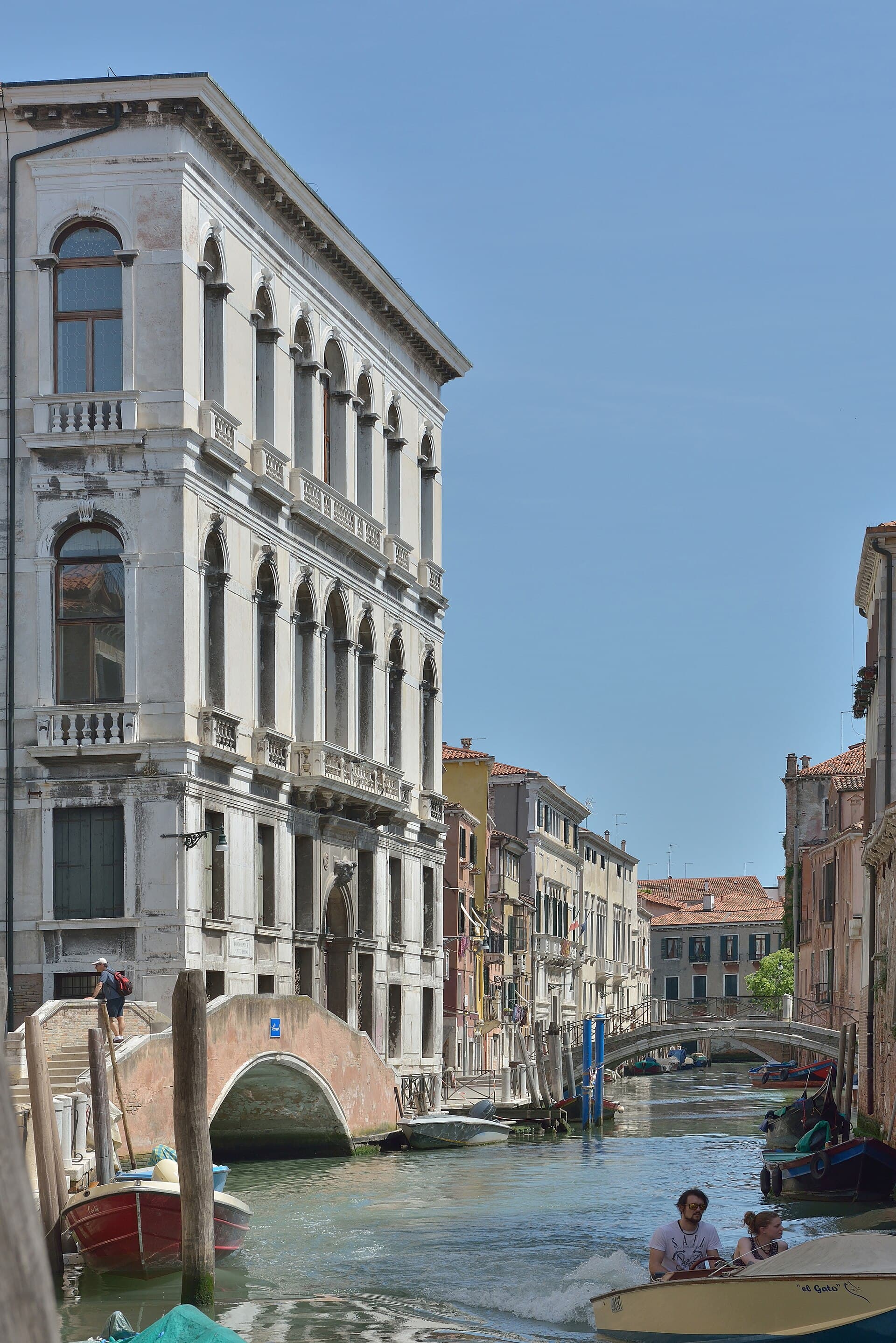 Palazzo Diedo – Berggruen Arts & CultureUntil 2012, people came into this palace to stand before a judge. Now they come 7 minutes walk4.2
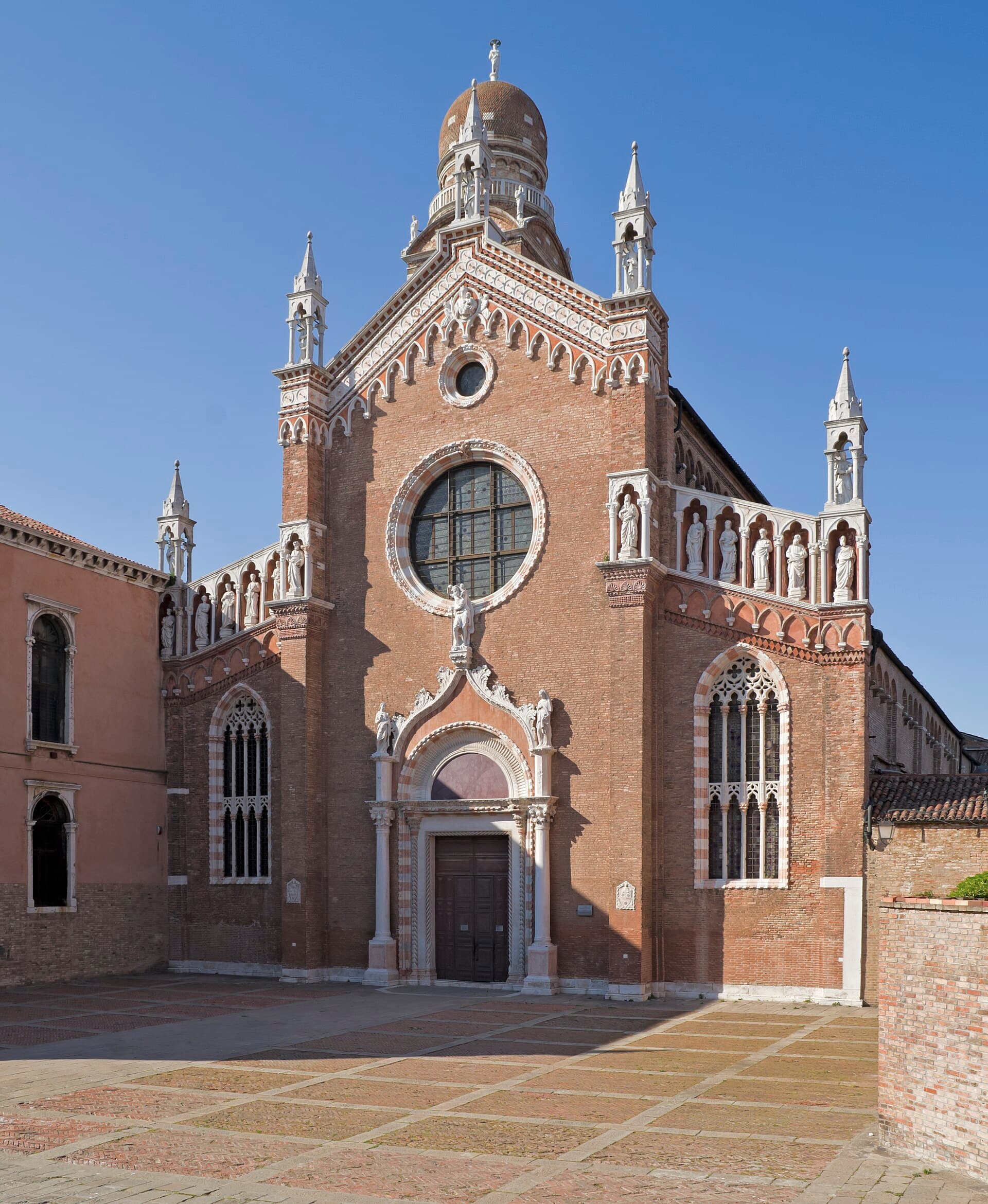 Madonna dell'OrtoTwo canvases roughly fourteen and a half metres tall stand guard over the high a8 minutes walk4.7
On a single day in Venice, skip it without guilt - it is not a place you will regret missing. On a third or fourth day, or if you are heading to Murano and Burano from Fondamente Nove anyway, half an hour buys you one of the strangest and quietest church interiors in the city for one euro.
No, and it does not need to be, since entry is a single euro. The confusion comes from the Gesuati on the Zattere - a similar name and an entirely different church - which is the one on the Chorus pass. Save your passes for elsewhere.