
The single arch
One stone leap from 1591 that contemporaries thought could not stand.
Livioandronico2013 — CC BY-SA 4.0 · kallerna — CC BY-SA 4.0 · Lorent, Jakob August (1813 - 1884) — CC BY 4.0 · Álvaro de la Paz Franco — CC0
The Rialto is Venice's most famous bridge and the oldest crossing of the Grand Canal — for centuries the only one. The present stone bridge was finished in 1591 on a single daring arch that many then expected to collapse; it still stands, carrying thousands daily and two rows of shops on its back. The district around it was Venice's Wall Street: the city's markets and first banks rose here, and the Rialto fish and vegetable market still works every morning minutes from the bridge — the truest surviving scene of daily Venice. Cross it twice: by day for the bustle and the market, and at night when it empties and the canal glitters beneath. Its best picture is not from it but of it — from the bank by the Rialto hotel side, or from a passing vaporetto.
One stone leap from 1591 that contemporaries thought could not stand.
The morning fish and produce market — the real Venice that precedes the tourists.
From the crown, the classic shot down the Grand Canal, palaces and boats.
Sestiere San Polo, 30125 Venice
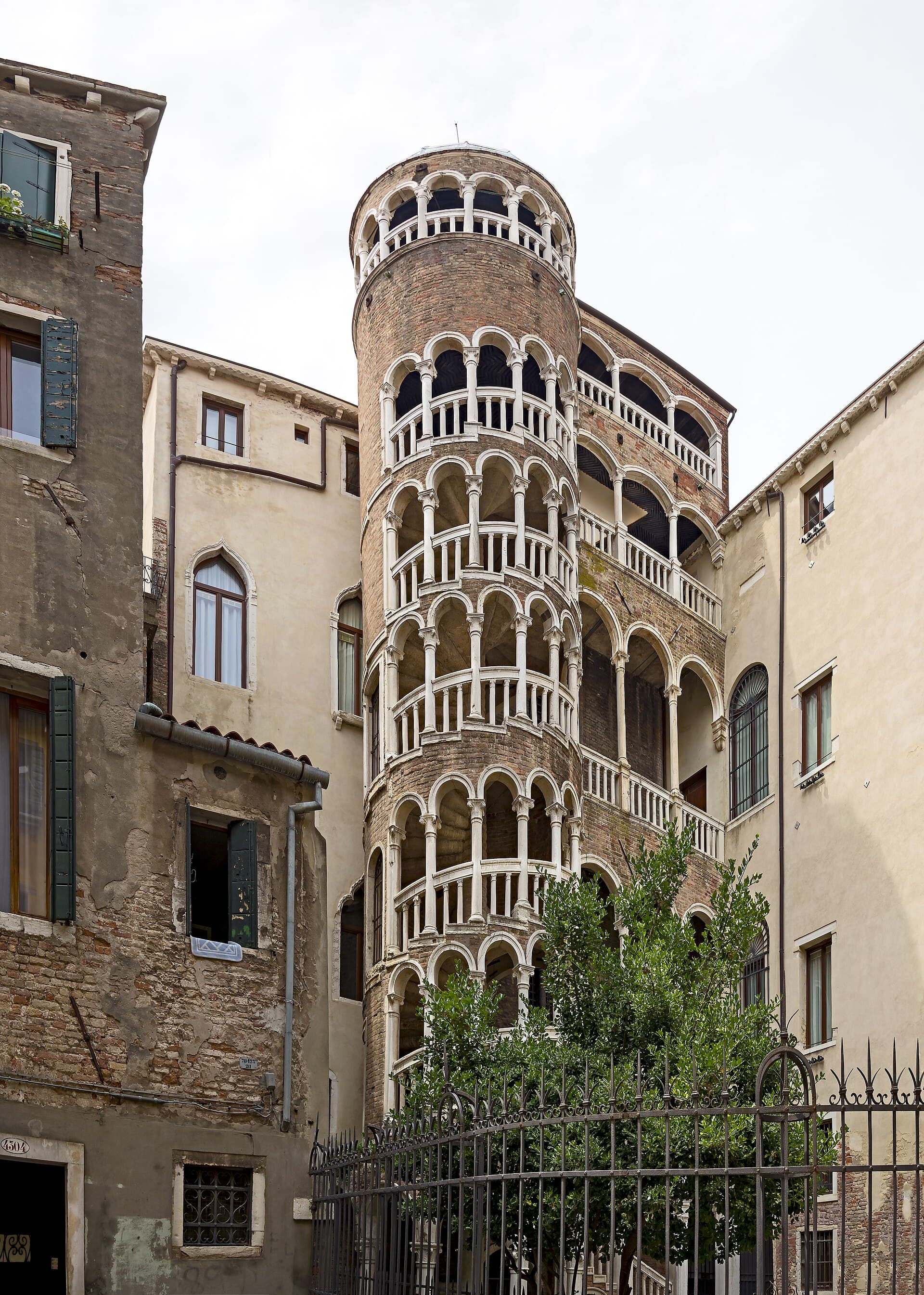 Palazzo Contarini del Bovolo"Bovolo" is Venetian dialect for snail — and one look explains the name: an exte5 minutes walk4.4
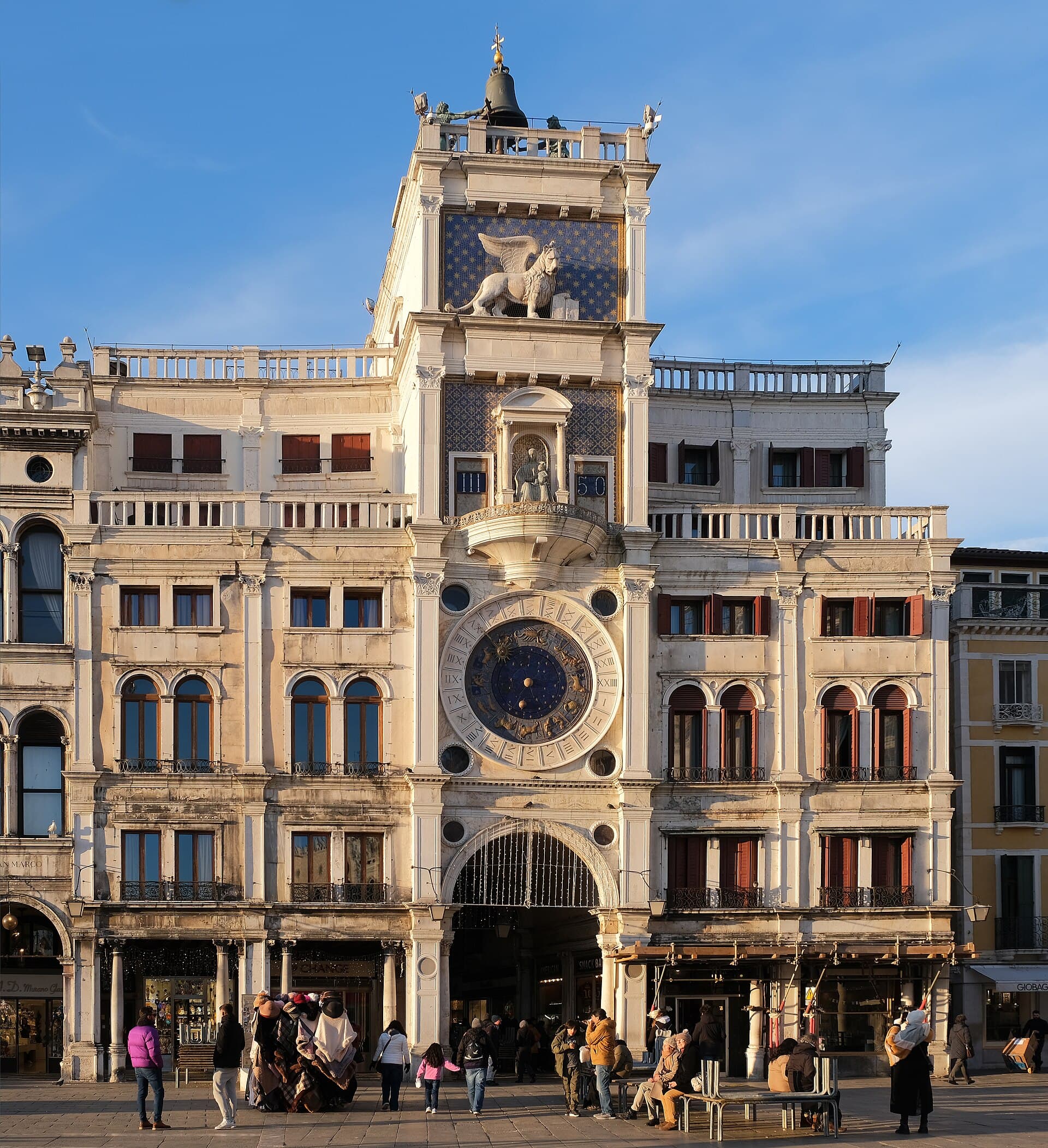 St Mark's ClocktowerThe Clocktower stands over the gateway joining St Mark's Square to the Merceria 6 minutes walk4.8
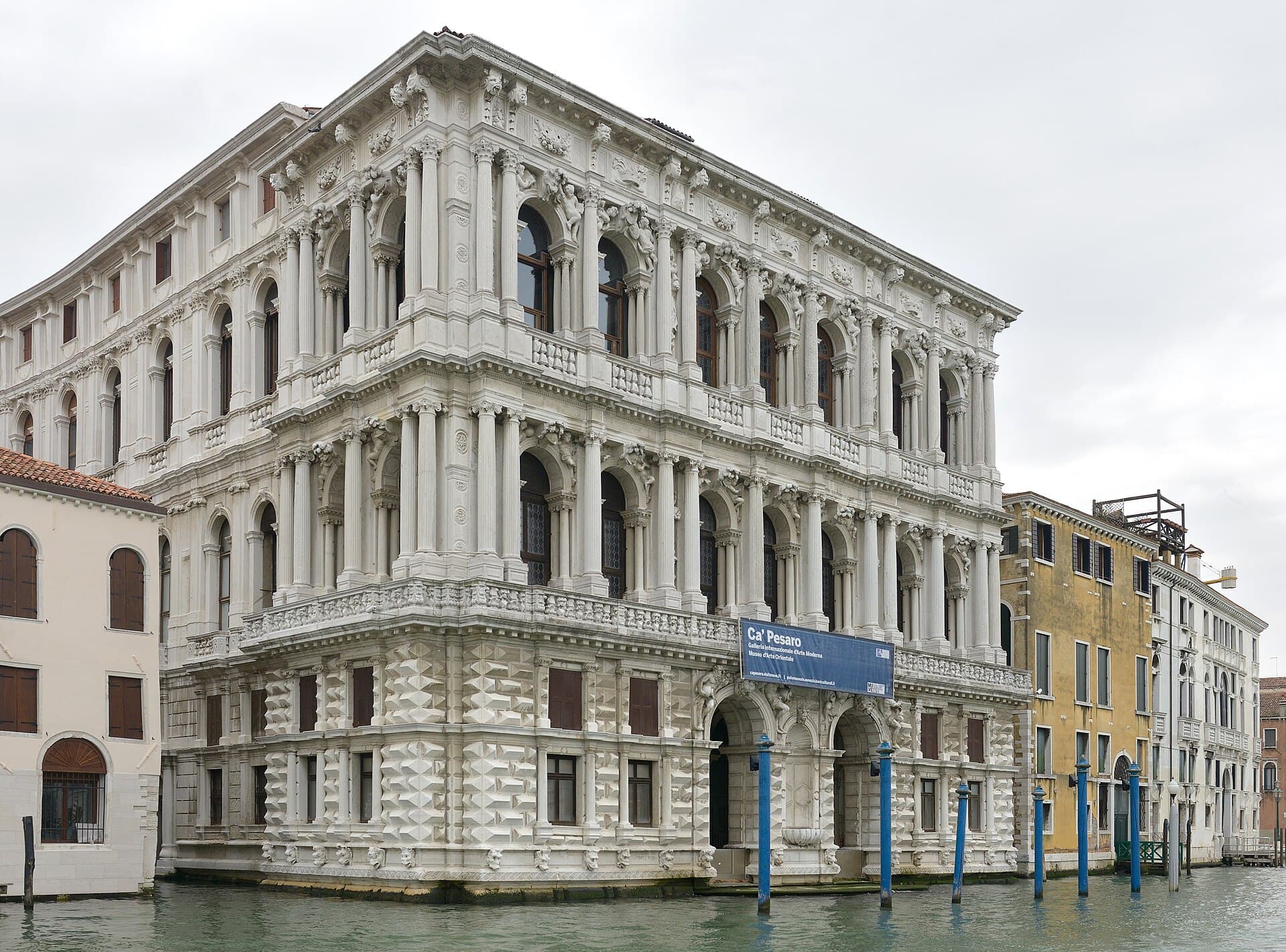 The Museum of Oriental ArtA museum of Asian art on the top floor of the Ca' Pesaro palace on the Grand Can6 minutes walk4.6
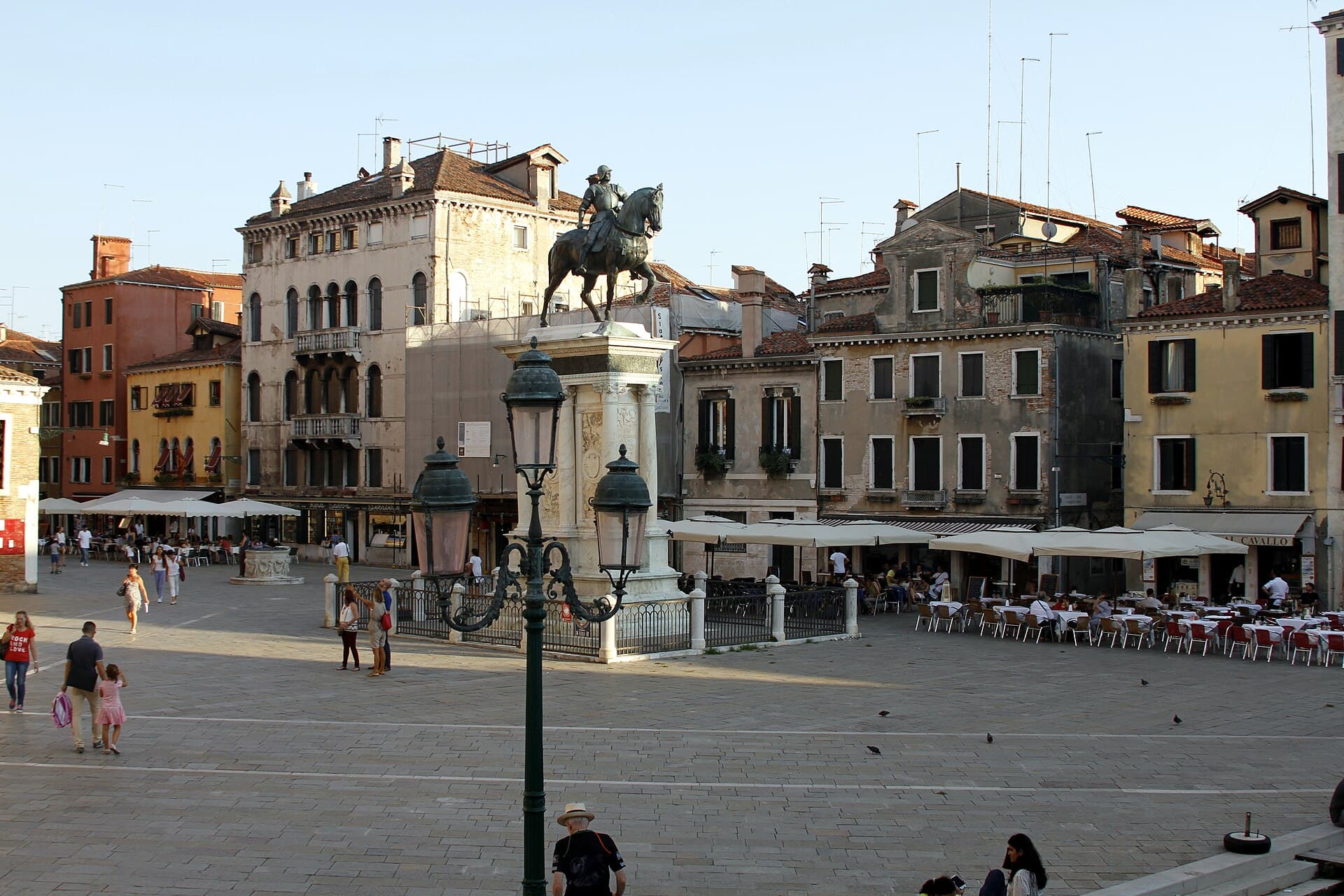 Campo Santi Giovanni e PaoloAmong the widest squares in Venice and the most densely packed with monuments, h6 minutes walk4.6
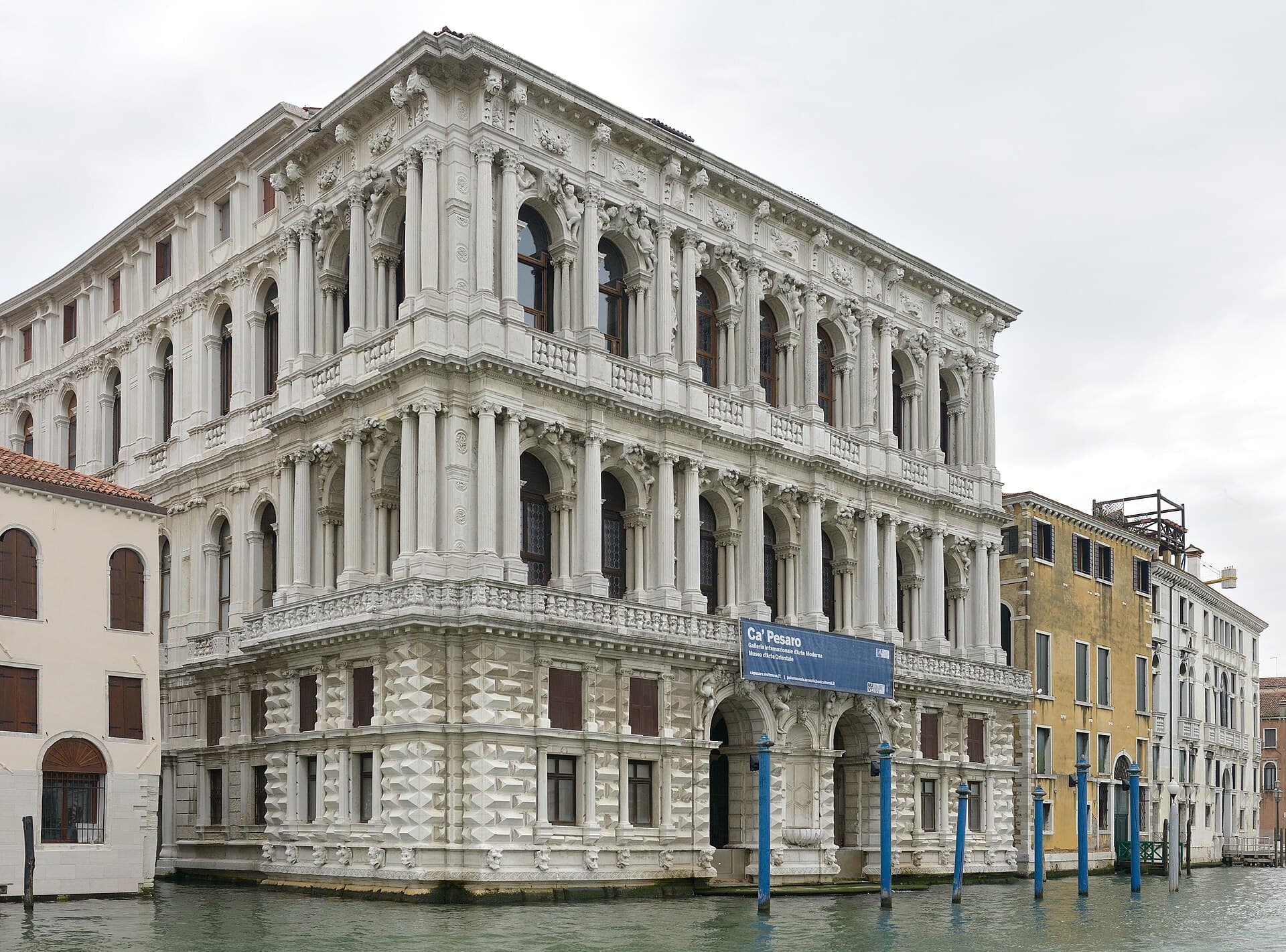 Ca' PesaroCa' Pesaro is the grandest Baroque palace on the Grand Canal, its heavy marble f6 minutes walk4.4
Because it was the heart of Venice's economy: the canal's only crossing, ringed by the market and the banks, so every cargo and every deal passed here. The fame was commercial before it was architectural — then the shape became an icon.
Before 9am with a market visit, then again after 10pm when it empties completely and the canal glows below — two entirely different crossings, both worth it.
The market right behind, San Polo's lanes and casual eating to its west, and the Frari ten minutes on. The far bank walks you back to St Mark's in fifteen minutes.