
Stone bridges
Over the Huanshan canal.
猫猫的日记本 — CC BY-SA 4.0 · 猫猫的日记本 — CC BY-SA 4.0 · 猫猫的日记本 — CC BY-SA 4.0 · Yumeto — CC BY-SA 4.0 · Yumeto — CC BY-SA 4.0 · Yumeto — CC BY-SA 4.0 · 猫猫的日记本 — CC BY-SA 4.0 · 猫猫的日记本 — CC BY-SA 4.0
An old street running a kilometre and a half from north to south through the heart of historic Shaoxing, lined on its west side by the Huanshan canal, which is crossed by a string of stone bridges, among them the Cang Bridge that gave the street its name, the Ming-dynasty Baozhu Bridge and the Southern Song Huangyi Bridge. It is lined with traditional houses from the late Qing dynasty and the early twentieth century, with white walls, black roofs and wooden doors, including forty-three «taimen», the gated houses where Shaoxing's large families once lived. The conservation of the quarter won a UNESCO Asia-Pacific heritage conservation award in 2003, and people still live here, so small shops, cafés and craft workshops mingle with daily life along the canal. The street is free and always open, per visitor guides. Early morning or the evening, when traffic quietens and the lanterns come on, are the loveliest times.
Over the Huanshan canal.
Forty-three of them.
In 2003.
South-east foot of Fushan hill, Yuecheng District, Shaoxing
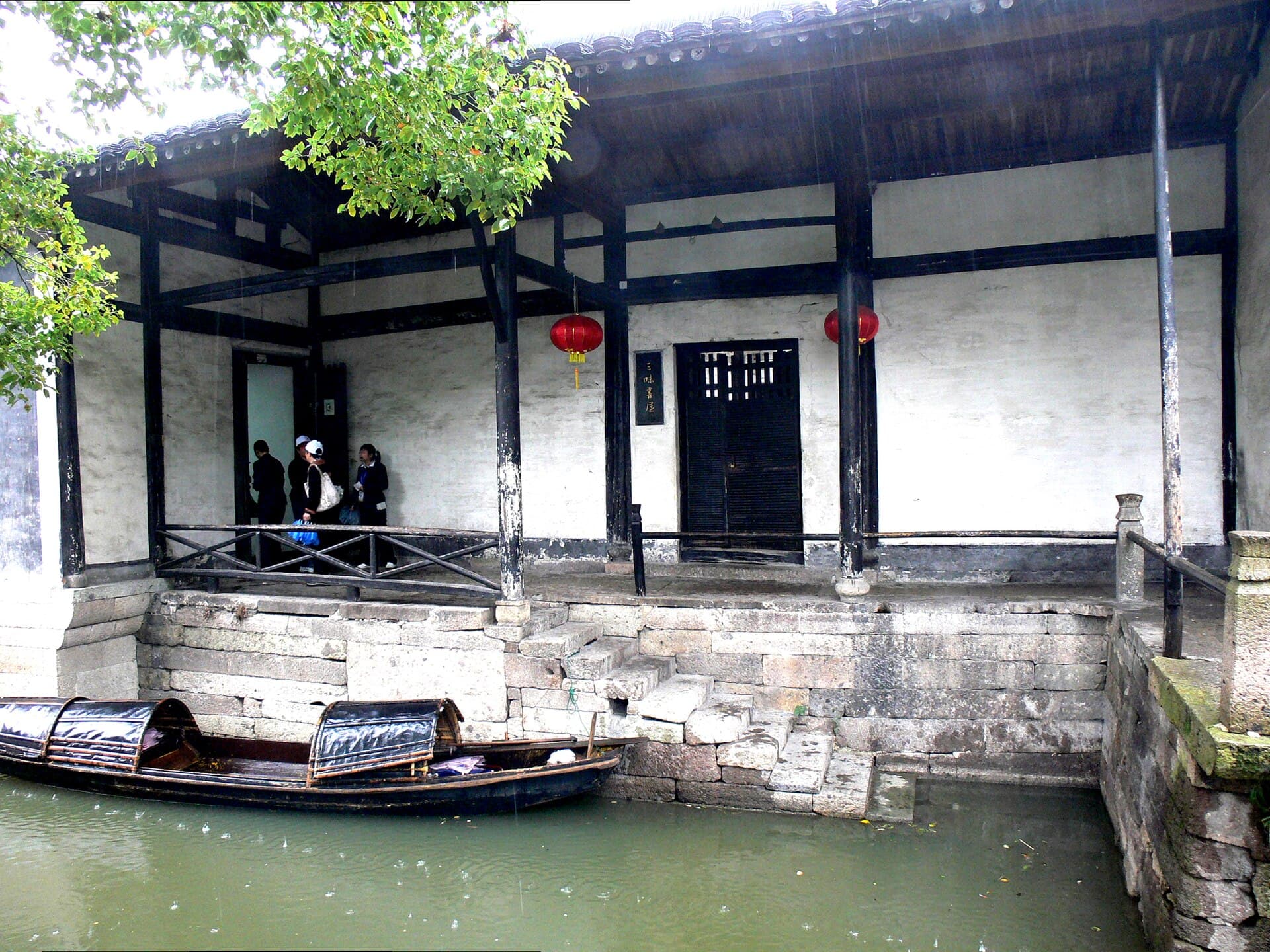 Lu Xun Native PlaceThe neighbourhood where Lu Xun was born and grew up, the pen name of Zhou Shuren13 minutes walk
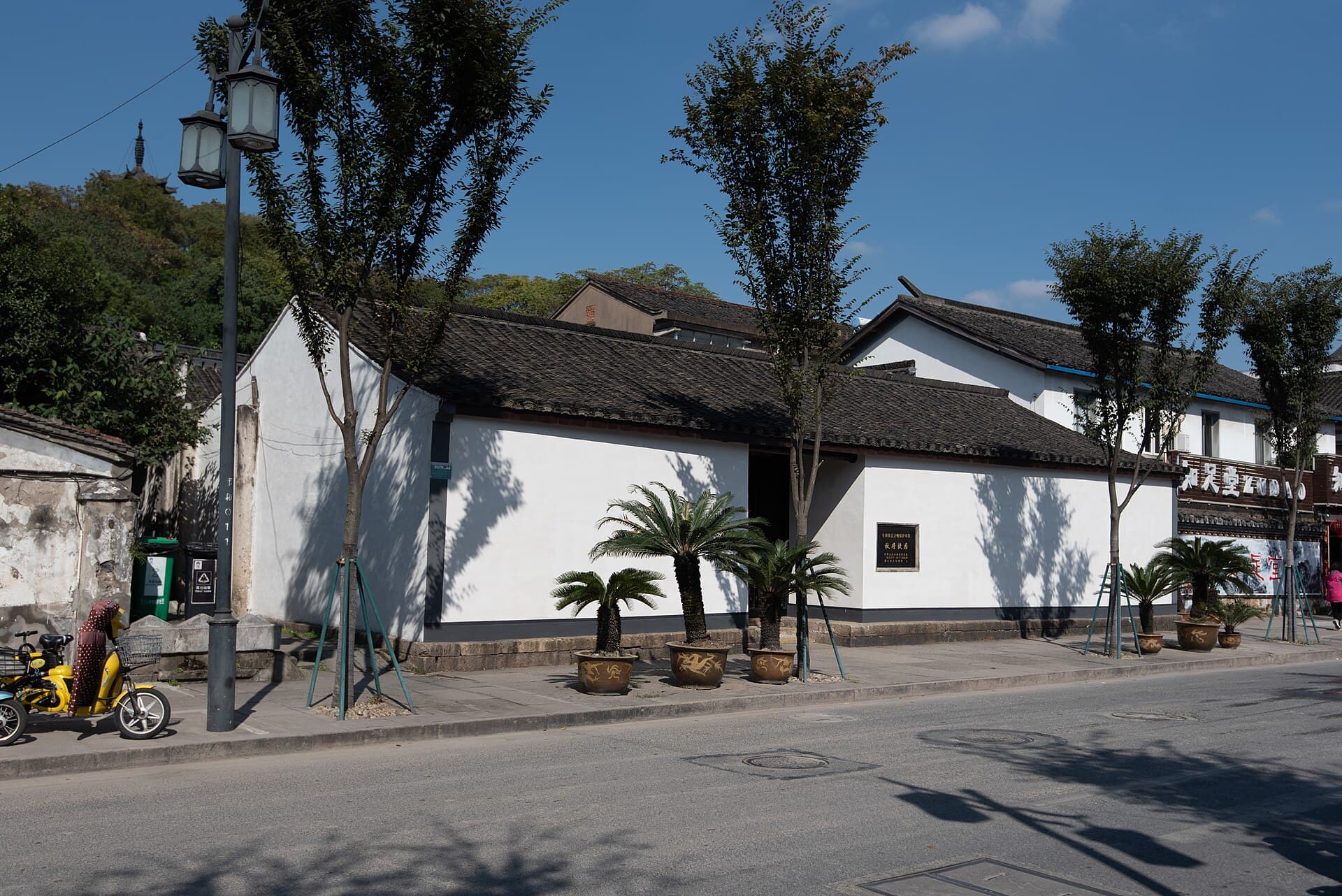 Qiu Jin's Former ResidenceThe home of Qiu Jin (1875–1907), the poet and pioneer of women's rights in China14 minutes walk
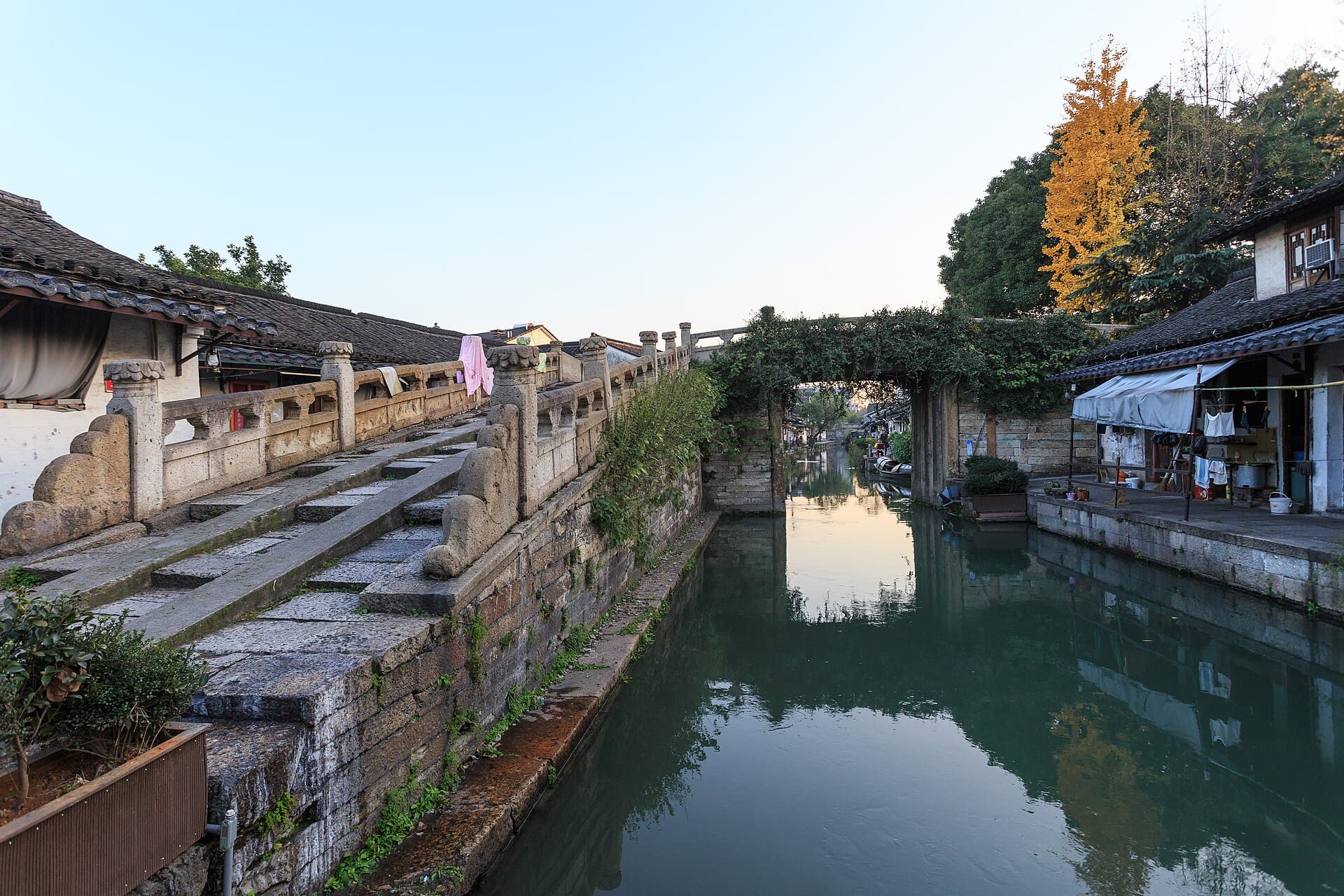 Bazi BridgeA Song-dynasty stone bridge counted among the oldest surviving bridges in China,17 minutes walk
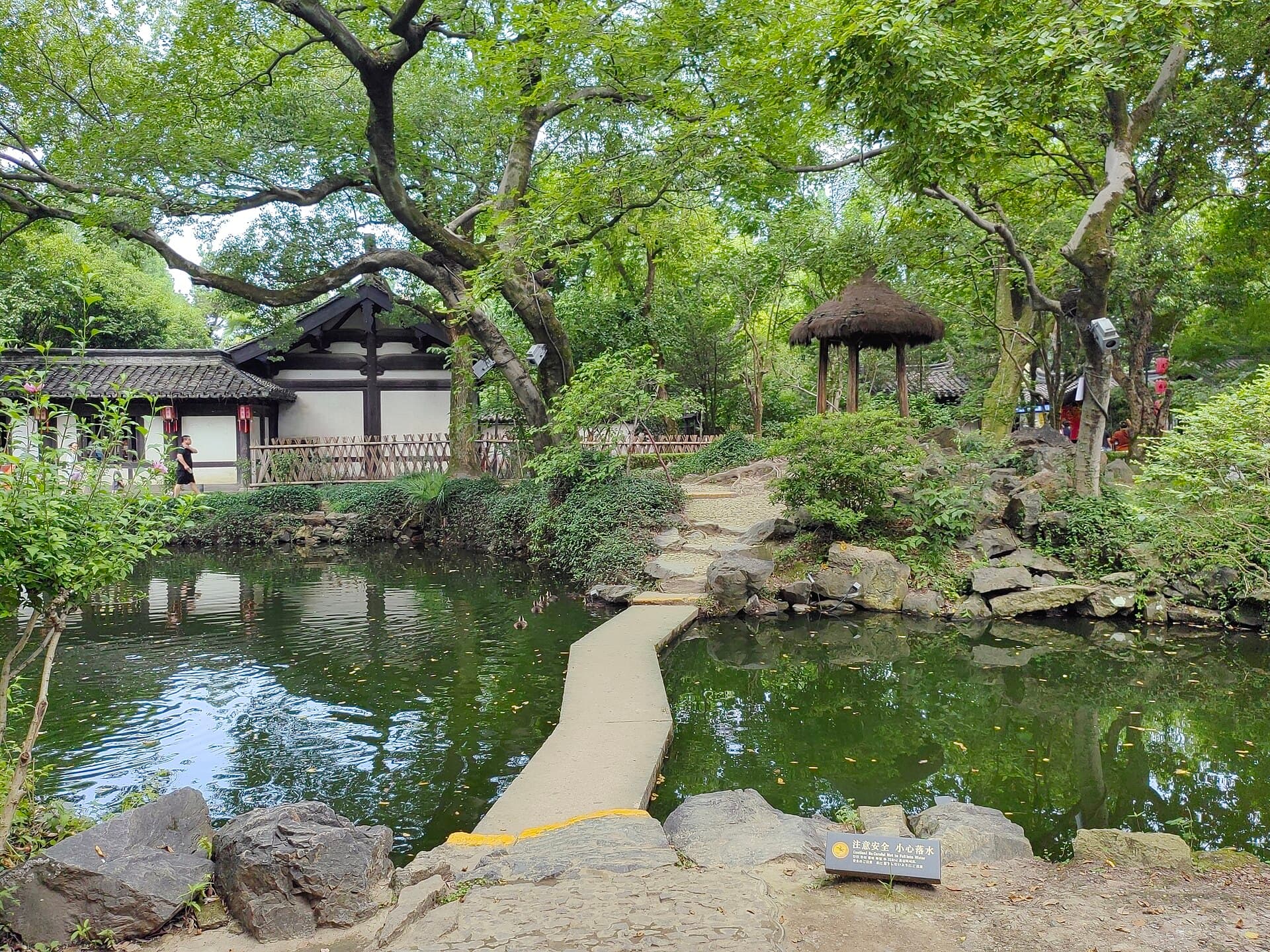 Shen GardenA garden in the style of the lands south of the Yangtze, tied to the most famous18 minutes walk
Yes, the street is free and always open, people still live there, and early morning or the evening are the best times, per visitor guides.