
The poet's room
And her papers.
Siyuwj — CC BY-SA 4.0 · 猫猫的日记本 — CC BY-SA 3.0 · Siyuwj — CC BY-SA 4.0 · 猫猫的日记本 — CC BY-SA 3.0 · 猫猫的日记本 — CC BY-SA 3.0 · 猫猫的日记本 — CC BY-SA 3.0 · 猫猫的日记本 — CC BY-SA 3.0 · 猫猫的日记本 — CC BY-SA 3.0
The home of Qiu Jin (1875–1907), the poet and pioneer of women's rights in China, who spent her girlhood here, went to study in Japan, came back to this house in 1906 and lived in it until she was executed in 1907 for her part in a movement against Qing rule. The house was originally part of a Ming-dynasty villa, bought by her grandfather in 1890 to spend his old age in; it is a brick-and-timber building of more than 900 square metres made up of five successive courtyards in the traditional style of Shaoxing houses. Its rooms show the family's furniture with photographs, letters and writings of the poet, including her bedroom and the hidden spot where she is said to have kept her papers, and the house became a protected national monument in 1988. Entry is free with advance booking, and it opens from 8:30 to 17:00, per visitor guides. It is a few minutes' walk from Lu Xun Native Place.
And her papers.
In Shaoxing style.
Minutes on foot.
35 Hechangtang, south-west foot of Tashan hill, Yuecheng District, Shaoxing
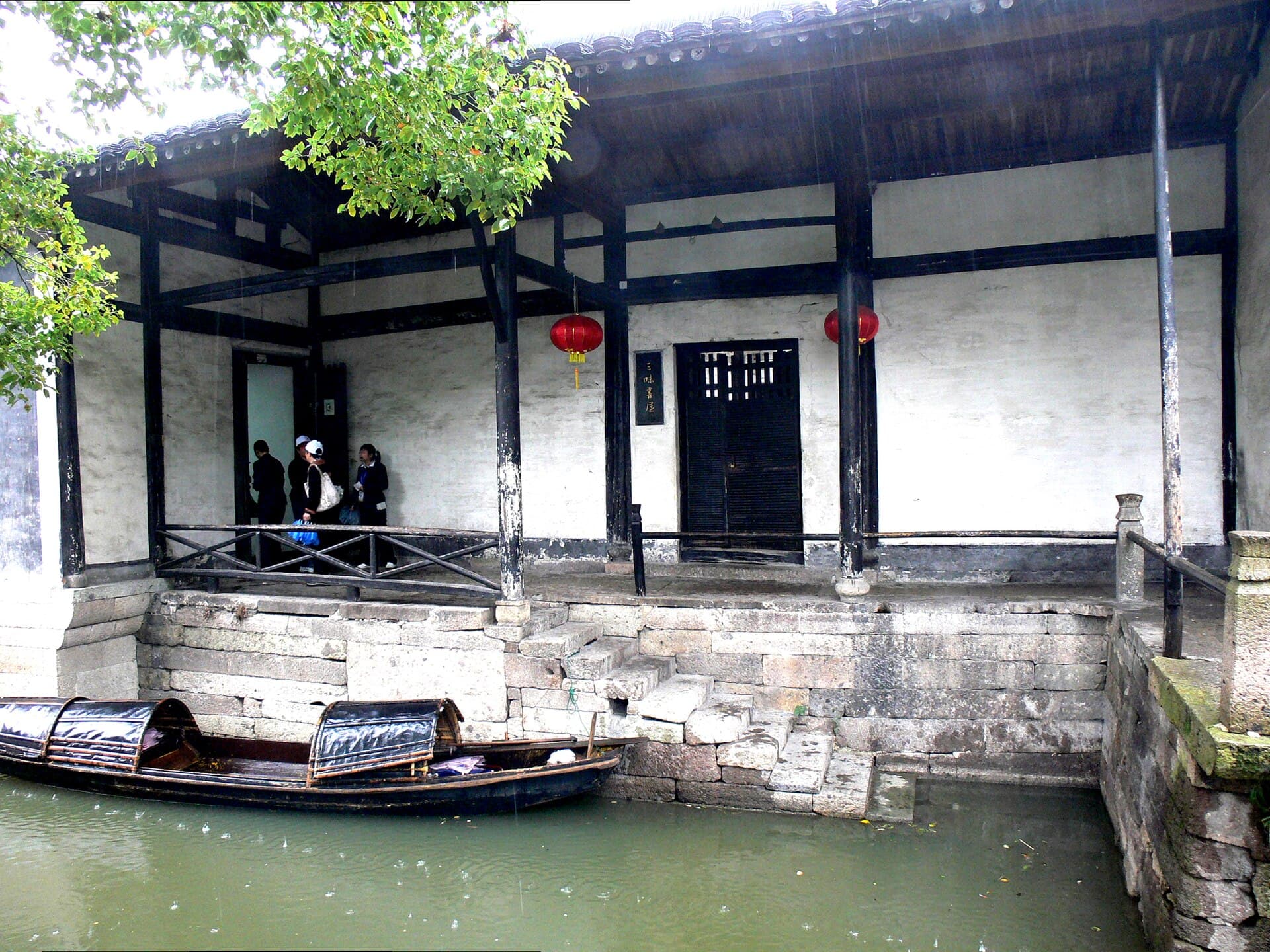 Lu Xun Native PlaceThe neighbourhood where Lu Xun was born and grew up, the pen name of Zhou Shuren11 minutes walk
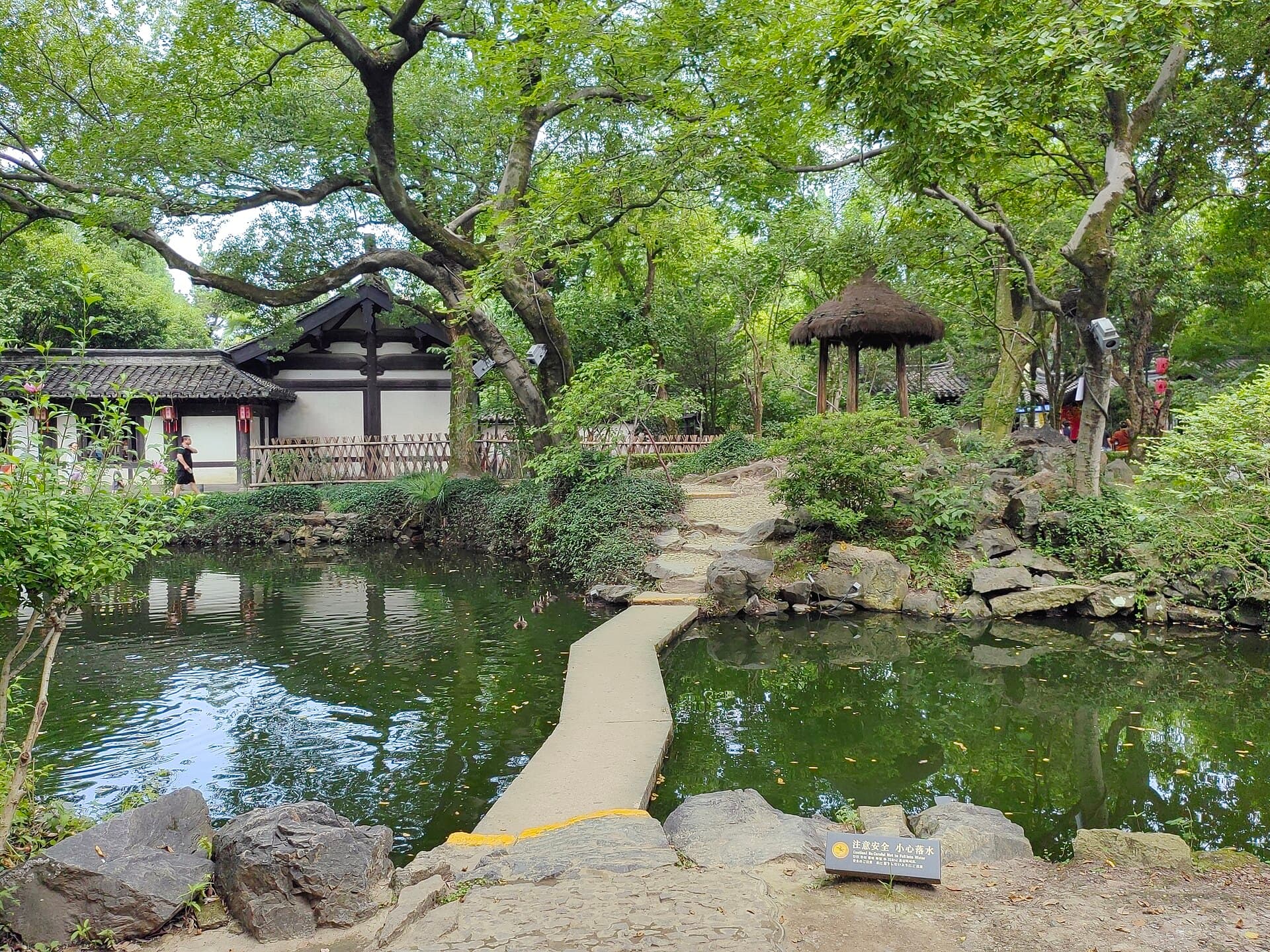 Shen GardenA garden in the style of the lands south of the Yangtze, tied to the most famous13 minutes walk
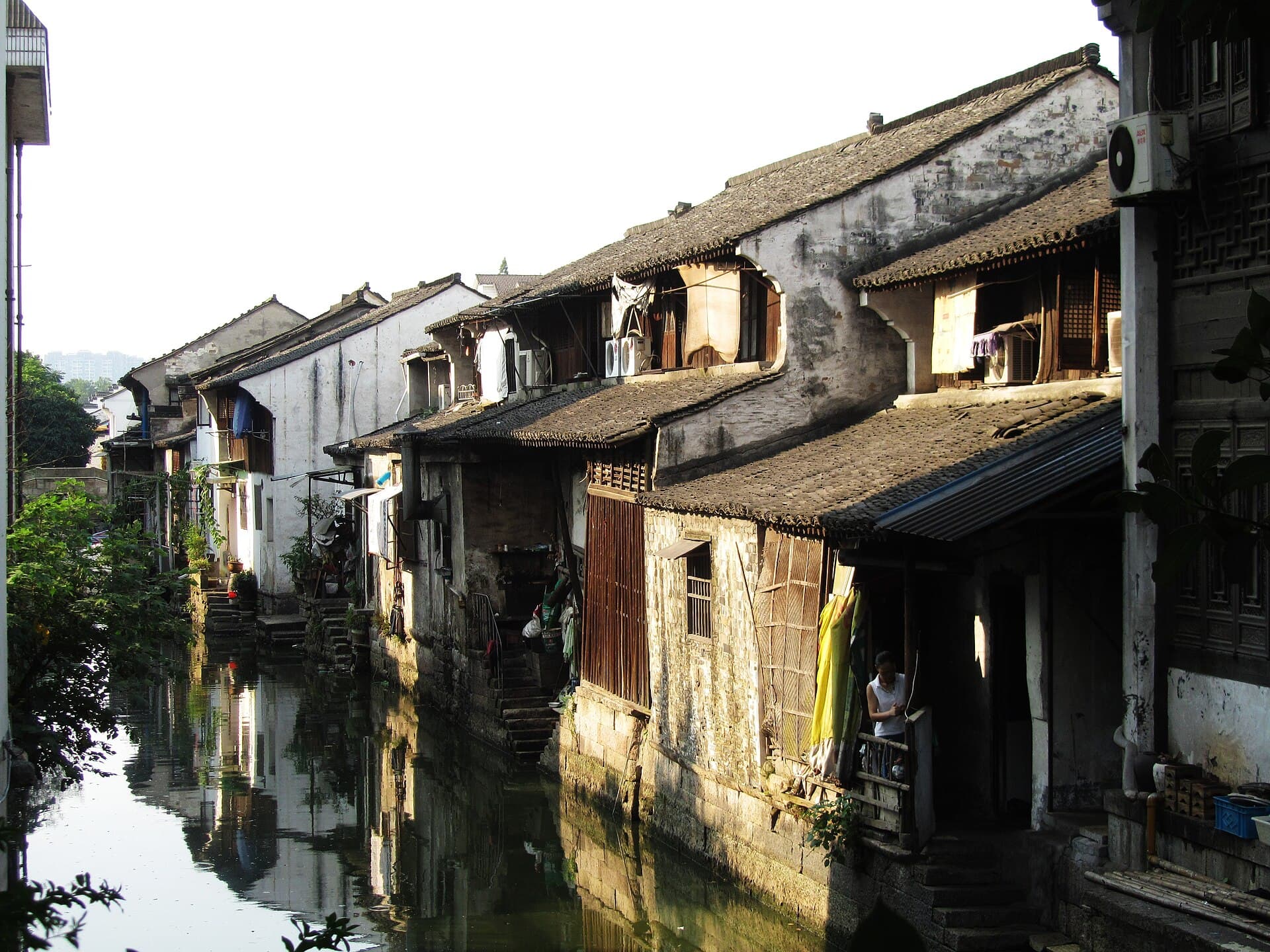 Cangqiao Straight StreetAn old street running a kilometre and a half from north to south through the hea14 minutes walk
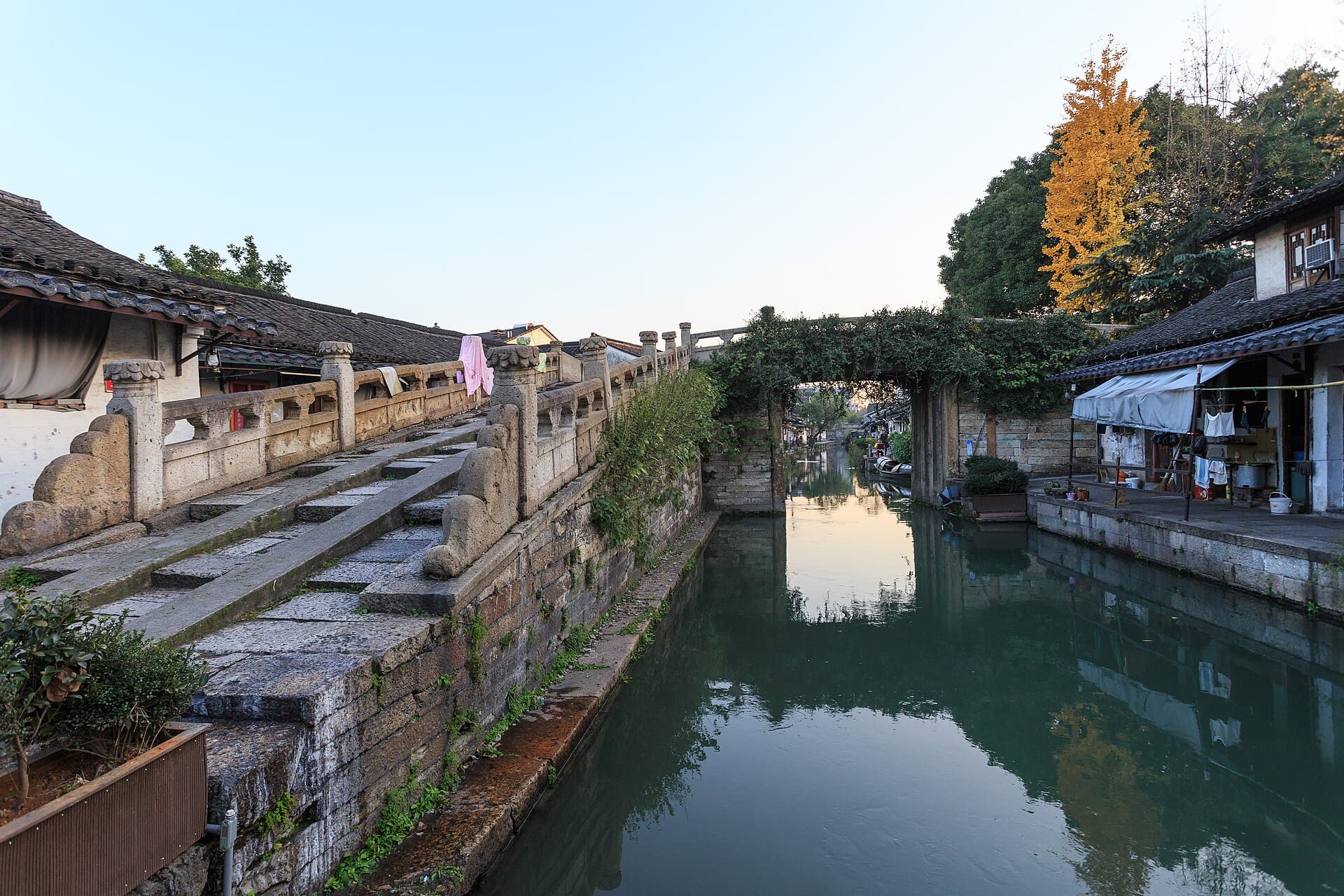 Bazi BridgeA Song-dynasty stone bridge counted among the oldest surviving bridges in China,22 minutes walk
Yes, entry is free with advance booking, and it opens from 8:30 to 17:00, per visitor guides.