
Poem wall
Lu You and Tang Wan.
Yumeto — CC BY-SA 4.0 · kingwill — CC BY-SA 3.0 · 猫猫的日记本 — CC BY-SA 4.0 · stone wu — CC BY-SA 3.0 · Zhou Guanhuai — CC BY-SA 4.0 · stone wu — CC BY-SA 3.0 · 猫猫的日记本 — CC BY-SA 3.0 · stone wu — CC BY-SA 3.0
A garden in the style of the lands south of the Yangtze, tied to the most famous love story in Chinese poetry, that of the Southern Song poet Lu You (1125–1210) and his first wife Tang Wan, who were parted on his mother's orders and met again by chance years later in the Shen family's garden. The story goes that Lu You wrote his poem «The Phoenix Hairpin» on the garden wall that day in grief for what was lost, and Tang Wan answered with a poem to the same tune before dying soon afterwards; the poet came back to the garden as an old man in 1192 and wrote poems remembering her, and both poems are still carved on a wall in the garden. The garden as it stands today has ponds, rockeries, stone bridges and pavilions among the trees; scholars disagree whether it matches the site of the Song-era Shen garden, but tradition makes it the meeting place, and evening shows bring the story to life with music and lights. A day ticket costs CNY 40, with opening from 8:00 to 17:00 and last entry at 16:40, while the evening show costs CNY 80 between 18:30 and 21:30, per visitor guides. It is a few minutes from Lu Xun Native Place.
Lu You and Tang Wan.
A southern garden.
Music and lights.
Yanghe Lane, Yuecheng District, south-east old Shaoxing
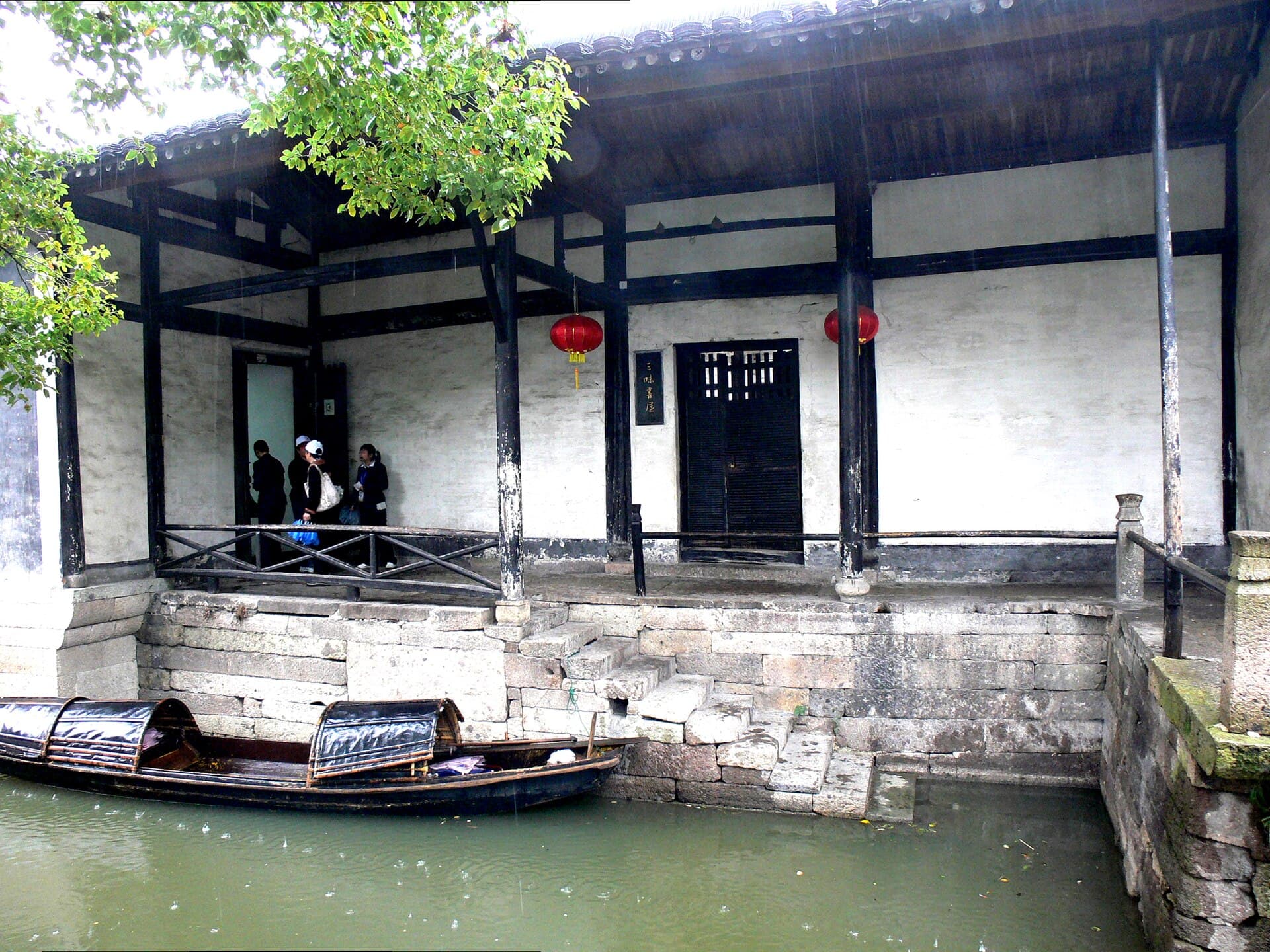 Lu Xun Native PlaceThe neighbourhood where Lu Xun was born and grew up, the pen name of Zhou Shuren5 minutes walk
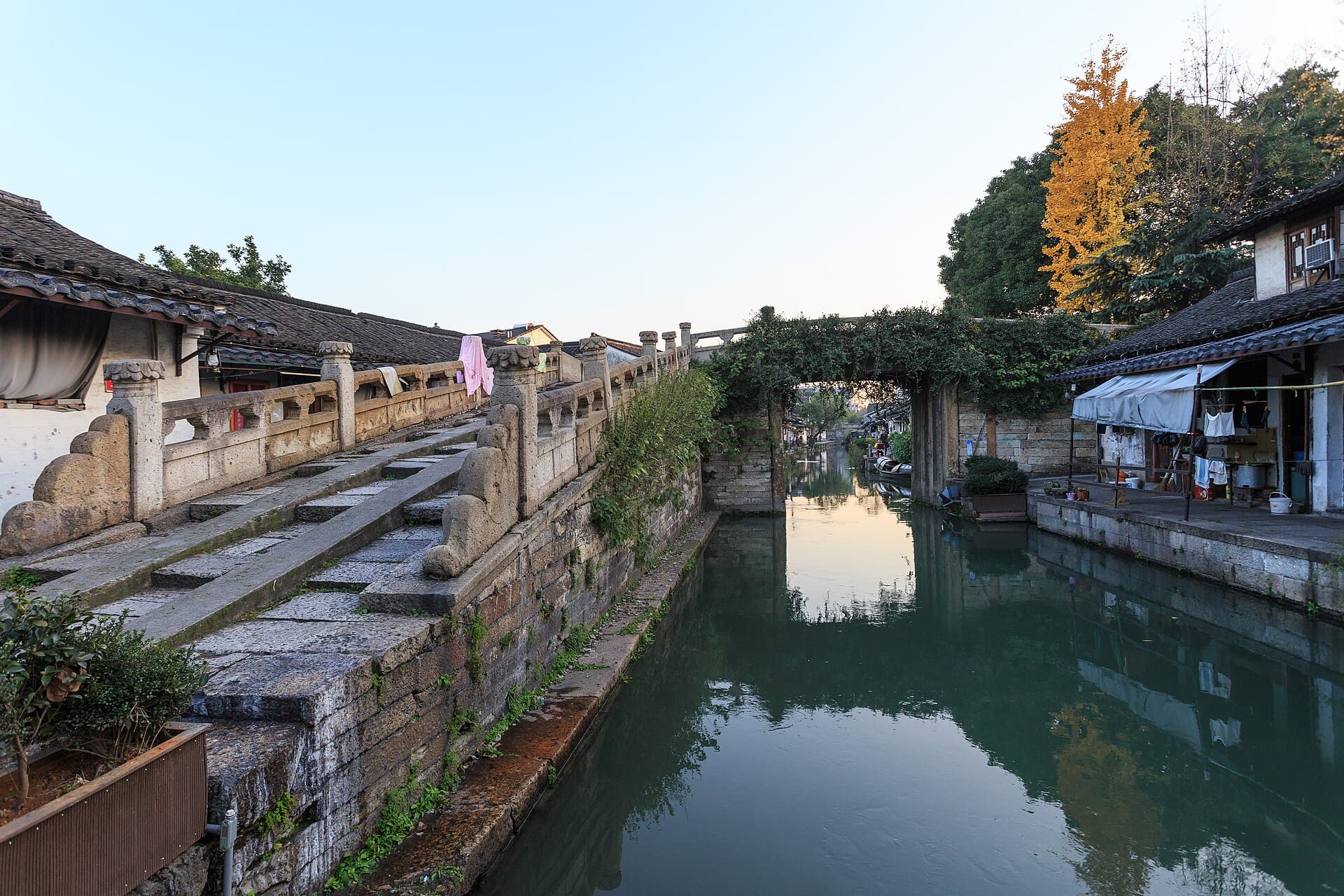 Bazi BridgeA Song-dynasty stone bridge counted among the oldest surviving bridges in China,13 minutes walk
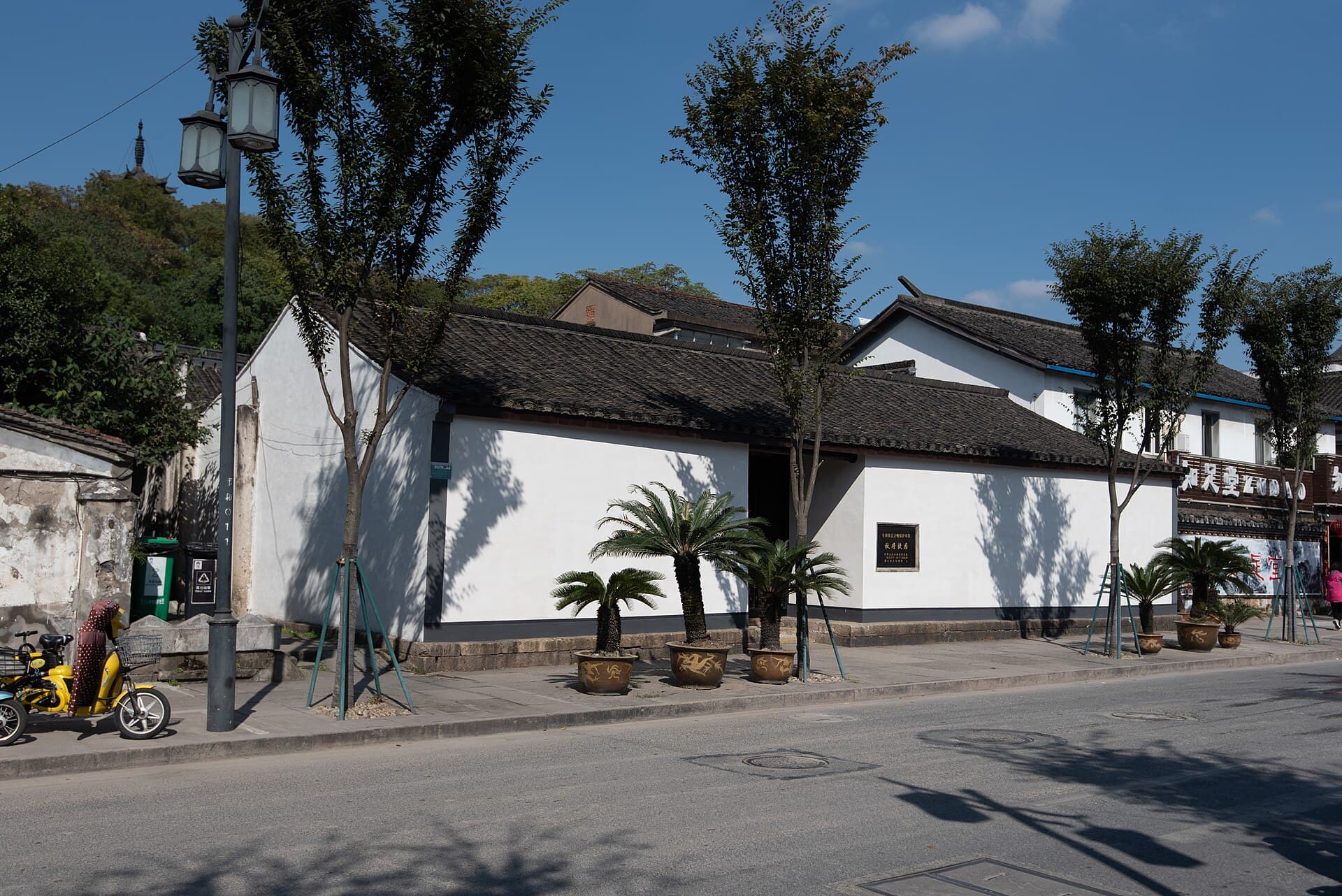 Qiu Jin's Former ResidenceThe home of Qiu Jin (1875–1907), the poet and pioneer of women's rights in China13 minutes walk
 Cangqiao Straight StreetAn old street running a kilometre and a half from north to south through the hea18 minutes walk
The story goes that the poet Lu You met his first wife Tang Wan here by chance after they had been parted, wrote the poem «The Phoenix Hairpin» on its wall, and she answered with a poem; both are still carved in the garden.