
Madonna of the Stairs
A relief carved before Michelangelo turned seventeen, rising only millimetres from the marble, and the earliest surviving sculpture from his hand.
Gary Campbell-Hall — CC BY 2.0 · Sailko — CC BY 3.0 · Sailko — CC BY 3.0 · Sailko — CC BY 3.0
In a single first-floor room stand two marble reliefs carved by a boy not yet seventeen. A decade before the David, a full generation before the Sistine ceiling, Michelangelo was an adolescent apprentice in the Medici garden producing the Madonna of the Stairs: a relief that barely lifts a few millimetres off the surface of the stone, its Virgin turning her face away from the sleeping child in her lap as though she already knows what is coming. Beside it hangs the Battle of the Centaurs, a churning mass of interlocked bodies he left unfinished and kept in his own house until he died seventy years later. These are the earliest surviving sculptures from his hand, and they are here alone — not in the Uffizi, not in the Accademia. The house itself, though, is not his home in the way visitors imagine. Michelangelo bought the property in 1508 and lived in part of it between 1516 and 1525 while working on the facade of San Lorenzo, but the gilded ceilings and formal rooms you walk through are the invention of his great-nephew, Michelangelo Buonarroti the Younger, who spent decades of the 17th century turning his ancestor's real estate into a family shrine. He hired the best painters of his day to cover the ceilings with scenes from the great man's life — among them Artemisia Gentileschi, whose figure of Inclination in the Gallery was painted over with drapery in the 1680s by Baldassarre Franceschini, called il Volterrano, because her nudity proved too much for the family. The result is a biography painted in retrospect: a house that tells you what the Buonarroti wanted said about Michelangelo, not what he was. Let us be blunt, in a city as saturated as Florence: this is not a stop for someone with two days. On a first trip your hours belong to the Accademia, the Uffizi and the Duomo complex, all of which you will need to book weeks ahead. Casa Buonarroti is a second-visit museum — for the traveller who has already seen the David, or who genuinely wants to understand how the David became possible. It is also distinct from the nearby Bargello: the Bargello shows the mature Michelangelo alongside Donatello, whereas here you stand in front of what came before the legend. The original drawings in his own hand are rotated in short displays to protect them from light, so do not come for those alone. Practically: it sits on Via Ghibellina, roughly two hundred metres from Santa Croce and a ten-minute walk from the Duomo, in a comparatively calm quarter. The museum is small and often close to empty — you may well have the marble to yourself, a rare luxury in this city. No advance booking is needed; walk up and buy at the door. Anyone holding a Santa Croce complex ticket issued within the previous three days pays the reduced 5 euro rate, which makes sense given that Michelangelo's tomb is a few minutes away inside that church. The neighbourhood has a few halal places to eat, and Florence's mosque is minutes away on Piazza dei Ciompi, where it moved from Borgo Allegri in 2024; everything is within walking distance. Fine for older children with an interest in art, but there is nothing here to entertain small ones: a handful of rooms and silence.
A relief carved before Michelangelo turned seventeen, rising only millimetres from the marble, and the earliest surviving sculpture from his hand.
In the Gallery she painted the figure of Inclination; il Volterrano added drapery in the 1680s because the family found the nude too much.
Quiet, often near-empty rooms minutes from the crush around the Duomo — a rare luxury in Florence.
Via Ghibellina 70, 50122 Florence, Italy
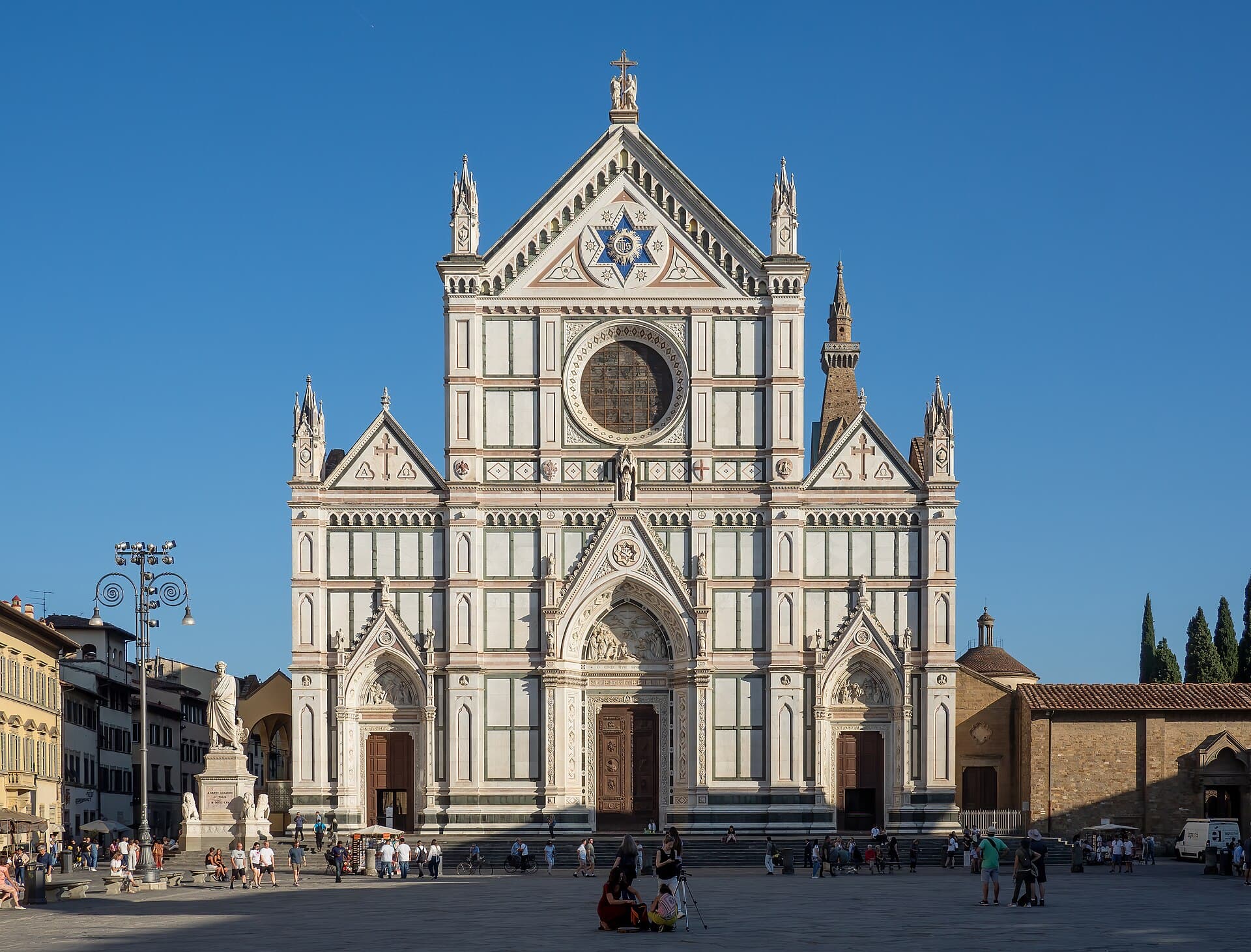 Santa CroceSanta Croce is the Pantheon of Italy: the largest Franciscan church in the world2 minutes walk4.9
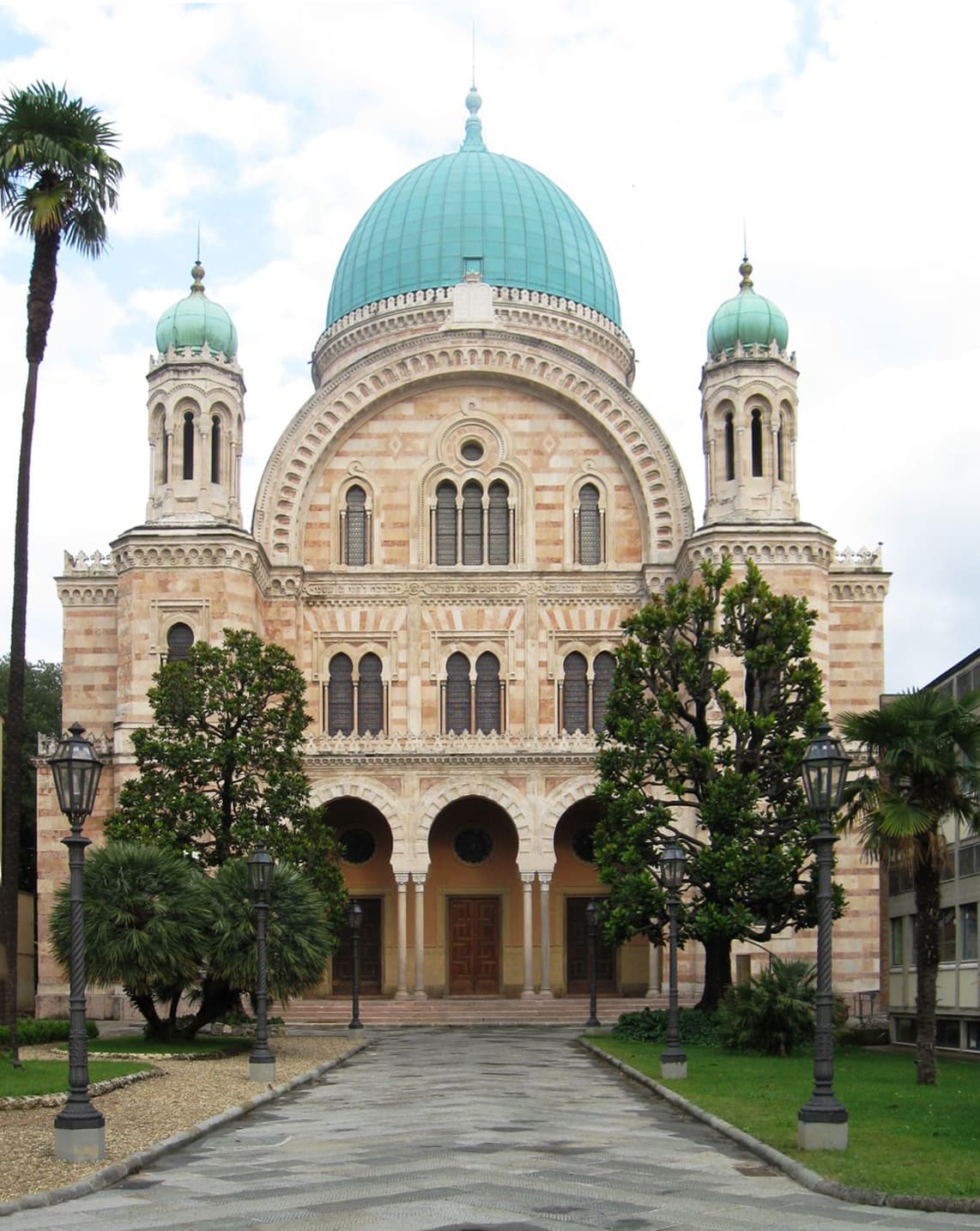 Great Synagogue and Jewish Museum of FlorenceFrom Piazzale Michelangelo, in the middle of that ocean of red roof tiles, a gre5 minutes walk4.6
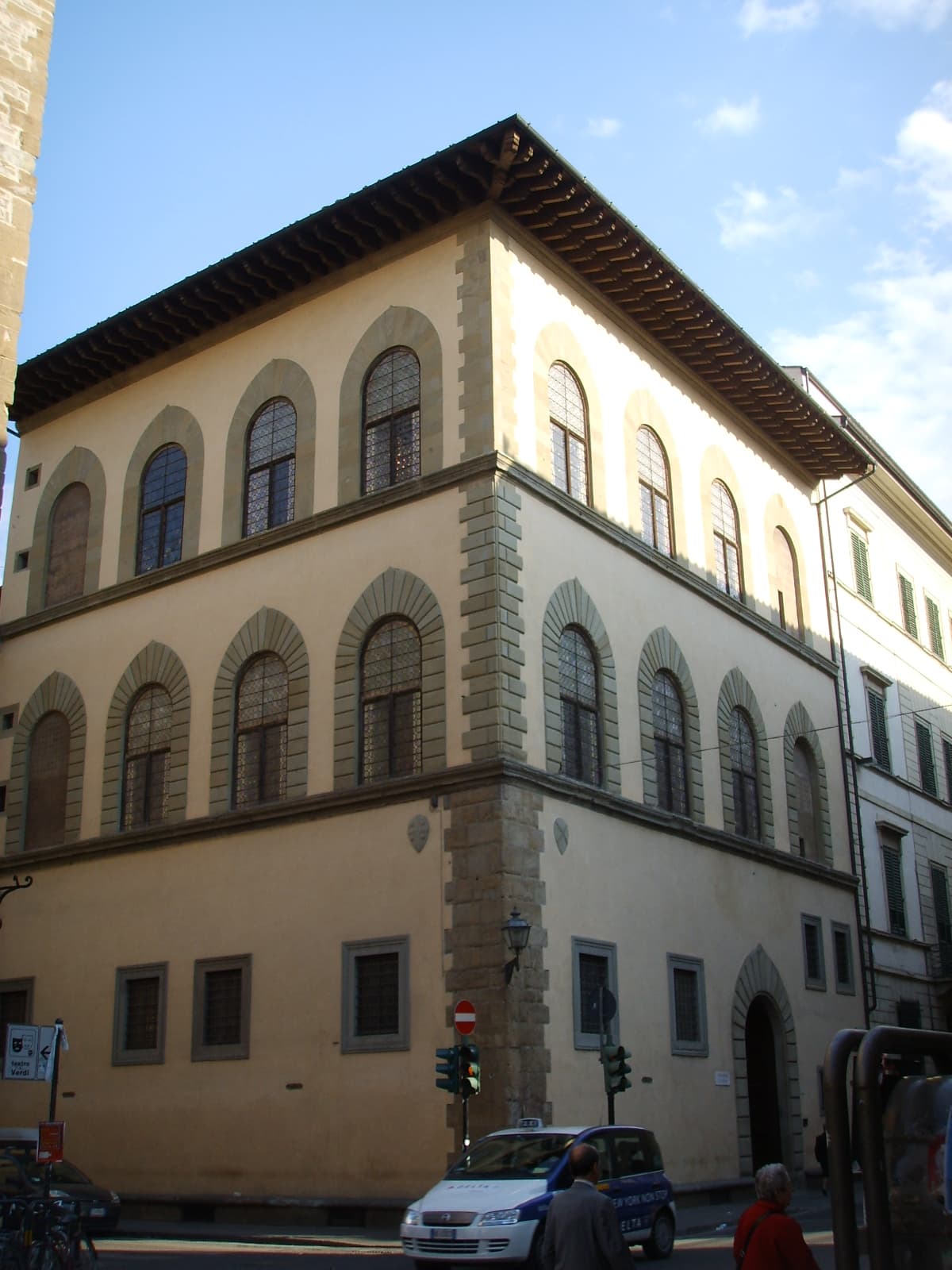 Horne MuseumIn a city where people book the Uffizi weeks out and queue around the block, the5 minutes walk4.5
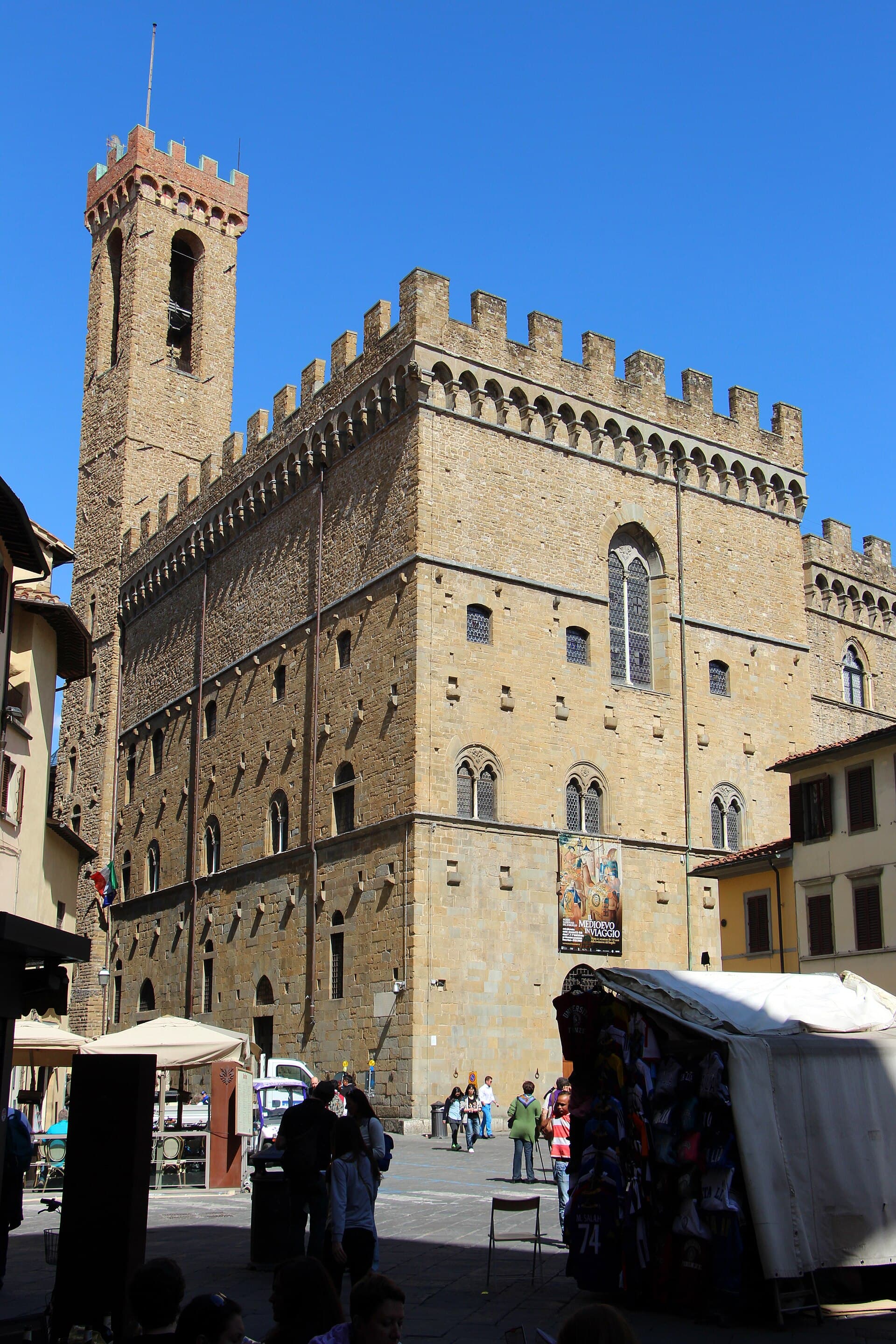 Bargello MuseumThe Bargello is to Renaissance sculpture what the Uffizi is to its painting — mi6 minutes walk4.6
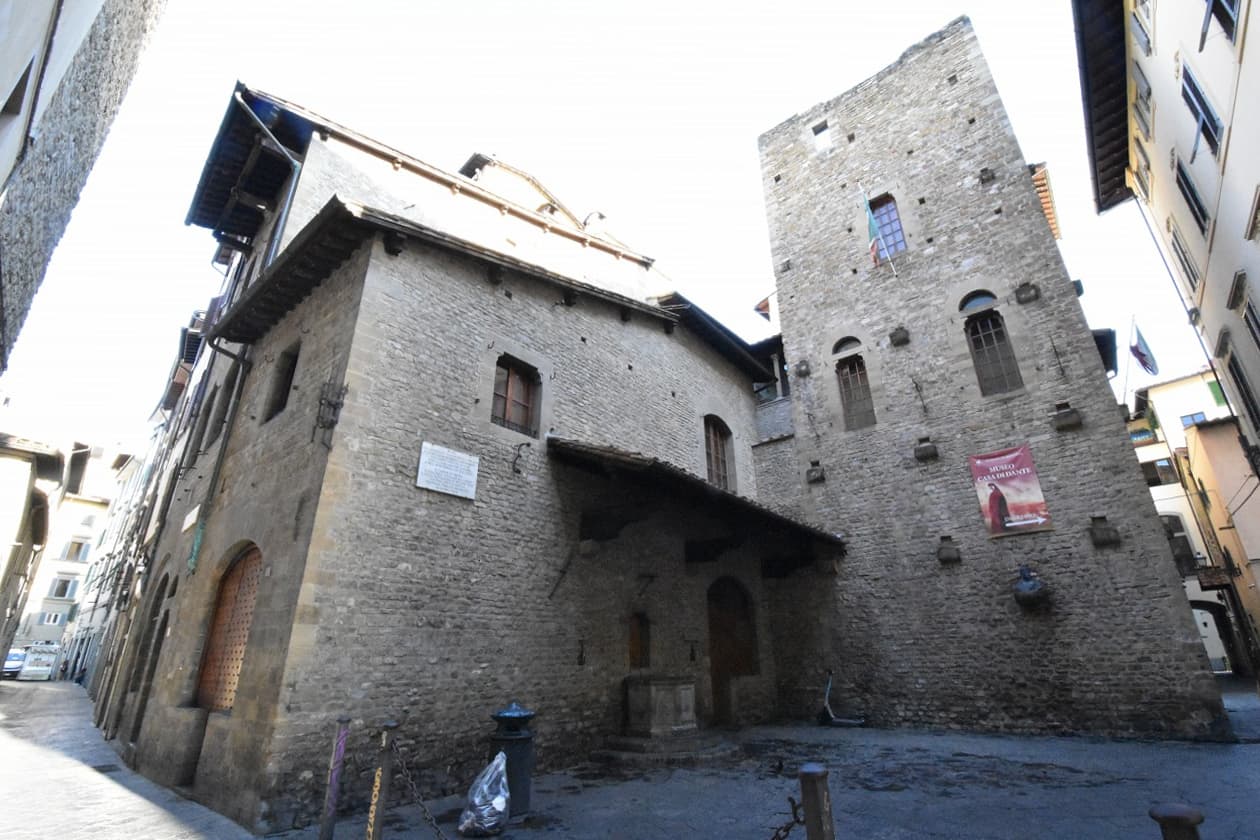 Dante's House MuseumDante Alighieri never spent a single night in this house. The stone building you7 minutes walk3.7
Honestly, no. Two days barely covers the Accademia, the Uffizi and the Duomo complex, all of which need booking weeks ahead. Casa Buonarroti is a small, quiet museum that rewards a repeat visitor or a committed Michelangelo enthusiast. Save it for next time without regret.
The Bargello holds his mature work — the Bacchus, the Brutus — alongside Donatello and Verrocchio, and it is a first-rate sculpture museum. Casa Buonarroti shows what he carved as a teenager, before he was Michelangelo, inside a house his family shaped to glorify him. If you must choose one, choose the Bargello. But they are a seven-minute walk apart and pair easily in a single morning.