
A Giotto on a domestic wall
The small Santo Stefano panel hangs in a lived-in room rather than a gallery, and you will rarely share it with anyone.
sailko — CC BY 2.5 · Francesco Bini — CC BY-SA 4.0 · Francesco Bini — CC BY-SA 4.0 · Francesco Bini — CC BY-SA 4.0
In a city where people book the Uffizi weeks out and queue around the block, there is a small panel by Giotto hanging on the wall of a house three minutes from Santa Croce, and you may well be the only person in the room. The house is Palazzo Corsi, rebuilt in the late fifteenth century to a design usually attributed to Simone del Pollaiolo, known as Cronaca, though some scholars give it to Giuliano da Sangallo. It was bought in 1911 by Herbert Percy Horne, an English architect and art historian who was among the first serious scholars of Botticelli, and who spent his last years restoring it and filling it. He died in 1916 before the work was finished, and left the palace and everything in it to the Italian state. What makes the place unusual is not how many paintings it holds but how they are shown. Horne refused to turn his house into a gallery of white walls and wall labels. He arranged it as a Florentine merchant's home of the Renaissance was meant to look: panels hung above carved wooden chests, majolica in its proper place, Renaissance knives and forks laid out beside the chairs and tables. Among that furniture sits Giotto's saint, a small Masaccio, works by Filippino Lippi, Piero di Cosimo and Benozzo Gozzoli, and a Beccafumi tondo in a carved gilt frame strikingly close to the one around Michelangelo's Doni Tondo in the Uffizi. The effect is odd and persuasive: you understand all at once that these panels were never made to hang in museums, but to live in rooms where people ate and slept. A plain word about Florence. If you have two days here, this is not your museum. The Uffizi and the Accademia come first, then the Duomo complex and the Bargello. The Horne is a second-visit or third-visit museum, or the museum for a traveller worn down by crowds who wants an hour of breathing space inside a Renaissance building without being shoved from behind. It is genuinely small: an hour covers it, less if you are pressed. No advance booking for individuals, no queue, no timed entry. The practical detail that matters most is that it shuts at two in the afternoon every day, and closes entirely on Wednesdays and public holidays. It is a morning plan and nothing else; it will not fill an afternoon. Via de' Benci is a few minutes' walk from Santa Croce and about ten from the Duomo, and the Islamic Community of Florence and Tuscany has moved its prayer hall to Piazza dei Ciompi, a few minutes north of Santa Croce, with scattered halal restaurants nearby. A lift connects the floors, so the museum route is reachable by wheelchair and there are accessible toilets. As for children: it is quiet, safe and holds nothing frightening, but there are no screens and nothing interactive. A teenager who likes art will enjoy it; a small child will be bored within ten minutes.
The small Santo Stefano panel hangs in a lived-in room rather than a gallery, and you will rarely share it with anyone.
Horne arranged his collection among carved chests, majolica and Renaissance cutlery, so you see how these paintings lived before museums existed.
No booking, no queue, no timed entry: it is the quietest thing you will find ten minutes from the Duomo.
Via de' Benci 6, 50122 Florence FI, Italy
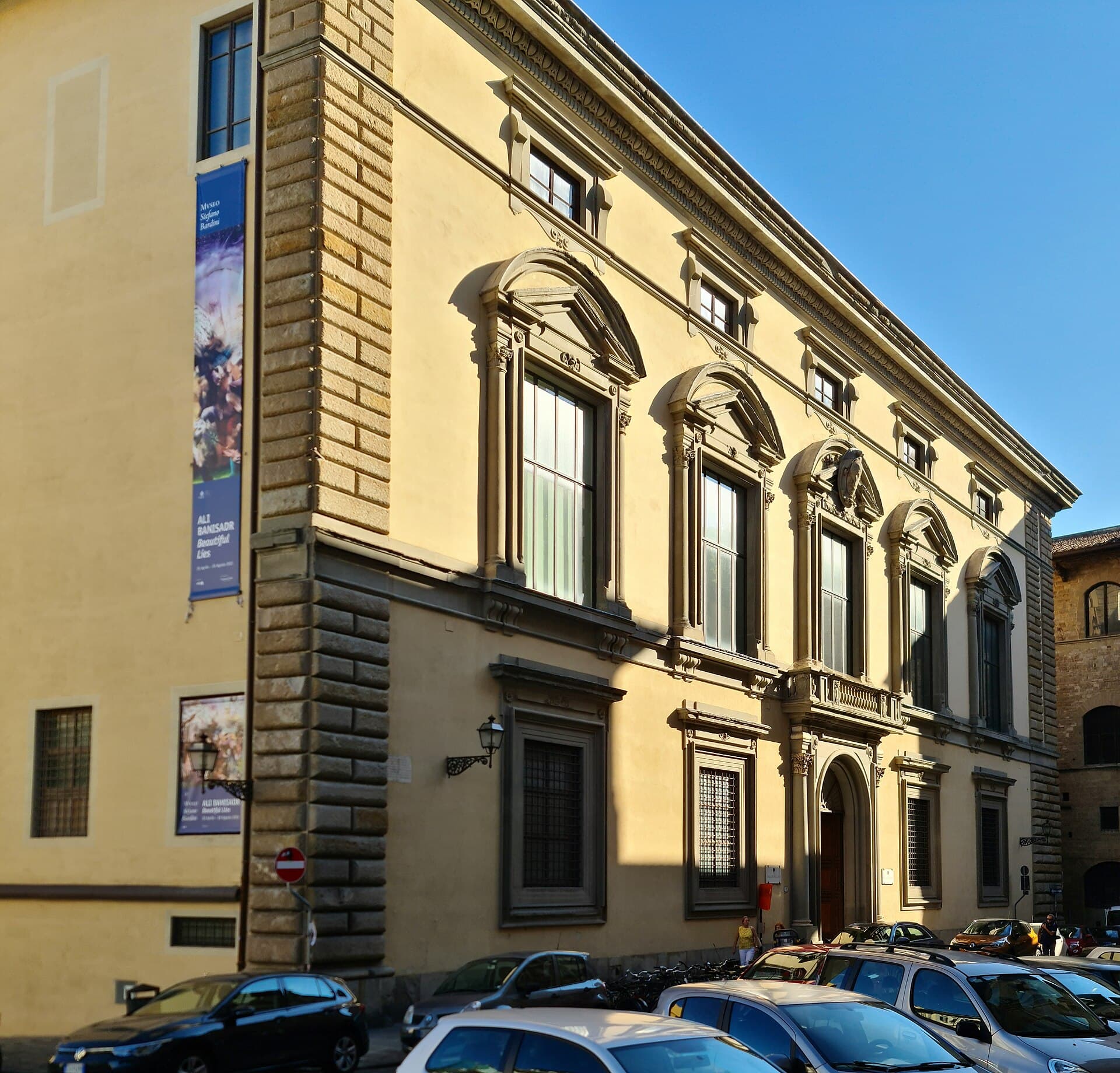 Stefano Bardini MuseumThe walls are a deep, saturated blue, and that colour alone half justifies the t3 minutes walk4.7
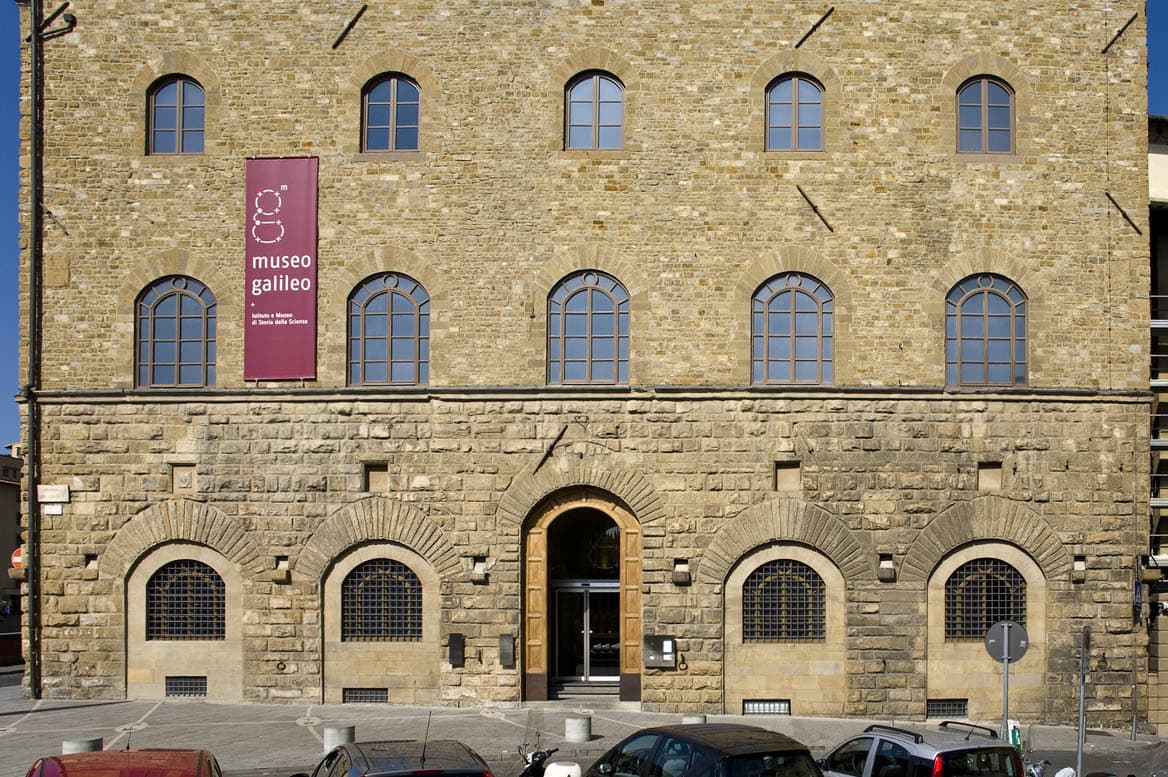 Museo GalileoDirectly behind the Uffizi on the riverbank stands the Museo Galileo — Florence'3 minutes walk4.6
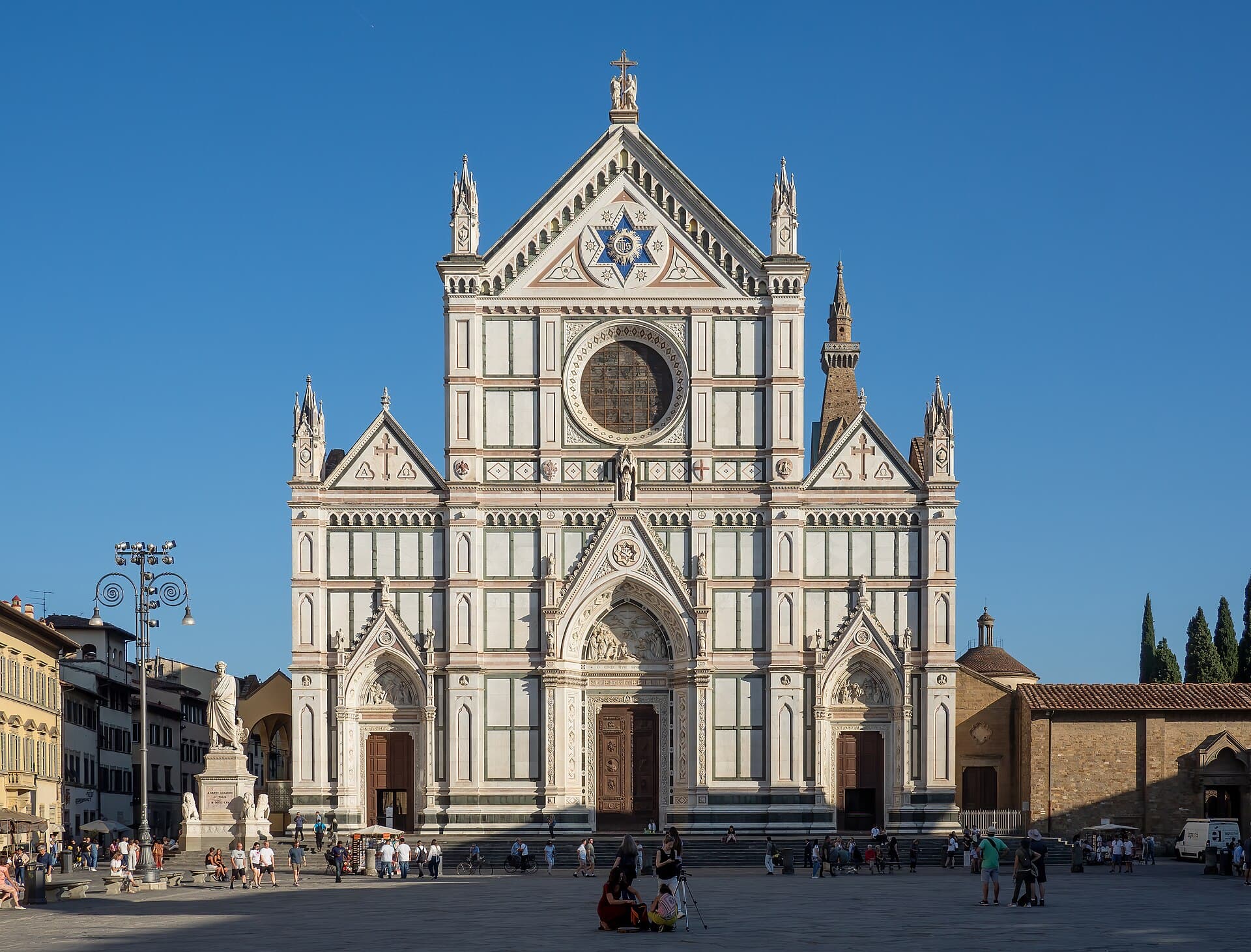 Santa CroceSanta Croce is the Pantheon of Italy: the largest Franciscan church in the world4 minutes walk4.9
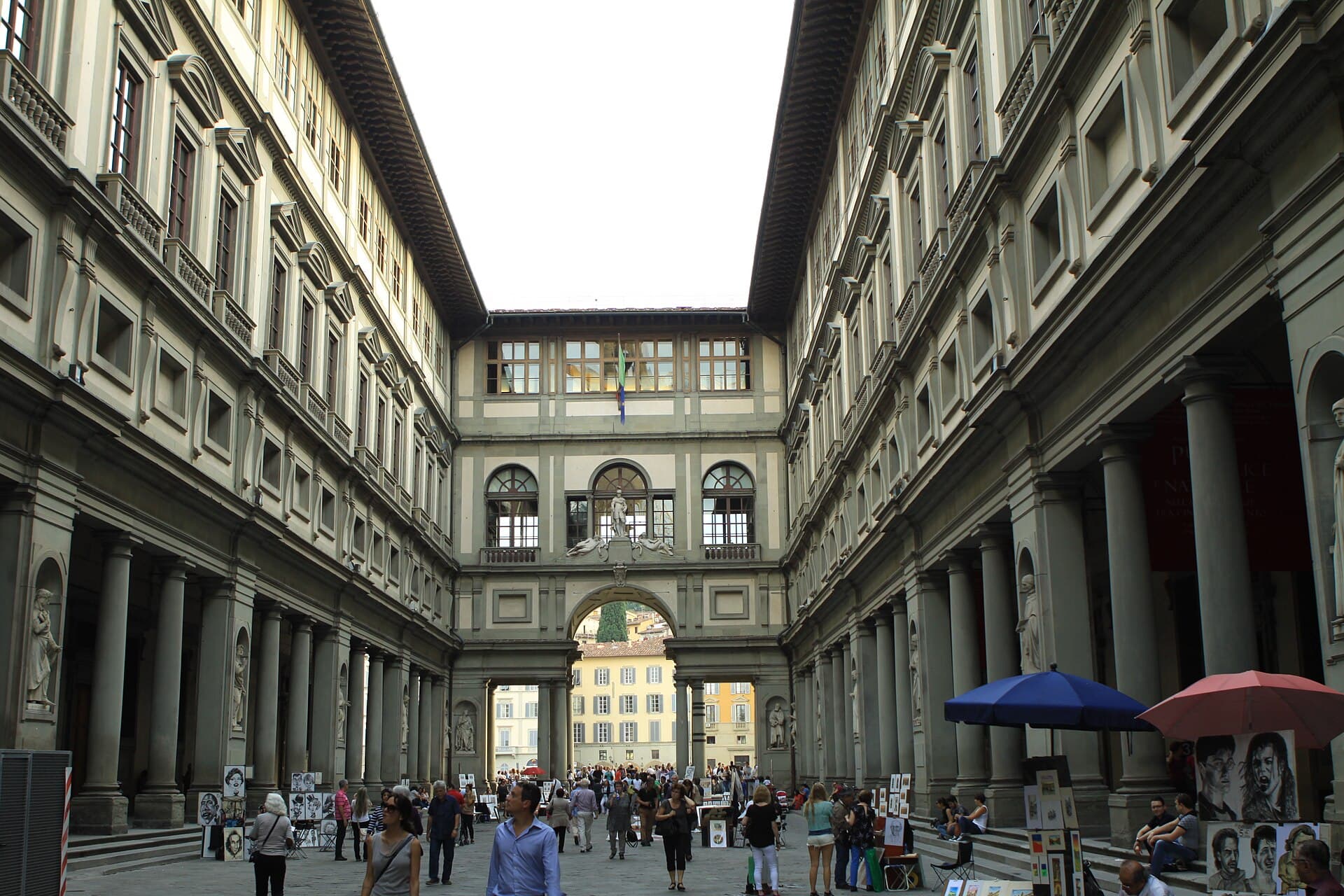 The Uffizi GalleryThe Uffizi is the first museum of Italian painting, absolutely: in the Offices V4 minutes walk4.6
 Bargello MuseumThe Bargello is to Renaissance sculpture what the Uffizi is to its painting — mi4 minutes walk4.6
No, honestly. With two days the Uffizi, the Accademia and the Duomo complex have the stronger claim on your time, and those need booking ahead. The Horne earns its place on a second visit, or on a stay of four days or more when you want a quiet hour between the big museums. There is no single must-see work here; the value is in the whole house and its atmosphere, not one object.
Not for individuals. You buy at the door and walk in; booking is compulsory only for groups and schools. But watch something more important than booking: the museum closes at 2pm, last entry is reported as half an hour before that, and it shuts entirely on Wednesdays and public holidays. The people who leave disappointed here are not the ones who forgot to book, but the ones who turned up at three.