
Andalusian arabesque in Tuscany
The interlacing interior decoration belongs closer to Cordoba than to any Florentine church, and it is the main reason to come.
דני — CC BY-SA 2.5 · Txllxt TxllxT — CC BY-SA 4.0 · Zairon — CC BY 4.0 · Manuelarosi — CC BY-SA 4.0
From Piazzale Michelangelo, in the middle of that ocean of red roof tiles, a green copper dome catches the light and almost every visitor assumes it is one more church. It is not. It is the Great Synagogue of Florence, built between 1874 and 1882 after a newly unified Italy lifted its restrictions on Jews and let them leave the ghetto they had been confined to for nearly three centuries. The community deliberately commissioned a building that would look like nothing around it: banded white and pink stone outside, and a frankly Moorish vocabulary of arches and ornament whose roots run east, not through Tuscany. The interior is the surprise, and for an Arab traveller a strange and familiar one at the same time. Walls and vaults are covered in polychrome arabesque and interlacing geometry that recalls Cordoba far more than any Florentine church. Layered over that beauty are two sets of scars. In the summer of 1944 retreating German troops mined the building; most of the charges were disabled before detonation and the synagogue survived with limited damage, though the doors of the Ark still carry the slash marks of knives and bayonets. Then in 1966 the Arno flood filled the hall, ruining manuscripts and Torah scrolls, and the waterline is still legible on the wall. Upstairs a small museum tells the story of Florence's Jews: ghetto, emancipation, the racial laws, deportation. It is modest, and you can read it in half an hour, but it is what turns the visit from admiring decoration into understanding a city. Let us be honest about priorities. With only two days in Florence, the Uffizi, the Accademia and the Duomo come first, no argument. But on a second visit, or on the day you have had enough of queues, this is an extraordinary building where you may well be almost alone, a fifteen-minute walk east of the cathedral. It is a working synagogue rather than a pure museum: security screening at the door, head covering required for men and handed out on arrival, and closed entirely on Saturdays and Jewish holidays. The surrounding Sant'Ambrogio quarter has a real market and easier halal and Middle Eastern options than the tourist core.
The interlacing interior decoration belongs closer to Cordoba than to any Florentine church, and it is the main reason to come.
Bayonet marks on the Ark doors and the Arno floodline on the wall tell a century of narrow survival.
Fifteen minutes' walk from the Duomo you get a major building with no queue and almost no crowd.
Via Luigi Carlo Farini 6, 50121 Florence, Italy
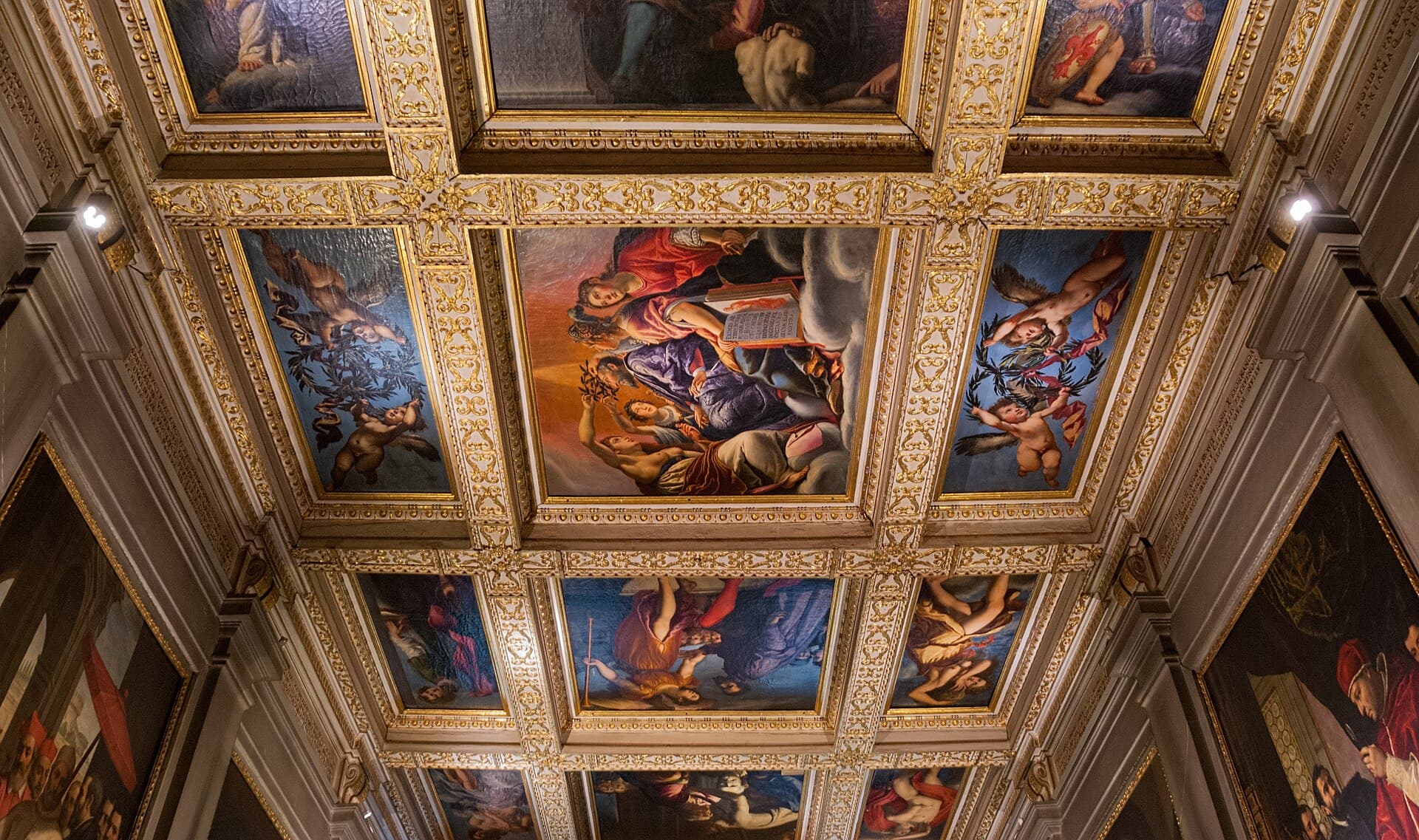 Casa BuonarrotiIn a single first-floor room stand two marble reliefs carved by a boy not yet se5 minutes walk4.5
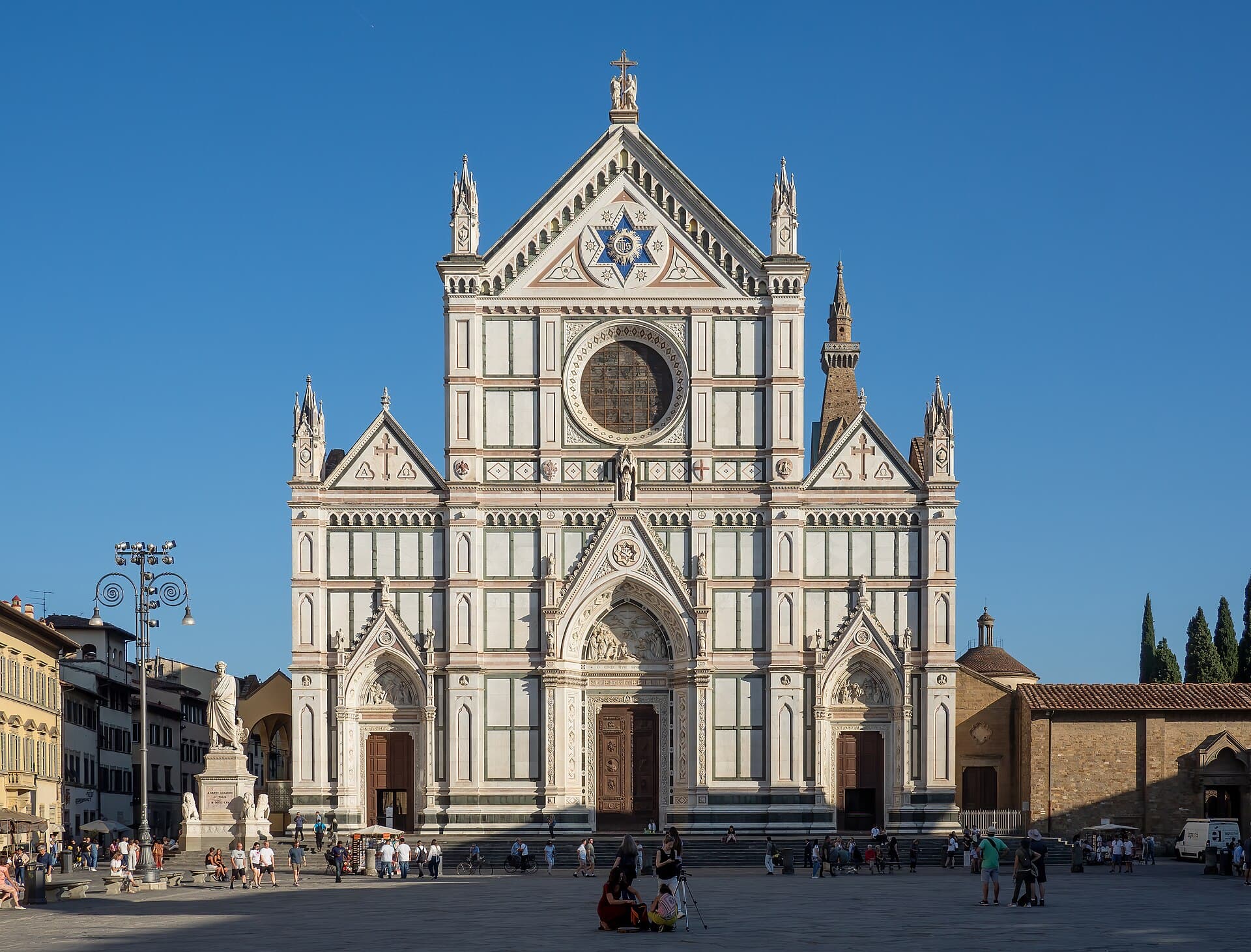 Santa CroceSanta Croce is the Pantheon of Italy: the largest Franciscan church in the world7 minutes walk4.9
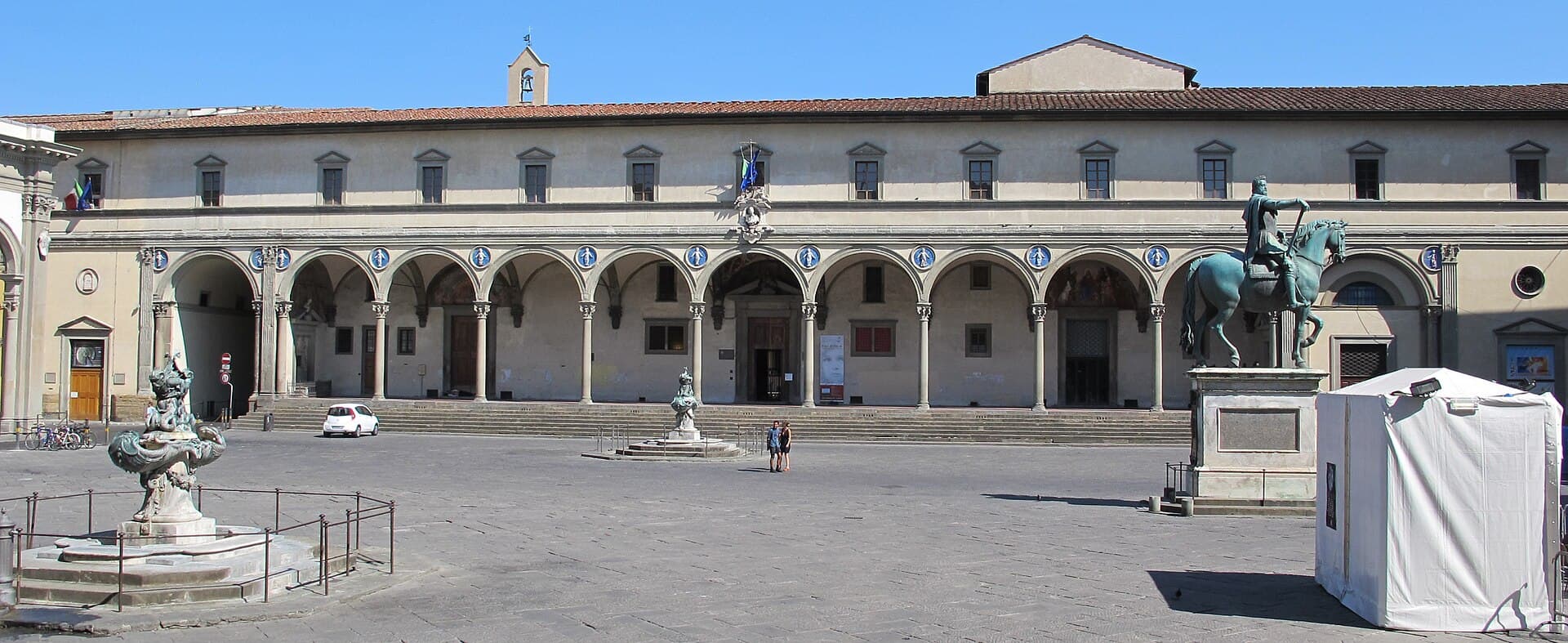 Museo degli InnocentiA coin snipped in half with shears, a carefully knotted ribbon, a religious meda7 minutes walk4.7
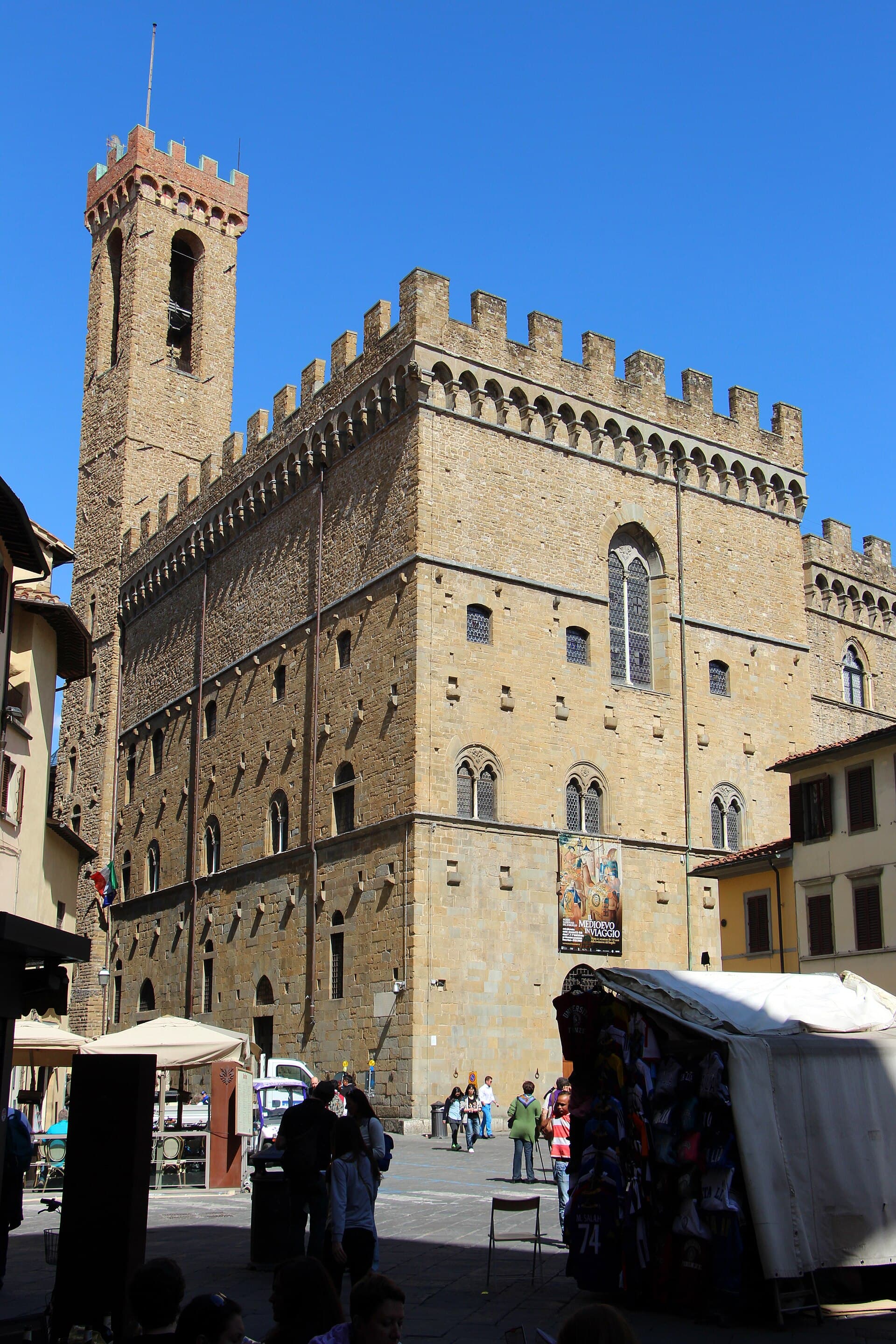 Bargello MuseumThe Bargello is to Renaissance sculpture what the Uffizi is to its painting — mi9 minutes walk4.6
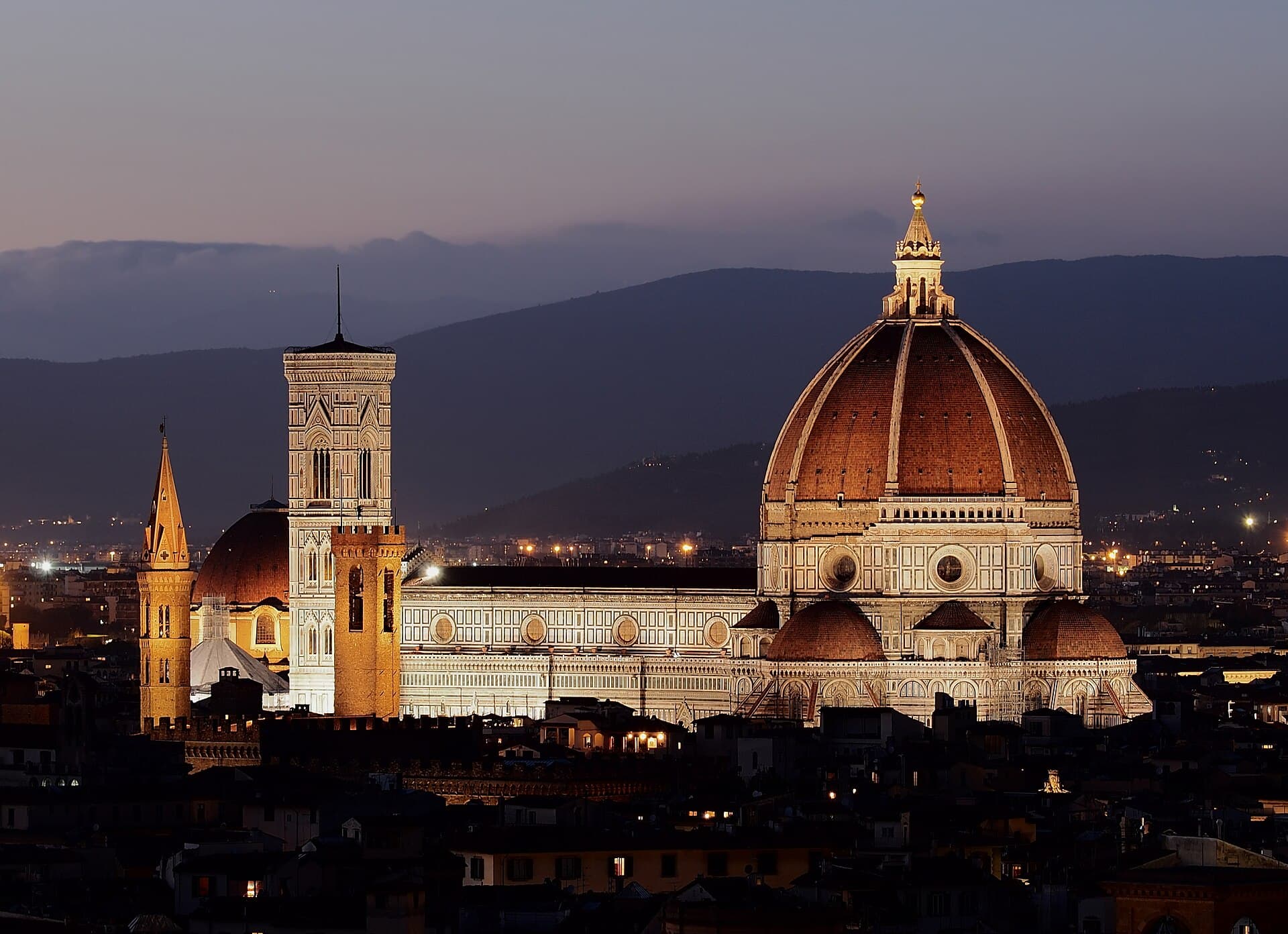 Florence Cathedral (Duomo)Santa Maria del Fiore — the Duomo — is Florence itself: a mountain of white, gre9 minutes walk4.9
Honestly, no. In two days the Uffizi, the Accademia and the Duomo will take everything you have, and rightly so. This is a second-visit place, or one for travellers who care about architecture and European Jewish history, or who simply want a quiet hour away from the crowds. If the Moorish style and arabesque work are what draws you, move it up a place or two.
No. It is a working synagogue and closes to visitors every Saturday and on Jewish holidays, and Friday hours are much shorter, ending at 15:00 in winter and 17:00 in summer. From October to May the window is Sunday to Thursday; from June to September it opens Monday to Thursday, so a summer Sunday is not a safe bet. Mornings are calmest, and remember the last ticket goes 45 minutes before closing. There is no prayer space for visitors inside, but Florence's Islamic prayer hall is very close by in the same quarter, at Piazza dei Ciompi.