
The central tower
The Stalinist marker in every Eastern-bloc capital.
Erwan Martin from Plouzané, France — CC BY 2.0 · FOTO:Fortepan — ID 13620: Adományozó/Donor: MHSZ. archive copy at the Wayback Machine — CC BY-SA 3.0 · Ursăchel Matei Cosmin — CC BY-SA 4.0 · FOTO:Fortepan — ID 84528: Adományozó/Donor: MHSZ. archive copy at the Wayback Machine — CC BY-SA 3.0
A vast grey-fronted building with a central tower at the northern end of Kiseleff avenue, and the clearest example of Stalinist architecture in Bucharest. It was built between 1952 and 1957 to gather all the printing houses and newspapers under one roof, and was then called Casa Scînteii after the communist party paper. It was the tallest building in Bucharest until the 1970s. Its design is directly modelled on Moscow State University — the style the Soviet Union imposed on the capitals of the Eastern bloc, with twins in Warsaw, Riga and Kyiv. A huge statue of Lenin stood in front of it until 1990, when it was taken down after the revolution in a scene that was filmed and broadcast. The building now carries the name of the free press and holds offices and newspapers, with a large part of it still unused. **It is not visited inside** — its value is as a landmark on the road north and a witness to a period.
The Stalinist marker in every Eastern-bloc capital.
A Lenin statue stood here until 1990.
Piața Presei Libere 1, Bucharest
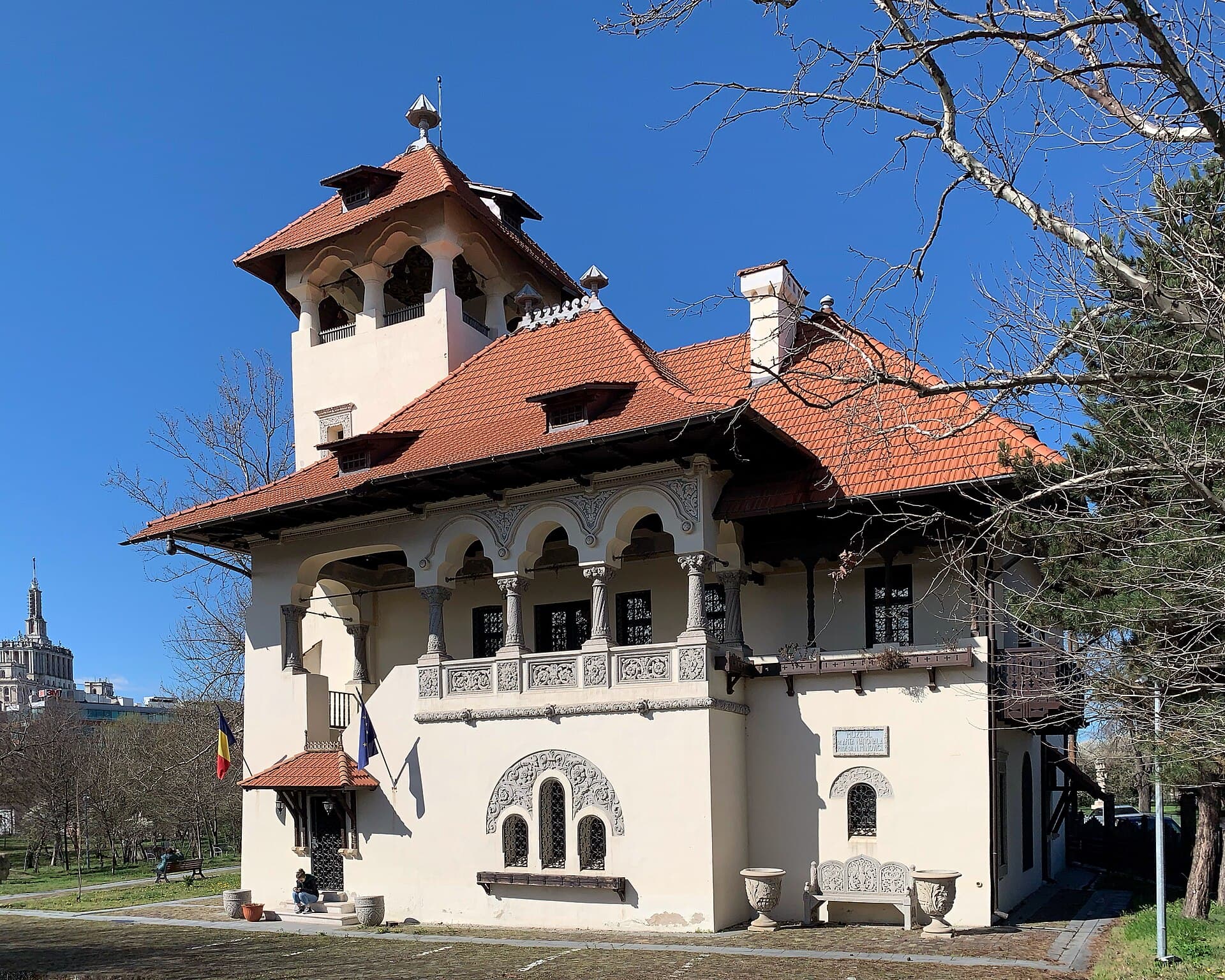 The Minovici Villa of Folk ArtA strange and cheerful house in northern Bucharest: built in 1905 by the physici6 minutes walk4.8
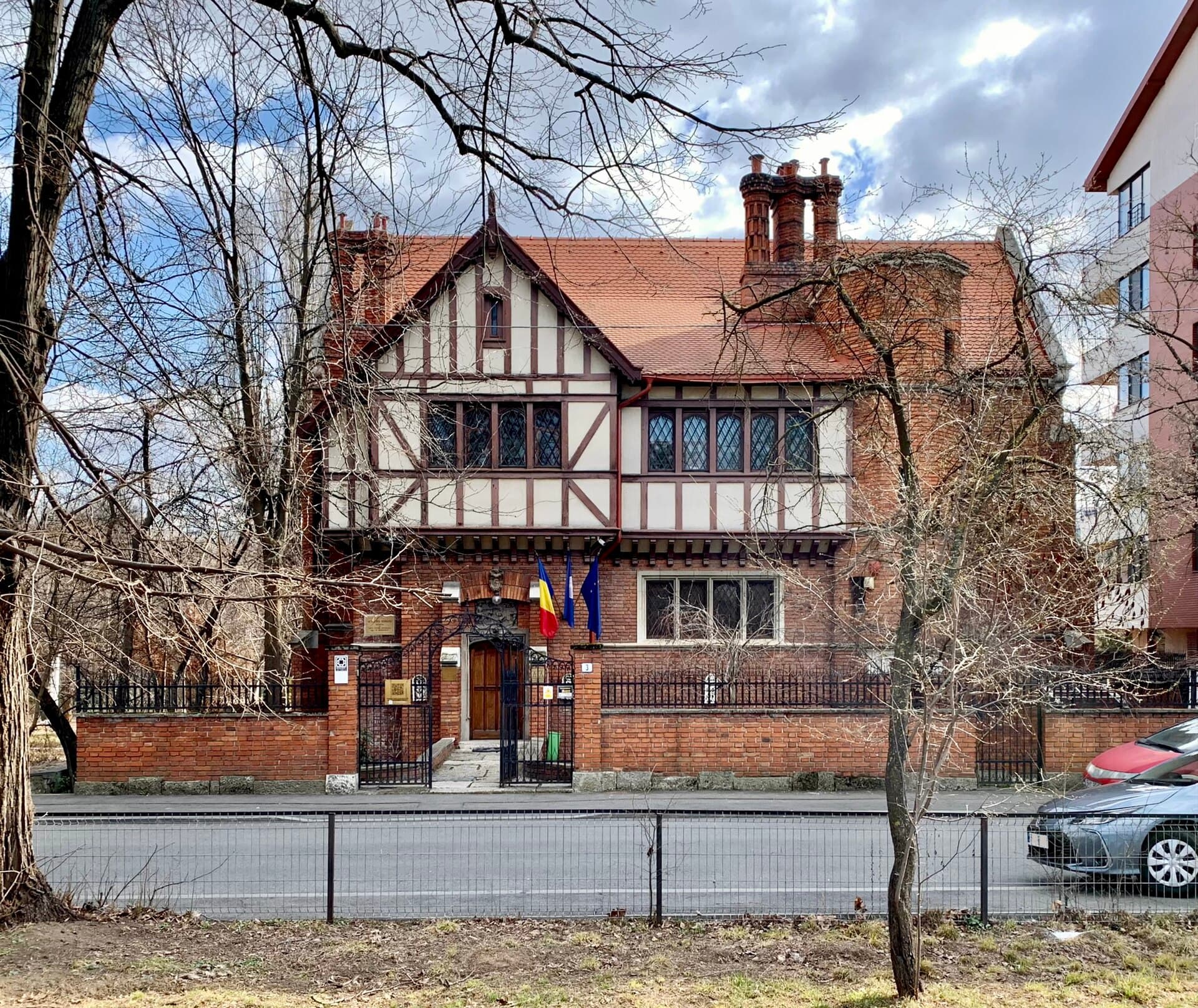 The Minovici Museum of Old Western ArtA museum in a villa in northern Bucharest showing the engineer Dumitru Minovici'6 minutes walk4.8
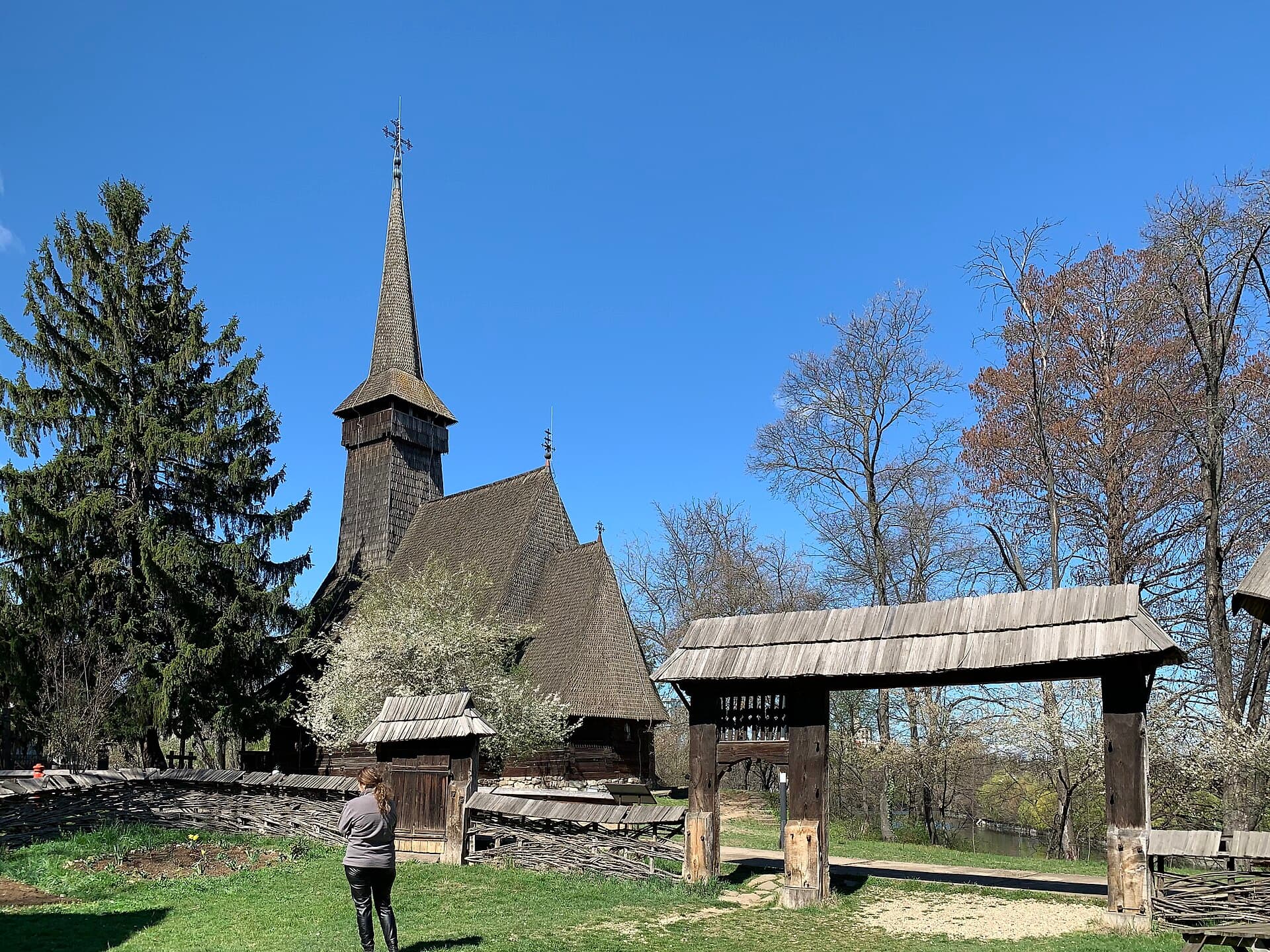 National Village MuseumA whole Romanian village on the shore of Lake Herăstrău: the Dimitrie Gusti muse12 minutes walk4.7
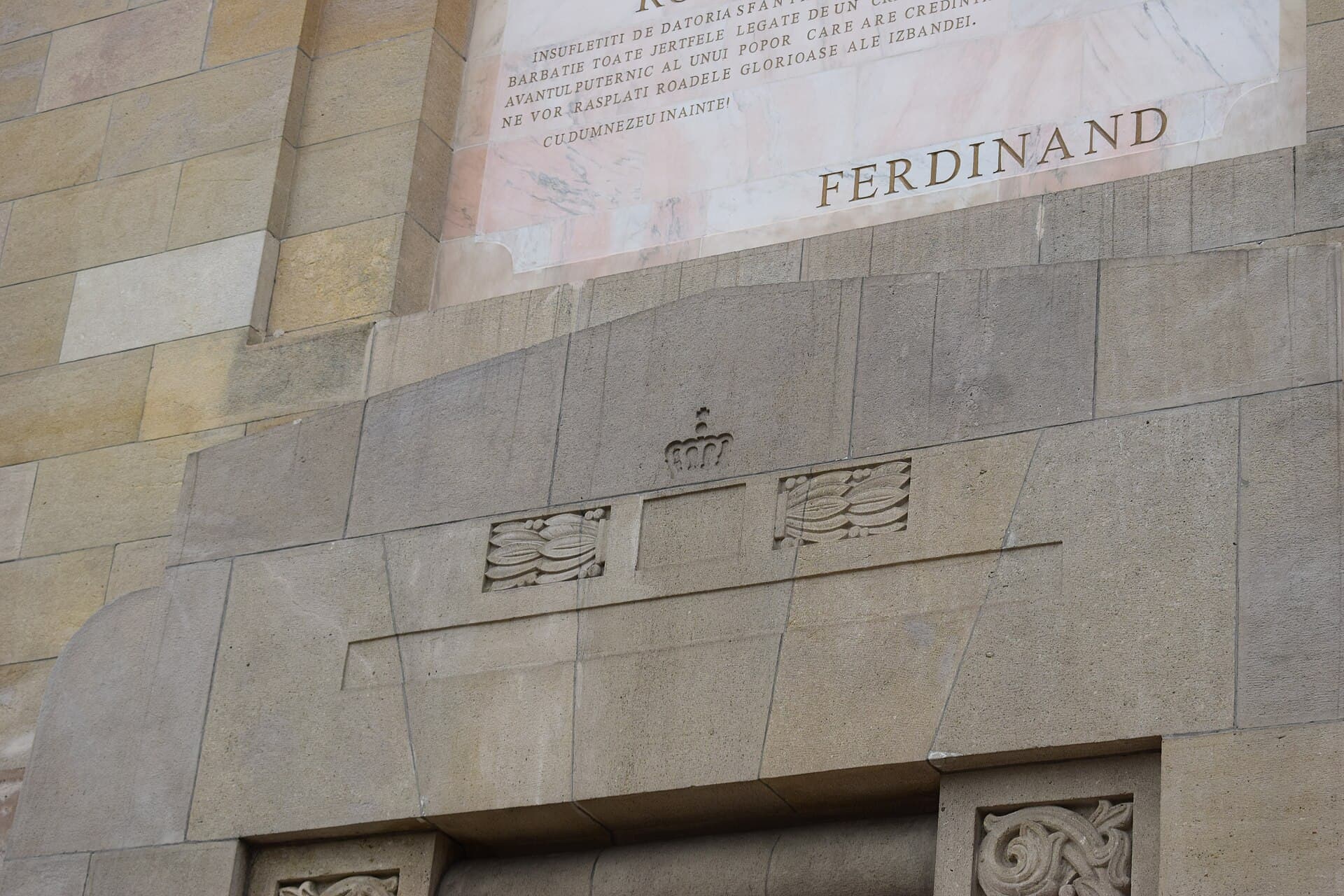 Arch of Triumph"Little Paris" with an arch of its own: the Arcul de Triumf stands mid-way along20 minutes walk4.6
Three stops are enough. **Casa Presei Libere** in the north for the early Stalinist manner of the 1950s. The **Palace of the Parliament** and the Unirii boulevard leading to it for the monumental late style of the 1980s — the avenue built after whole districts were demolished, deliberately designed to be wider than the Champs-Élysées. And a housing district like Titan or Drumul Taberei to see what was actually built for most people: rows of identical blocks that most of Bucharest still lives in.