
A Tudor-style villa
Built in the 1930s specifically to suit the collection.
Neoclassicism Enthusiast — CC BY-SA 4.0 · Rsandu — CC BY-SA 4.0 · Rsandu — CC BY-SA 4.0 · Rsandu — CC BY-SA 4.0
A museum in a villa in northern Bucharest showing the engineer Dumitru Minovici's collection of western European art — a rare collection in Romania, whose traditional art is predominantly Byzantine and eastern in character. The collection holds Renaissance and baroque furniture, paintings, stained glass, textiles, armour and weapons, and metalwork — most of it German, Flemish and Italian from the fifteenth to the eighteenth centuries. The villa itself was built in the 1930s in the English Tudor manner and designed specifically to suit the collection: timber ceilings, carved staircases and a large fireplace, so the rooms read as a western European house rather than a Romanian one. The family itself is notable: the Minovici brothers were well-known figures in Romania — one the founder of forensic medicine in the country, another the creator of the neighbouring folk art museum. Dumitru gave his collection and house to the state in 1945. It is small, quiet and rarely crowded.
Built in the 1930s specifically to suit the collection.
Renaissance and baroque furniture and German, Flemish and Italian metalwork.
One brother founded Romanian forensic medicine, another created the neighbouring museum.
Northern Bucharest, near Herăstrău Park
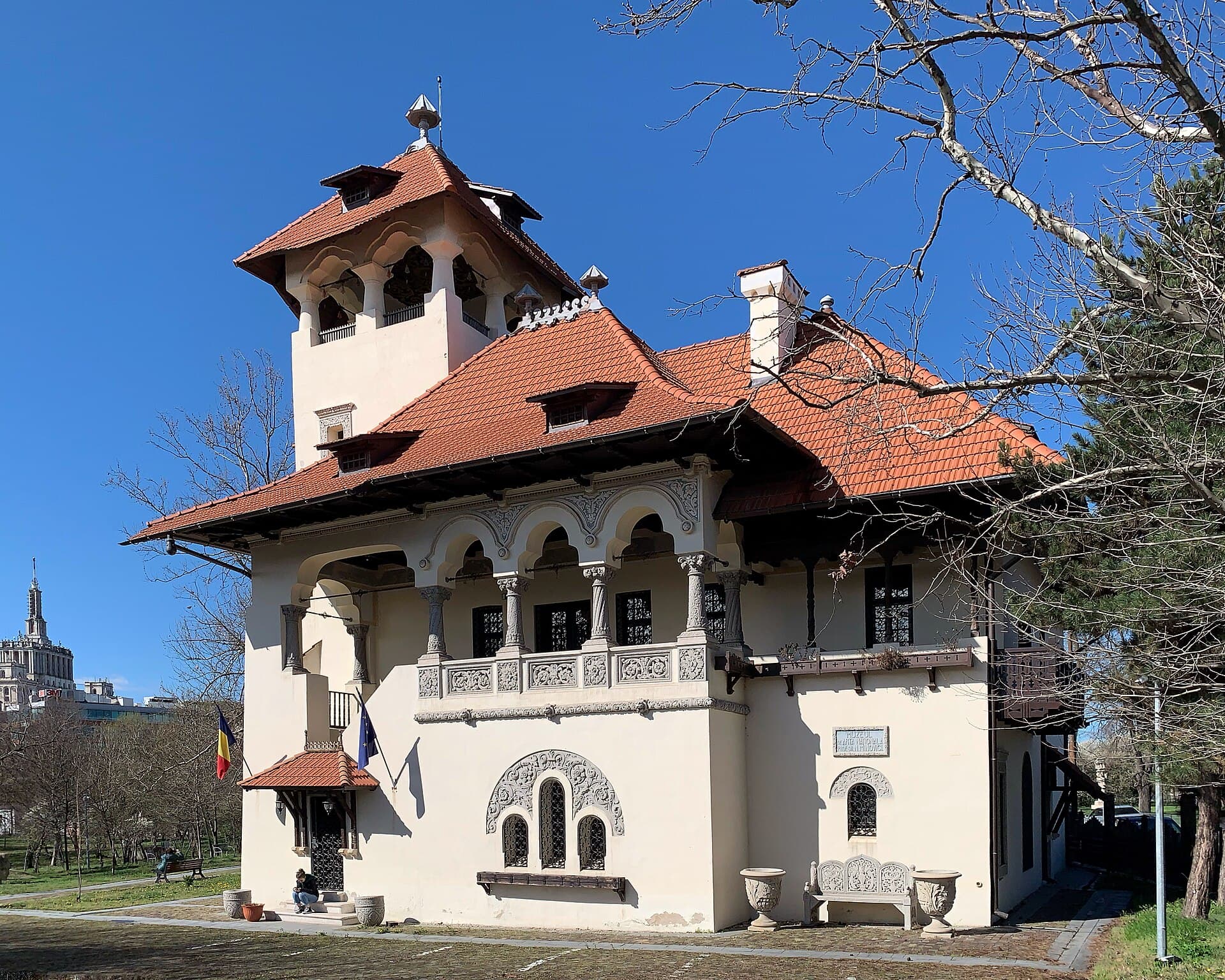 The Minovici Villa of Folk ArtA strange and cheerful house in northern Bucharest: built in 1905 by the physici1 minute walk4.8
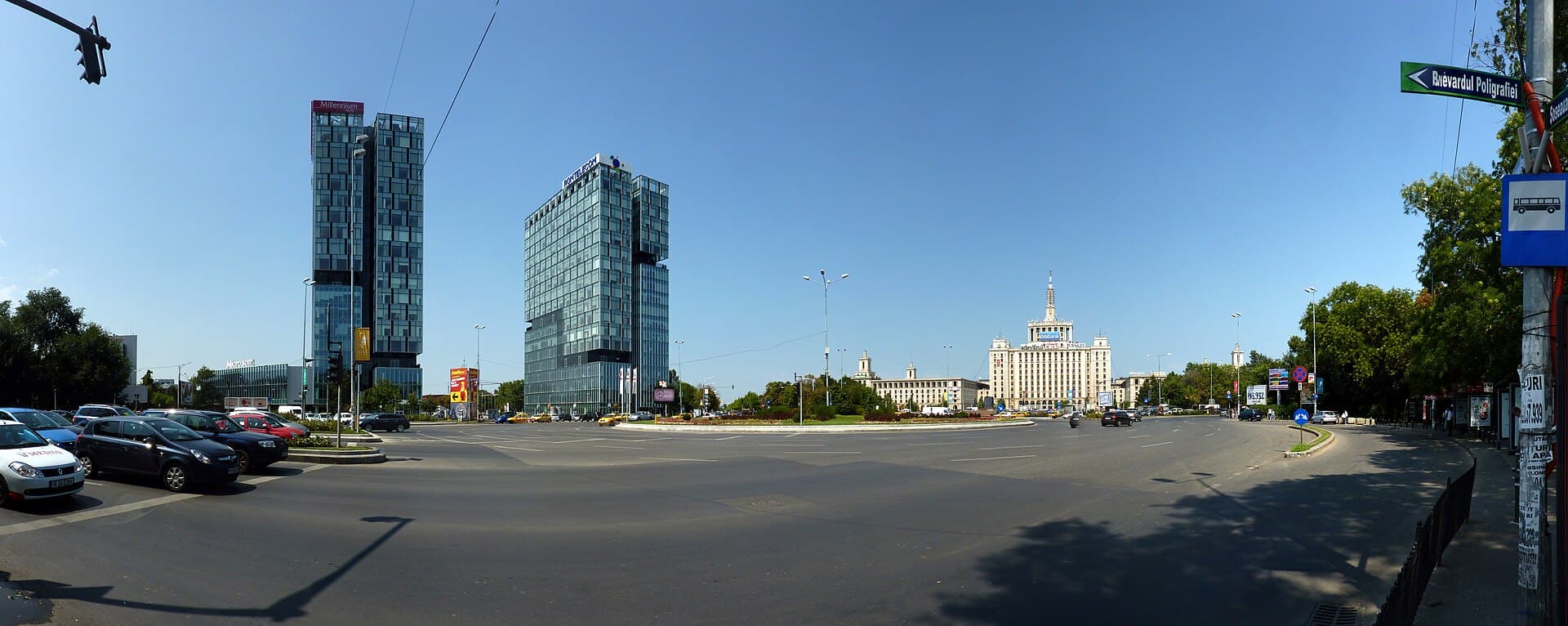 Casa Presei LibereA vast grey-fronted building with a central tower at the northern end of Kiselef6 minutes walk4.2
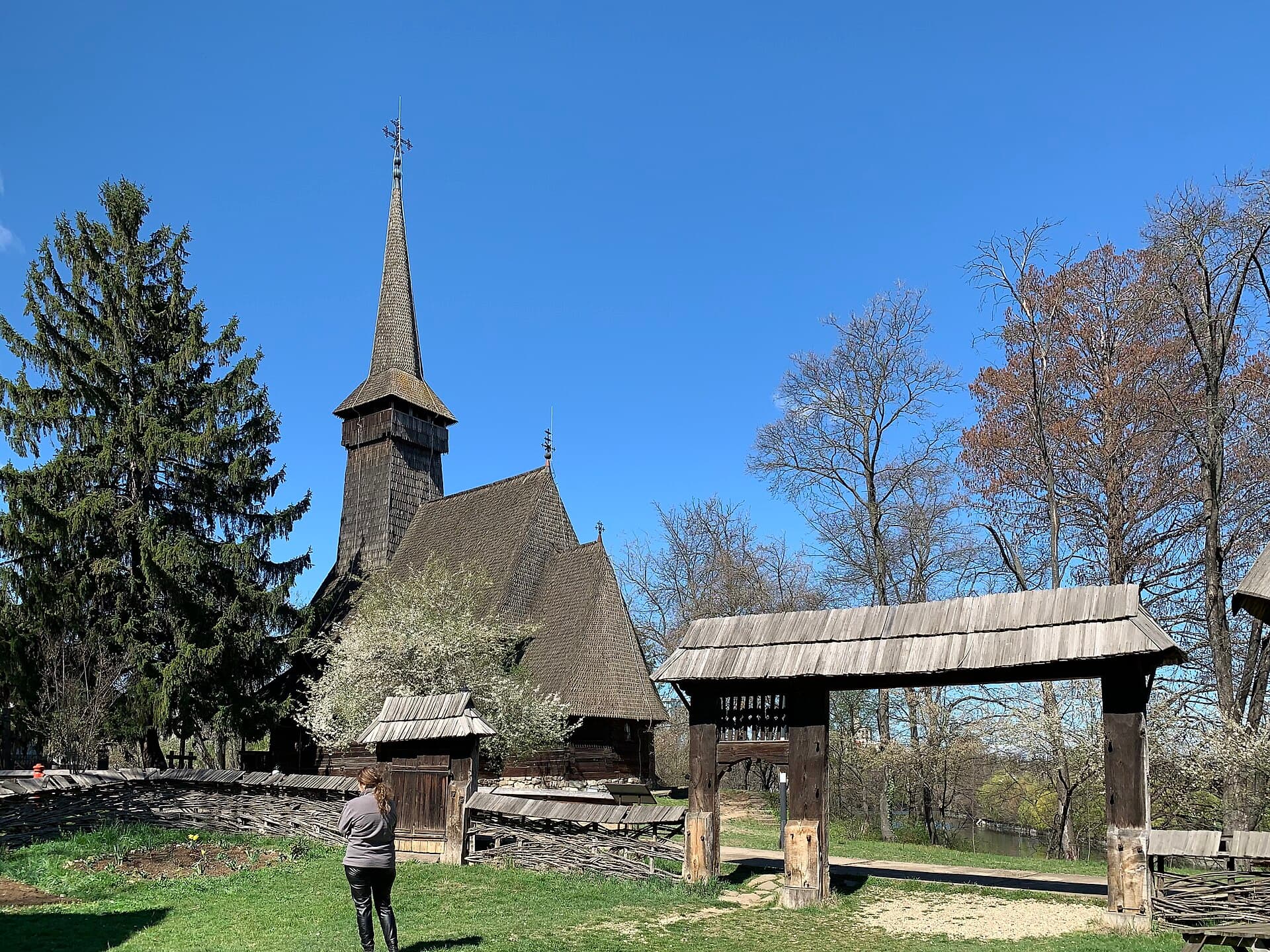 National Village MuseumA whole Romanian village on the shore of Lake Herăstrău: the Dimitrie Gusti muse15 minutes walk4.7
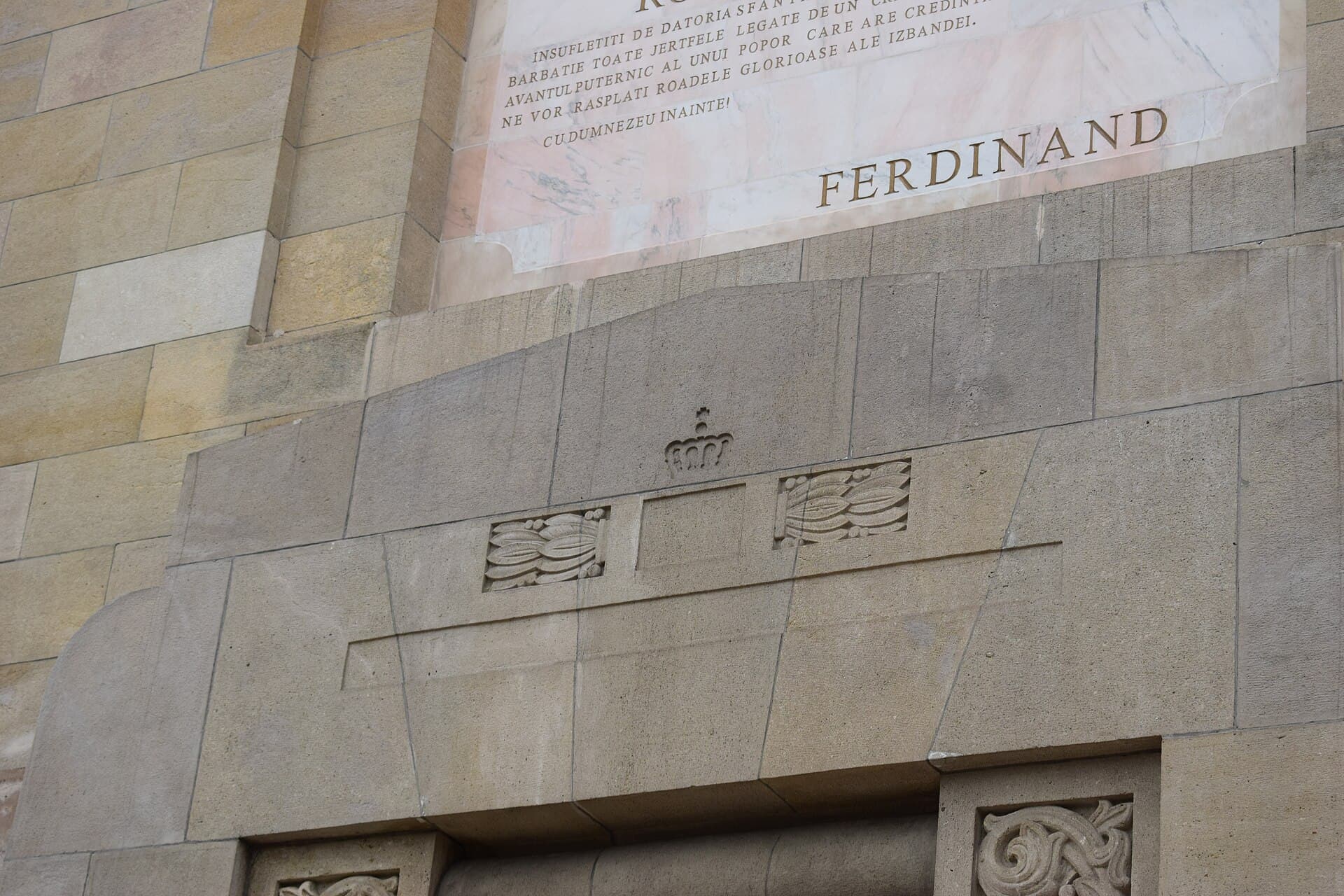 Arch of Triumph"Little Paris" with an arch of its own: the Arcul de Triumf stands mid-way along24 minutes walk4.6
The Nicolae Minovici folk art museum shows exactly the opposite: Romanian rural dress, carpets, icons on glass and farming implements, in a house built in the traditional Romanian villa manner. The brothers collected in opposite directions and both gave their collections to the state. Visiting both in two and a half hours gives a striking juxtaposition: western Europe and the Romanian countryside side by side.
The north of the city is green and quieter than the centre: the large Herăstrău Park around a lake, and inside it the Dimitrie Gusti Village Museum — an open-air museum of more than three hundred genuine rural houses moved from across Romania, among the best things in the country. The Arch of Triumph is nearby. A full day in this area is easy.