
The scale itself
Walk end to end (600 metres) to grasp that the Romans built a stadium for three times the Colosseum's crowd.
Rione Colonna — CC BY 4.0 · Витольд Муратов — CC BY-SA 3.0 · Falk2 — CC BY-SA 4.0 · SteveK — CC BY-SA 3.0
The largest stadium in history: a long valley between the Palatine and Aventine hills that held one hundred and fifty thousand spectators — three times the Colosseum — for chariot racing, Rome's first and most reckless sport. Twelve chariots launched together for seven laps around a central spine, their drivers celebrities with fabulous fortunes and appalling mortality rates. What survives today is the shape alone: a long grass track with a clear curve at one end and traces of seating on the southeast side. No buildings, no columns — its stone was quarried over centuries to build Rome's churches and palaces. So it is a free open space more than a monument: Romans run here and walk their dogs, and major concerts are staged on its floor. The visitor's best use of it: walk through for a few minutes between the Colosseum and the Baths of Caracalla, and imagine the noise.
Walk end to end (600 metres) to grasp that the Romans built a stadium for three times the Colosseum's crowd.
From the track the imperial palaces hang above you — the angle the spectators had.
Headsets rebuild the full stadium around you, races and crowd included — the only way to see it as it was.
Via del Circo Massimo, Rome
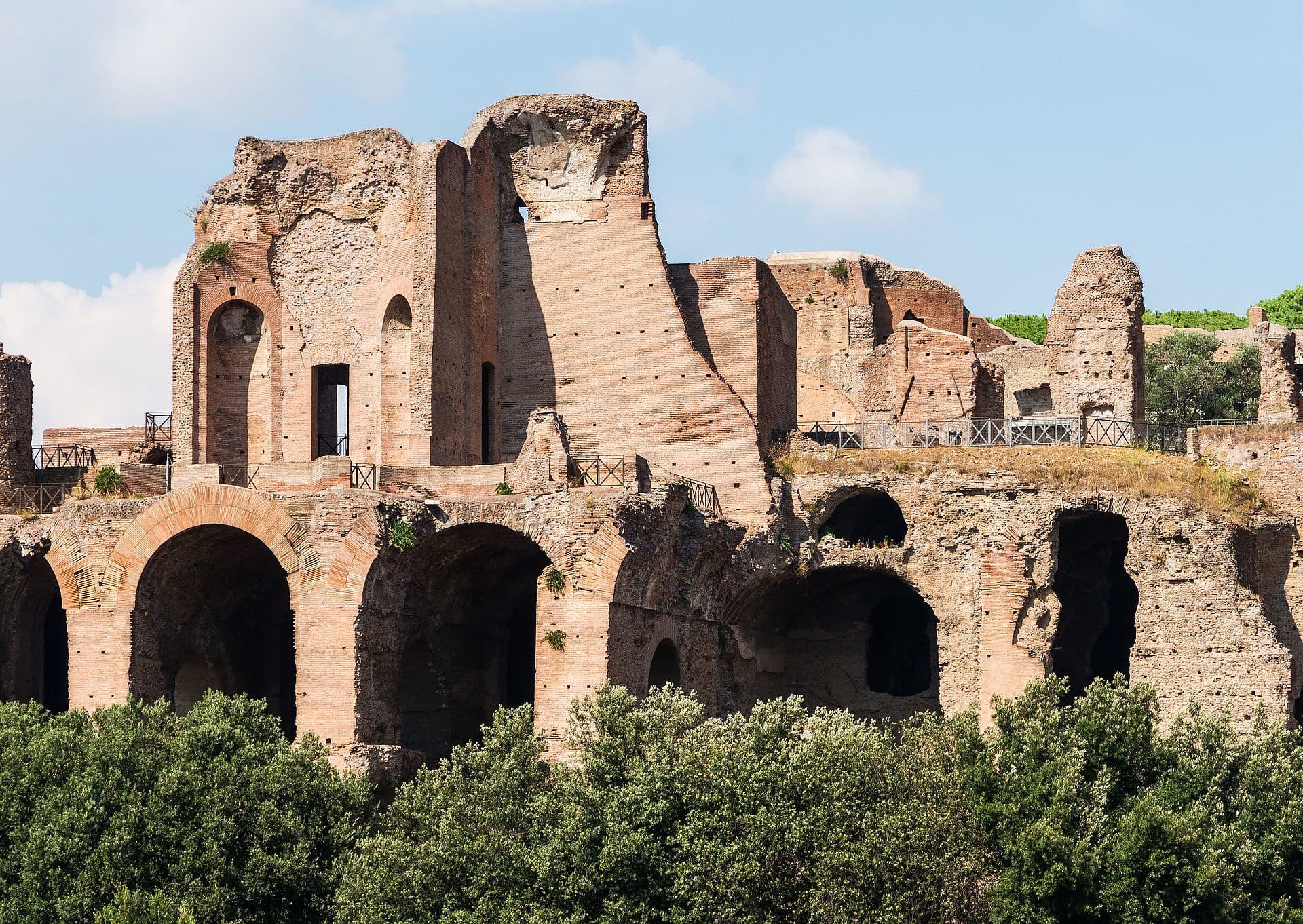 Palatine HillAll of Rome began on this hill: here, by legend, Romulus founded the city in 7534 minutes walk4.6
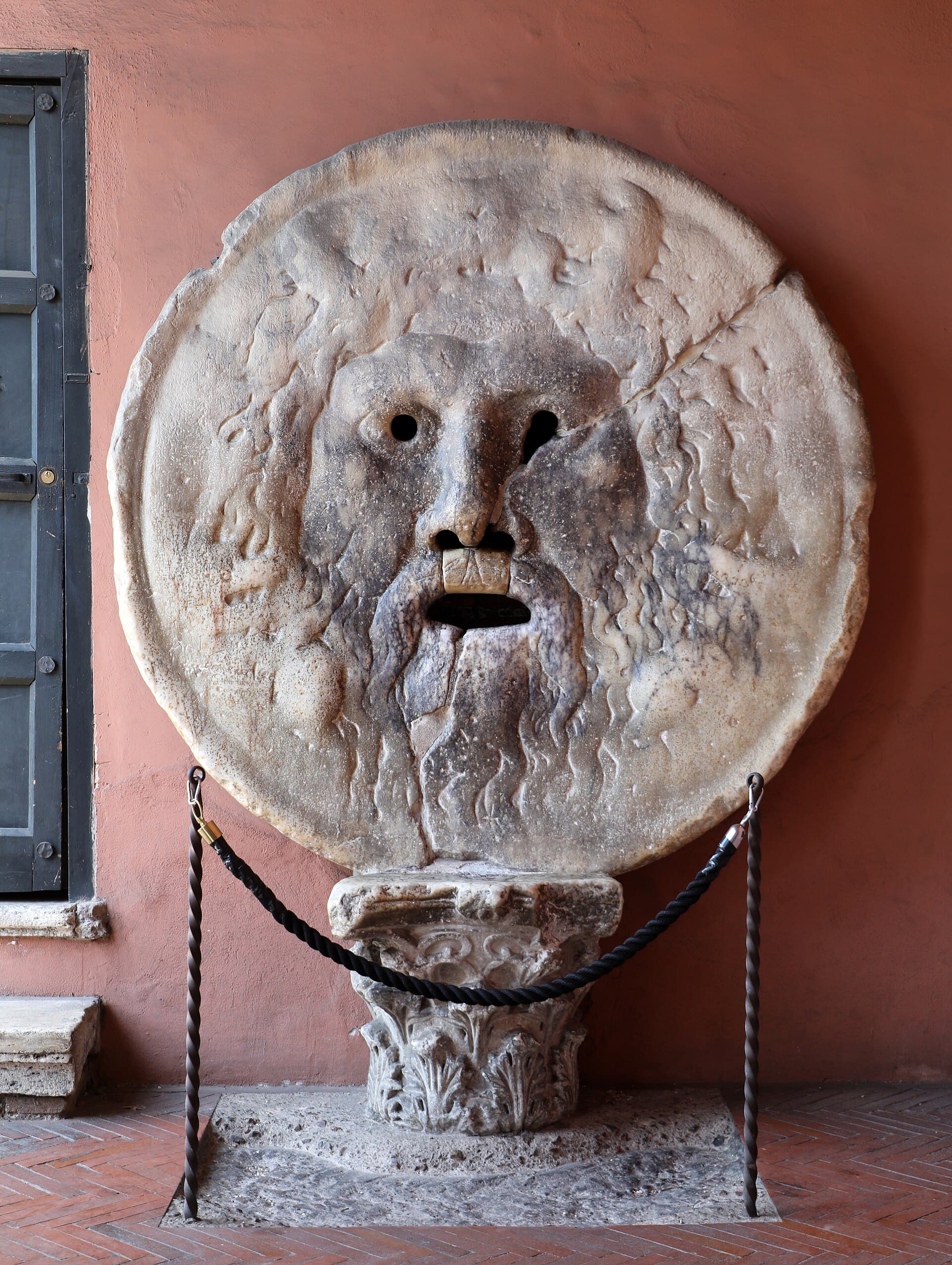 The Mouth of TruthIn the portico of Santa Maria in Cosmedin hangs a huge marble disc bearing a riv5 minutes walk4.2
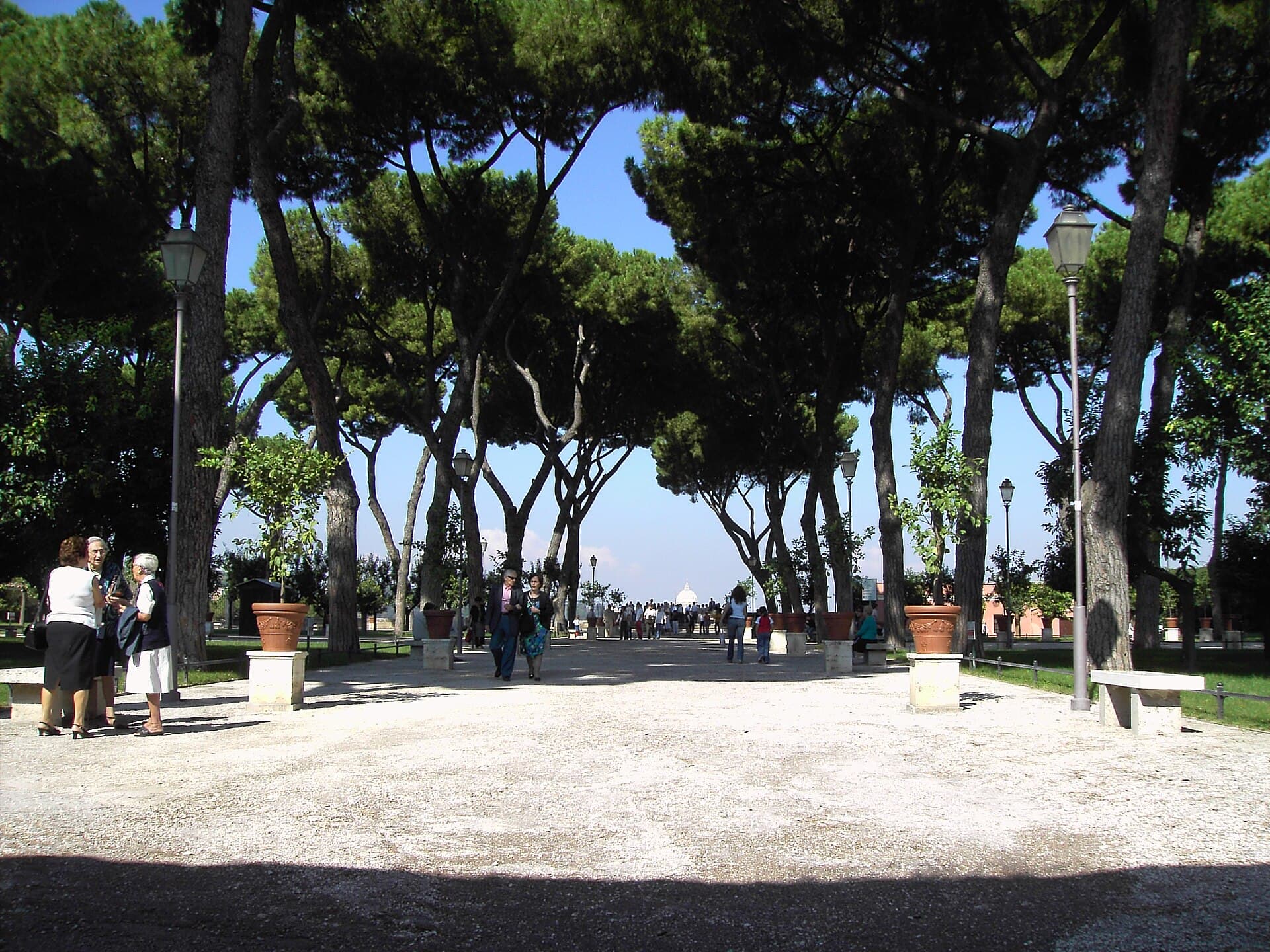 Giardino degli Aranci (Orange Garden)One of Rome's best free views asks nothing of you: no ticket, no booking, no que6 minutes walk4.6
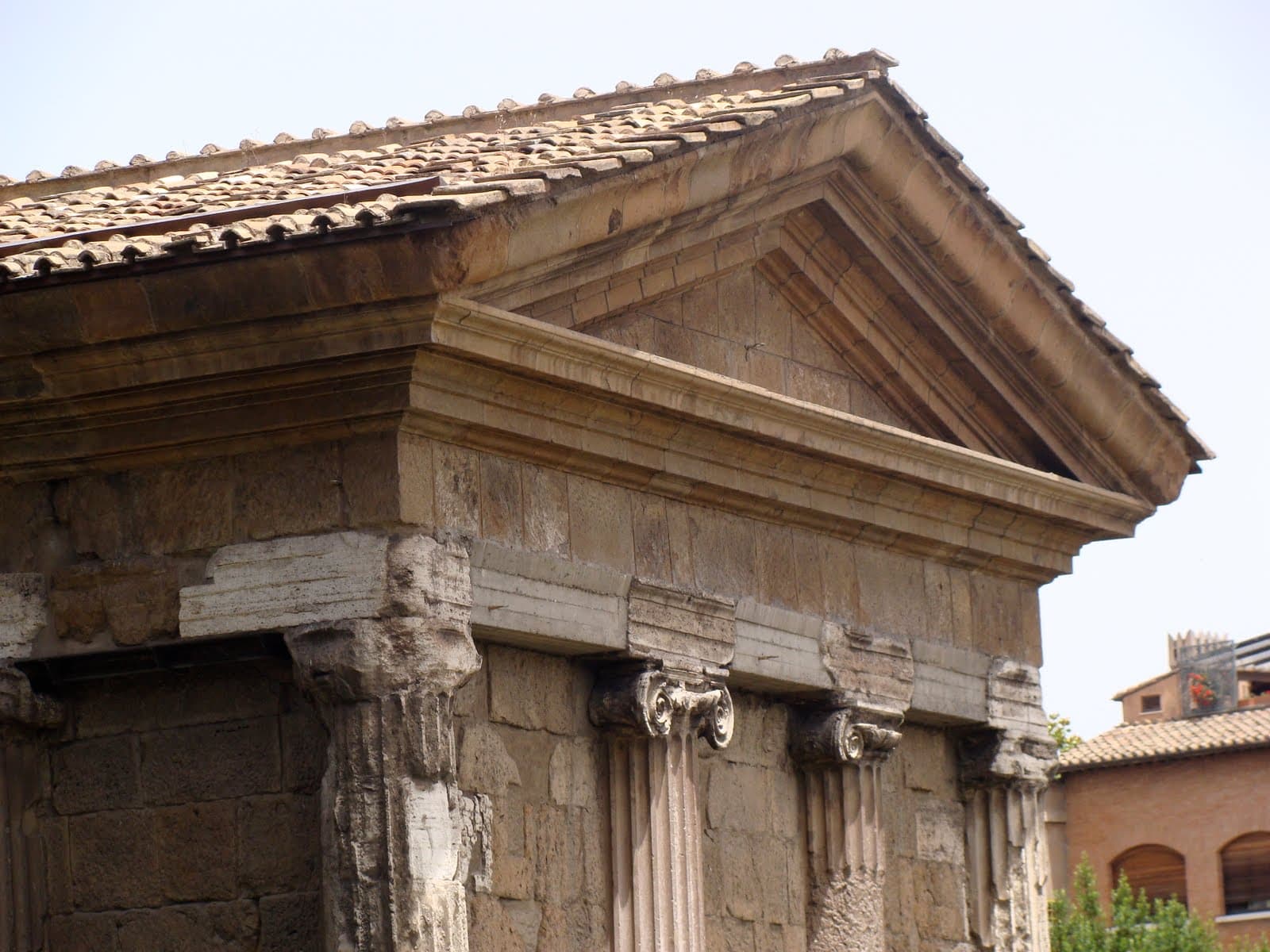 Forum Boarium (Temples of Hercules and Portunus)Centuries before the Colosseum, this flat patch of ground on the Tiber was a cat6 minutes walk4.4
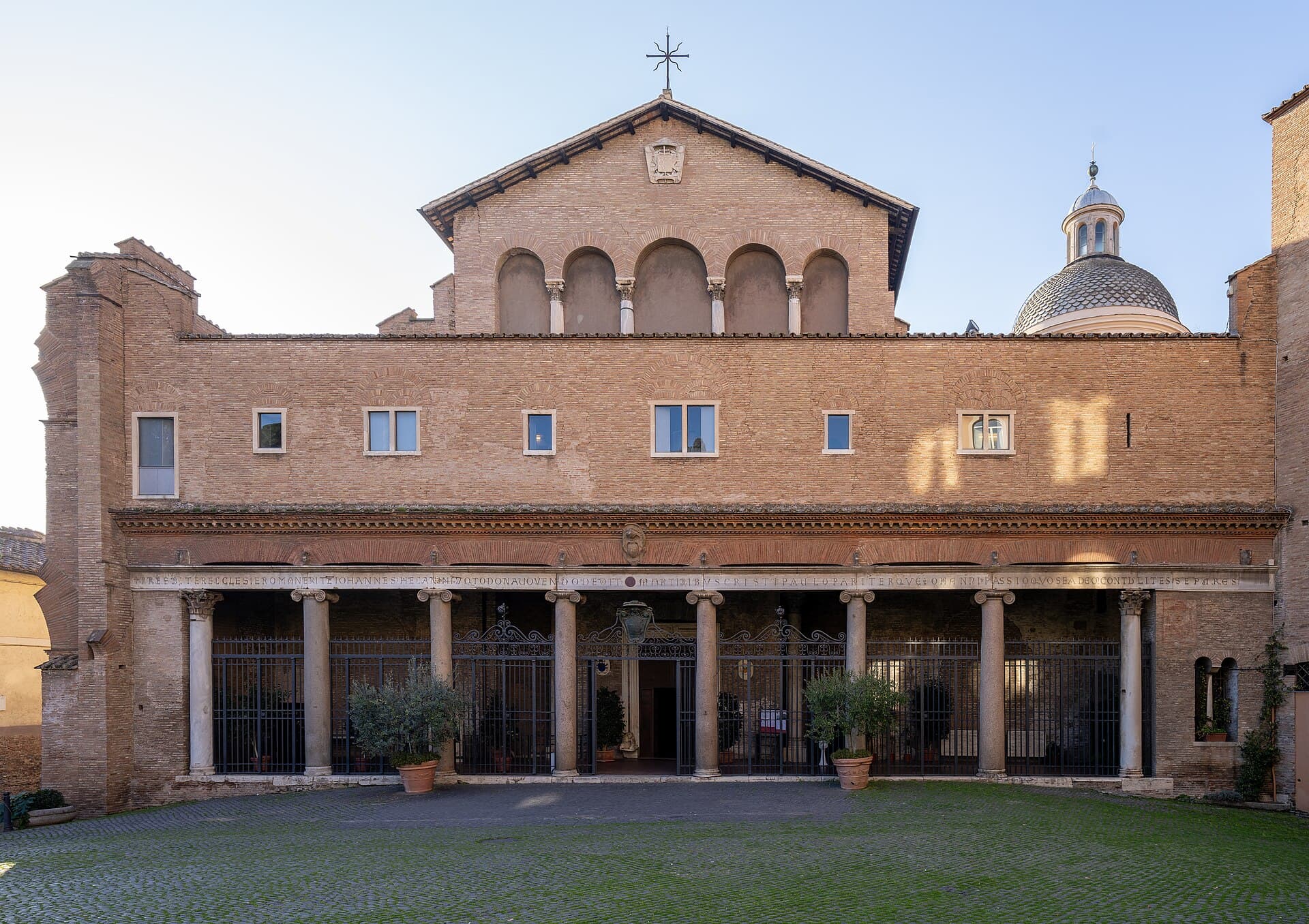 Case Romane del Celio (Roman Houses of the Caelian)In 1887 a priest named Germano, rector of the church of Santi Giovanni e Paolo o7 minutes walk4.6
Looking for halal food near Circus Maximus? There are several options nearby, from Moroccan and Indian kitchens to quick casual spots and places with a view. Confirm the halal status and opening hours before you go — these can change.
No — treat it as a corridor, not a destination: twenty minutes while moving between the Colosseum and Caracalla or the Aventine. The AR experience, though, turns it into a real destination for Roman-history enthusiasts.
The Aventine Hill directly above: the Orange Garden with its view over Rome, and the famous Knights of Malta keyhole — both free, ten minutes' climb away.