
The Salone d'Onore
The palace's great hall, all 17th-century stucco and fresco, still used as a working university room rather than a museum piece behind a rope.
TorinoDoc — CC BY 4.0 · Benjamin Smith — CC BY-SA 4.0 · Fulvio Spada from Torino, Italy — CC BY-SA 2.0 · MOs810 — CC BY-SA 4.0
Castello del Valentino may be the strangest building you will walk into in Europe: a UNESCO World Heritage site, listed among the Residences of the Royal House of Savoy, and simultaneously a working faculty of architecture belonging to the Politecnico di Torino. Degree ceremonies and student reviews take place in a Salone d'Onore encrusted with 17th-century stucco and frescoes; students drag portfolio cases down corridors a French princess once walked. That double life has one practical consequence you should know before anything else: the interior is not open on demand. Entry is by accompanied guided tour only, on Saturday mornings, and completely free — but the tours do not run every Saturday of the year: the university opens the calendar in announced cycles, a few weeks at a time, several times a year. Online booking is mandatory, new dates go up roughly every three months (usually early January, April, July and October), and they go fast. The core of the building is 16th century, but its present shape belongs to Christine of France, sister of Louis XIII, who married into the House of Savoy and effectively ran Piedmont for years. Between the 1630s and about 1660 the architect Carlo di Castellamonte and his son Amedeo rebuilt it to her unmistakably French taste: steep slate roofs in the French manner, symmetrical wings and corner towers around a paved courtyard that opens toward the Po. The effect is odd and rather delightful — a slice of the Paris outskirts set down on an Italian riverbank, then filled inside with baroque decoration by painters and stuccoists brought in from Lugano and the lake country. The tour runs about an hour and covers the piano nobile rooms, the Hall of Columns and the ground-floor chapel, led by guides from the Politecnico community who know the building's architectural history — but it is normally given in Italian; English, French or Spanish are offered only to organised groups of at least fifteen who ask in advance. If you do not follow it, treat the visit as a visual one rather than an informative one; it still repays the hour. The park around the castle is free and always open, the courtyard is normally accessible during the day, and you can photograph the facade and those roofs without booking anything. Keep the distinction straight: Parco del Valentino is the riverside park and has its own page here; the castle is the building standing inside it. Immediately alongside it, at Viale Mattioli 25, is the University of Turin's botanical garden, a separate ticket at around 7 euro, open Saturdays, Sundays and holidays from late March to mid-November. Honestly: this is not a reason to travel to Turin, and not a reason to rearrange your itinerary. But if you are already staying in the city and one of the published Saturdays falls while you are here, it is the best free hour in town and among the least tourist-clogged. If the booking beats you, no loss — walk the park along the Po, stand at the courtyard, take your photograph and carry on. It is about a twenty-five to thirty minute walk from the centre along the river, one of Turin's nicest strolls in its own right, and easy with families and strollers.
The palace's great hall, all 17th-century stucco and fresco, still used as a working university room rather than a museum piece behind a rope.
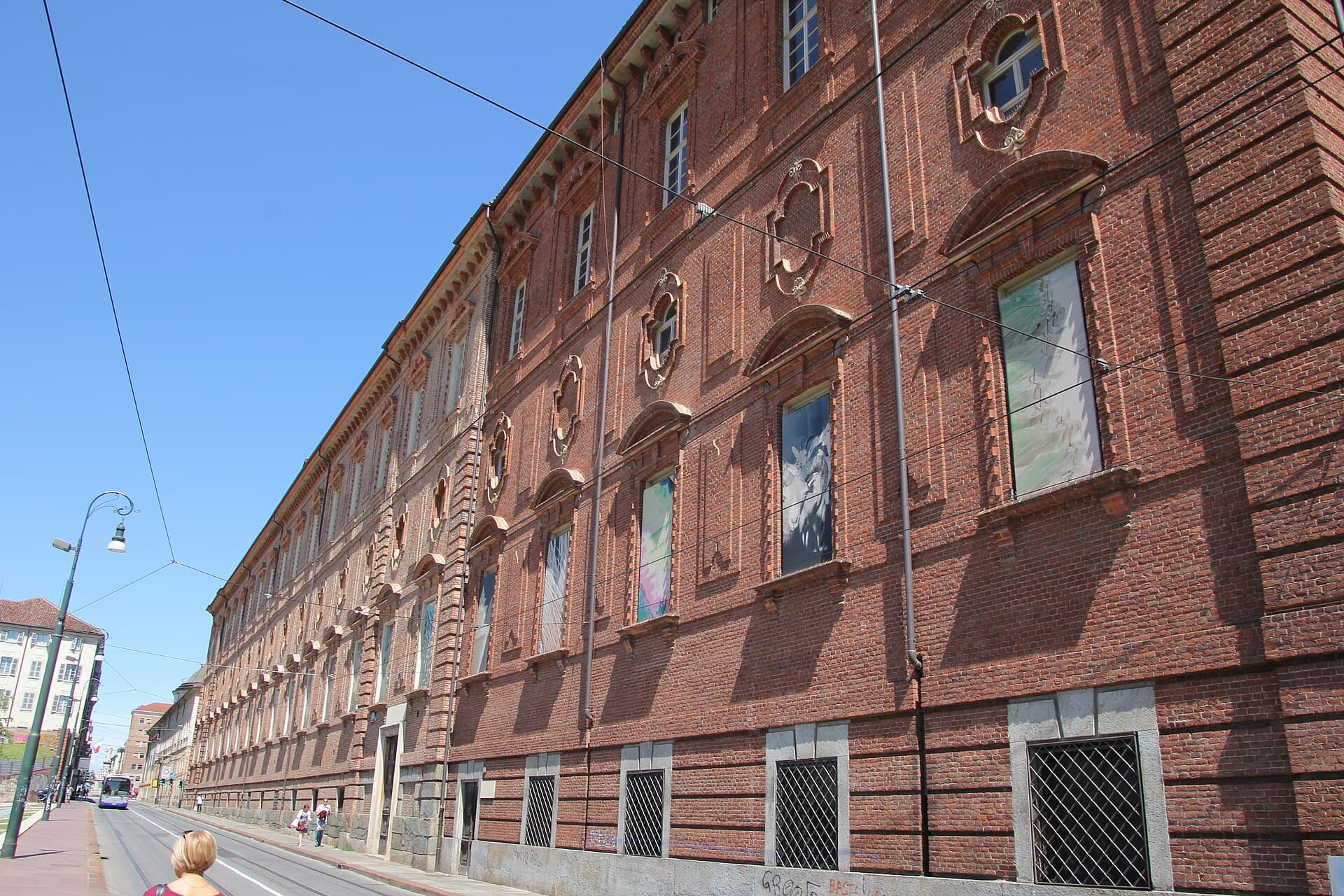
The steep slate roofs and symmetrical wings make the building look lifted out of the Paris outskirts and set down on the Po.
If the booking beats you, the park around the castle stays open at all hours at no cost and the courtyard is normally open by day — enough for the photograph and the impression.
Viale Pier Andrea Mattioli 39, 10125 Turin
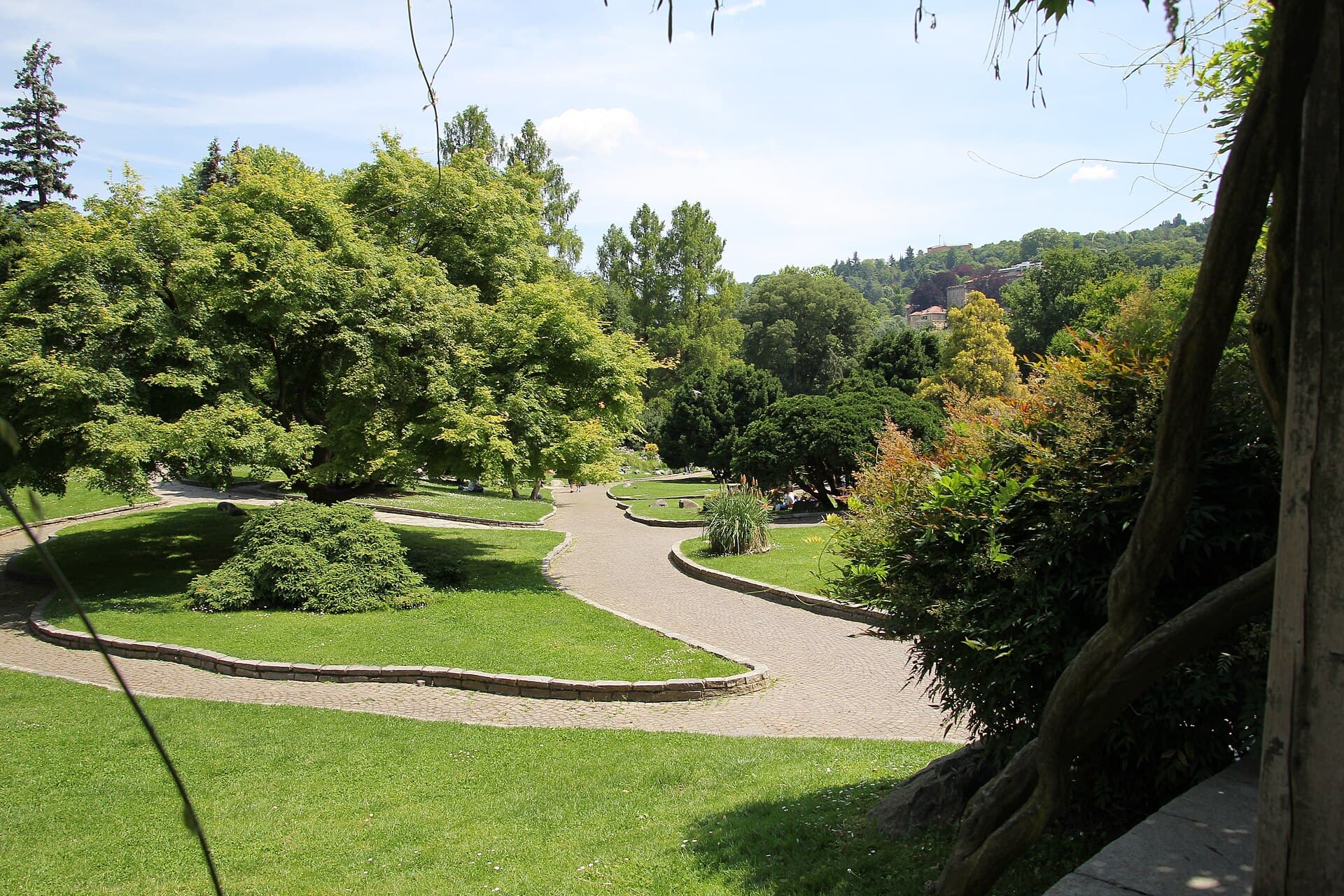 Parco del ValentinoThe Valentino is Turin's green bank: half a million metres on the Po holding a F1 minute walk4.5
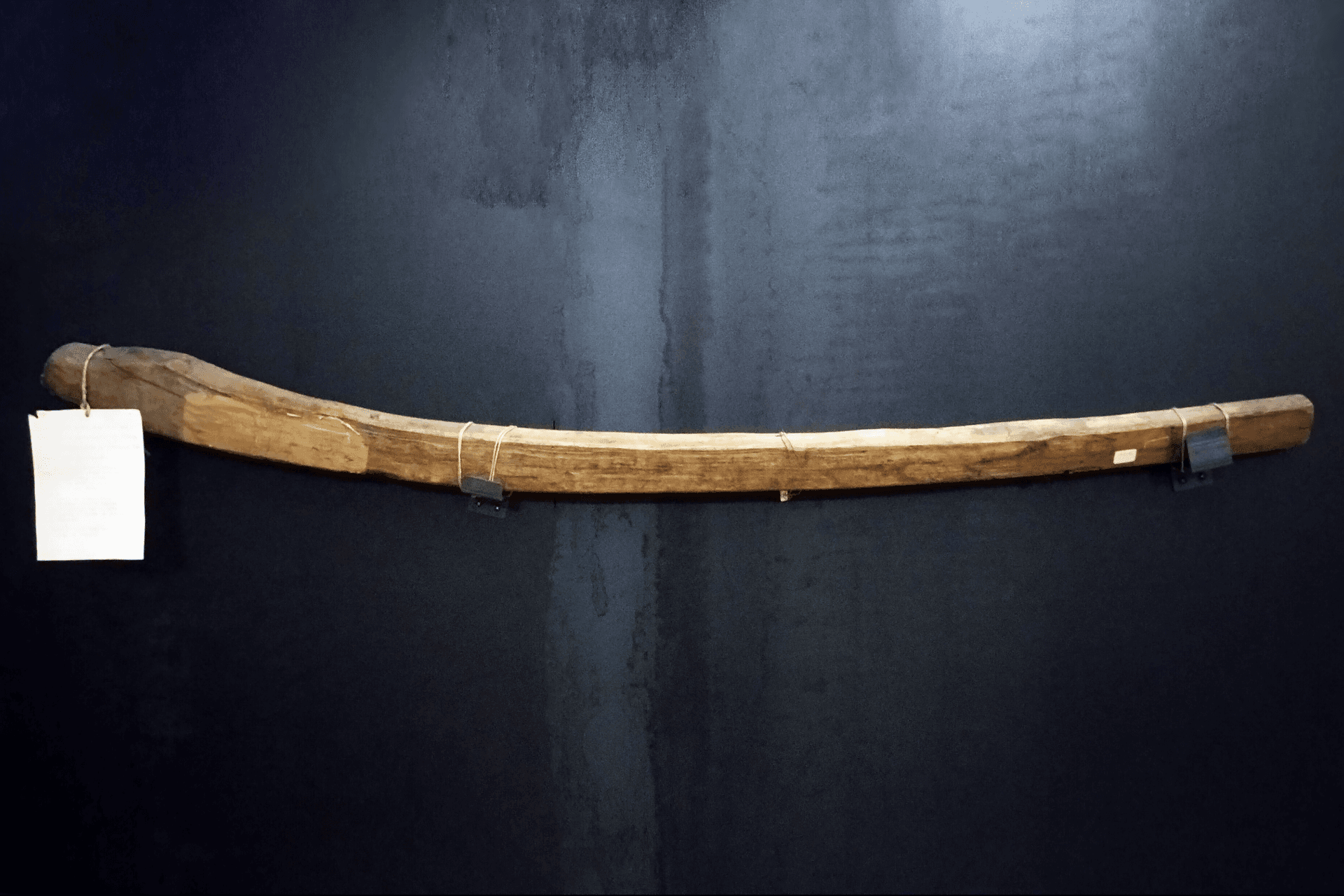 Cesare Lombroso Museum of Criminal AnthropologyIn a glass case at the entrance to one of the rooms stands a man's skeleton. It 9 minutes walk4.5
 National Mountain Museum (Duca degli Abruzzi)In August 1874 the city of Turin, at the proposal of the Italian Alpine Club's T13 minutes walk4.3
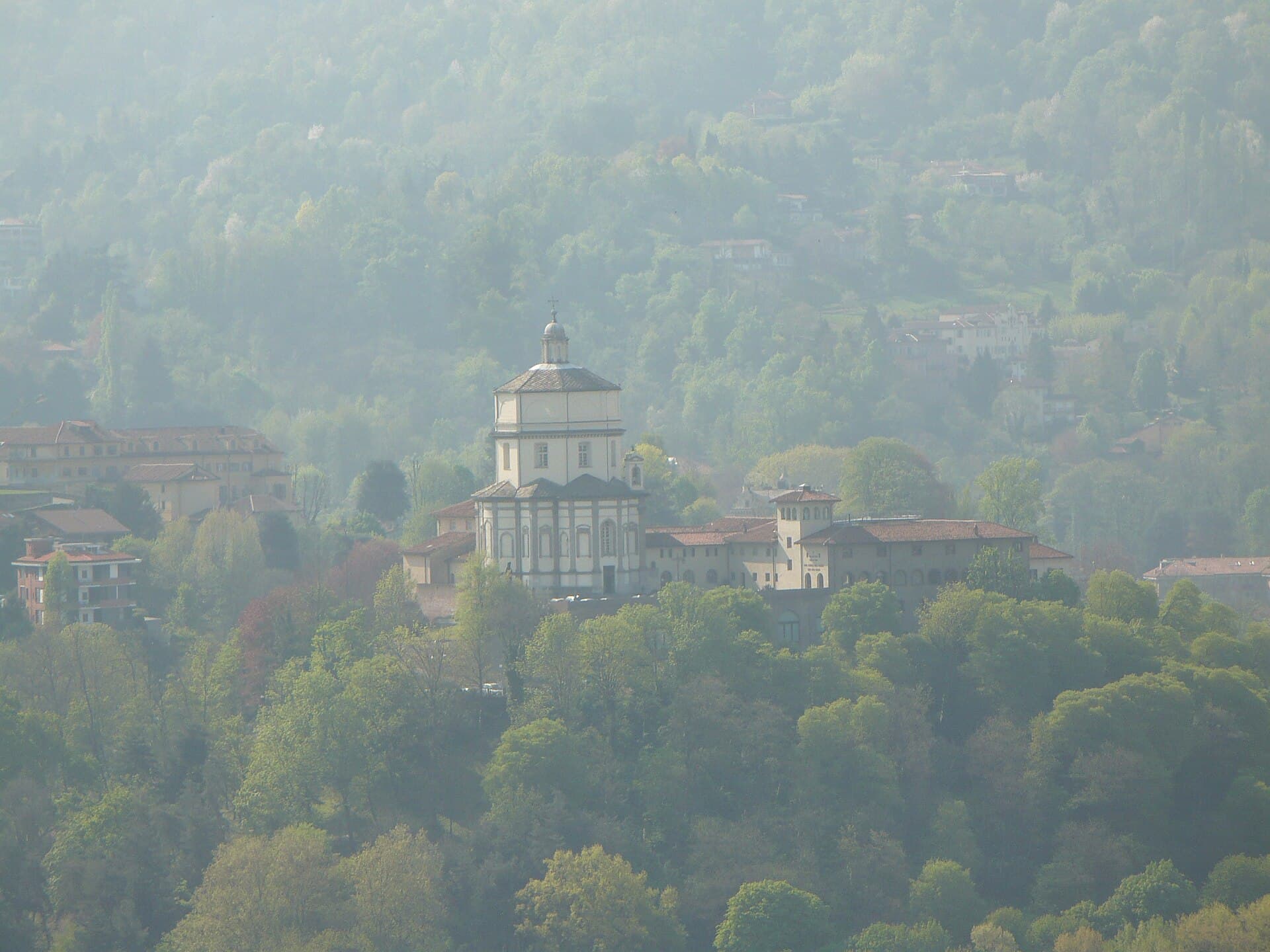
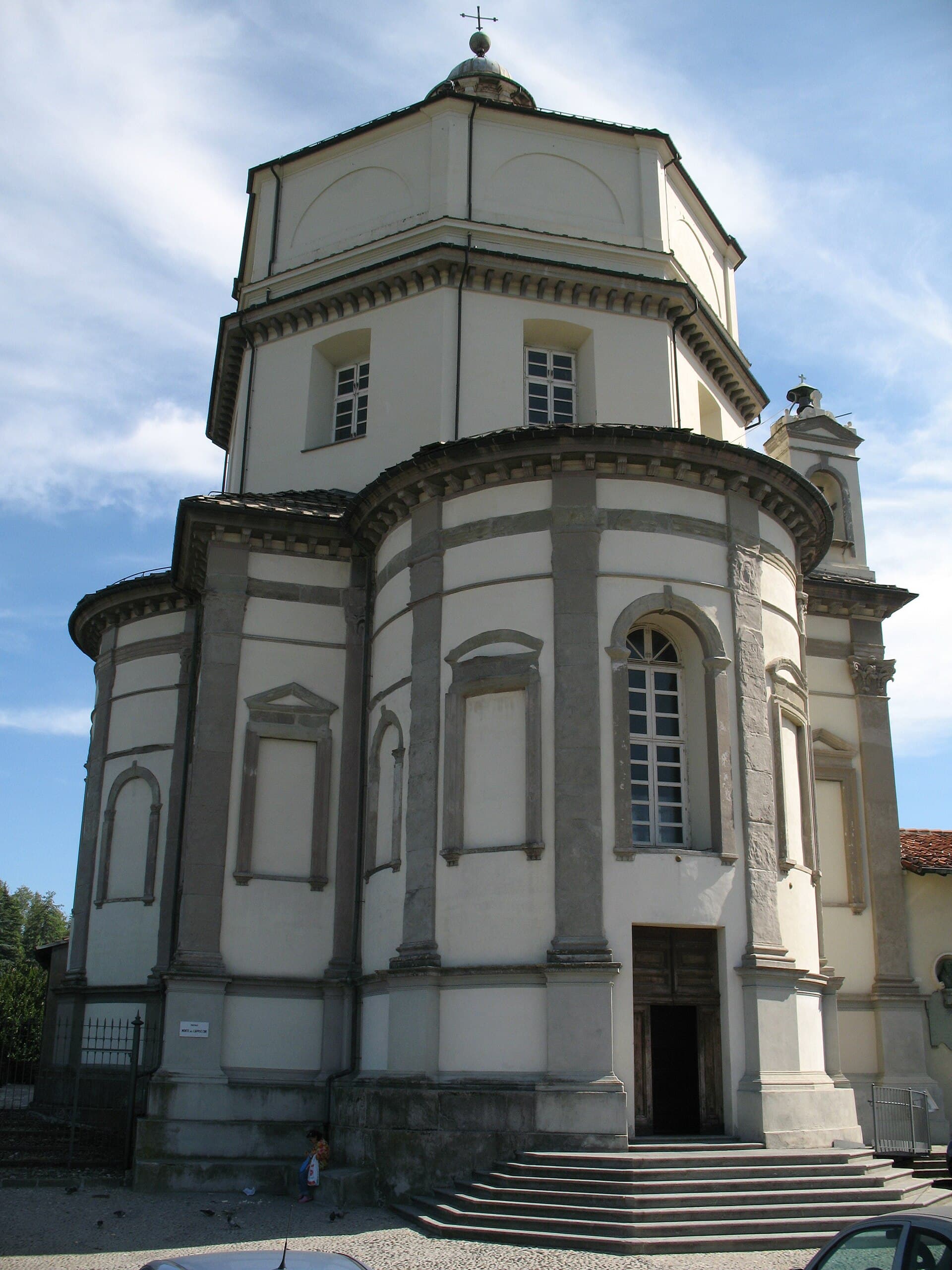 Monte dei CappucciniOn the Capuchin knoll above the Po's right bank stands a small church with a kin13 minutes walk4.6
 Regional Museum of Natural SciencesIn the middle of the hall stands a stuffed Indian elephant called Fritz, who arr15 minutes walk4.3
Not reliably. The piano nobile is seen on a Saturday-morning guided tour only, reserved online in advance, and only on the dates the university publishes; the calendar reopens in batches roughly every three months and fills fast. There is a standby queue about 15 minutes before each tour, but you get in only if someone cancels, and groups are capped at 30 — treat it as luck, not a plan. The building is a working architecture faculty the rest of the week and there is no door ticket. Book before you travel, and if nothing is available settle for the courtyard and the park, which cost nothing.
The surroundings, yes; the interior, less so. The riverside park is excellent for families and strollers, and the courtyard is wide and safe. The tour itself is an hour of architectural commentary in Italian in rooms where nothing may be touched — young children will fade fast. Children under 12 can join without a reservation, two per accompanying adult, but most families are better off doing the exterior and then the botanical garden next door if it is in season (Saturdays, Sundays and holidays, late March to mid-November).