
The Duke of the Abruzzi's legacy
North Pole material handed to the Alpine Club by the explorer himself in 1901, alongside collections on his Alaska and Karakoram climbs.
Francofranco56 — Public domain · MOs810 — CC BY-SA 4.0 · MOs810 — CC BY-SA 4.0 · MOs810 — CC BY-SA 4.0
In August 1874 the city of Turin, at the proposal of the Italian Alpine Club's Turin section, put up a wooden pavilion and a telescope on top of Monte dei Cappuccini to look at the arc of the Alps; the first museum rooms followed in 1877 and filled with what climbers kept bringing down from the peaks. That beginning left Turin with one of the oldest mountain museums on earth, still standing where it started: on the hill, directly above the Po. It was plain Museo Alpino until 1942, when it became the National Mountain Museum and took the name of Luigi Amedeo of Savoy, Duke of the Abruzzi, the explorer who in 1901 handed the club, of which he was honorary president, the material from his North Pole expedition — so part of the museum reads as one man's biography: the Arctic, Mount Saint Elias in Alaska, then the famous Karakoram expedition and K2. Inside are old climbing kit, nailed boots, ropes and tents, black-and-white photographs of summits nobody had yet stood on, and rooms on daily life in Alpine villages and on mountain cinema. The collections run past half a million items and only a small, rotating fraction is on show, so two visits a year apart do not feel the same. The temporary exhibitions — usually mountain photography — are generally the strongest thing here; the permanent rooms are more classic glass-case display. Labels are mostly in Italian and English. Worth separating clearly: the hill itself, with its church, its square and its free panorama over Turin with the Alps behind, has its own page on this site and needs no ticket at all. The museum is the building beside the Capuchin friary at the top, with its own separate admission, and its own rooftop terrace, included in the full ticket but also sold on its own for three euros to anyone who does not want the galleries. The practical point is that you can climb, photograph the city and come back down without paying anything. The honest verdict: this is not a reason to come to Turin, and it does not compete with the Egyptian Museum or the Mole for your first day. It earns an hour or two if mountains genuinely interest you, or if you were climbing the hill for the view anyway and want somewhere to be on a wet afternoon. Getting there is part of it: tram 13 or bus 56 to Piazza Gran Madre, then a steep ten-minute walk up — no good with a pushchair or for anyone who struggles on a slope, in which case drive up to the square, where parking is limited but a lift serves every floor of the museum.
North Pole material handed to the Alpine Club by the explorer himself in 1901, alongside collections on his Alaska and Karakoram climbs.
An open view over Turin with the Alpine chain behind it, sharpest on clear winter days just after rain.
Mountain photography is where this museum is genuinely strong, and the programme turns over several times a year.
Piazzale Monte dei Cappuccini 7, 10131 Turin, Italy
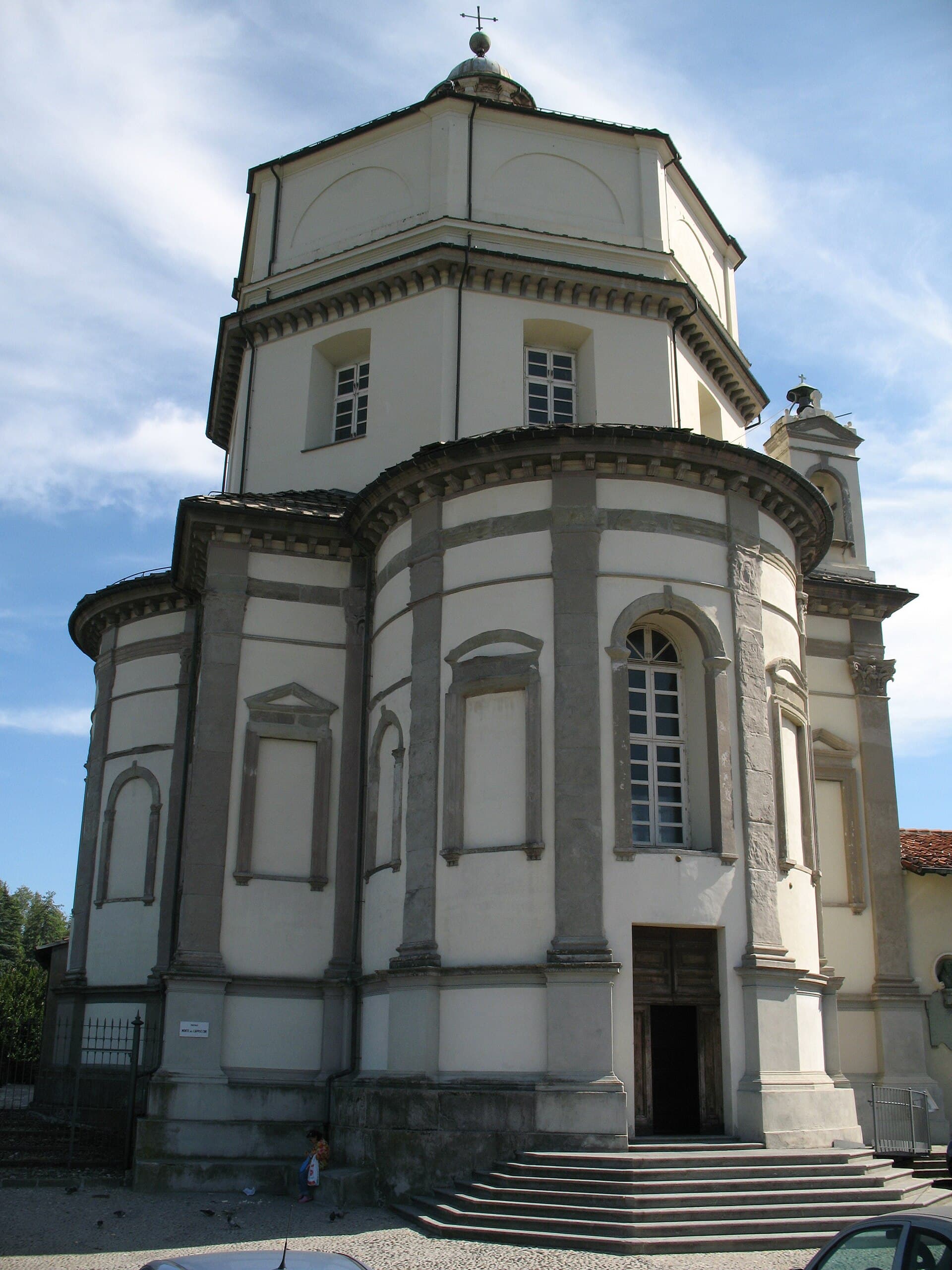 Monte dei CappucciniOn the Capuchin knoll above the Po's right bank stands a small church with a kin1 minute walk4.6
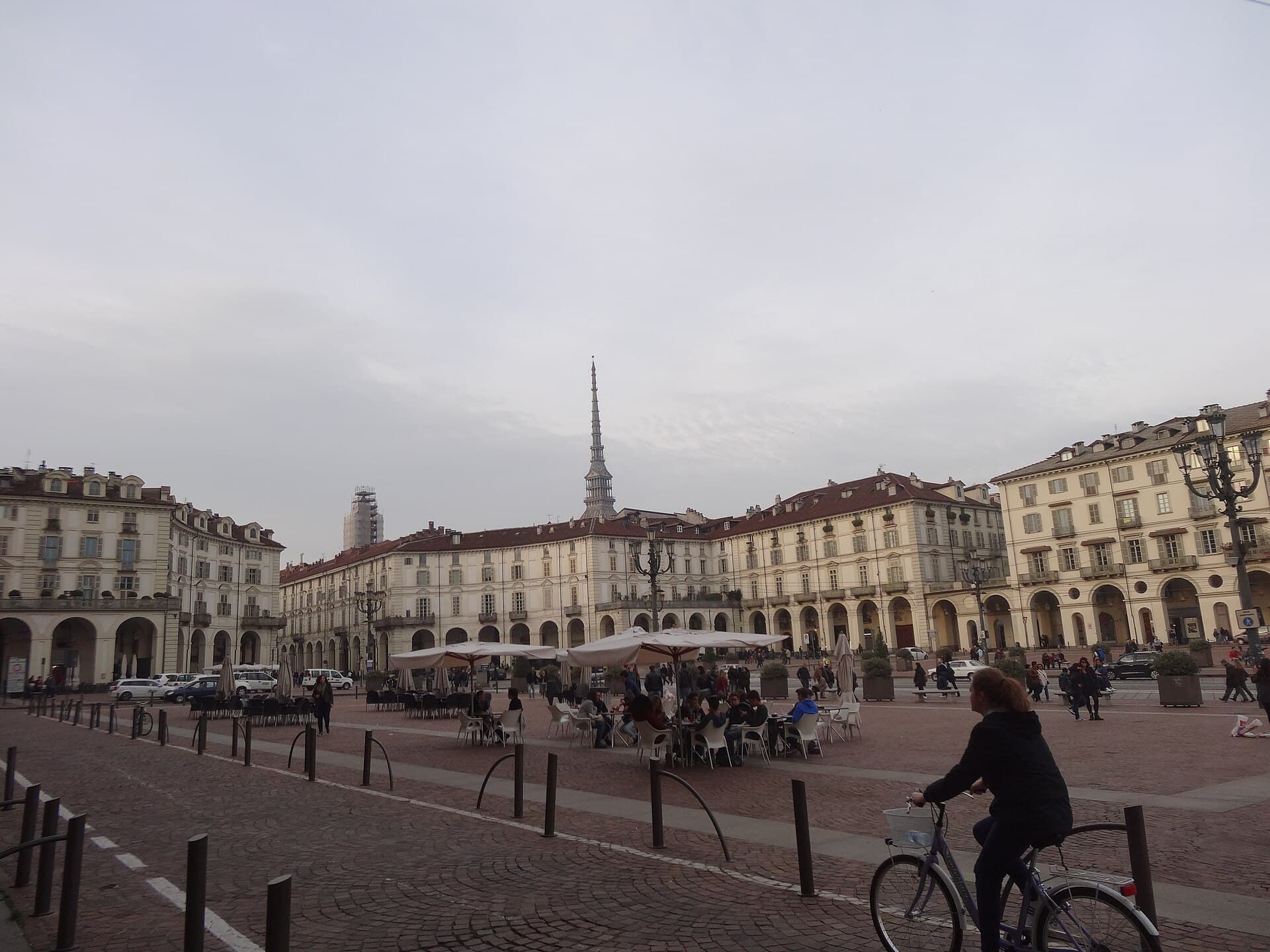 Piazza Vittorio VenetoA large square east of central Turin ending at the river Po, among the largest a7 minutes walk4.6
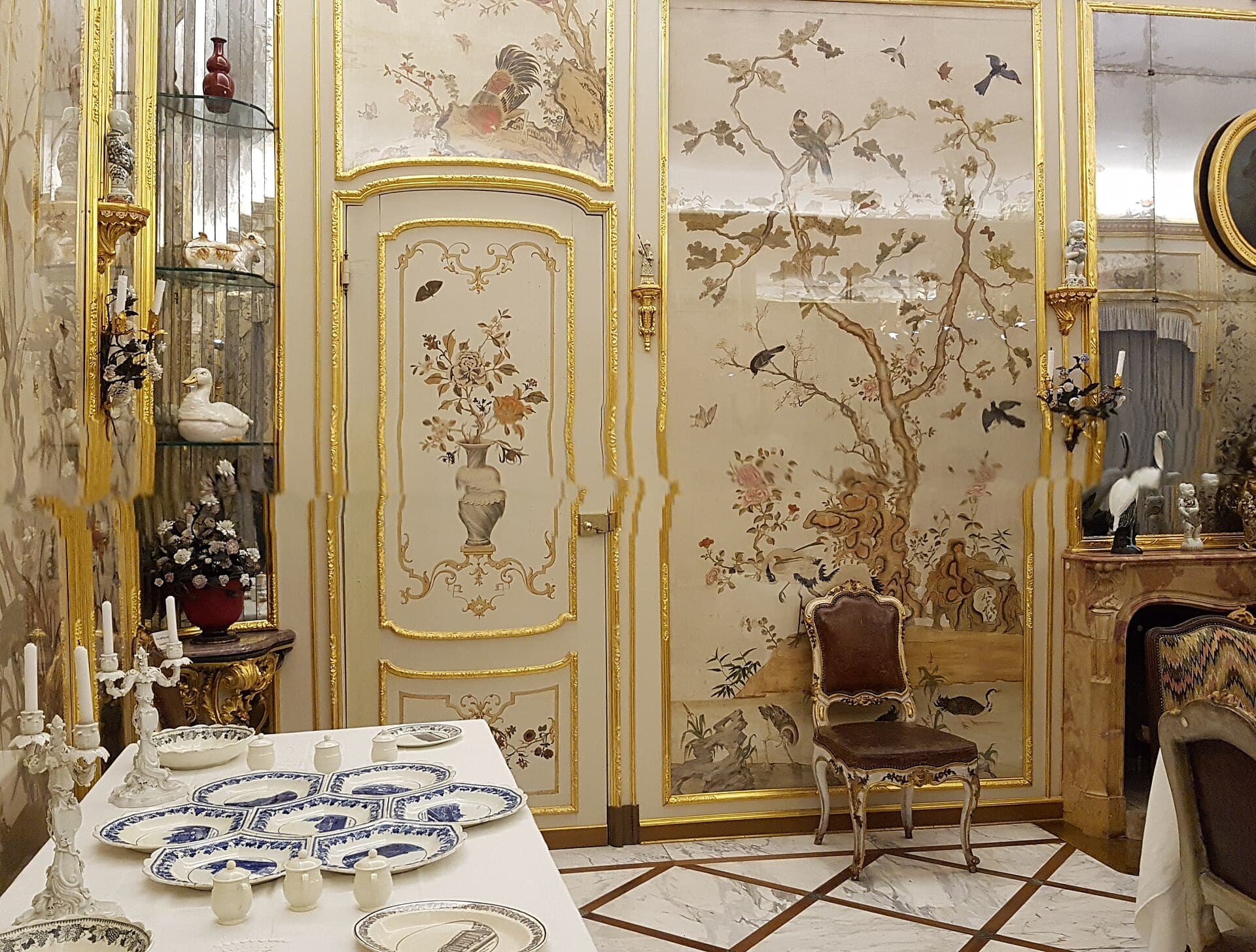 Accorsi-Ometto Museum of Decorative ArtsIn the room that carries his name stands a bureau made by Pietro Piffetti in 17310 minutes walk4.6
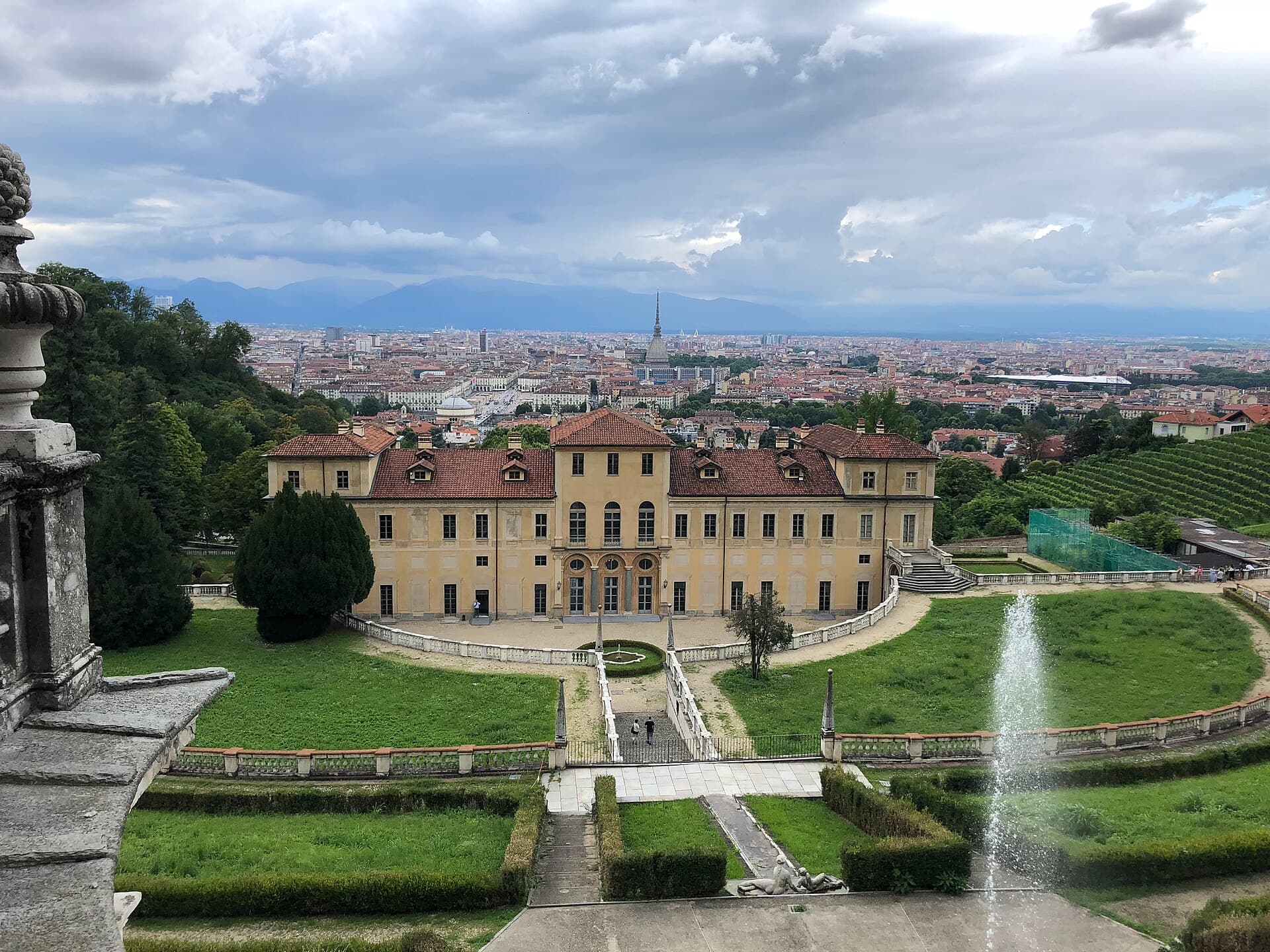 Villa della ReginaA royal villa with a vineyard inside the city: Villa della Regina stands on the 11 minutes walk4.3
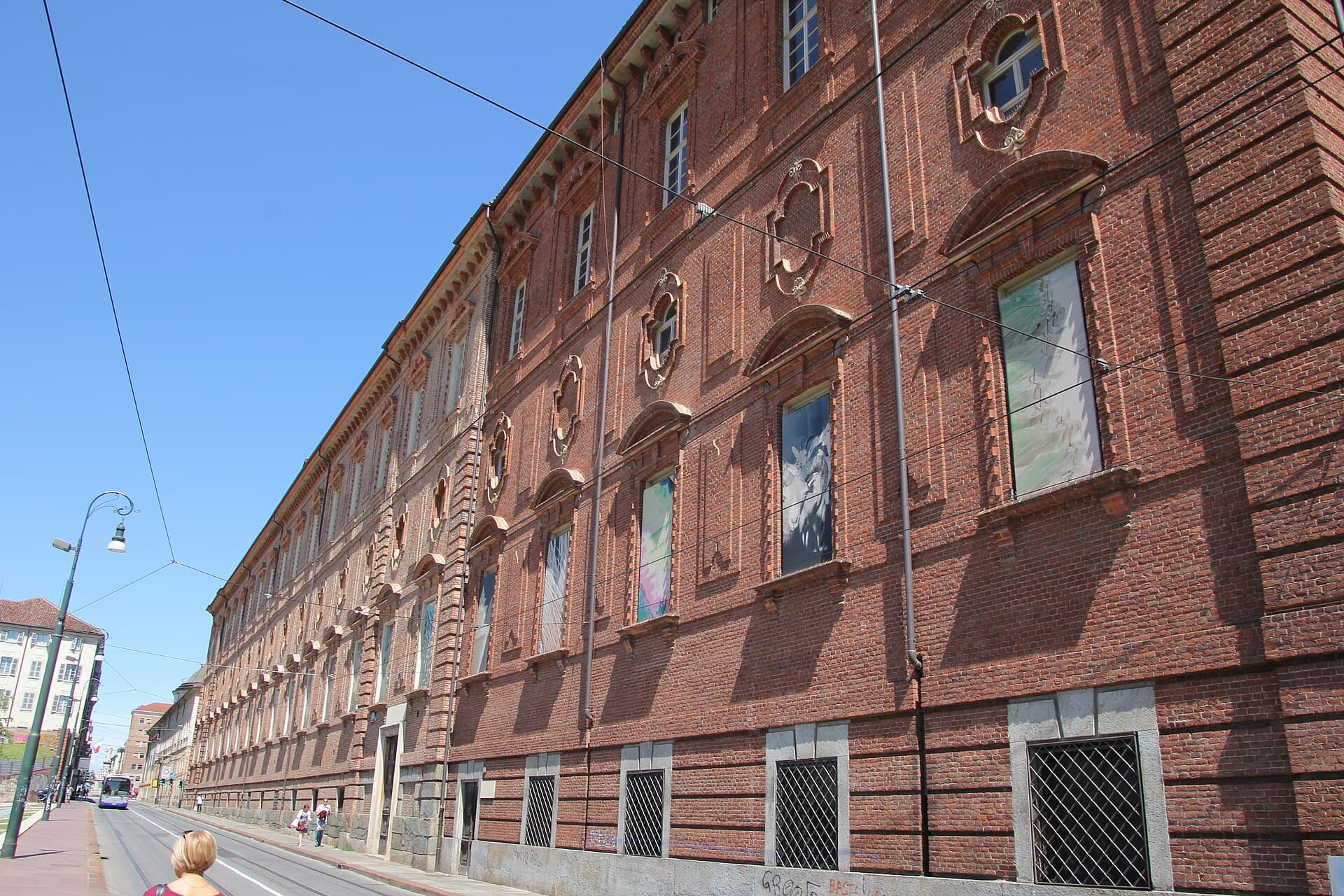 Regional Museum of Natural SciencesIn the middle of the hall stands a stuffed Indian elephant called Fritz, who arr11 minutes walk4.3
Honestly, no, if your time in Turin is short. Go up Monte dei Cappuccini for the view, which is free, then decide at the door: if climbing and mountains mean something to you, or the temporary show looks strong, go in. Otherwise stay on the square and give the hour to the Egyptian Museum or the Royal Palace instead.
No. The square in front of the church is open to everyone free of charge, and it gives the classic view over Turin. The museum's own rooftop terrace is a little higher and quieter, included in the full ticket and sold separately for three euros, but it is an optional extra rather than a necessity.