
The scientist who became a specimen
Lombroso willed his own body into his collection, so his skeleton now stands among the skulls he gathered to prove a theory that collapsed, while the museum keeps his preserved head out of public view.
Bruce The Deus — CC BY-SA 4.0 · Bruce The Deus — CC BY-SA 4.0 · Rosa Mauro — CC0 · Rosa Mauro — CC BY-SA 4.0
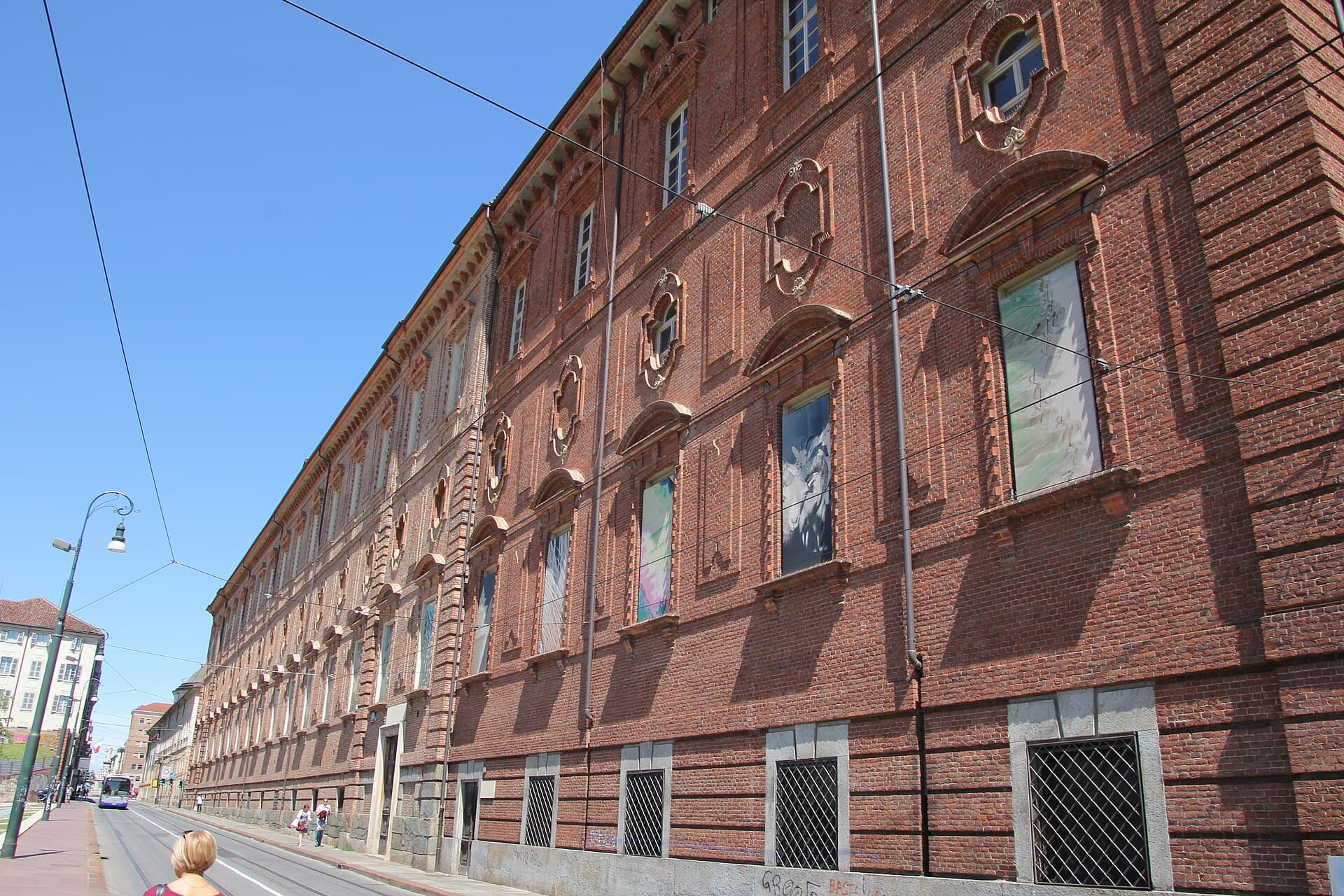
In a glass case at the entrance to one of the rooms stands a man's skeleton. It belongs to Cesare Lombroso himself, the doctor who spent his life collecting skulls and death masks to prove that criminality could be read in the shape of a face and the size of a cranium. He left instructions that his own body be dissected and displayed among his specimens, and he largely got his wish: he is now exhibit number one in a museum that states plainly that his theory was wrong from the ground up. His head, preserved in formalin, is in the collection too, but the museum keeps it out of public view. The idea Lombroso built his 19th-century fame on, the 'born criminal' recognisable by his features, is not merely outdated science. It is pseudoscience with an openly racist foundation, used first to classify the poor of southern Italy and then whole peoples as lesser and closer to the primitive. Everything on show here — hundreds of skulls, faces cast in plaster after execution, human remains, letters and drawings and objects made by inmates of prisons and asylums — was gathered as evidence for that idea. Since reopening in 2009 the museum has presented the collection not as an achievement but as an indictment: the wall texts take the method apart and show how science bends and serves power when it goes looking for what it has already decided to find. Even the ownership of some of these remains has gone to court. The Calabrian town of Motta Santa Lucia sued for the return of the skull of one of its sons, the very skull Lombroso claimed had revealed his theory to him; a lower court ordered it returned in 2012, and in 2017 an appeals court ruled that it could stay in Turin. The museum is small and rarely takes more than an hour. It occupies a wing of the Palazzo degli Istituti Anatomici in San Salvario, a quarter of an hour on foot from Porta Nuova station and on the edge of Parco del Valentino, which has its own page here. Two other museums share the building, the Museum of Human Anatomy and the Fruit Museum, and a single 10-euro ticket covers all three; Lombroso alone is 5 euros. Entry is free for everyone every Wednesday and free with the Torino+Piemonte Card, and individual visitors need no advance booking. San Salvario is also one of Turin's most mixed neighbourhoods, with Middle Eastern and halal places nearby that solve the question of lunch afterwards. We will not dress this up: it is a hard visit. The remains are real people, none of whom consented to being displayed, some of what you see stays with you for days, and it is no place to bring children. If Turin is a single day on a trip coming down from Milan or the lakes, skip this without regret and spend the time on the Museo Egizio or the Mole Antonelliana. But if you have three days or more in the city and you are drawn to questions about science, racism and how an illusion gets dressed in the sober language of research, this will be one of the most thought-provoking hours you spend in Turin.
Lombroso willed his own body into his collection, so his skeleton now stands among the skulls he gathered to prove a theory that collapsed, while the museum keeps his preserved head out of public view.
The wall texts do not defend Lombroso, they dismantle him, showing how skull-measuring became a racist instrument aimed at southern Italy's poor and others after them.
The same building holds the Museum of Human Anatomy and the Fruit Museum, and a 10-euro ticket rolls all three into a single visit.
Via Pietro Giuria 15, Palazzo degli Istituti Anatomici, San Salvario, 10126 Turin
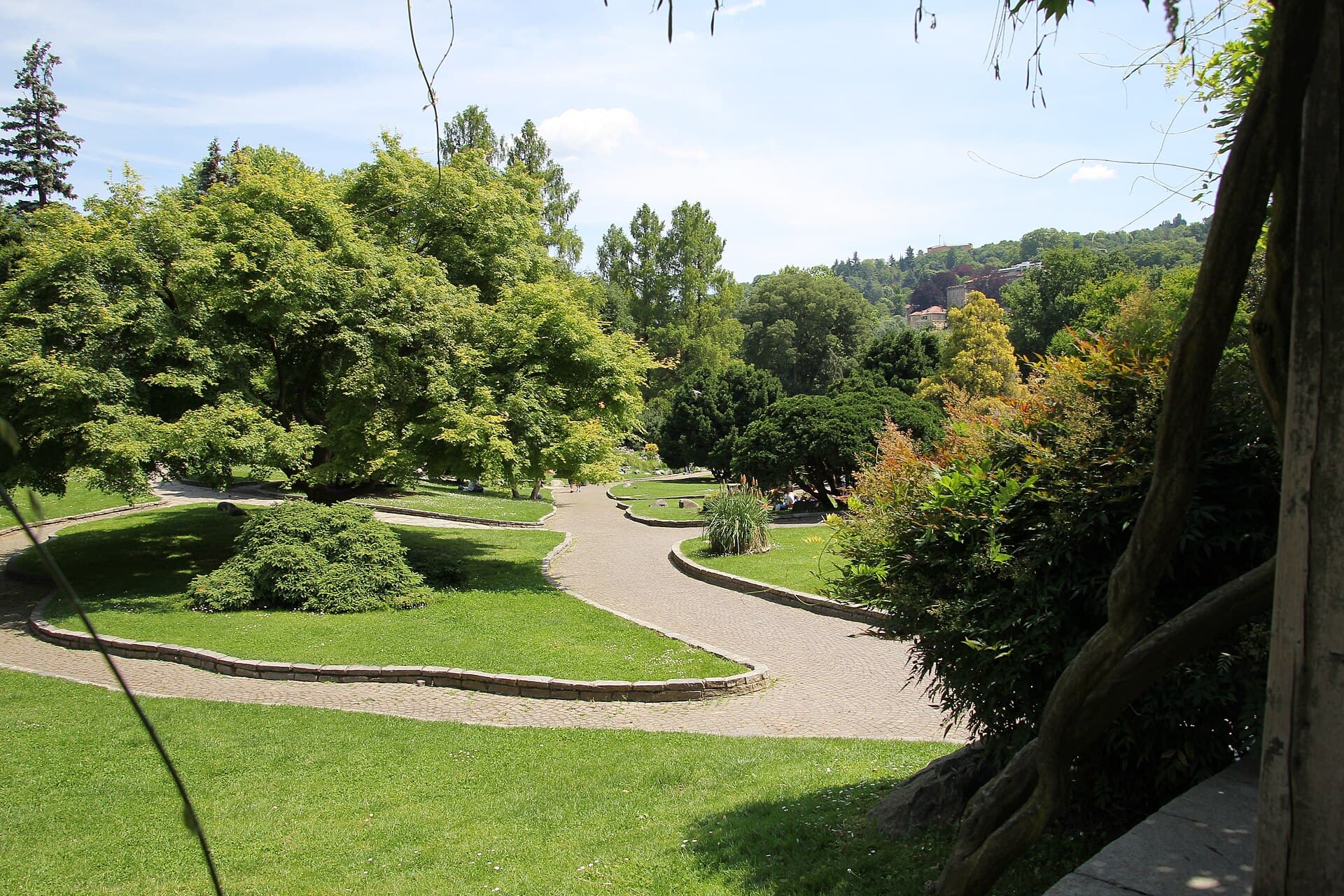 Parco del ValentinoThe Valentino is Turin's green bank: half a million metres on the Po holding a F8 minutes walk4.5
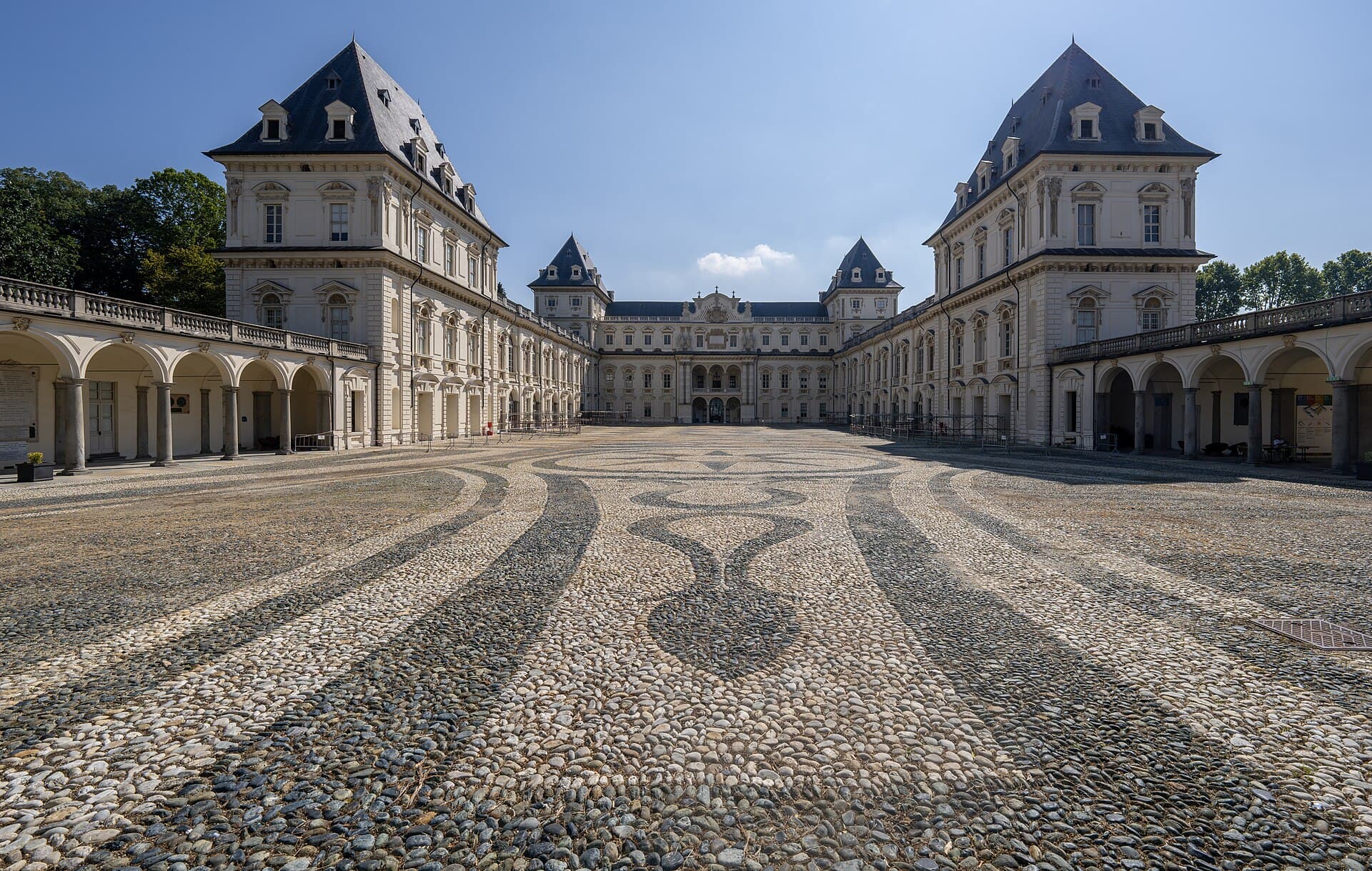 Castello del ValentinoCastello del Valentino may be the strangest building you will walk into in Europ9 minutes walk4.6
 National Mountain Museum (Duca degli Abruzzi)In August 1874 the city of Turin, at the proposal of the Italian Alpine Club's T22 minutes walk4.3
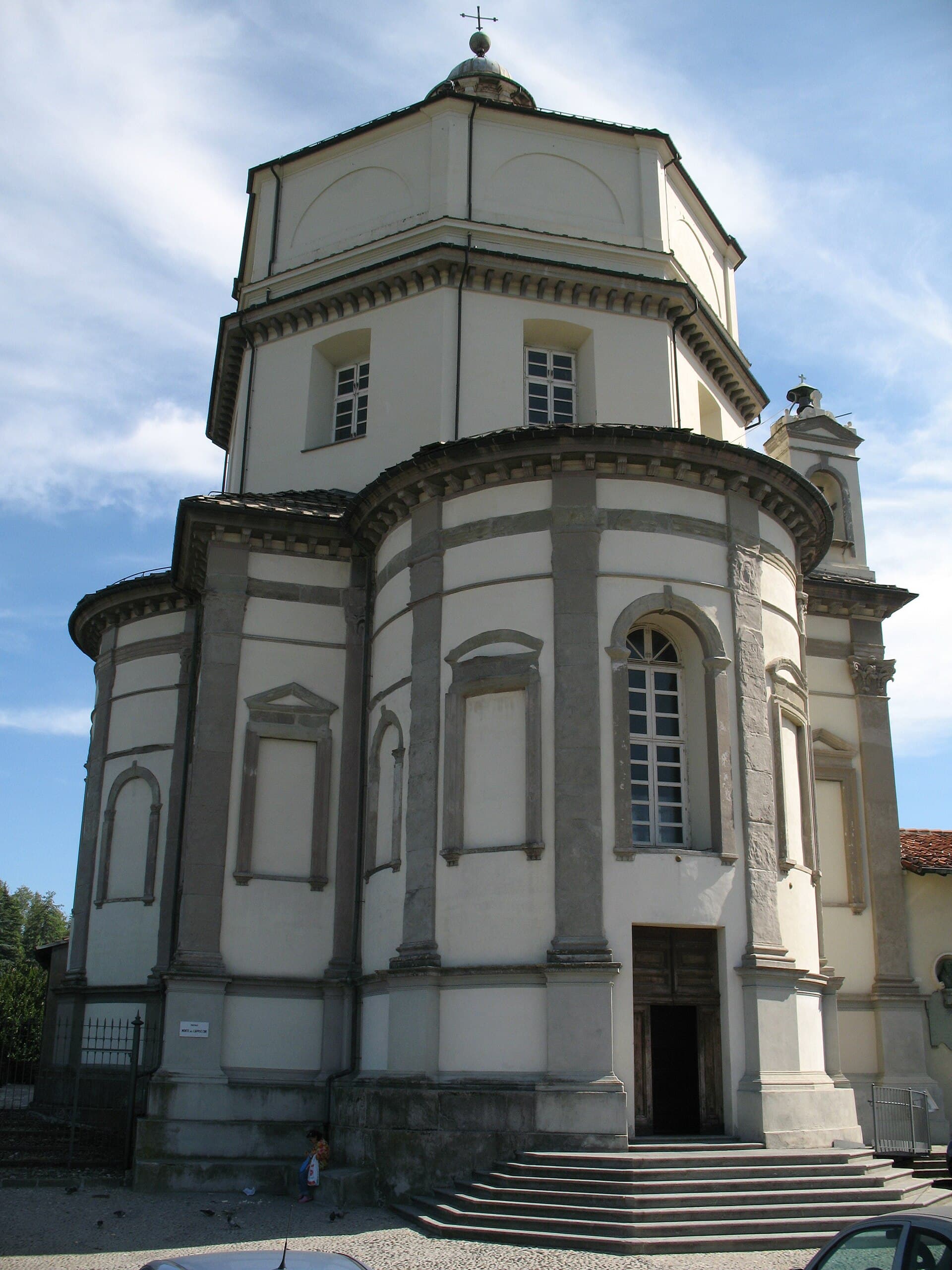 Monte dei CappucciniOn the Capuchin knoll above the Po's right bank stands a small church with a kin22 minutes walk4.6
 Regional Museum of Natural SciencesIn the middle of the hall stands a stuffed Indian elephant called Fritz, who arr22 minutes walk4.3
We would not. The displays are real human remains, death masks and anatomical photographs, and they unsettle plenty of adults before they get to children. If you are travelling as a family, give this one a miss in favour of the Museo Egizio or the Mole Antonelliana, or split up: whoever wants to go can, while the rest wait in nearby Parco del Valentino.
Honestly, no, if you only have one day. Turin is not most Arab travellers' first stop in Italy, and a single day there belongs to the Museo Egizio, the squares and the historic cafes. From your third day onwards, though, Lombroso becomes a strong and genuinely unexpected addition, particularly on a Wednesday when entry costs nothing, and it will not take more than an hour.