
The Rondanini Pieta
Michelangelo's last sculpture, unfinished and without a glass barrier, in a stripped-back hall that gives it a silence rare in Milan.
Sailko — CC BY 3.0 · Carlo Dell'Orto — CC BY-SA 4.0 · Carlo Dell'Orto — CC BY-SA 4.0 · Carlo Dell'Orto — CC BY-SA 4.0
In a bare stone hall that was once a ward of a Spanish military hospital stands a sculpture its maker never finished. The Rondanini Pieta is the last thing Michelangelo carved, and he was still working at it in his final days, aged eighty-eight. Mother and son dissolve into a single column of marble, while one polished arm left over from an earlier version hangs in the air like evidence of a sculptor changing his mind halfway through. There is no glass barrier and usually no crowd: just you and the stone. That alone justifies the ticket. The Pieta sits within the wider museum system of the Castello Sforzesco, whose heart is the Museum of Ancient Art on the ground floor, in the rooms facing the ducal courtyard: a chain of frescoed halls holding some four hundred Lombard sculptures spanning the fifth to the sixteenth century, the tomb of Bernabo Visconti with its unsmiling marble horseman, the portal of the Medici Bank moved here block by block, and Bambaia's recumbent Gaston de Foix. Further along the castle route comes a hall of tapestries with the embroidered city banner of Milan bearing Saint Ambrose. Beyond, the arms and armour rooms — a hit with children, less compelling for everyone else, and no shame in walking through them briskly. One thing to know before you build a visit around it: the Sala delle Asse, whose ceiling Leonardo da Vinci designed as a canopy of interlaced, knotted trees, is still inside a long restoration — the official site currently lists it as under restoration and points visitors to virtual tours instead, though it has opened from time to time in short, pre-booked windows. If Leonardo's ceiling is your reason for coming, check the official site before booking and do not assume it is on view. Practically: the castle courtyards are entirely free and open from 07:00 until 19:30, a wide shaded space that suits travellers with children, and they lead out at the back into the large Parco Sempione — the panoramic rampart walk, though, is a separate ticket that the museum ticket does not cover. The combined ticket is reasonable by Milan standards, and the museums close on Mondays while the courtyards stay open. Cairoli and Cadorna on the red line and Lanza on the green are the nearest metro stops, and Via Dante, which runs straight to the castle gate, is lined with cafes and food — no need to carry anything in.
Michelangelo's last sculpture, unfinished and without a glass barrier, in a stripped-back hall that gives it a silence rare in Milan.
The Visconti tomb, the Medici Bank portal and Bambaia's recumbent Gaston de Foix, strung through frescoed rooms you can cover in an hour.
Wide shaded squares open from 07:00 to 19:30, easy with children, opening straight onto Parco Sempione.
Piazza Castello, 20121 Milan, Italy
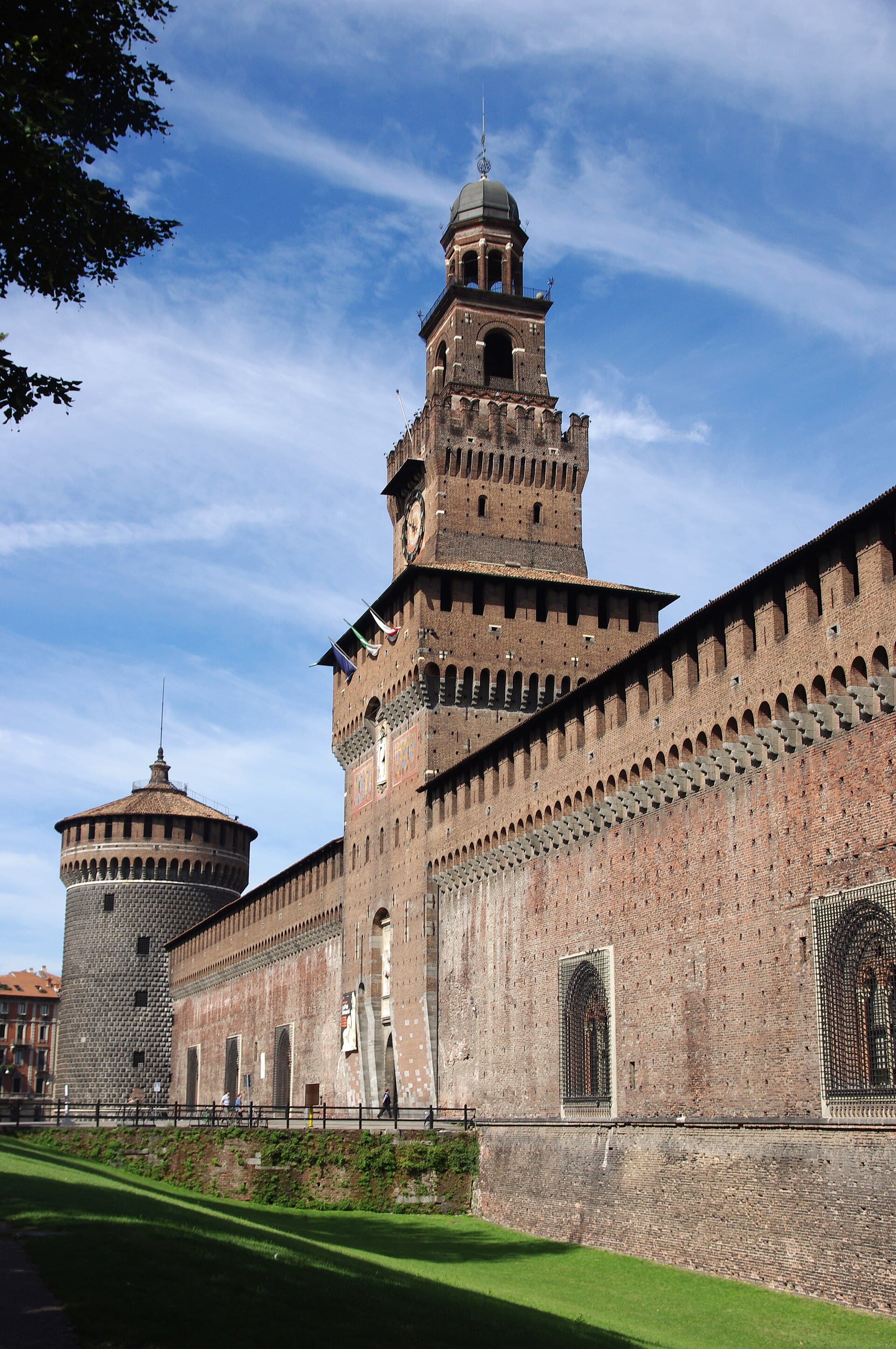 Sforzesco CastleThe Castello is the fortress of Milan's dukes: a huge red fifteenth-century squa1 minute walk4.8
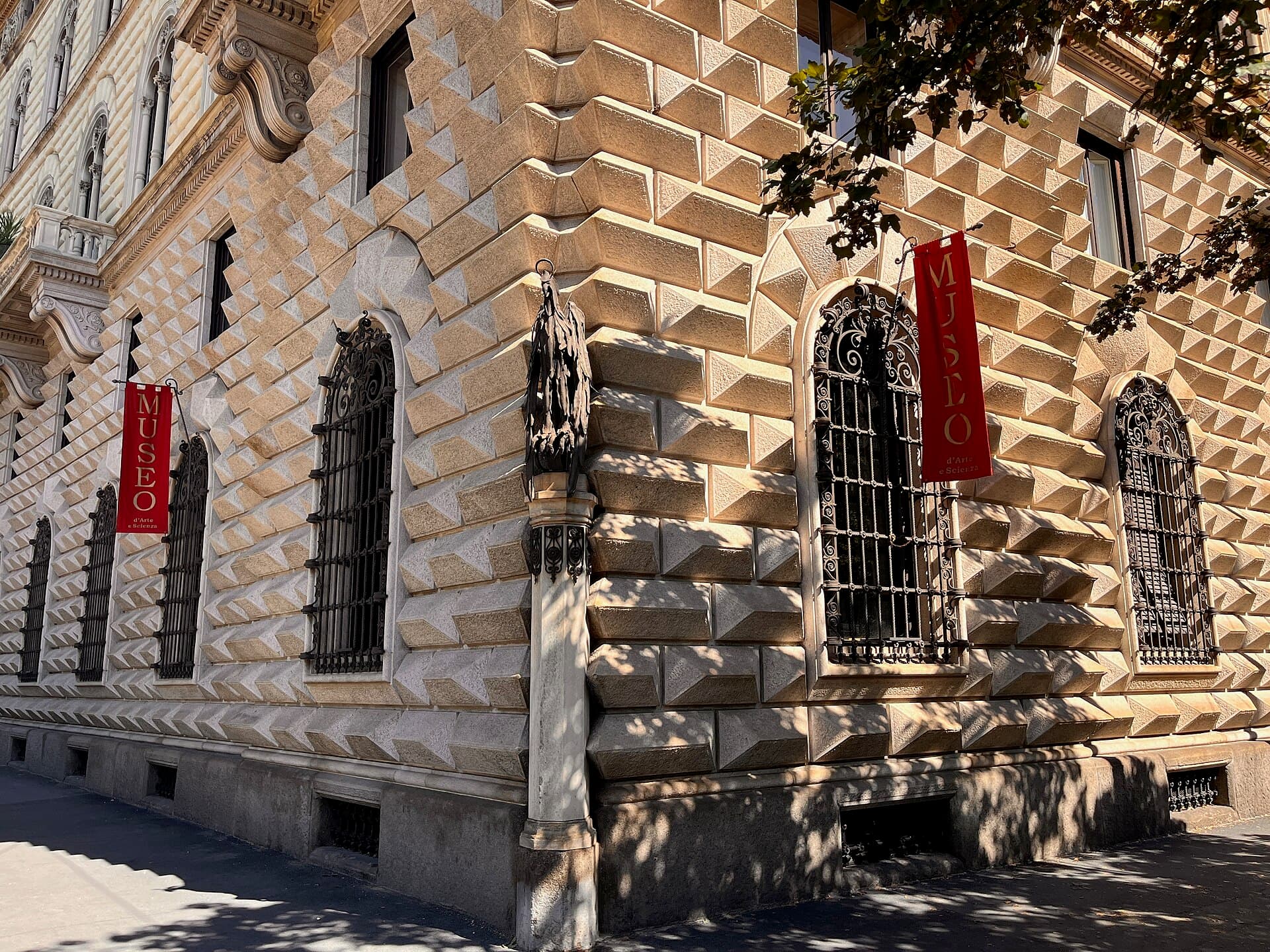 Museo d'Arte e ScienzaA private museum near the Sforza castle in Milan with an unusual subject: how it4 minutes walk4.4
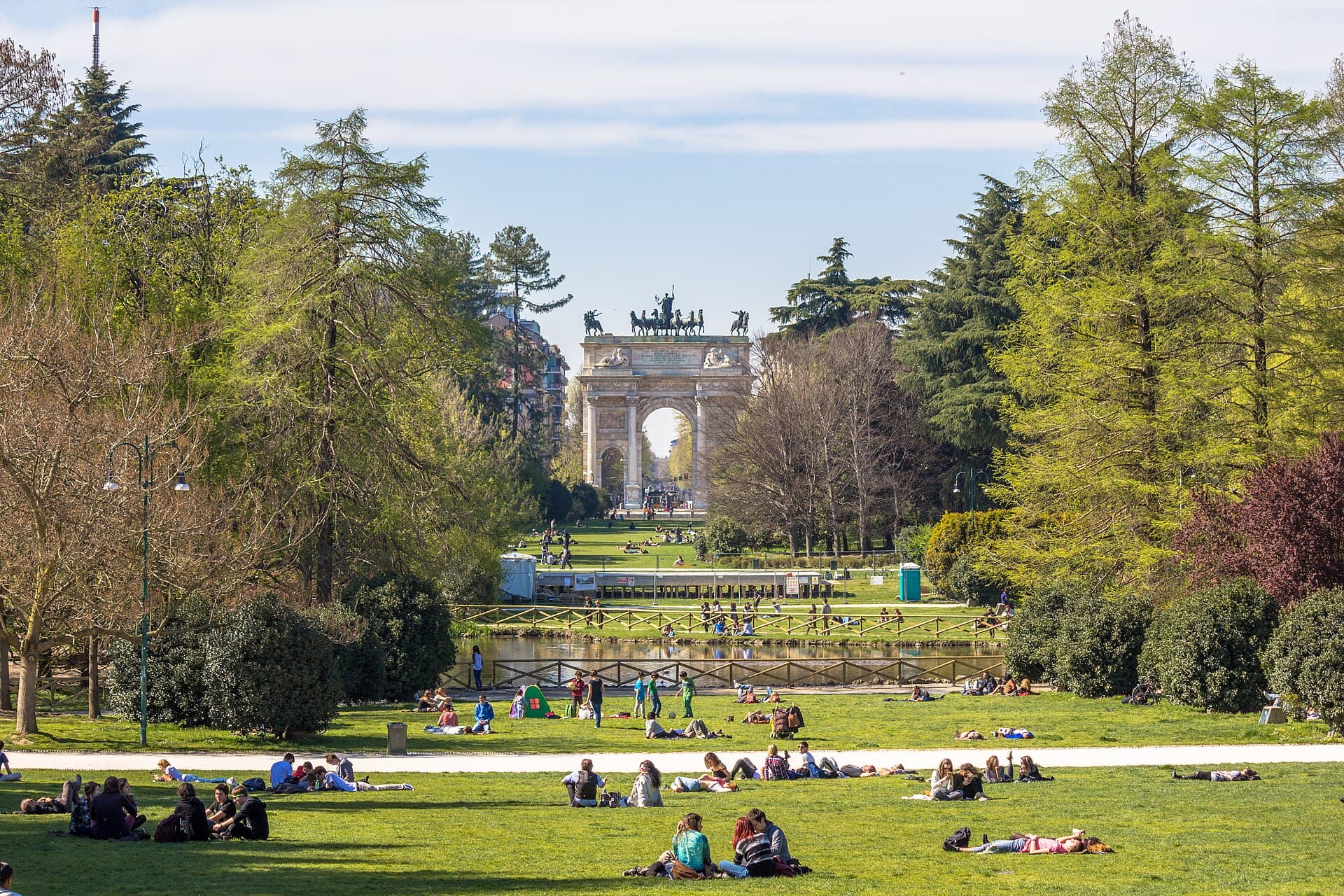 Parco SempioneSempione is Milan's green lung: forty-seven hectares of English-style lawns, pon5 minutes walk4.7
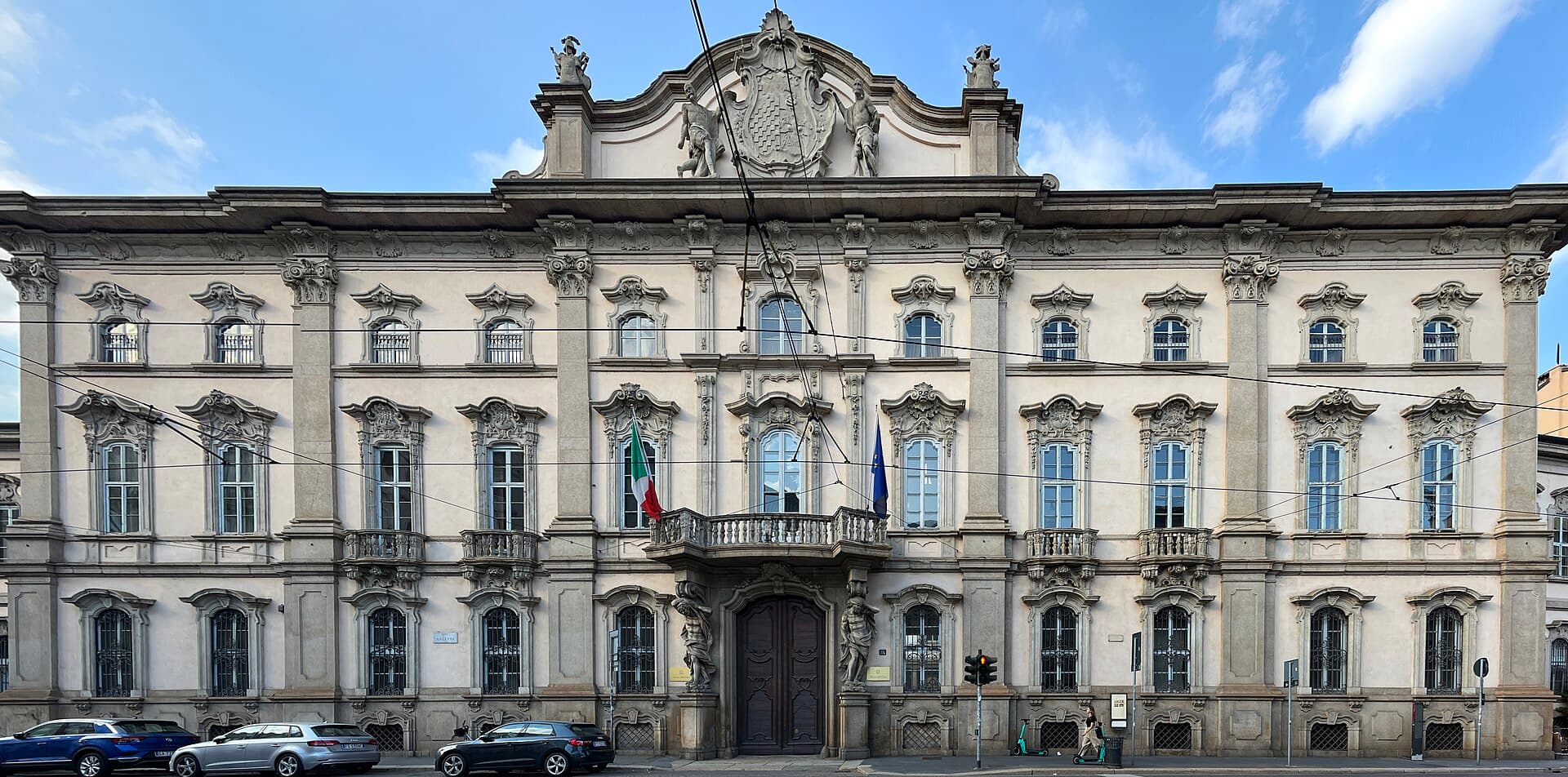 Palazzo LittaA seventeenth-century palace on Corso Magenta west of central Milan, its undulat7 minutes walk4.5
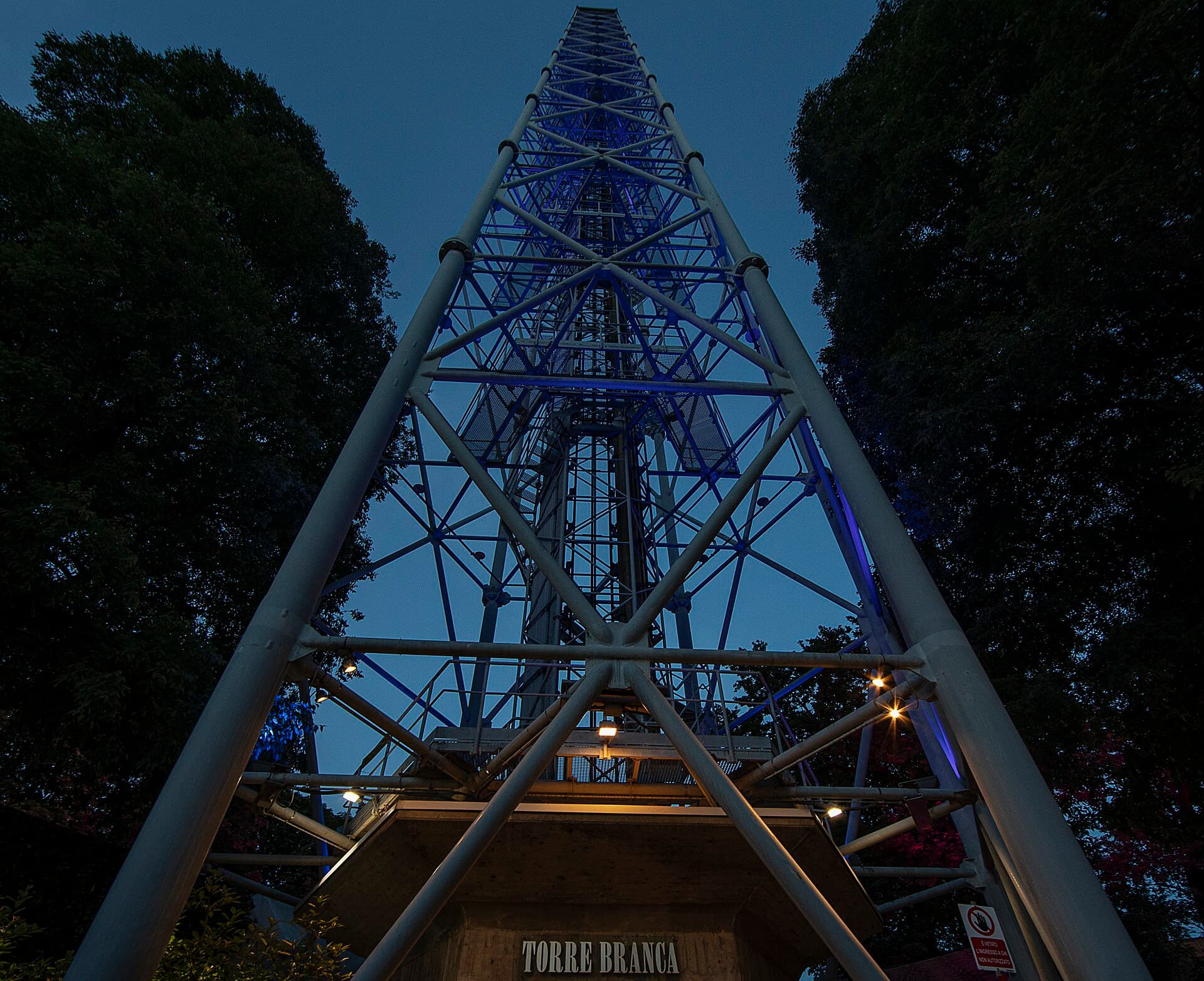 Torre BrancaThe Torre Branca is a slender steel needle of 108 metres among Sempione's trees,7 minutes walk4.4
Yes, but essentially for one reason: the Rondanini Pieta. Ten euros and forty minutes buy you something the Brera cannot offer, a sculpture its maker abandoned halfway. The rest of the halls are good rather than extraordinary, so if your Milan time is tight, go straight to the Pieta and walk the others quickly without guilt.
The courtyards absolutely: wide, free, shaded, and connected to Parco Sempione where children can run. The museum itself is a set of quiet halls that ask for some discipline, the armour rooms are the part that holds them, and under-18s get in free. The workable plan is an hour inside, then the rest of the time in the park — not the other way round.