
The pink façade
Curved and ornamented — among Milan's best-known baroque fronts.
Chabe01 — CC BY-SA 4.0 · Chabe01 — CC BY-SA 4.0 · Chabe01 — CC BY-SA 4.0 · Marcantonio Dal Re — Public domain
A seventeenth-century palace on Corso Magenta west of central Milan, its undulating pink front among the best-known baroque façades in the city. The façade is the event: curved and ornamented with sculpture, large windows and a balcony, an example of late Lombard baroque, when architecture came to seek movement rather than repose. Inside are a columned courtyard, a double ceremonial staircase, mirrors and decorated halls — what survives from the time the palace was the seat of one of Milan's wealthiest families. The building today houses a cultural foundation and a theatre, and opens to the public for events and exhibitions. That means access follows the programme rather than fixed visiting hours: check what is on before heading over. Even without going in, the façade is worth stopping for, and it stands minutes from Santa Maria delle Grazie, where Leonardo's Last Supper is — the natural route on which to fold it in.
Curved and ornamented — among Milan's best-known baroque fronts.
A double stair, mirrors and halls from the era of the city's richest families.
The church of the Last Supper is minutes away on foot.
Corso Magenta, west of central Milan
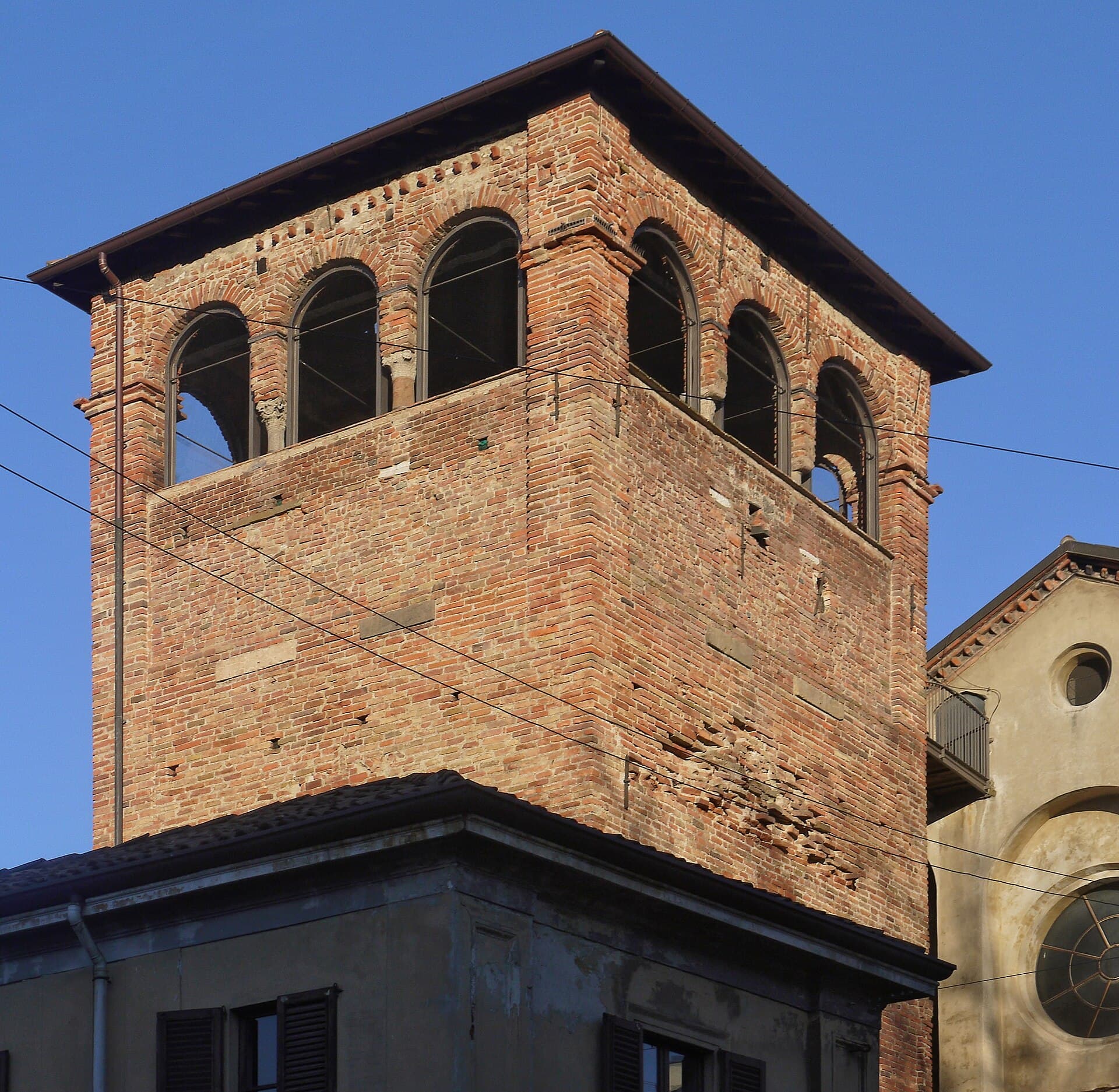 San Maurizio al Monastero MaggioreBehind an unpromising grey front on Corso Magenta hides the "Sistine of Milan": 1 minute walk4.7
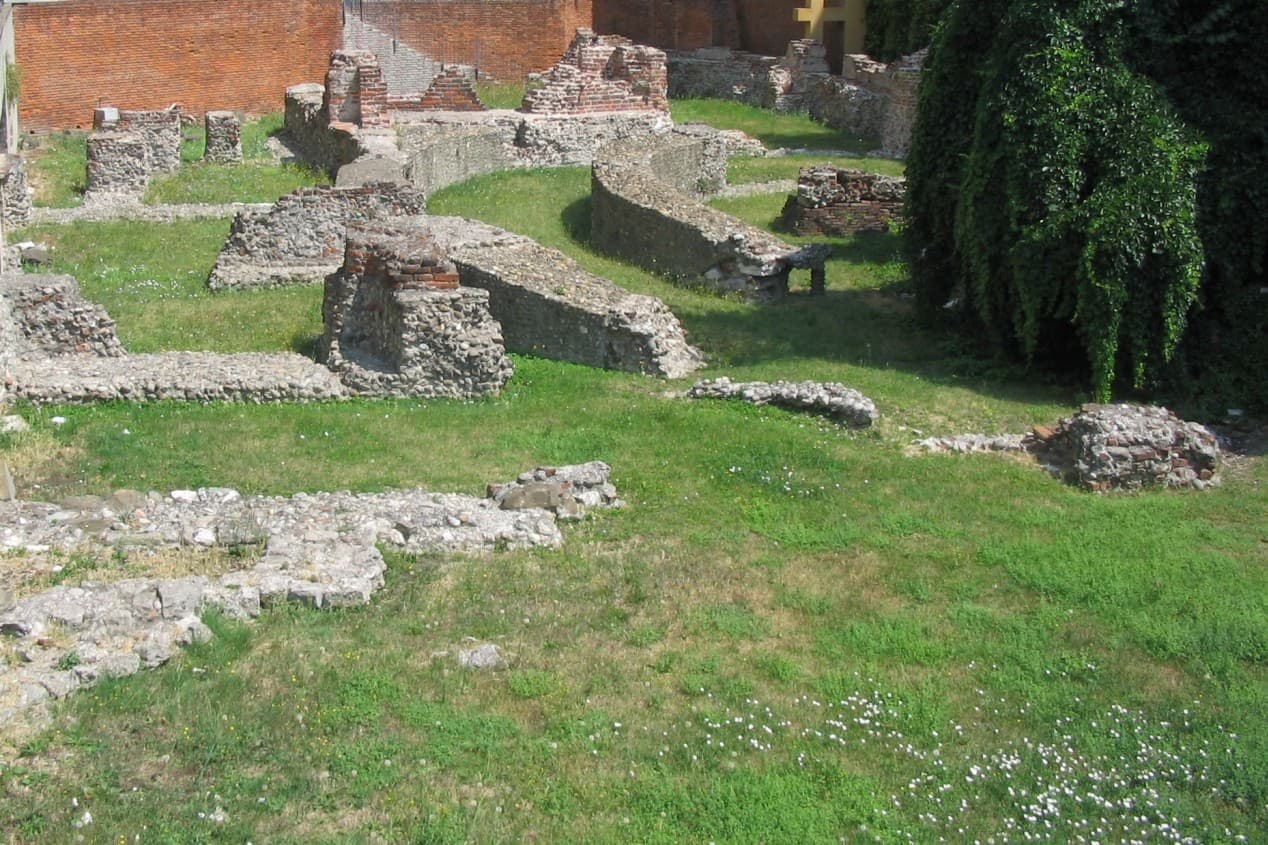 Roman Imperial PalaceThe remains of the Roman imperial palace in Milan, low ruins below street level 2 minutes walk4.5
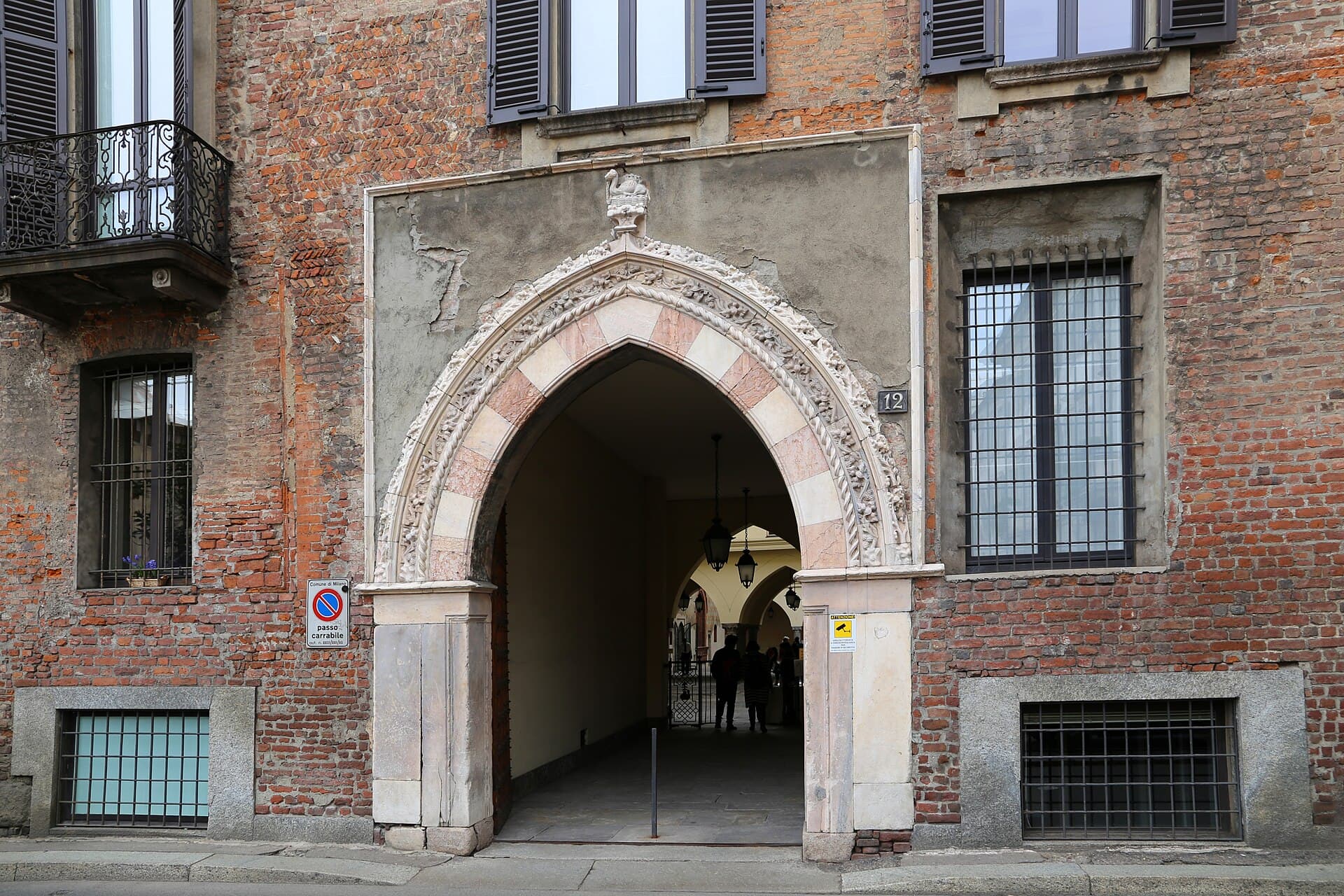 The Palazzo BorromeoA fifteenth-century palace on a small quiet square in central Milan, among the f5 minutes walk4.2
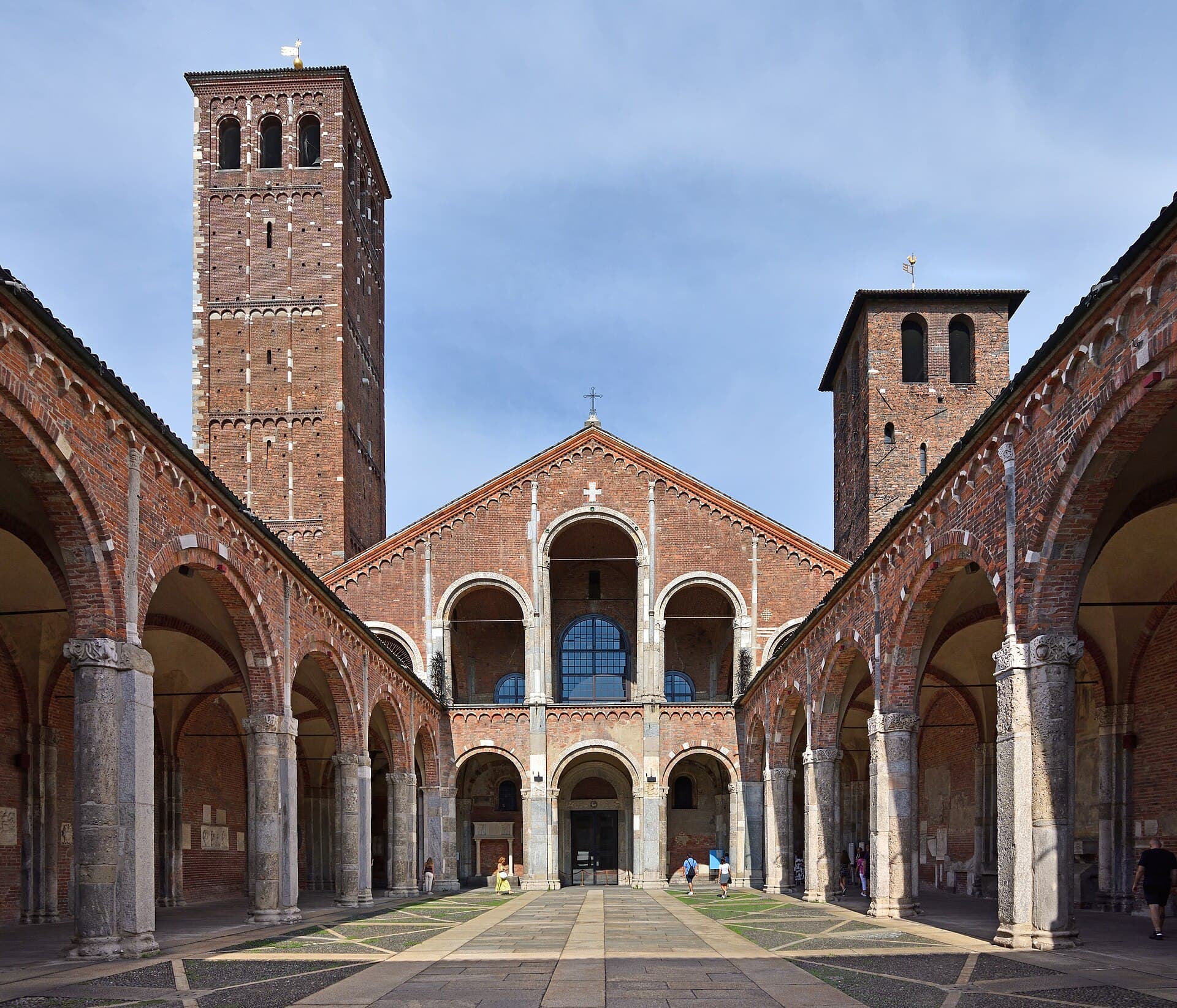 Basilica of Sant'AmbrogioBeneath the high altar, behind the glass of a silver casket, three men lie side 5 minutes walk4.6
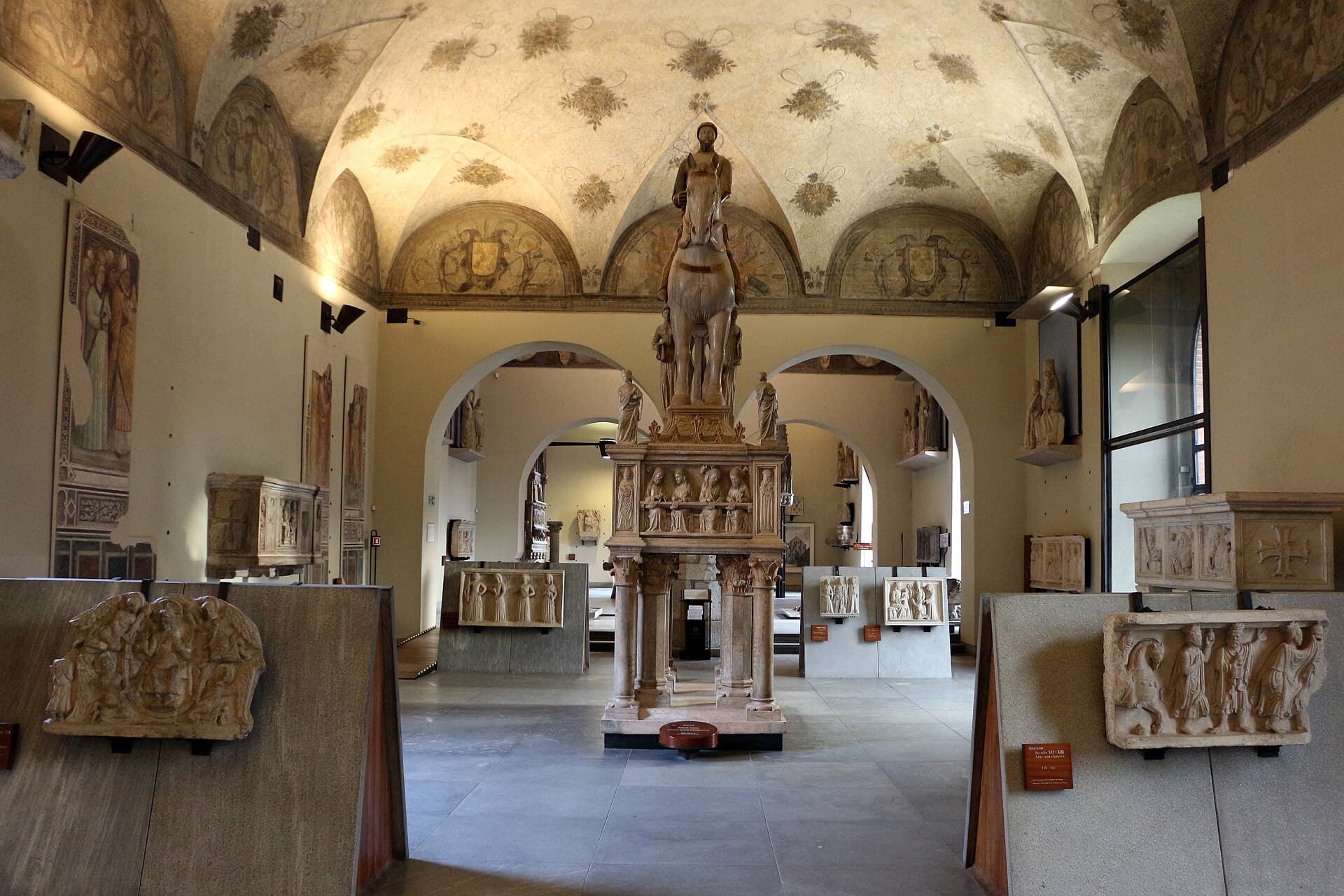 Museum of Ancient Art, Castello SforzescoIn a bare stone hall that was once a ward of a Spanish military hospital stands 7 minutes walk4.6
There are no ordinary visiting hours. Access comes through the exhibitions, events and theatre performances the resident foundation organises, some free and some ticketed. Check its programme before going — with nothing on, the visit is limited to the façade.
Leonardo's painting is in the nearby church of Santa Maria delle Grazie, visited by timed slot for only fifteen minutes with very limited numbers. Tickets sell out weeks and sometimes months ahead — book before you travel, not after arriving.