
Genuine and fake side by side
Works set against each other with an explanation of how they are told apart.
Iopensa — CC BY-SA 4.0 · Iopensa — CC BY-SA 4.0 · Iopensa — CC BY-SA 4.0 · Iopensa — CC BY-SA 4.0
A private museum near the Sforza castle in Milan with an unusual subject: how it is known whether a work of art is genuine or fake. That is what separates it from any other art museum. Instead of showing masterpieces, it shows the examination tools and scientific methods experts use: X-rays, ultraviolet light, analysis of wood and pigment, and measuring instruments. It then puts genuine and forged works side by side and explains how they are told apart. This inverts a visitor's relationship with museums: you leave looking at any painting with a different question in mind. It also holds a section on Leonardo da Vinci and his investigations, and sections of African and Japanese art, the latter also used as examples in questions of attribution and dating. It is a small private museum, its ticket relatively higher than public ones, with limited hours. It stands in the centre near the castle, so it is easy to fold in.
Works set against each other with an explanation of how they are told apart.
X-ray, ultraviolet, and analysis of wood and pigment.
You leave viewing any painting, in any museum, with a different question.
Near the Sforza castle, central Milan
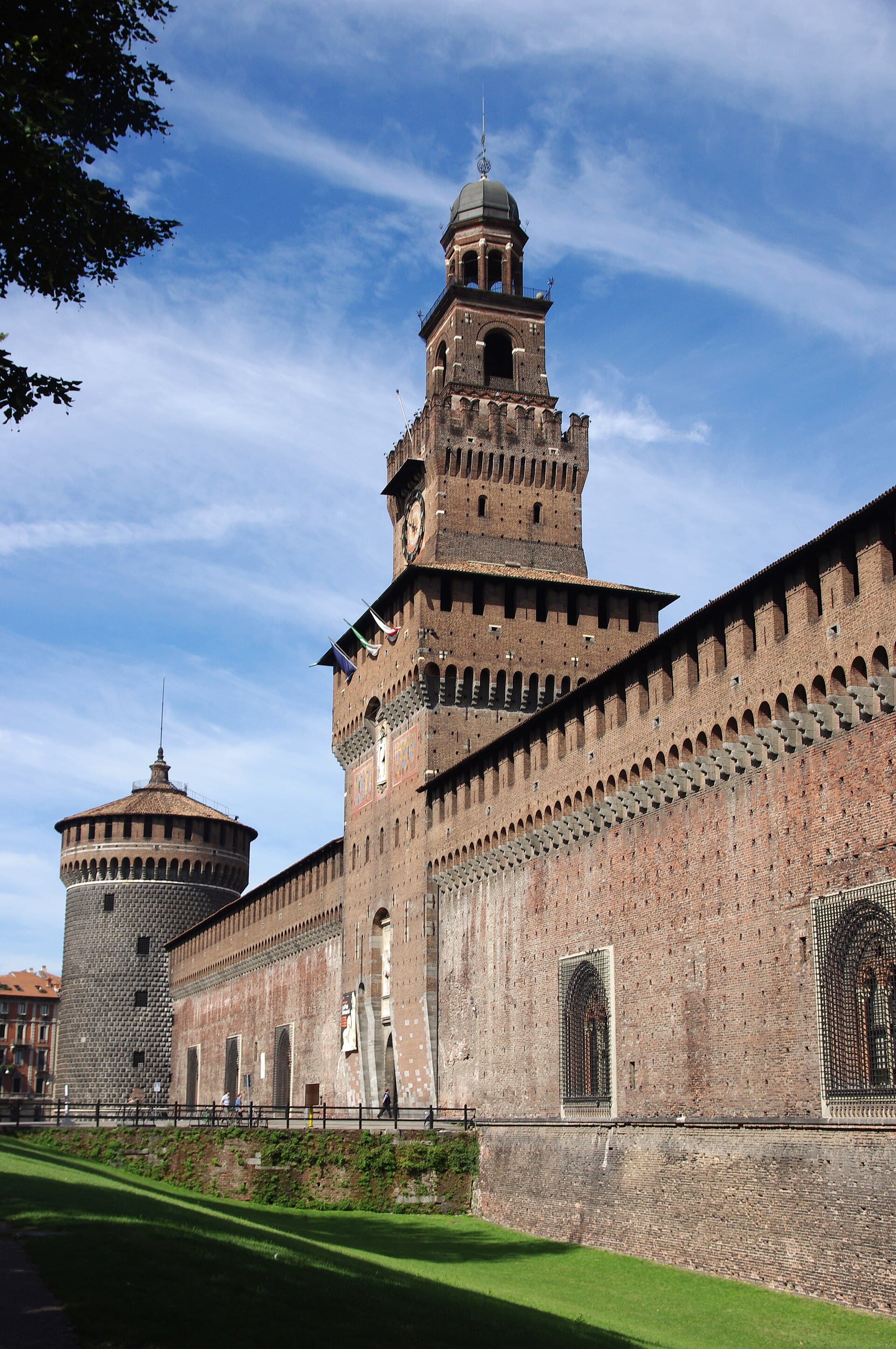 Sforzesco CastleThe Castello is the fortress of Milan's dukes: a huge red fifteenth-century squa3 minutes walk4.8
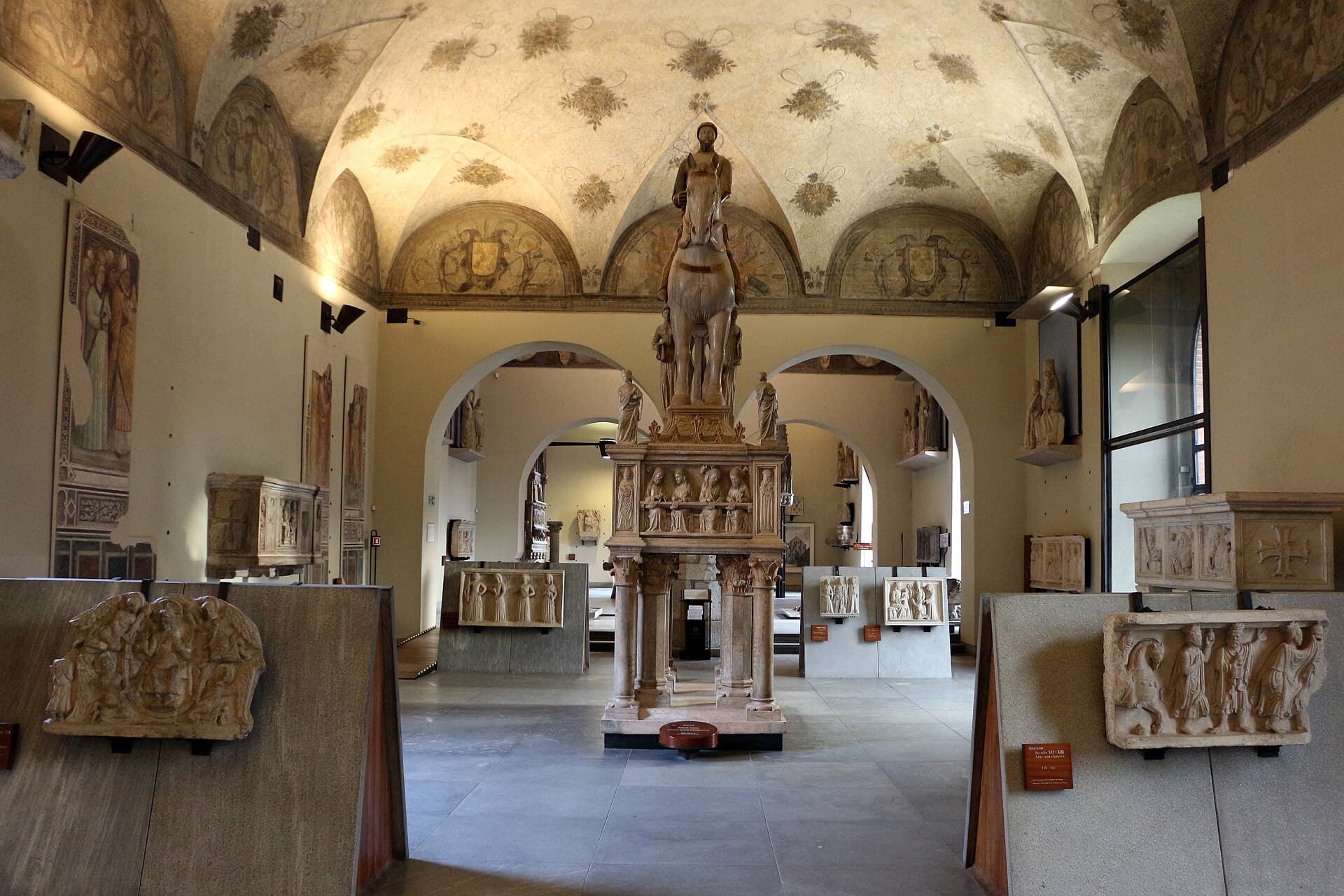 Museum of Ancient Art, Castello SforzescoIn a bare stone hall that was once a ward of a Spanish military hospital stands 4 minutes walk4.6
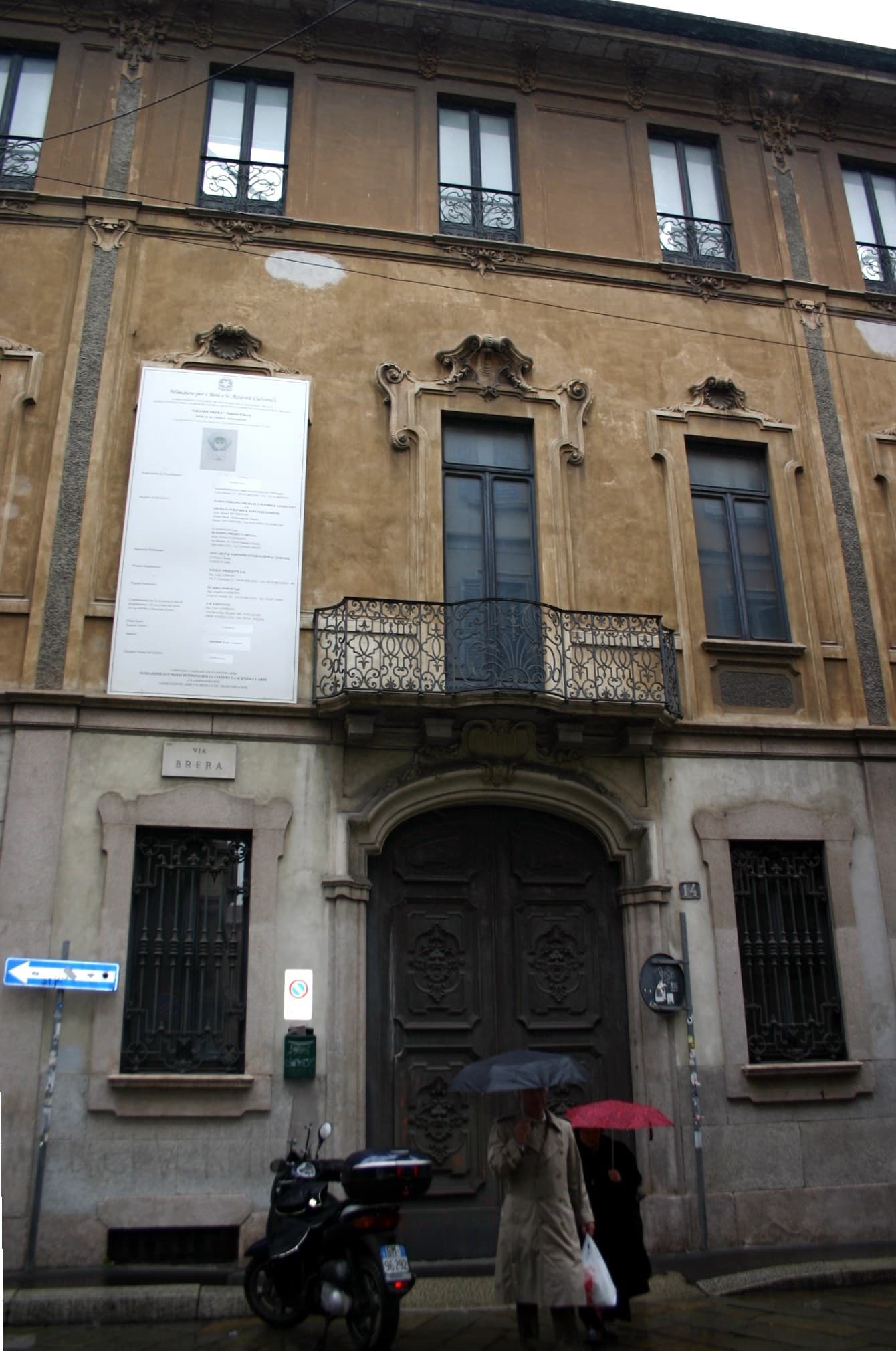 Palazzo CitterioIn 1972 the Italian state bought an eighteenth-century palace on Via Brera and p6 minutes walk4.5
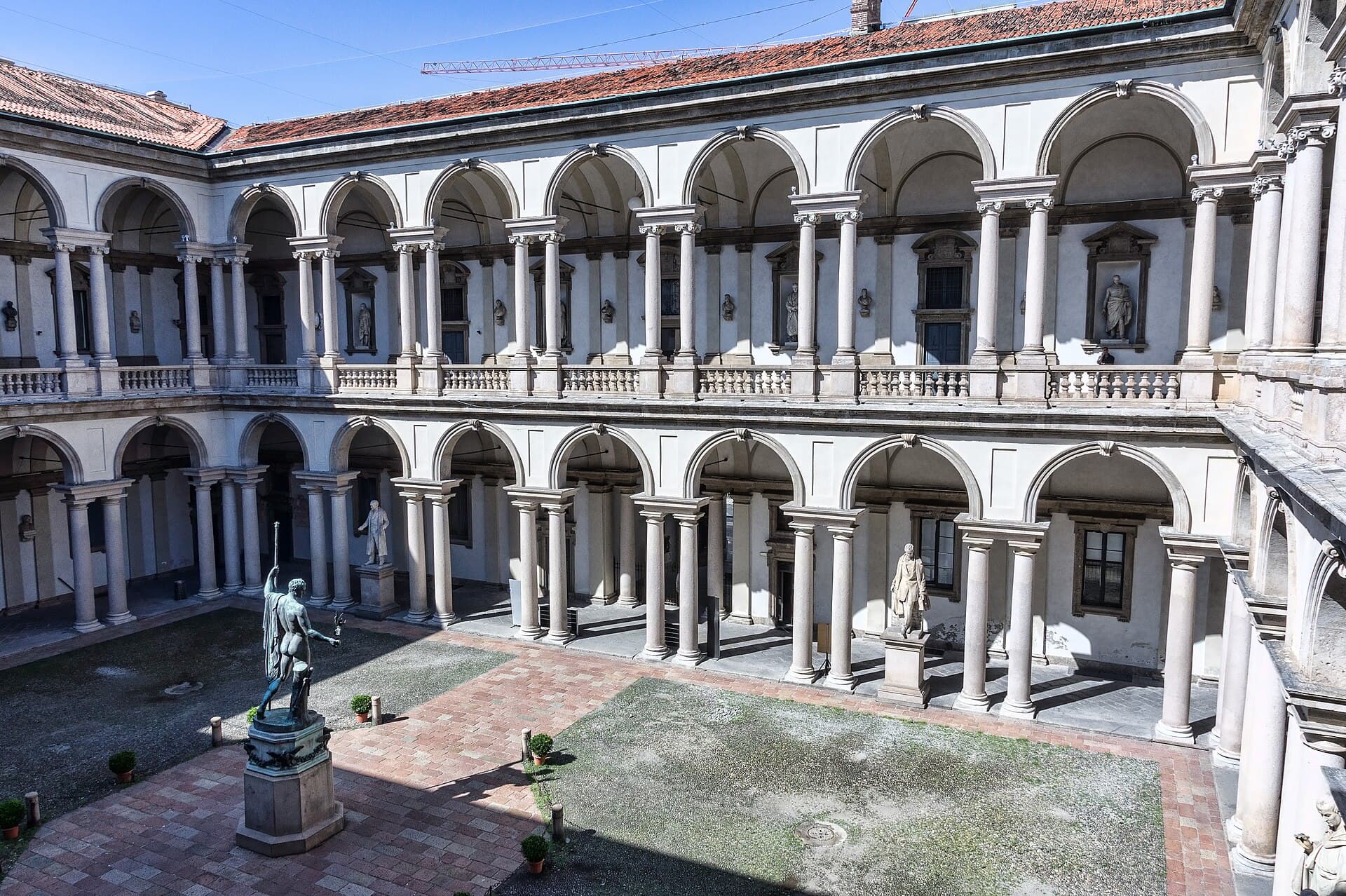 Pinacoteca di BreraThe Brera is Milan's greatest art museum and one of Europe's majors: in a palazz6 minutes walk4.6
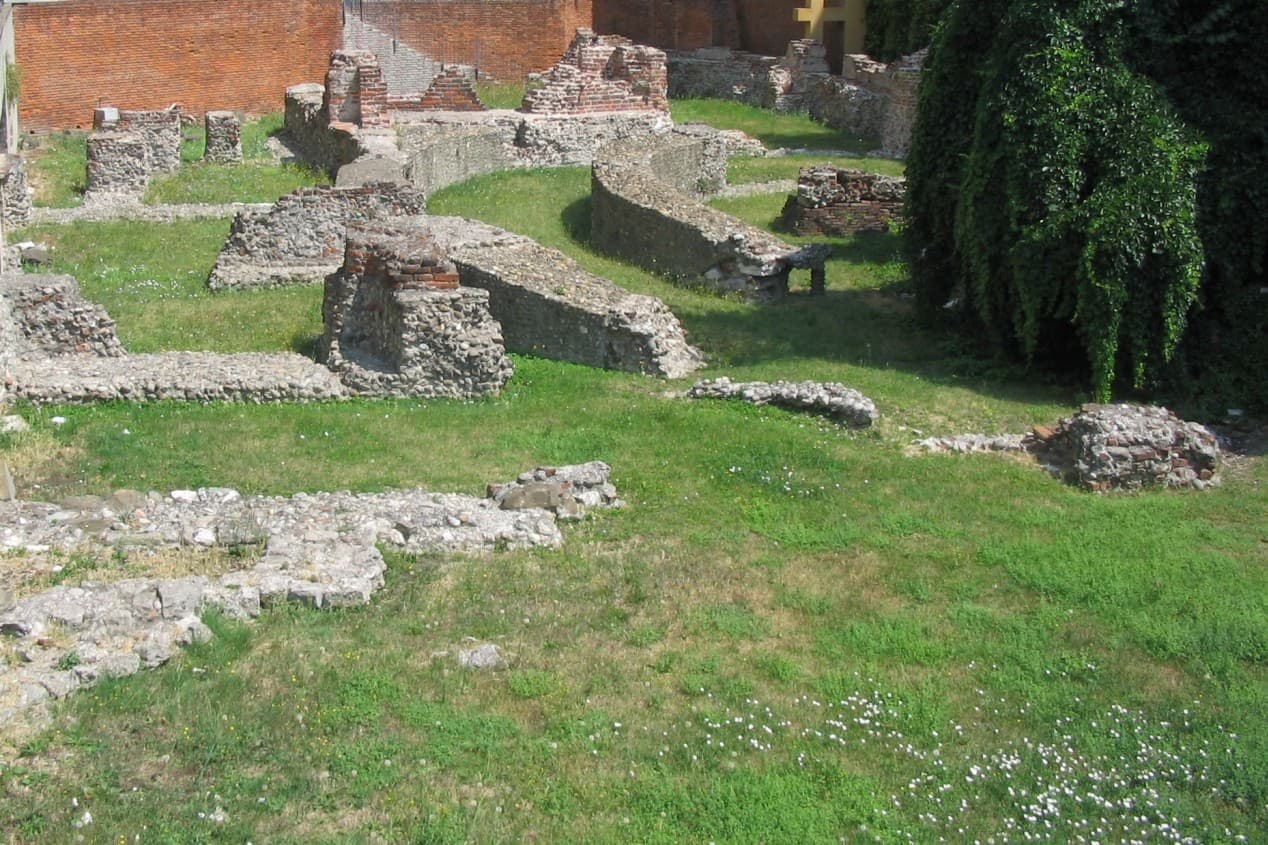 Roman Imperial PalaceThe remains of the Roman imperial palace in Milan, low ruins below street level 7 minutes walk4.5
Largely yes, because the subject is technical and detective rather than artistic: how deception is uncovered and truth established. Anyone who likes investigation and inference will enjoy it even if paintings mean nothing to them.
Teenagers yes — the idea grips them and the instruments are tangible. Young children less so, as the content depends on reading and close comparison. With children in Milan, the Leonardo da Vinci National Science and Technology Museum is the clearer choice: huge and interactive.