
The smiling Cangrande
The laughing rider on Scarpa's perch — museums' most famous old-new encounter.
AHert — CC BY-SA 3.0 · Paolo Monti — CC BY-SA 4.0 · Syrio — CC BY-SA 4.0 · Iain Cameron — CC BY 2.0
Castelvecchio is the fortress of Verona's lords: Cangrande II della Scala built it in 1354 straight onto the river — a crenellated brick castle with its own fortified bridge across the Adige, guaranteed escape northward to allies should the city rise against its rulers; it rose. Today it is Verona's premier museum and a world lesson in display: Carlo Scarpa's restoration (1958–74) became an architectural icon itself — concrete, iron and floating walkways conversing with the old castle rather than imitating it, the works set like jewels: the smiling equestrian Cangrande on his famous concrete perch, and paintings by Bellini, Mantegna and Verona's own Veronese. The finale runs atop the walls: the battlement walk, then the swallow-tailed castle bridge — the loveliest Adige crossing, free and open to all, ticket or none.
The laughing rider on Scarpa's perch — museums' most famous old-new encounter.
Concrete conversing with brick — the museum taught in architecture schools.
The lords' private Adige crossing — now the loveliest public one.
Corso Castelvecchio 2, 37121 Verona
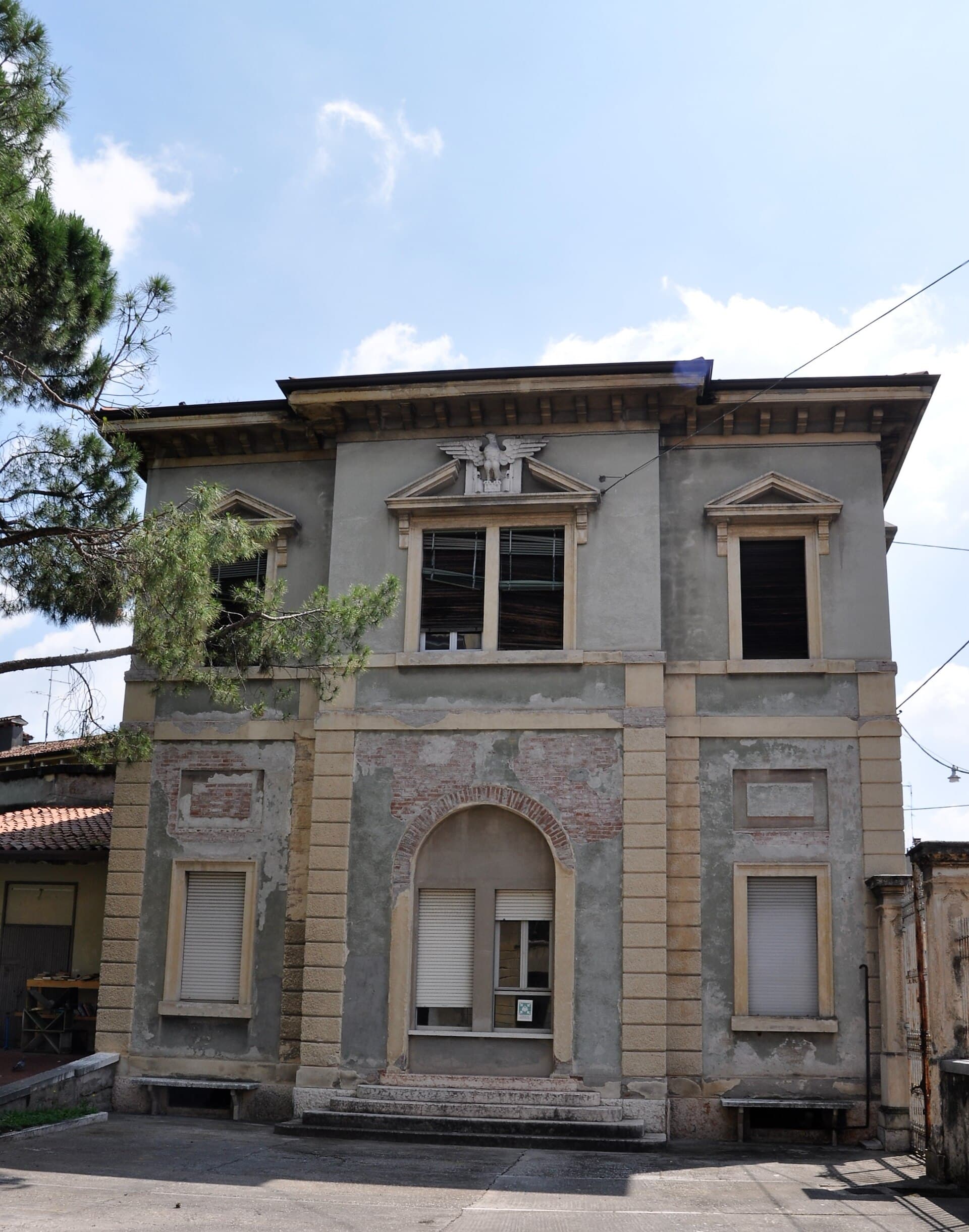 Palazzo Bocca TrezzaA nineteenth-century palace west of central Verona, built for the Bocca Trezza f2 minutes walk4.9
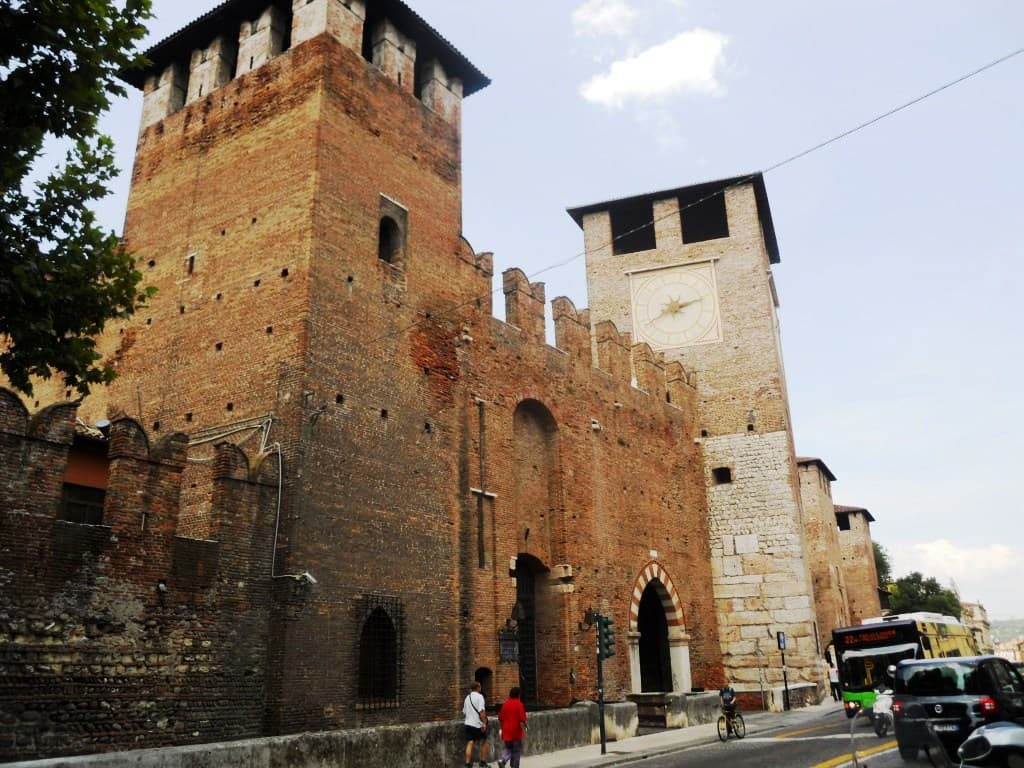 Corso CavourA street in central Verona running from the Roman Borsari gate to the Castelvecc3 minutes walk4.6
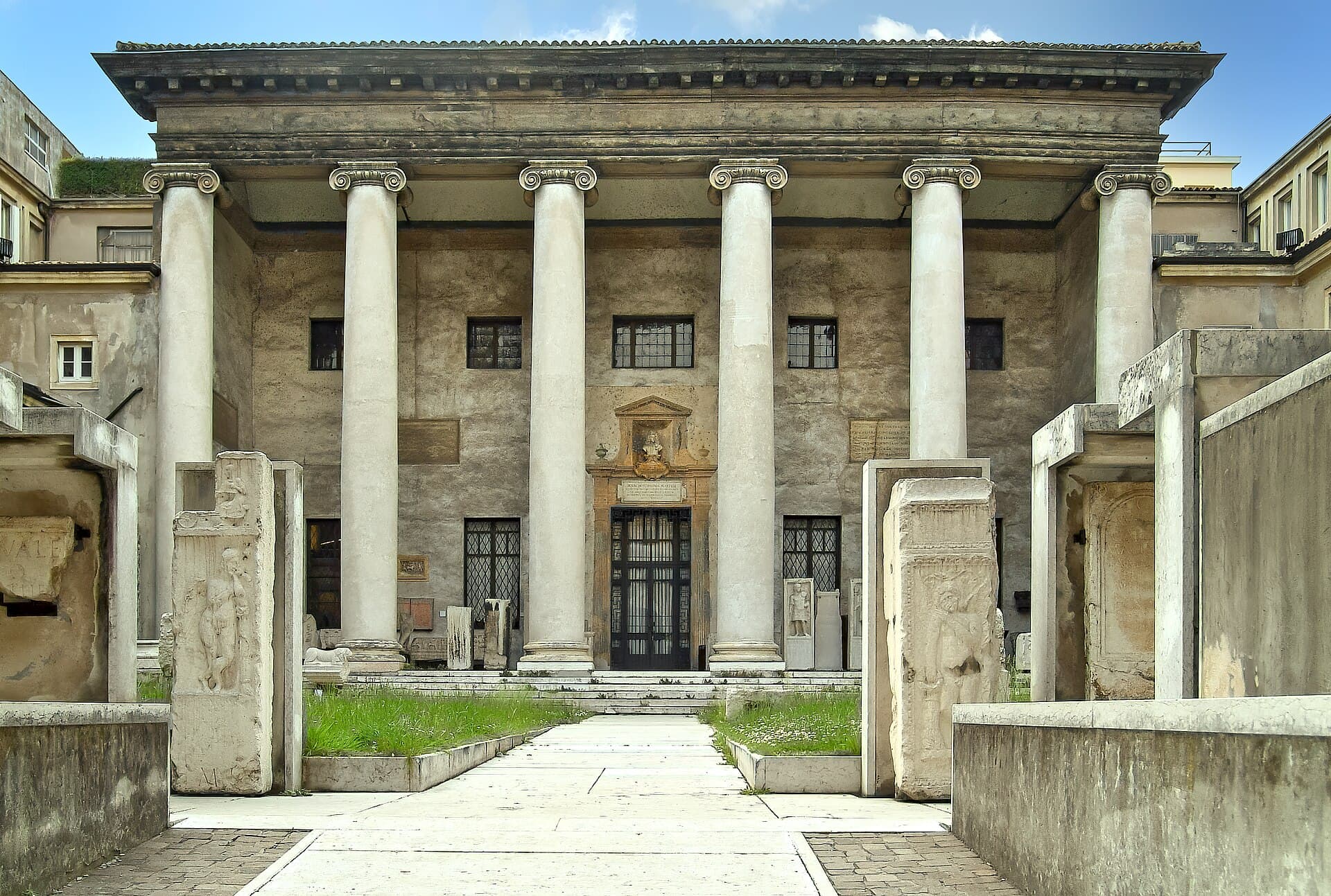 Museo Lapidario MaffeianoIn 1745, before the idea of a public museum was really a normal thing in Europe,4 minutes walk4.2
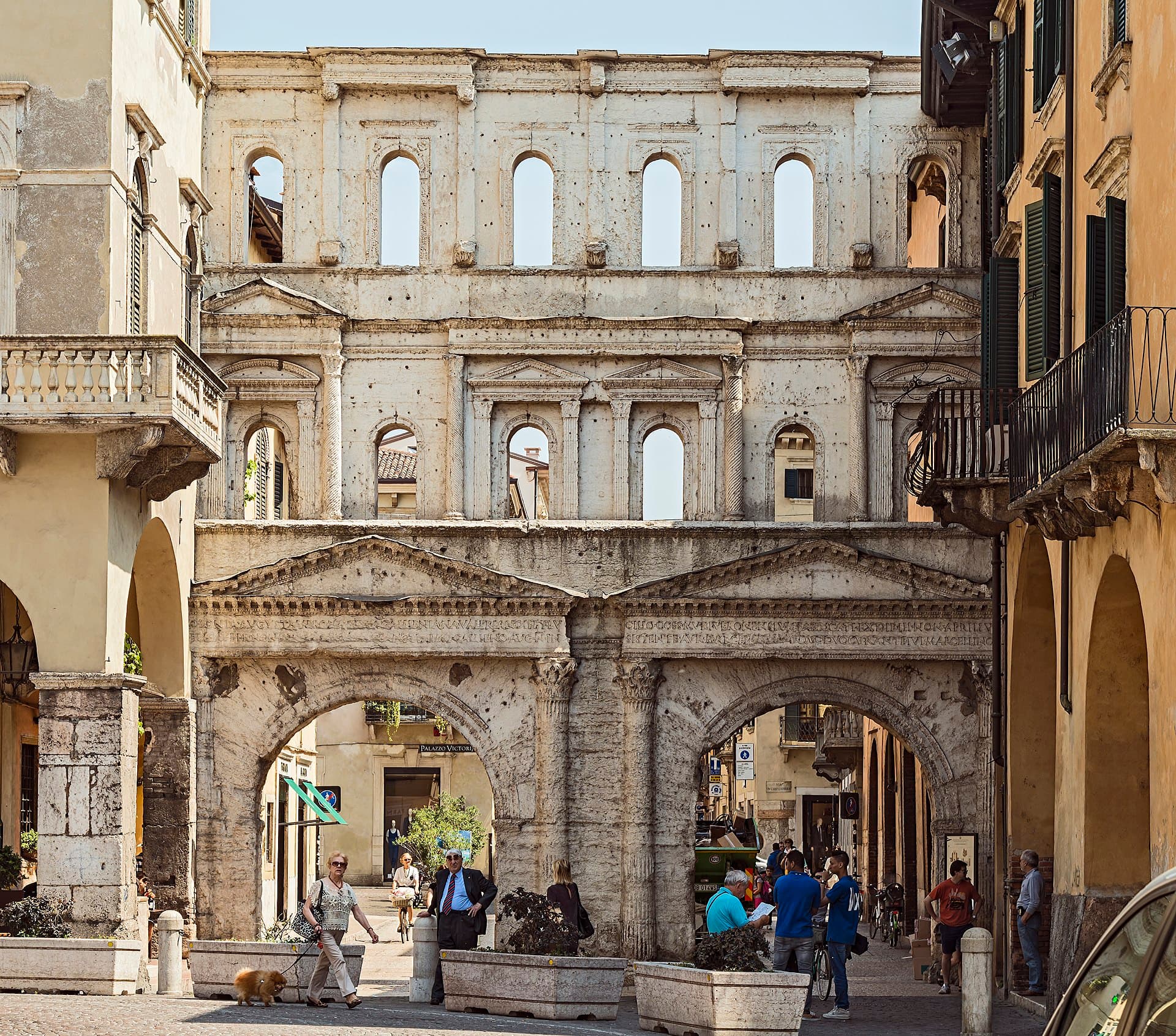 Porta BorsariPorta Borsari is Verona's front Roman door standing in place since the first cen6 minutes walk4.5
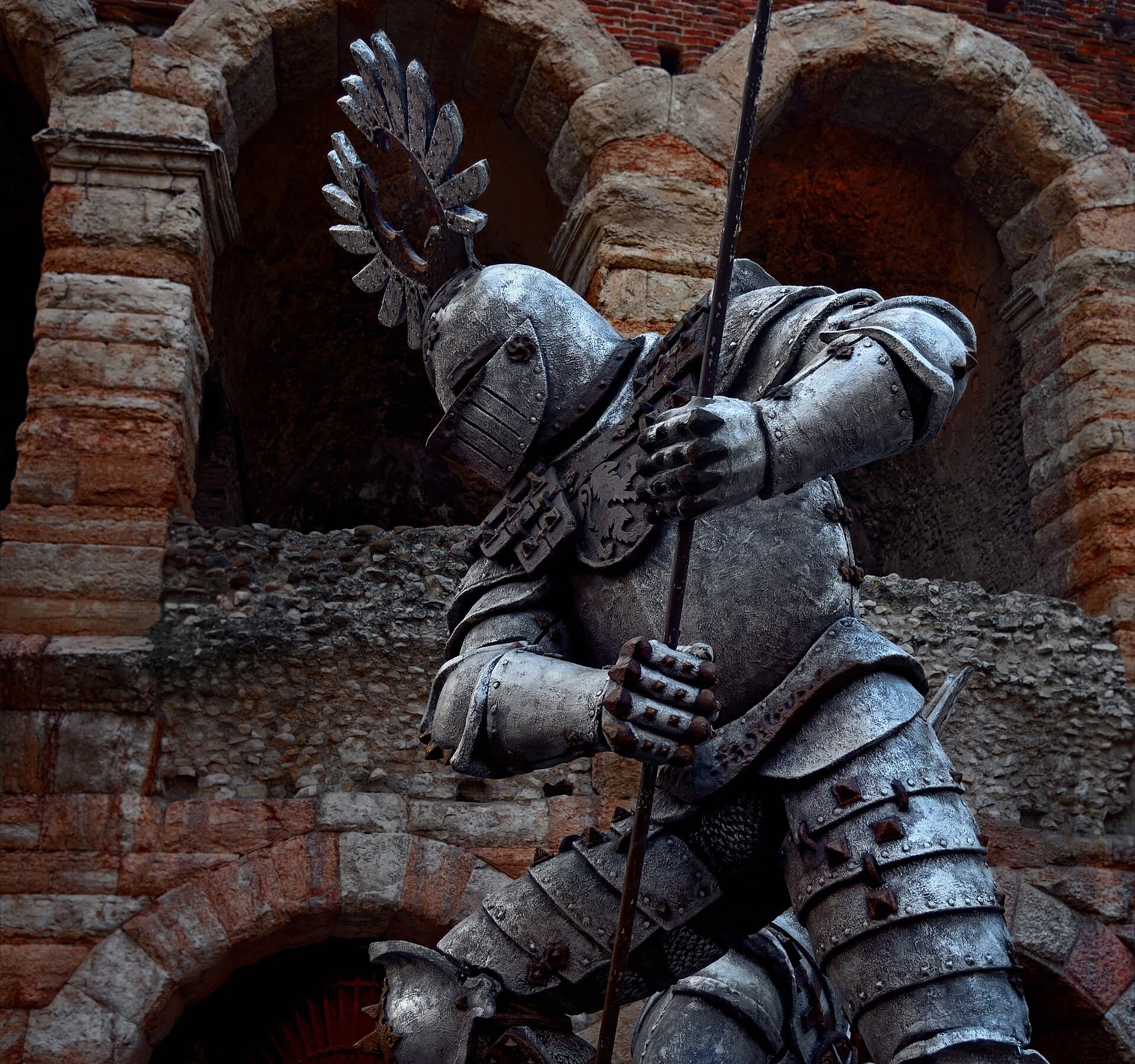 Arena di VeronaThe Verona Arena is a first-century Roman amphitheatre finished fifty years befo6 minutes walk4.8
Verona's lords (1262–1387) and builders of its Gothic glory — greatest among them Cangrande I, patron of exiled Dante and his age's finest knight. The odd names ("Big Dog", "the Ladder") are the family arms: a ladder climbed by hounds — carved into every corner of the city.
Because it founded a whole philosophy: Scarpa refused to fake the old, making every addition declare itself — steel, concrete, deliberate gaps — the genuine castle reading truer beside honest new. Half the museum's visitors now come for the display before the displayed.
In ascending order: halls, battlements, bridge — crossing it fully for the castle's full-length river portrait from the far bank, then back over again: two crossings owed, not one.