
Older than the museum habit
Opened in 1745 as a public collection rather than a private cabinet, decades ahead of most of Europe.
Didier Descouens — CC BY-SA 4.0 · Anatoliy Smaga — CC BY-SA 4.0 · Serpimaz ph — CC BY-SA 4.0 · Serpimaz ph — CC BY-SA 4.0
In 1745, before the idea of a public museum was really a normal thing in Europe, the Veronese scholar Scipione Maffei opened a small courtyard behind the columned porch of the Accademia Filarmonica on Piazza Bra and put his inscribed stones in front of everybody, not just his own guests. That is what this is: one of the oldest public museums on the continent, and one of the first anywhere devoted to ancient inscriptions. There are no paintings and no gold. What you get is a low Doric colonnade designed by the architect Alessandro Pompei running around an open courtyard, with hundreds of carved stones set between the columns and along the walls: Roman funerary slabs, Greek inscriptions carried back from the Greek islands and the coasts of Asia Minor, Etruscan urns, texts from the old Venetic world, even Arabic inscriptions. It is a museum of words rather than images — every stone is a sentence somebody said two thousand years ago and wanted to survive. Be honest with yourself about it. If you have one day in Verona and the Arena, Castelvecchio and Piazza delle Erbe are still ahead of you, skip this without regret. If the ancient world genuinely matters to you, it is a completely quiet half hour — no queue, no crowd, no noise — two minutes' walk from an Arena that never stops moving. The practical point matters most: there is no ticket desk inside the museum, and the way in is the tall columned porch on Piazza Bra that also serves the Teatro Filarmonico. Buy online from the civic museums' official site, or at the nearby Arena or Castelvecchio ticket offices, and entry is free with the VeronaCard. Closed Mondays, last admission 17:30. The courtyard is open to the sky, so pick a cooler hour in summer; Piazza Bra is ringed with restaurants, and vegetarian and fish options are easy to find if you are watching what you eat.
Opened in 1745 as a public collection rather than a private cabinet, decades ahead of most of Europe.
Alessandro Pompei's low Doric portico shelters the stones and gives the place the calm of a small cloister.
Greek, Etruscan, Roman and Arabic inscriptions, each one a sentence someone meant to outlive them.
Piazza Bra 28, 37121 Verona, Italy
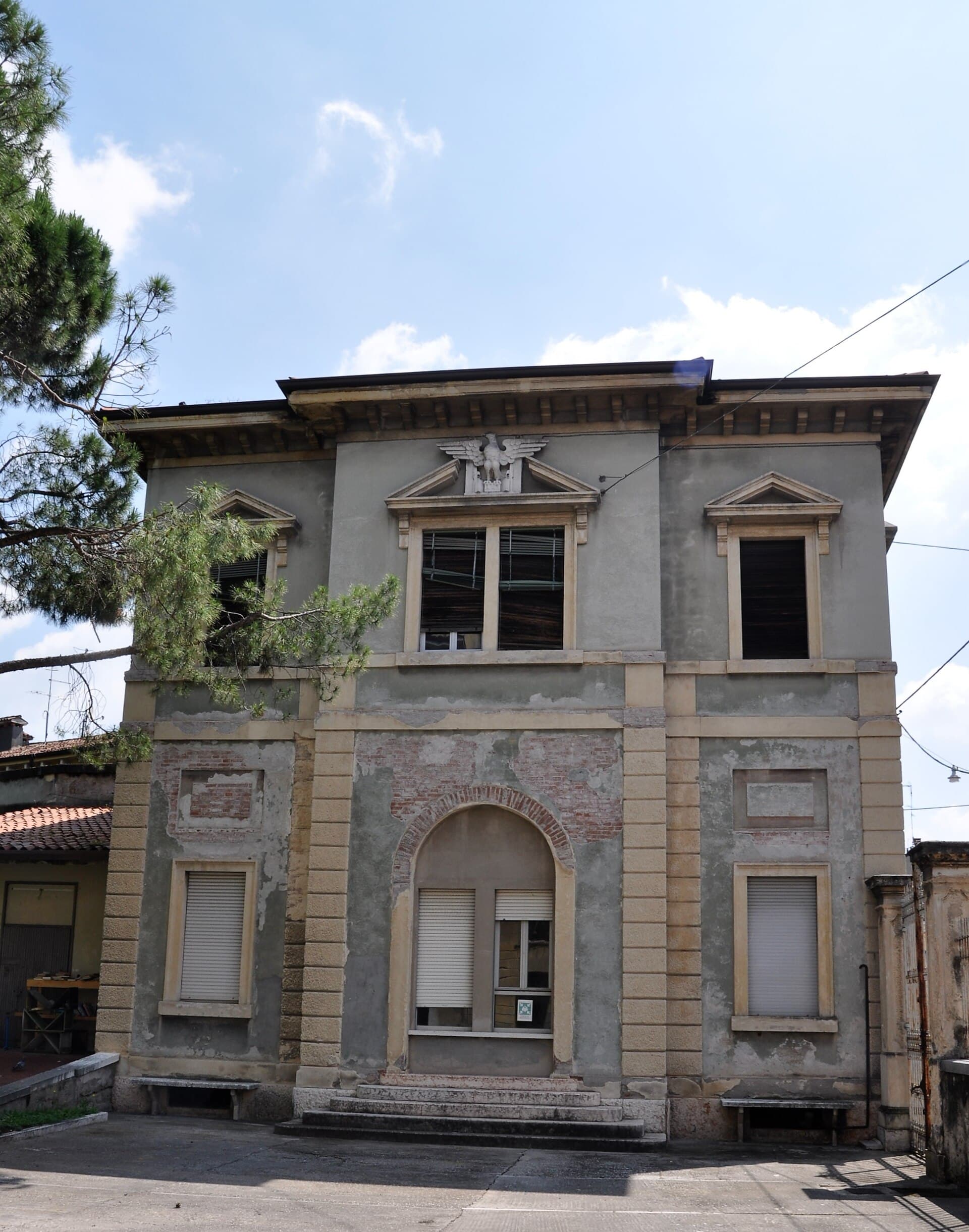 Palazzo Bocca TrezzaA nineteenth-century palace west of central Verona, built for the Bocca Trezza f2 minutes walk4.9
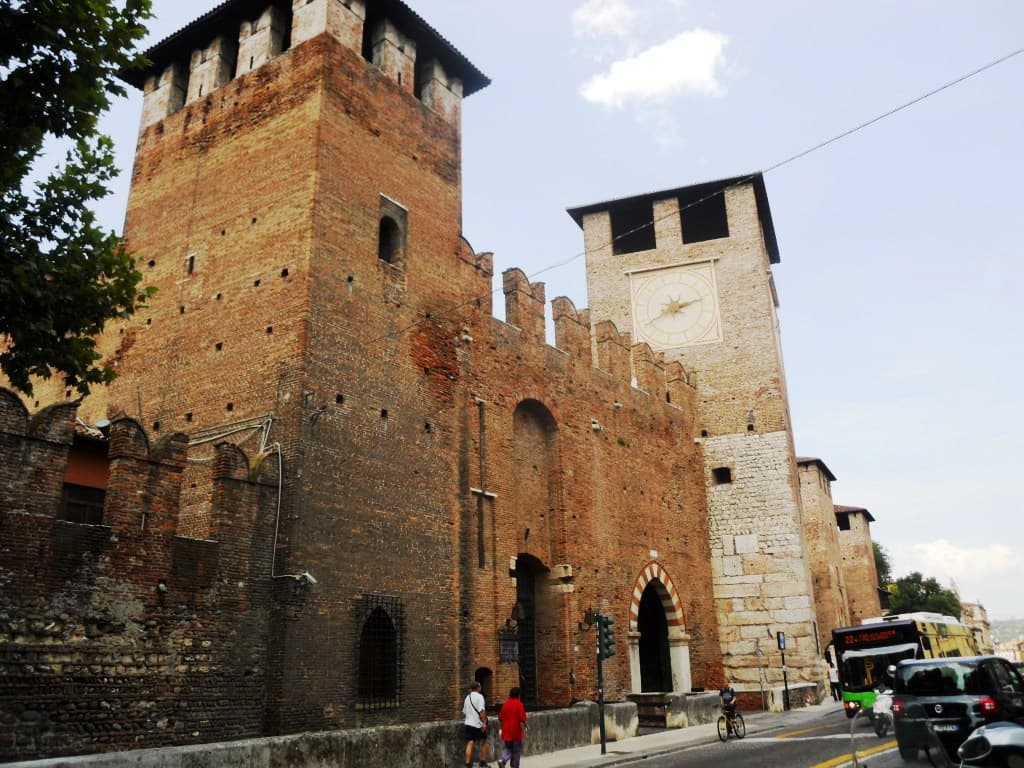 Corso CavourA street in central Verona running from the Roman Borsari gate to the Castelvecc2 minutes walk4.6
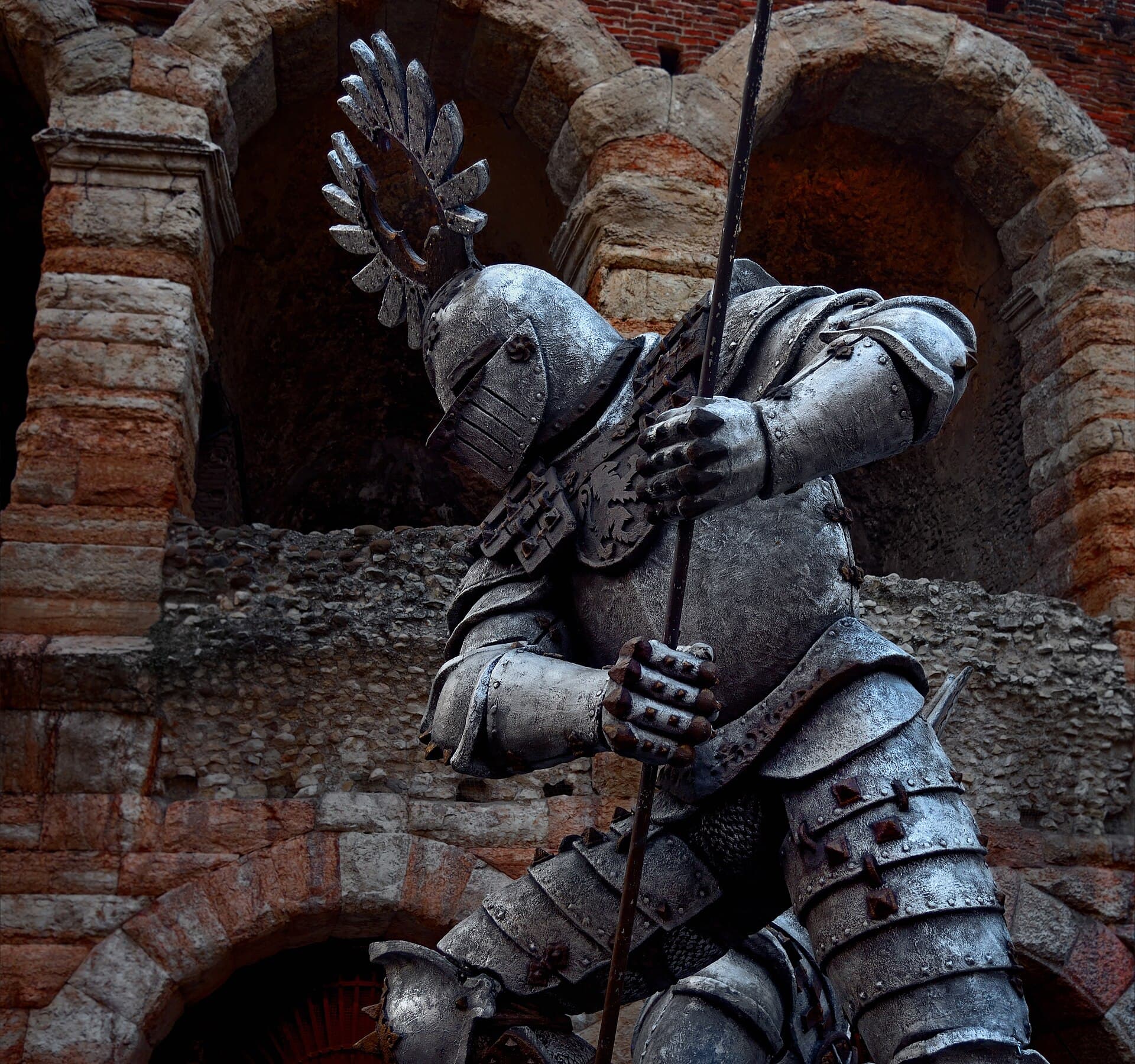 Arena di VeronaThe Verona Arena is a first-century Roman amphitheatre finished fifty years befo3 minutes walk4.8
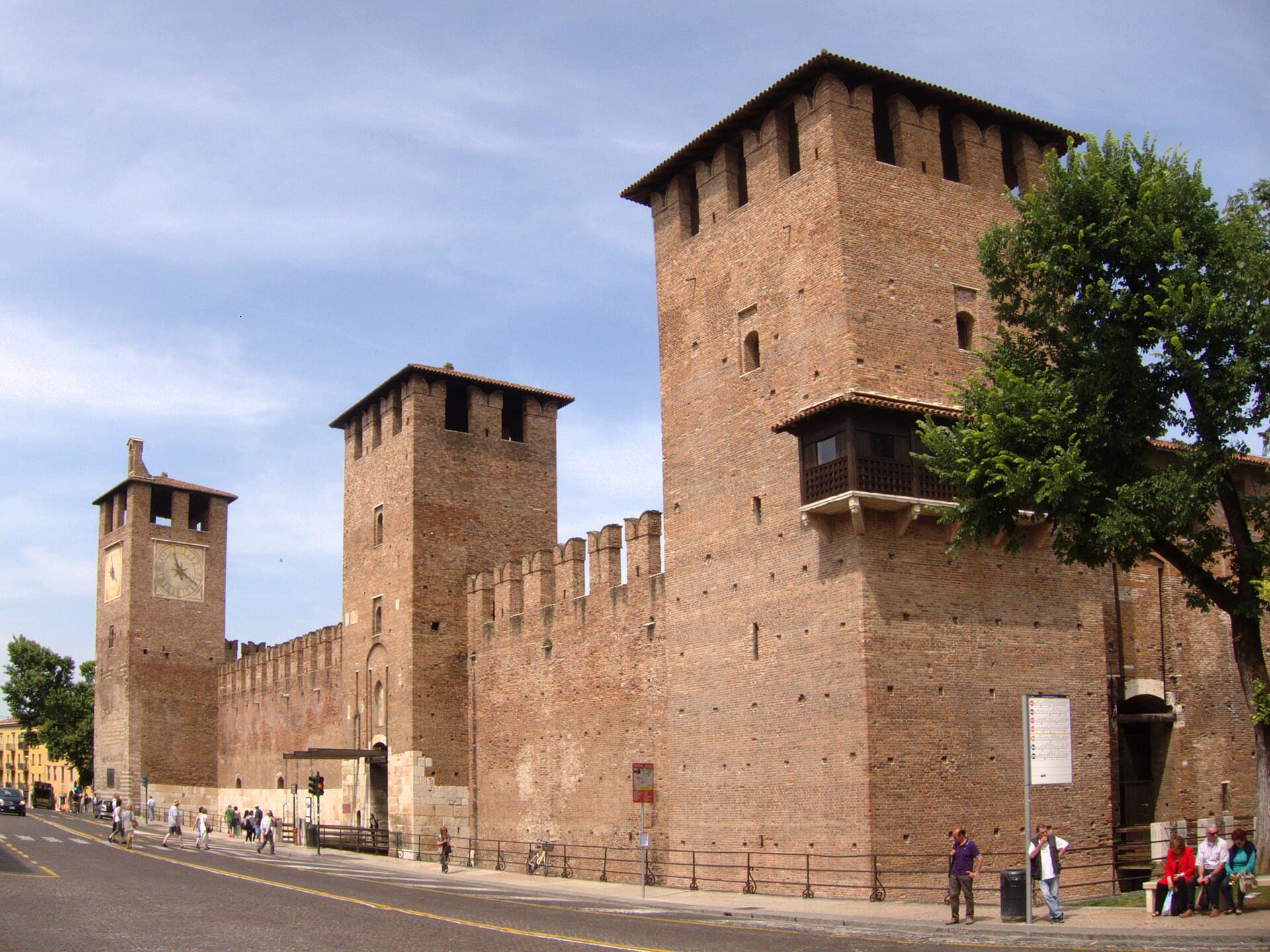 CastelvecchioCastelvecchio is the fortress of Verona's lords: Cangrande II della Scala built 4 minutes walk4.5
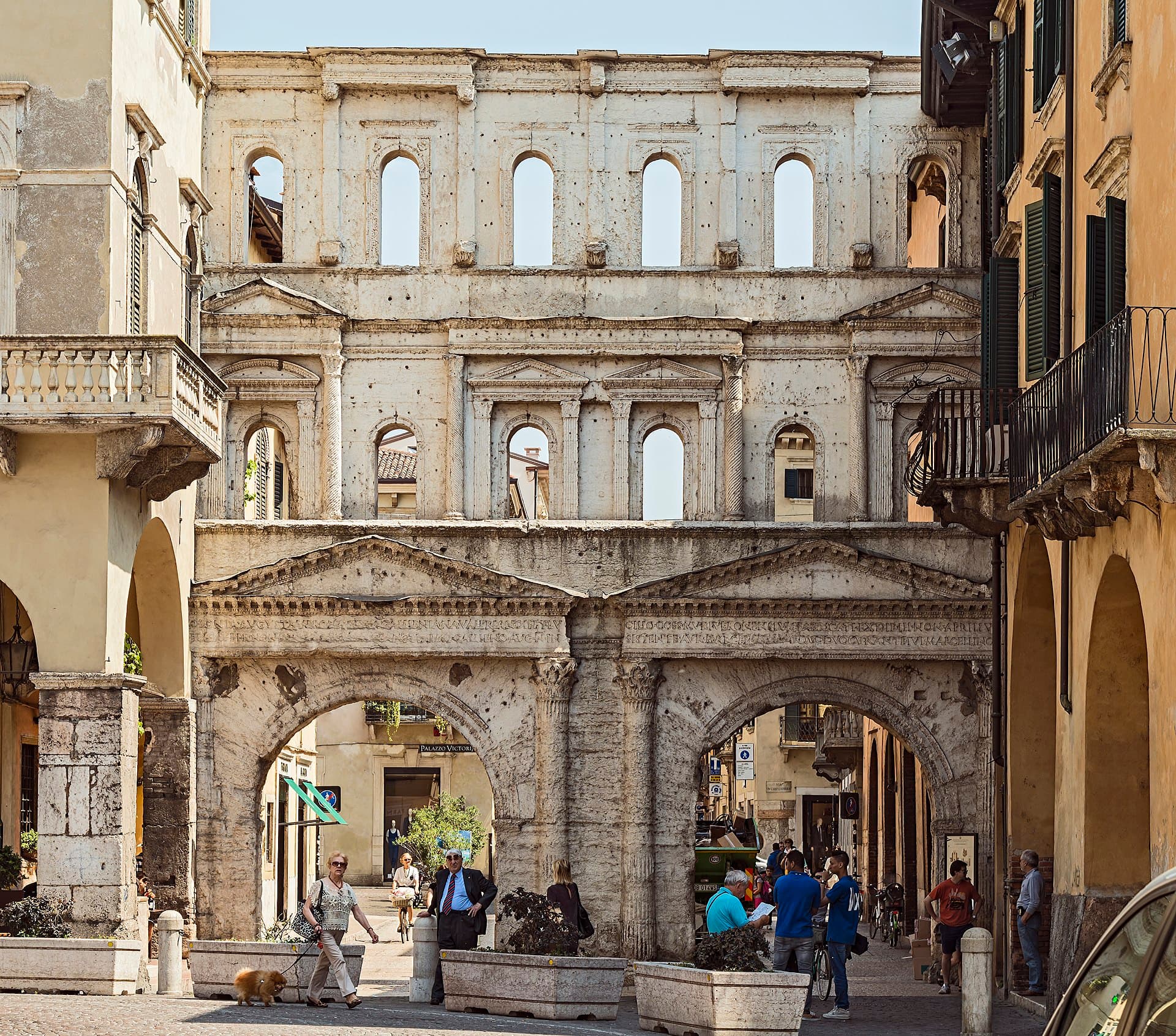 Porta BorsariPorta Borsari is Verona's front Roman door standing in place since the first cen5 minutes walk4.5
Honestly, no. It is small — a courtyard and a couple of rooms, half an hour at most — and a single Verona day is eaten by the Arena, Castelvecchio and the squares. Add it on a second day, or if antiquity is a real interest of yours, in which case you will enjoy it more than anything crowded.
You cannot. There is no ticket desk at the museum, and plenty of visitors arrive to find the entrance expects a ticket bought elsewhere. Buy online from the civic museums' official site, or at the Arena or Castelvecchio ticket office, or simply use a VeronaCard and walk in free.