
Austrian Verona
A less-known era: the city under Austrian rule after Venice fell.
Gian Sini — CC BY-SA 4.0 · Gian Sini — CC BY-SA 4.0 · Mauzzan — CC BY-SA 4.0 · Mauzzan — CC BY-SA 4.0
A nineteenth-century palace west of central Verona, built for the Bocca Trezza family and left derelict for a long period before restoration work began. The building represents a less-known era in Verona's history: the nineteenth century, when the city was under Austrian rule after Venice fell and formed part of a vast Austrian fortification system in northern Italy. The architecture of that period differs from the medieval Verona visitors come for. One thing should be clear: the building is not open to visitors and may be under restoration or closed entirely. What you do is look at it from the street, and that takes a few minutes. Its value is to anyone walking this part of Verona or interested in architecture, not to anyone travelling for it. It stands outside the walled old city, in a residential area far quieter than the centre. Check its condition before going if it matters to you, as buildings in this state change status.
A less-known era: the city under Austrian rule after Venice fell.
Different from the medieval Verona visitors come for.
A quiet residential area away from the crowded centre.
West of central Verona
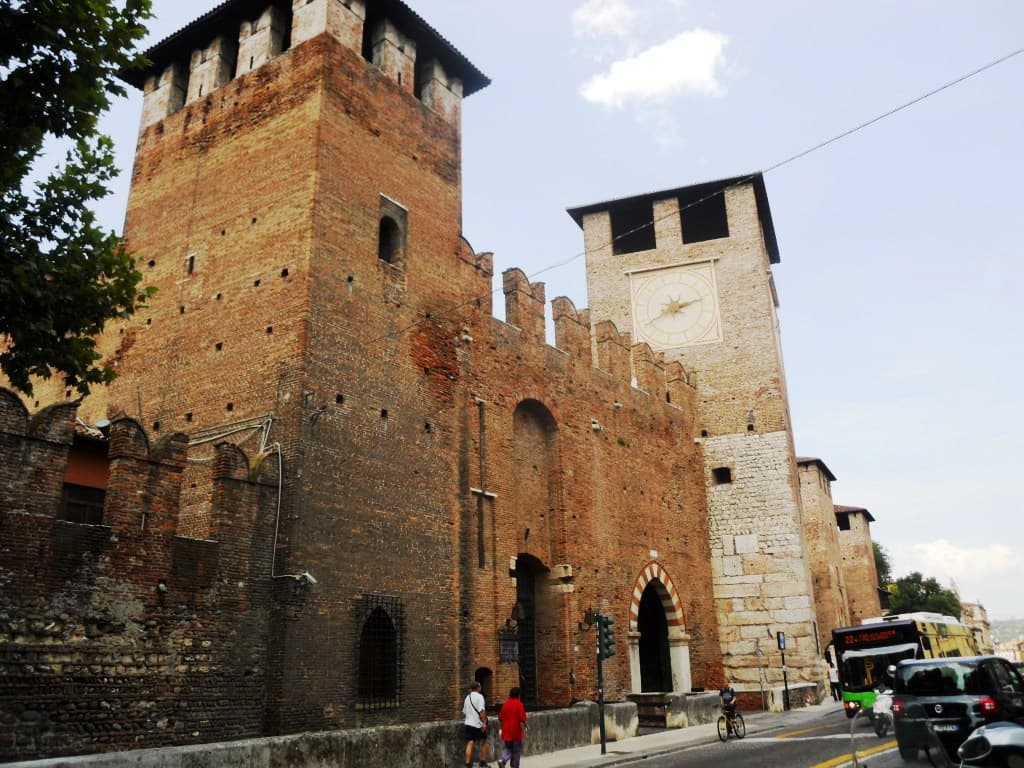 Corso CavourA street in central Verona running from the Roman Borsari gate to the Castelvecc1 minute walk4.6
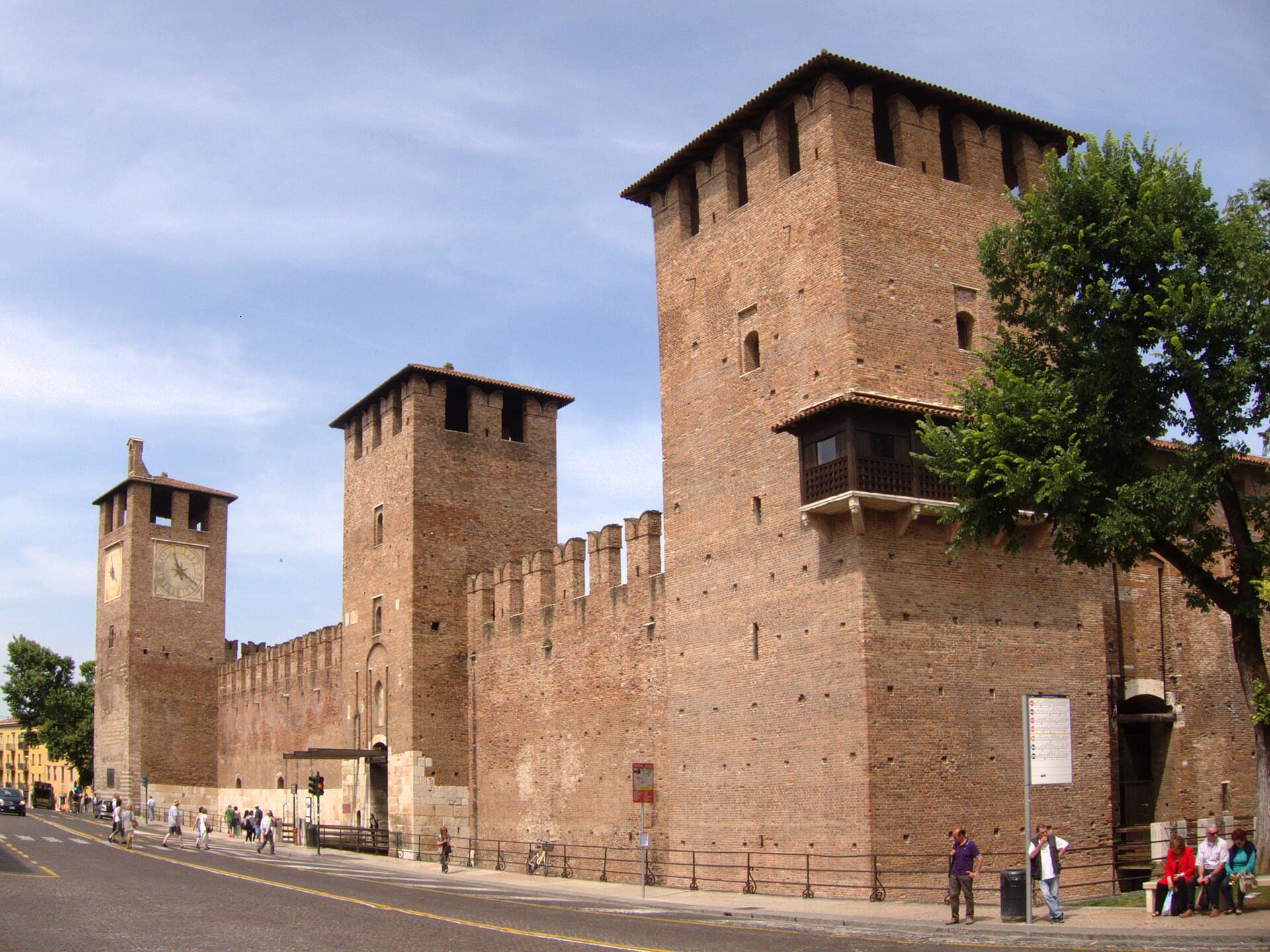 CastelvecchioCastelvecchio is the fortress of Verona's lords: Cangrande II della Scala built 2 minutes walk4.5
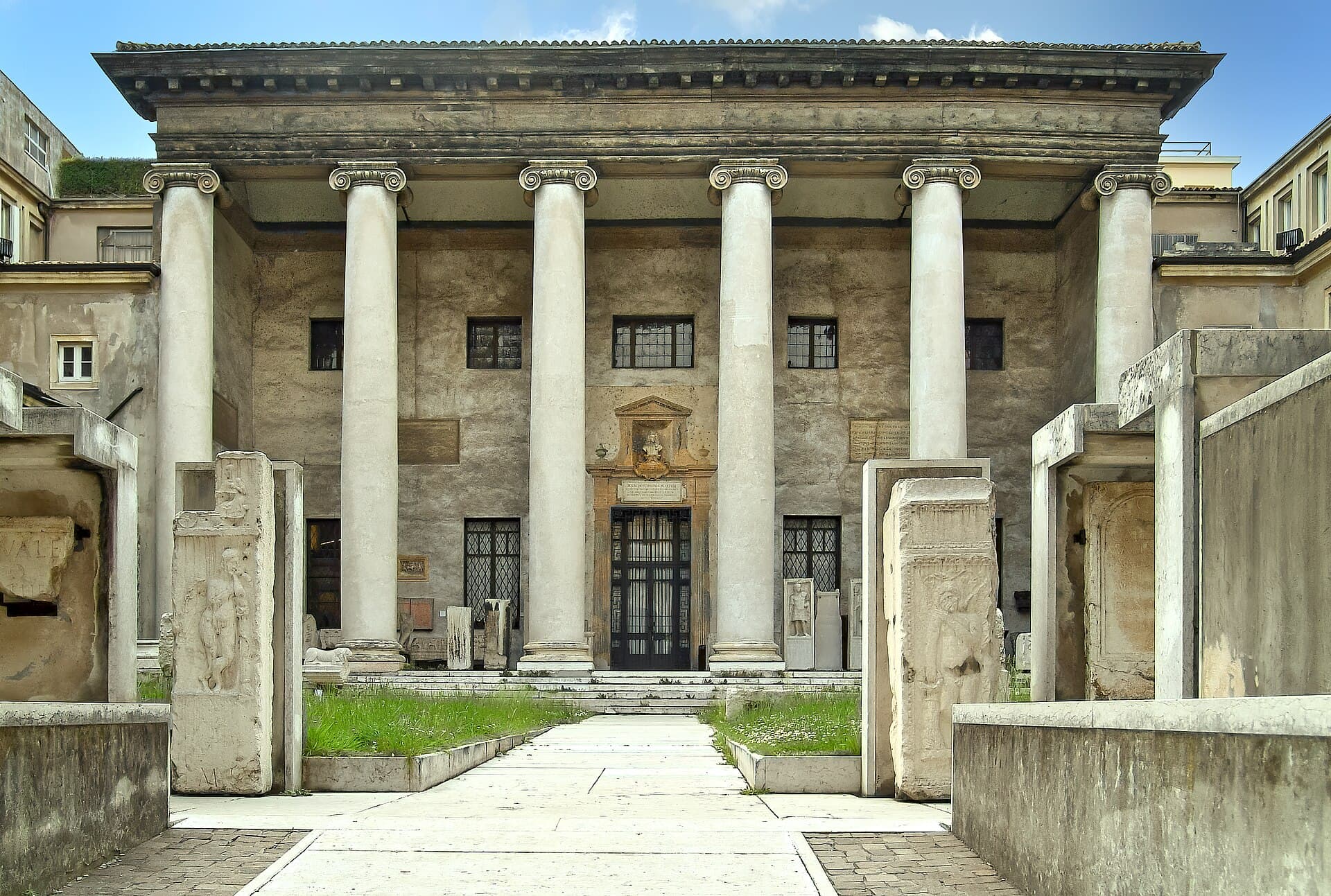 Museo Lapidario MaffeianoIn 1745, before the idea of a public museum was really a normal thing in Europe,2 minutes walk4.2
 Arena di VeronaThe Verona Arena is a first-century Roman amphitheatre finished fifty years befo5 minutes walk4.8
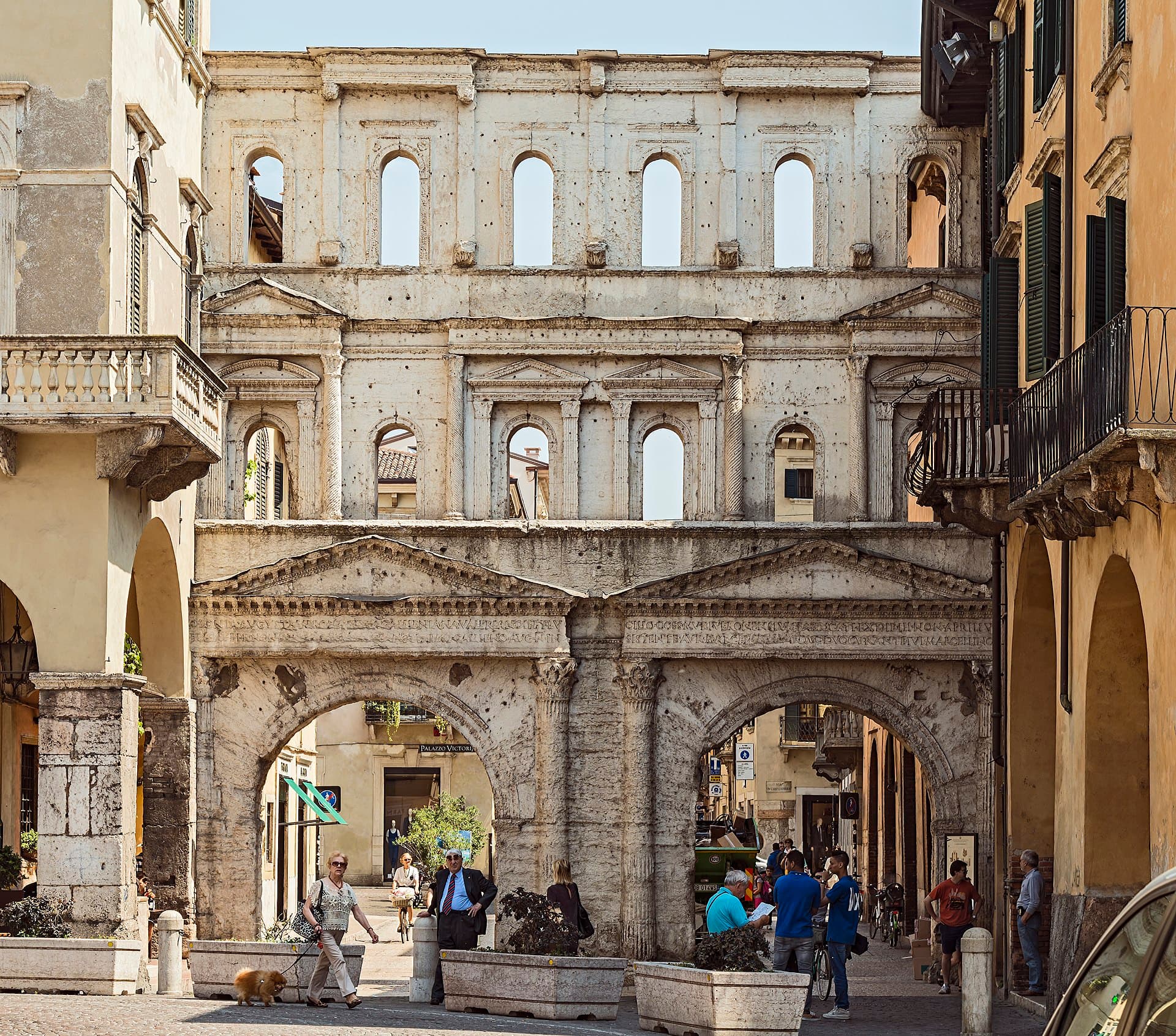 Porta BorsariPorta Borsari is Verona's front Roman door standing in place since the first cen5 minutes walk4.5
No. It is a closed building seen from outside in a few minutes and does not justify a trip. Treat it as a stop if you are walking this part of Verona. The historic centre and the far bank of the river have a better claim on every hour you have.
It is clearest in the fortifications: the Austrians made Verona one of the fortresses of the Quadrilateral defensive system in northern Italy, building walls, forts and barracks, much of which still stands around the city. This nineteenth-century military layer draws few visitors but shaped modern Verona's boundaries.