
A door working twenty centuries
Passing the arches where Romans passed.
Didier Descouens — CC BY-SA 4.0 · Maurizio Moro5153 — CC BY-SA 4.0 · Falk2 — CC BY-SA 4.0 · Falk2 — CC BY-SA 4.0
Porta Borsari is Verona's front Roman door standing in place since the first century: a façade of white Verona stone, two storeys of arched windows over the twin carriage arches — Roman civic architecture at its most decoratively exercised, its inscription preserving the city's official name: Colonia Augusta Verona Nova Gallieniensis. Through it the entering world has passed for two thousand years — the great Roman Via Postumia itself crossed here — and its current name recalls the bursarii, the toll collectors who gathered the bishop's dues at it. Today elegant Corso Porta Borsari shops straight through as if nothing changed: the gate still works, unfenced and unretouched. A ten-minute pause on a route you will walk anyway — but lift your head and consider: rarely does a door of two thousand years still do its job amid shopping crowds.
Passing the arches where Romans passed.
Two storeys of arched windows — Roman civic stone dressed up.
Corso Porta Borsari, 37121 Verona
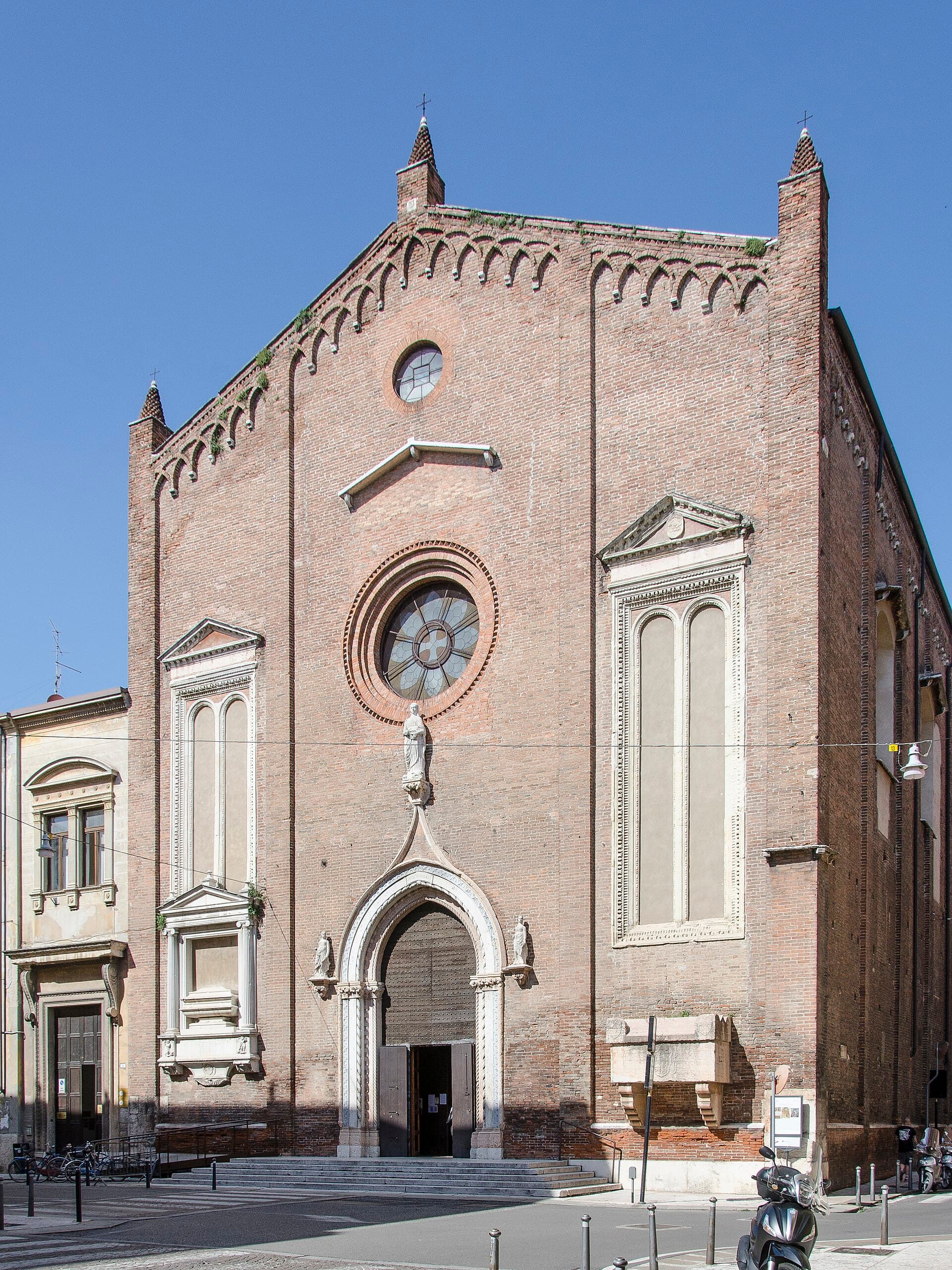 Sant'EufemiaA Gothic church in central Verona, built in the fourteenth century for the Augus2 minutes walk4.5
 San Giovanni in ForoA small Romanesque church in central Verona whose name points to its position: i2 minutes walk4.9
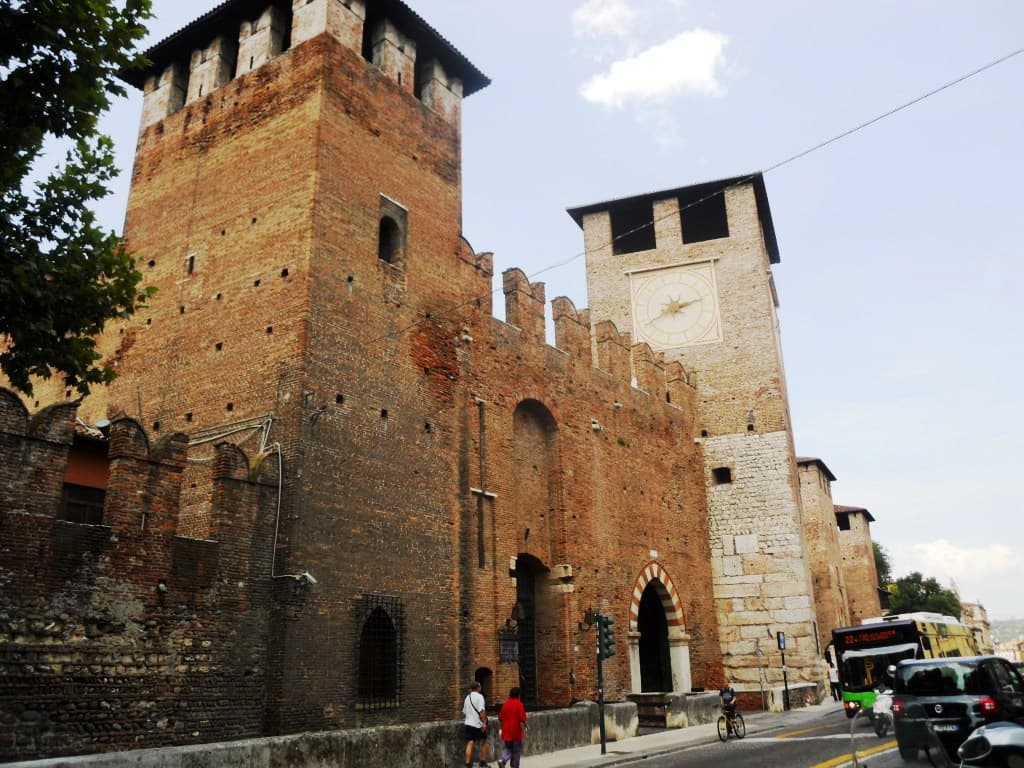 Corso CavourA street in central Verona running from the Roman Borsari gate to the Castelvecc4 minutes walk4.6
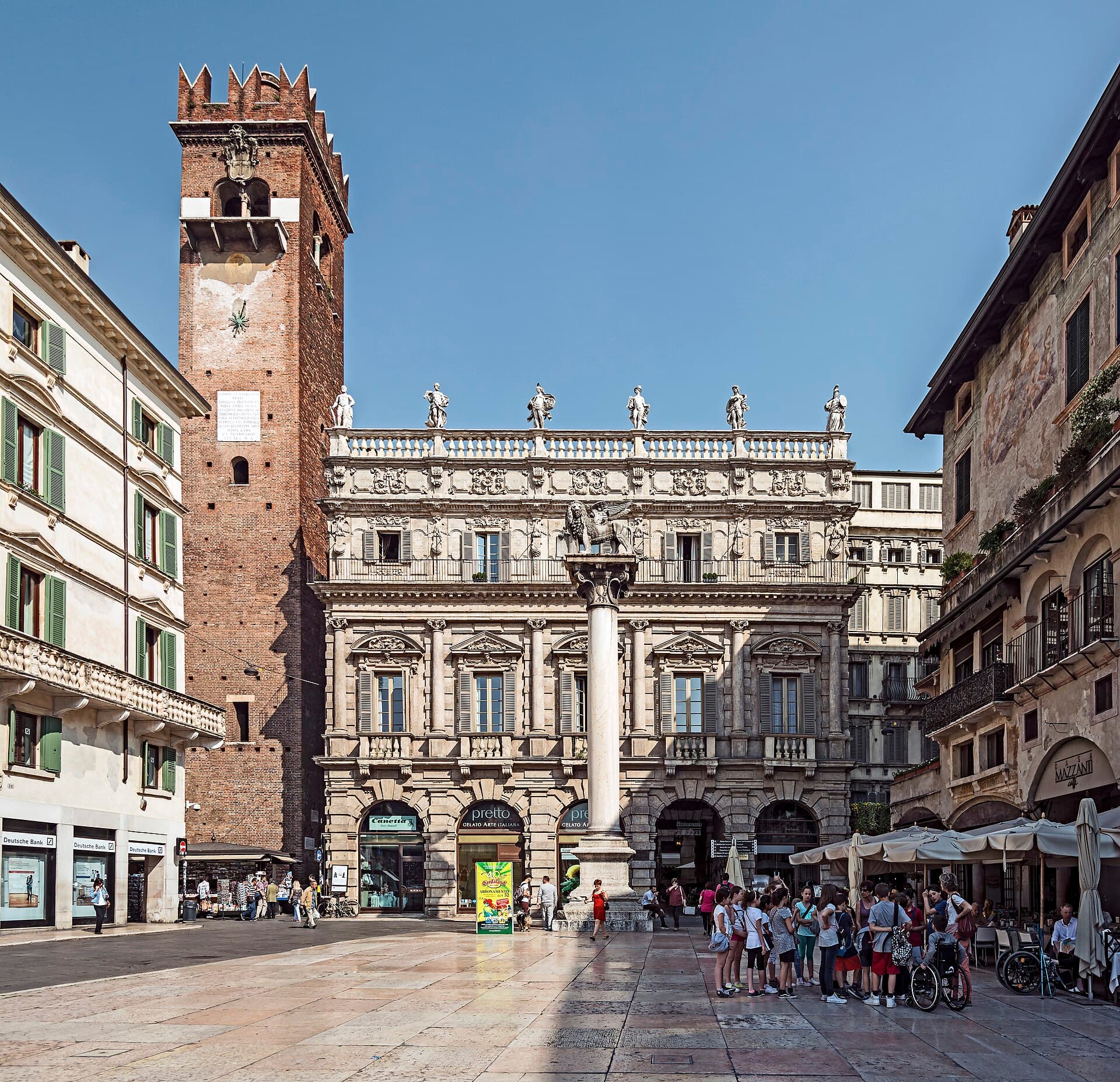 Piazza delle ErbePiazza delle Erbe is Verona's Roman forum that never stopped working — two thous4 minutes walk4.8
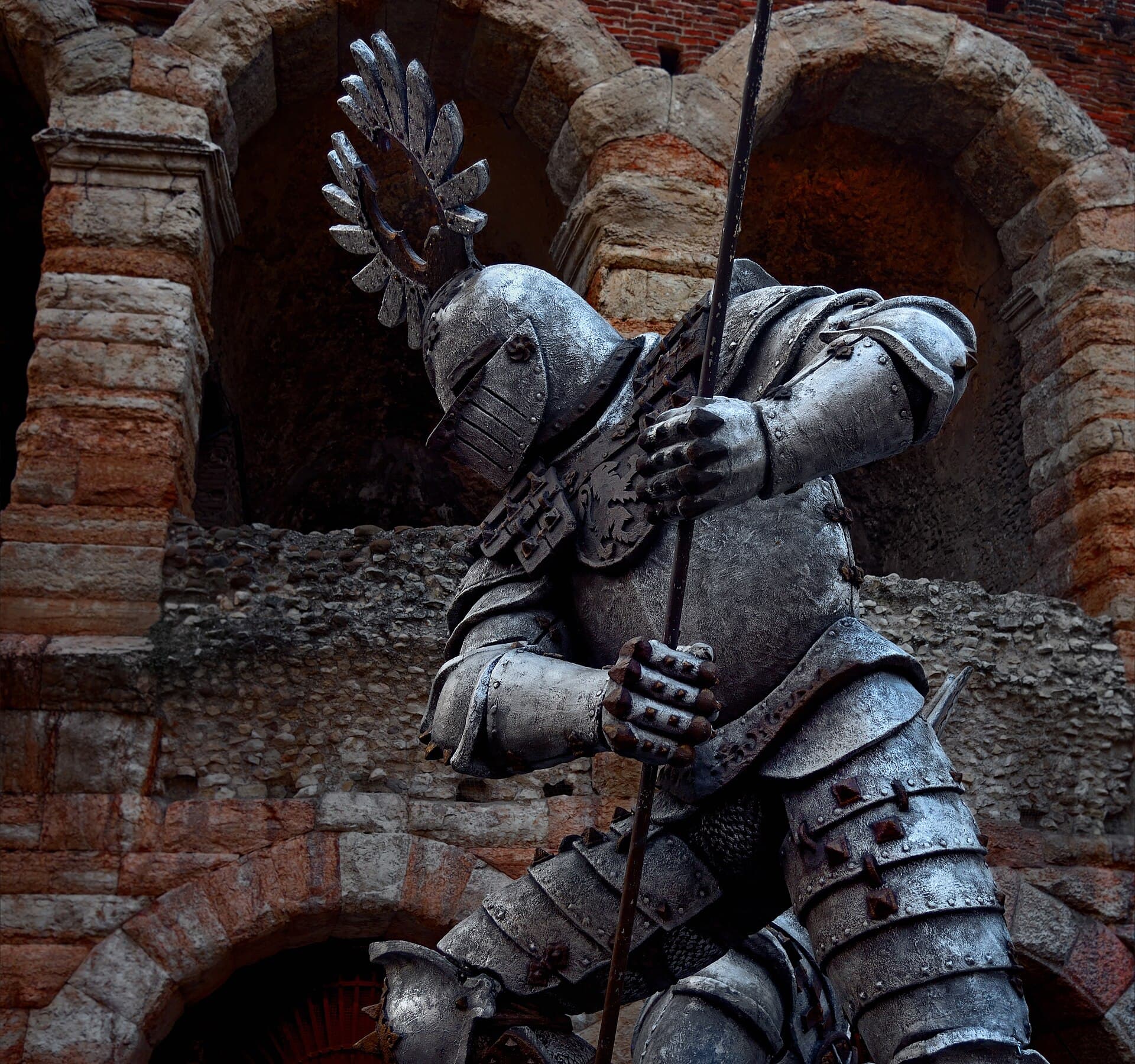 Arena di VeronaThe Verona Arena is a first-century Roman amphitheatre finished fifty years befo4 minutes walk4.8
No — its sister Porta Leoni to the south survives less whole but shows an excavated Roman street beneath, and gate fragments thread the city's fabric. Borsari is the completest and finest — and in Verona lifting your head finds Rome everywhere.
The Corso itself with its fronts and venerable cafés — the historic Antica Bottega del Vino in a side lane — and you stand three minutes from Piazza delle Erbe: the gate is the old circuit's natural western door.