
The striped façade
Alternating green and white stone under Eastern domes — France's most unusual cathedral, superbly sited.
Guiguilacagouille — CC BY-SA 3.0 · John Samuel — CC BY-SA 4.0 · Giles Laurent — CC BY-SA 4.0 · Giles Laurent — CC BY-SA 4.0
Marseille's cathedral — "La Major" — is among the biggest churches built in France since the Middle Ages: 142 metres long, seating three thousand, raised in the nineteenth century when Marseille was France's gate to the Mediterranean and its colonies, and wanted a cathedral the size of that ambition. Its style is striped Byzantine-Romanesque in alternating green and white stone, domed in a way that recalls the churches of the East more than Gothic France — a deliberate choice for a city facing east. The interior keeps the manner in marble and mosaic. It stands on the seafront between the Vieux-Port and the MuCEM, so you pass it inevitably — and the stop before its striped façade needs no more than the half-hour that rounds out a waterfront walk.
Alternating green and white stone under Eastern domes — France's most unusual cathedral, superbly sited.
142 metres and three thousand seats — built to suit the Mediterranean's gateway.
Right on the waterfront between Vieux-Port and MuCEM.
Place de la Major, 13002 Marseille
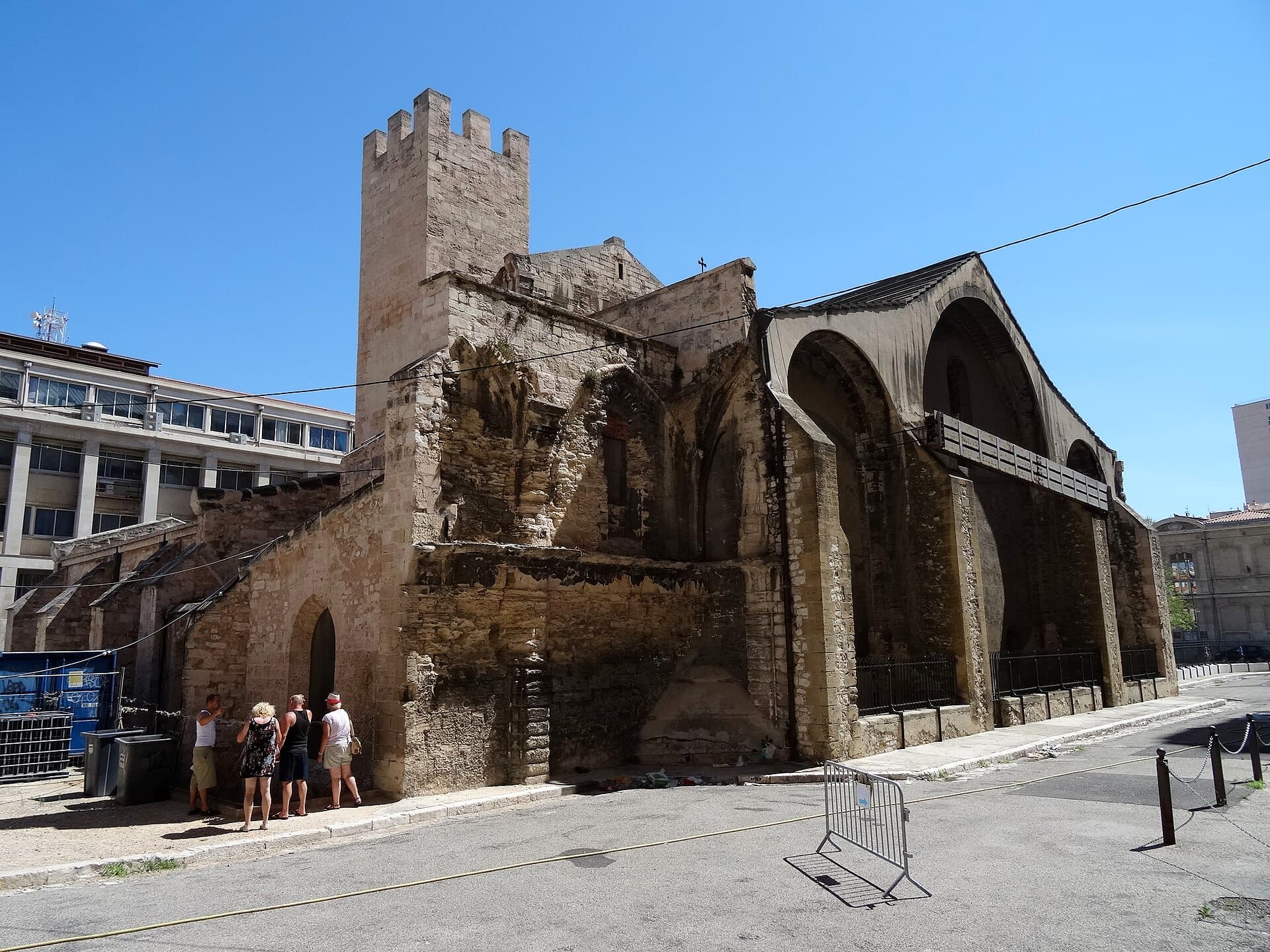 The Old Cathedral, La Vieille MajorMarseille's twelfth-century old cathedral, standing beside the enormous new one 1 minute walk4.6
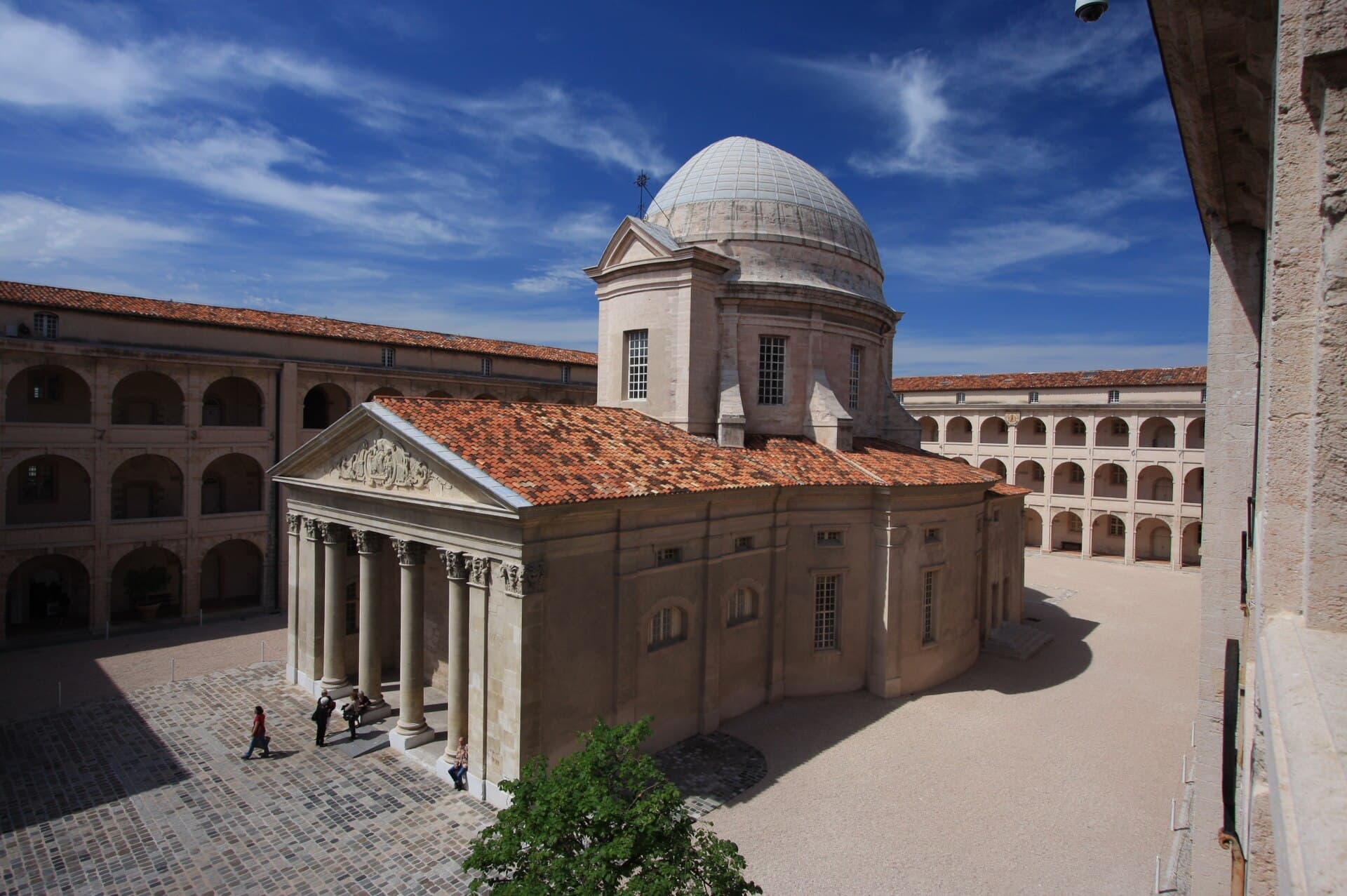 Vieille CharitéHidden in the heart of the old Panier quarter is Marseille's finest Baroque buil3 minutes walk4.4
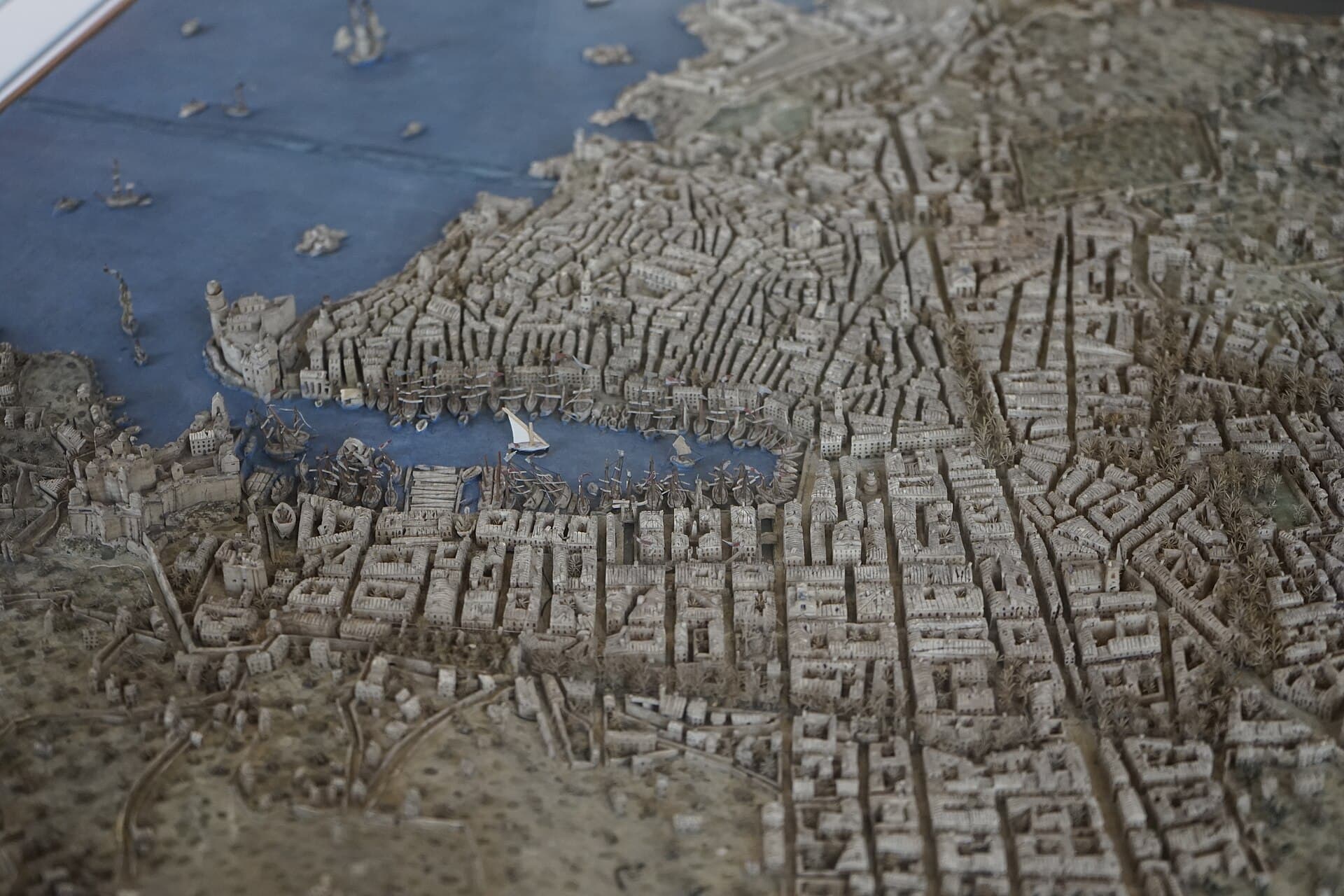 Museum of Mediterranean ArchaeologyAn archaeology museum inside the Vieille Charité building in the Le Panier quart3 minutes walk4.4
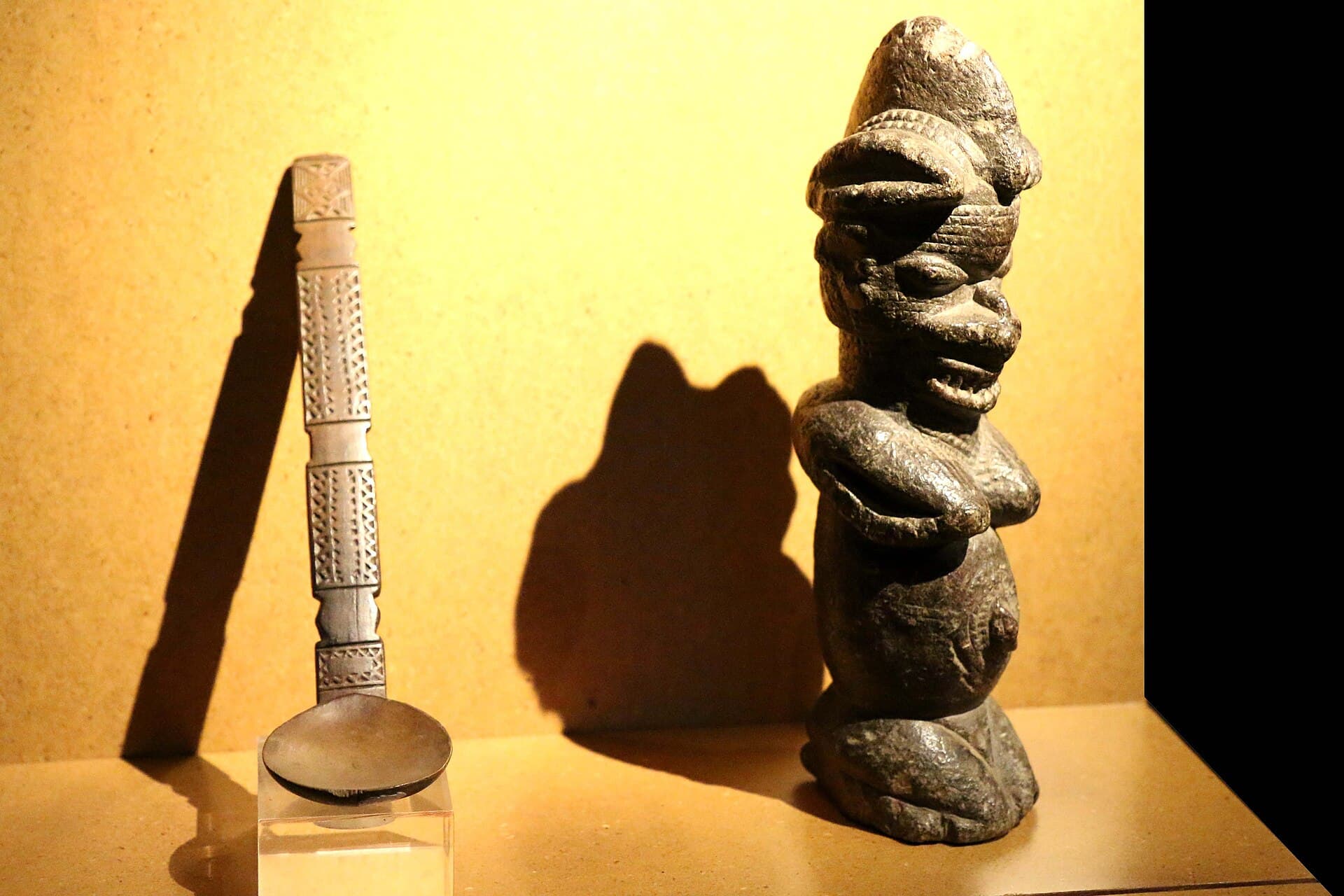 Museum of African, Oceanian and Amerindian ArtsA museum on the second floor of the Vieille Charité showing the arts of Africa, 3 minutes walk4.0
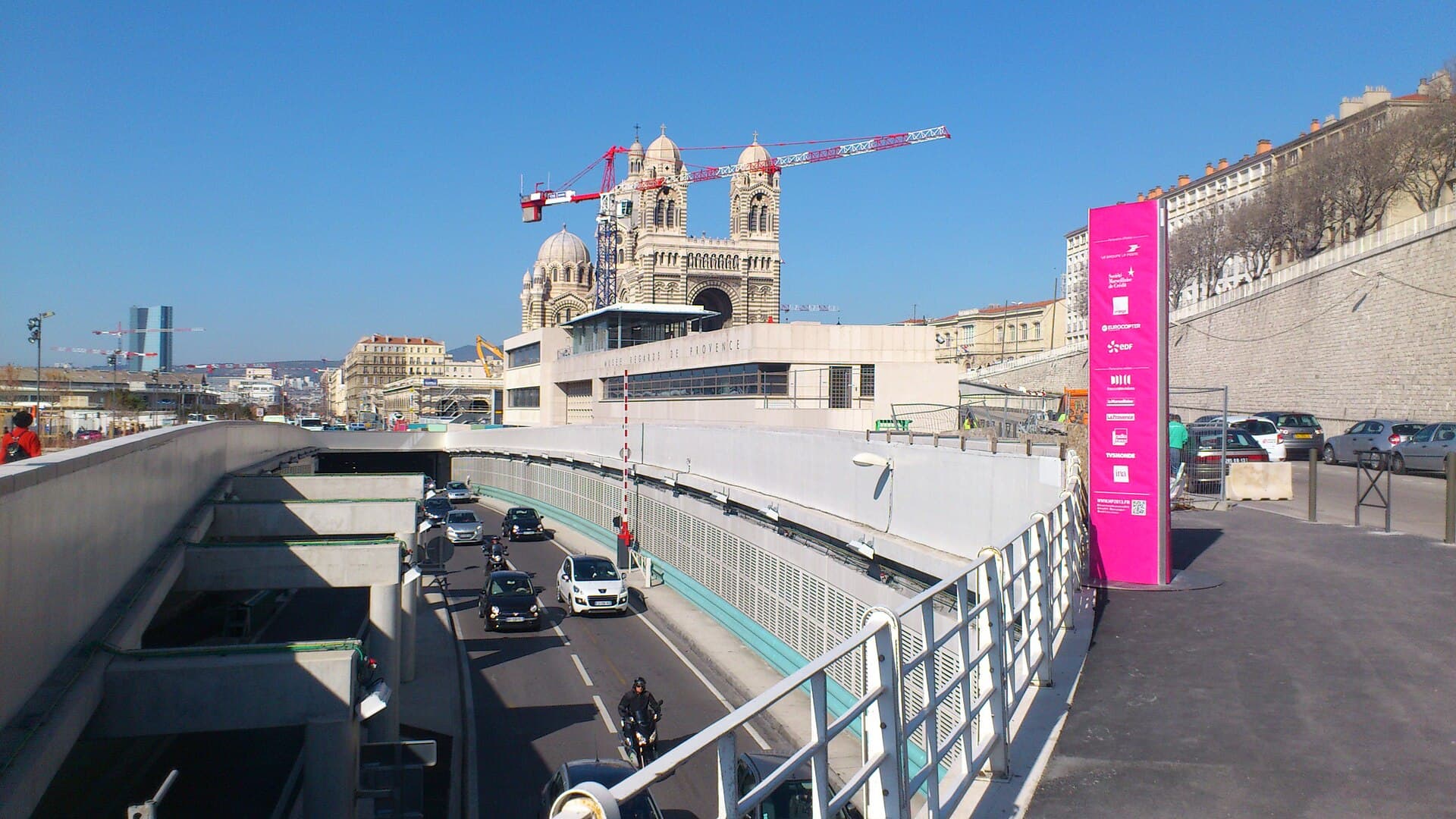 Musée Regards de ProvenceA small, elegant museum right beside the La Major cathedral, and the story of it3 minutes walk4.2
A deliberate nineteenth-century choice: Marseille saw itself as France's bridge to the Mediterranean and the East, so it built Byzantine — domes and coloured stripes — instead of northern Gothic. The result is a building that resembles its city.
The façade is the star; the vast marble interior earns ten minutes if open. Build no plans around it — it is an excellent waypoint on the seafront route, no more.
The restaurant arcades below, MuCEM and Cosquer five minutes on, and the old Panier quarter starting right behind it with its coloured lanes.