
The question of provenance
The debate over how the objects were acquired is inside the display, not outside it.
Rvalette — CC BY-SA 4.0 · Rvalette — CC BY-SA 4.0 · Rvalette — CC BY-SA 4.0 · Rvalette — CC BY-SA 4.0
A museum on the second floor of the Vieille Charité showing the arts of Africa, Oceania and the Americas: masks, figures, textiles and ritual objects. Its best-known holdings include preserved human heads and ritual objects from various regions, displayed with more sensitivity than was formerly the case in European museums. The museum raises openly the question of how these objects reached Europe, a debate that has become central across ethnographic collections. Marseille is a logical place for such a collection: France's port towards Africa for a century and a half, and a point of arrival and departure for millions of people and goods. The museum addresses that colonial history rather than avoiding it. Practical points: it sits in the same building as the Mediterranean archaeology museum and the ticket is usually combined — visit both. The collection is not vast, so an hour to ninety minutes is enough. The courtyard can be entered without a ticket.
The debate over how the objects were acquired is inside the display, not outside it.
France's gateway to Africa for 150 years — the collection is a trace of that.
Visit it with the archaeology museum in the same building.
Vieille Charité, Le Panier quarter, Marseille
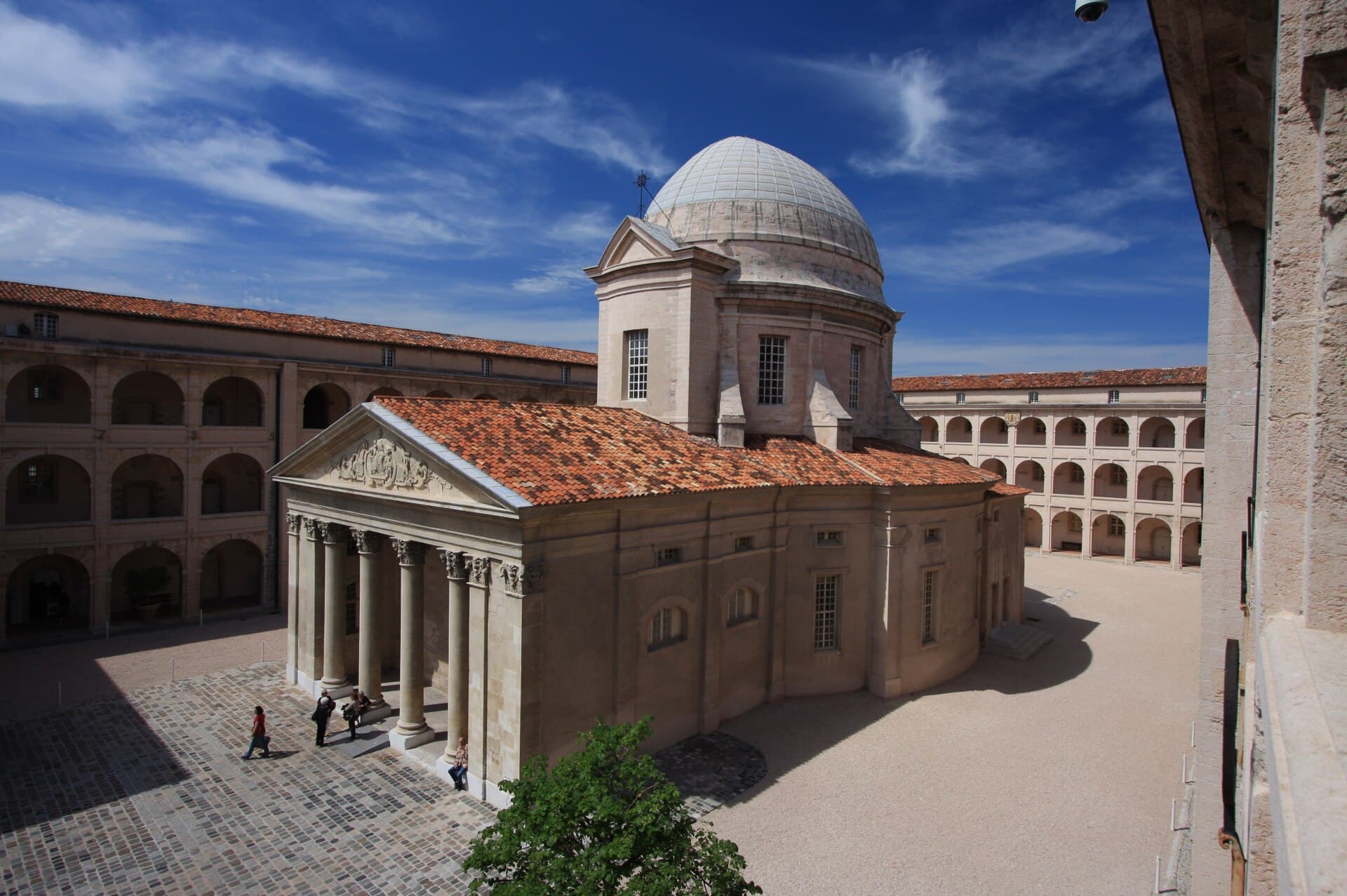 Vieille CharitéHidden in the heart of the old Panier quarter is Marseille's finest Baroque buil1 minute walk4.4
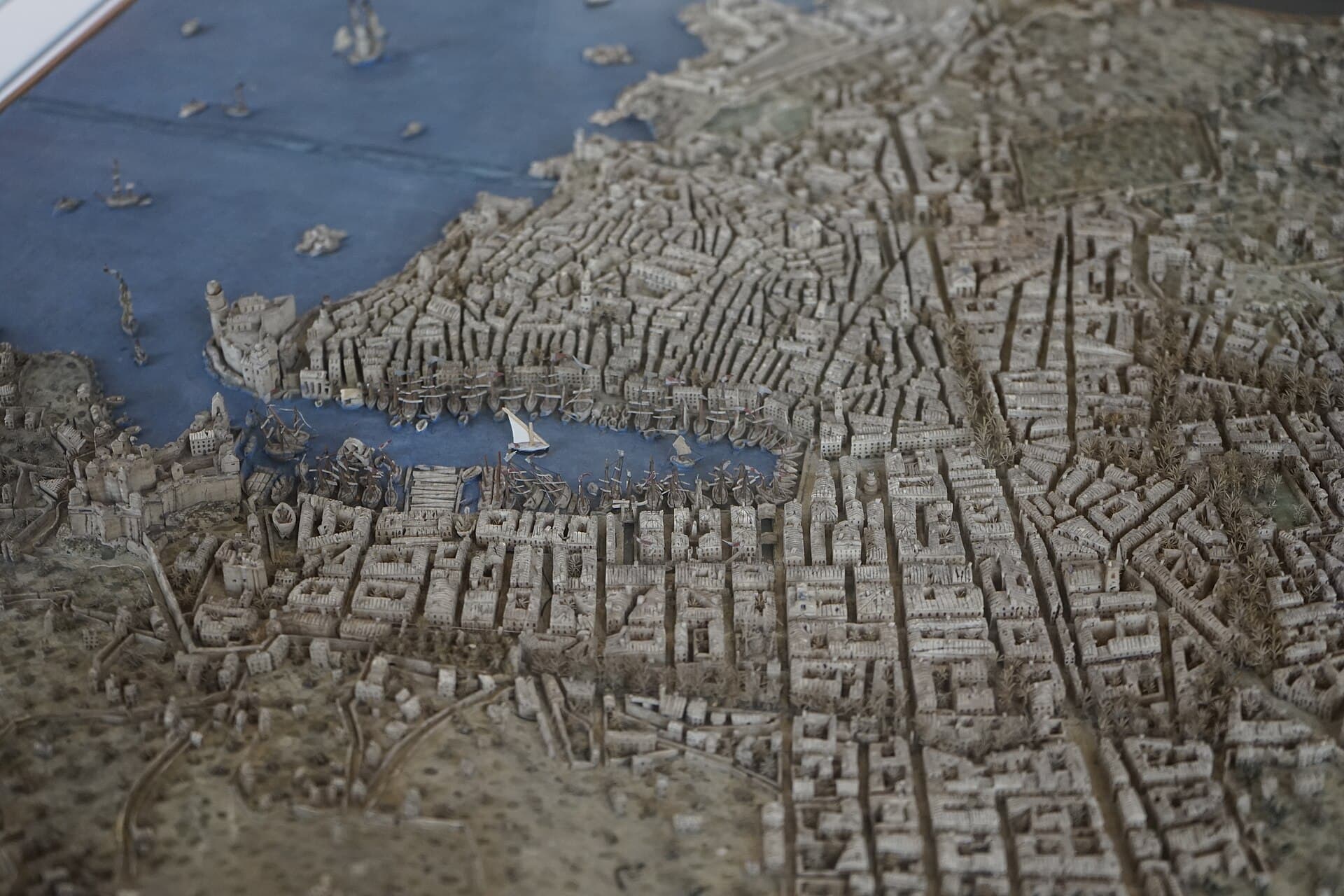 Museum of Mediterranean ArchaeologyAn archaeology museum inside the Vieille Charité building in the Le Panier quart1 minute walk4.4
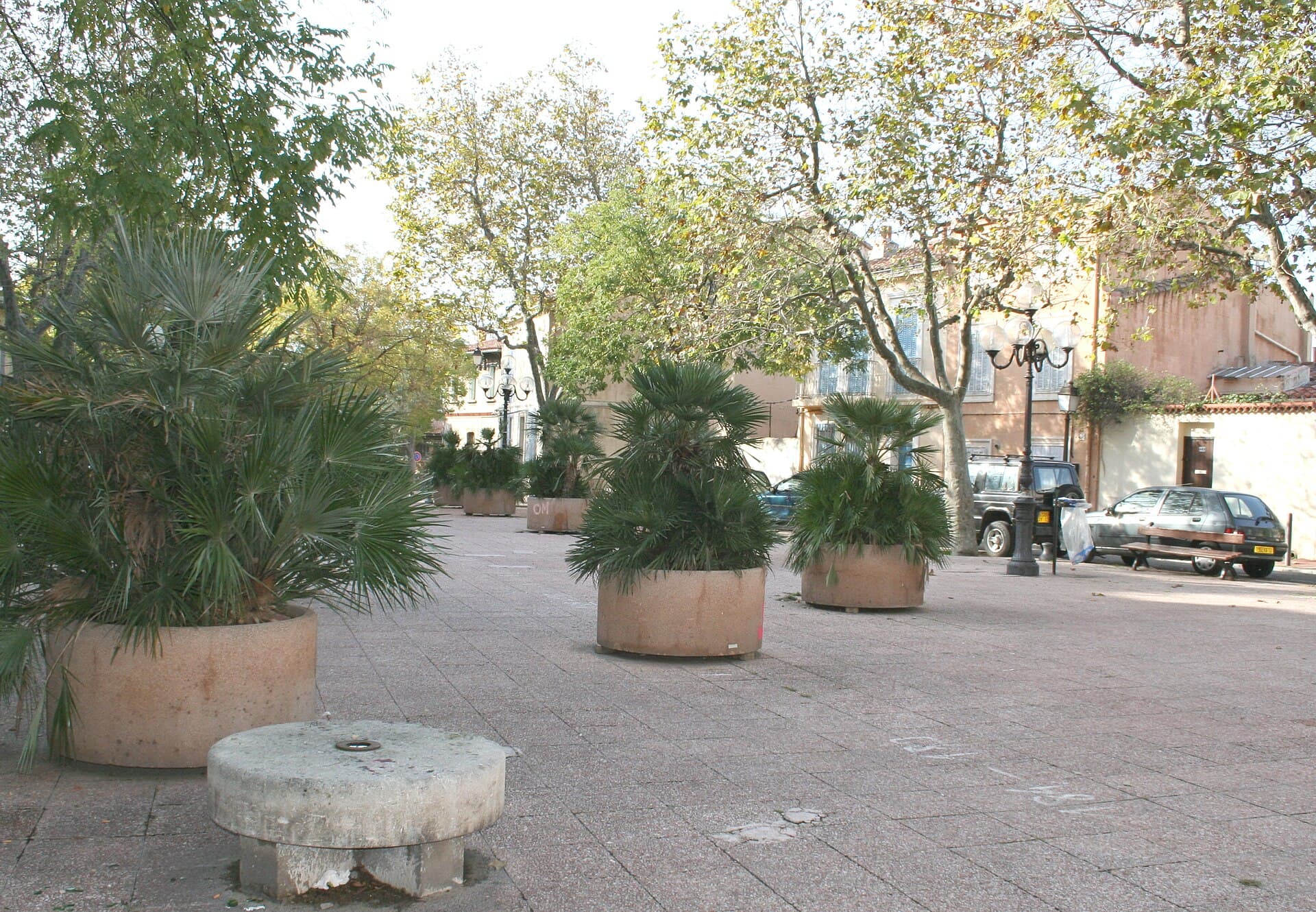 The Square of the MillsA small tree-shaded square at the highest point of Le Panier, Marseille's oldest2 minutes walk4.2
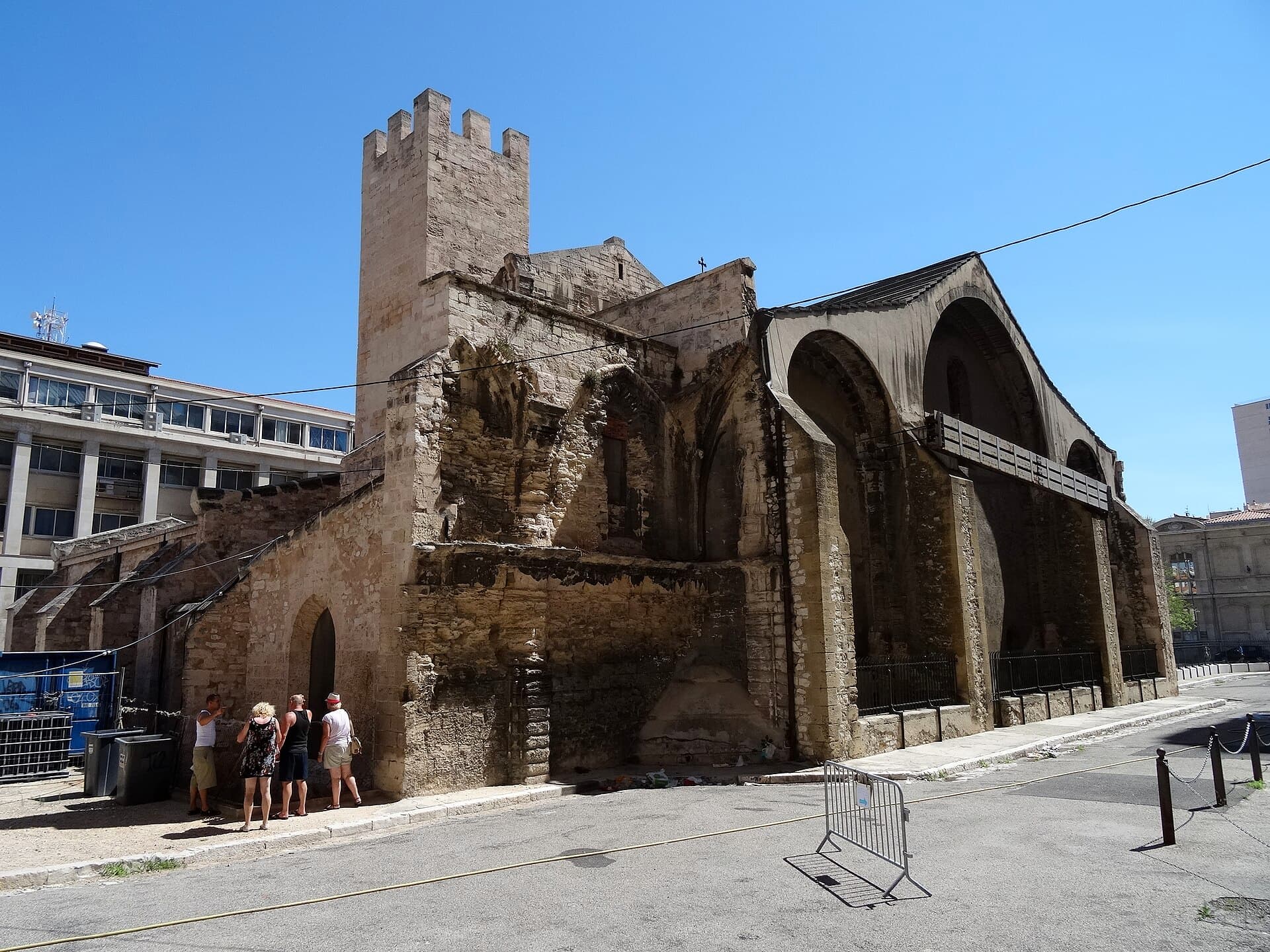 The Old Cathedral, La Vieille MajorMarseille's twelfth-century old cathedral, standing beside the enormous new one 3 minutes walk4.6
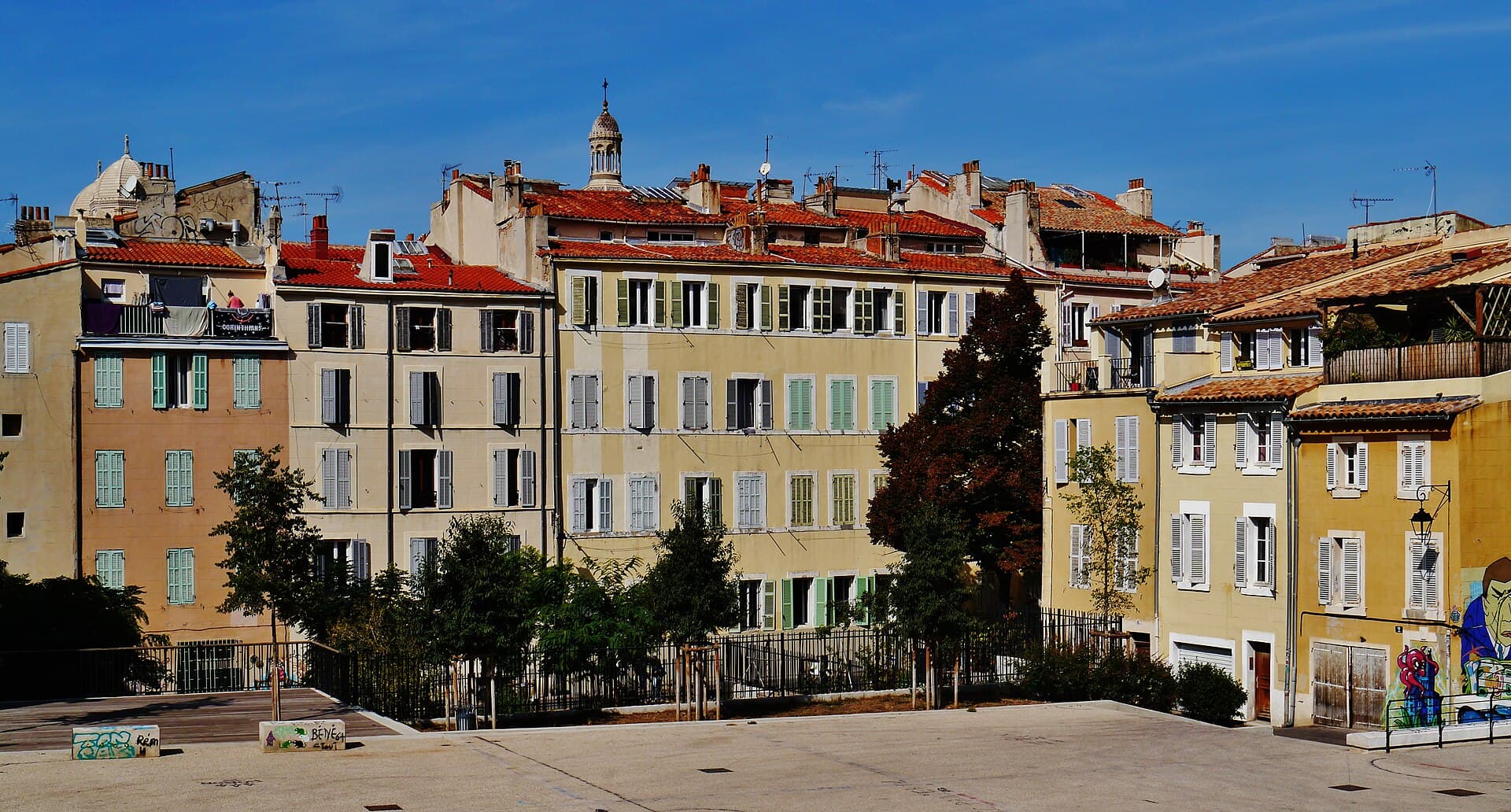 Le PanierOn the small hill north of the Old Port sits **Le Panier**, Marseille's oldest q3 minutes walk
Relatively directly: the interpretive panels address how the objects were collected and the colonial context, rather than presenting them as things without a history. That shift happened across European ethnographic museums over the last two decades, and the debate is not settled — the question of returning objects to their countries remains open.
The masks and figures are visually engaging for children, but some displays — including preserved human remains — may distress. Talk it through or skip that room. The museum is small so the visit is short regardless.