
The triple arcades
Three tiers of pink arches around the court — Marseille's finest Baroque.
Vincent 13 — CC BY-SA 3.0 · Celuici — CC BY-SA 3.0 · Alexrk2 — CC BY-SA 4.0 · Charliemoon — CC BY-SA 3.0
Hidden in the heart of the old Panier quarter is Marseille's finest Baroque building: the "Old Charity", a vast almshouse built in the seventeenth century to shelter the city's poor, designed by Marseille's own Pierre Puget — sculptor to Louis XIV. It is a square of three tiers of pink stone arcades around a wide courtyard, centred on a small chapel whose oval dome is Puget's masterpiece. Today it is a cultural centre holding a museum of Mediterranean archaeology (Egypt, Cyprus, Greece) and another of African and Native American arts. The courtyard and arcades are free — and they are the first reason to come: silence, pink stone and arch shadows after the din of the lanes, with a quiet café under the gallery.
Three tiers of pink arches around the court — Marseille's finest Baroque.
The courtyard chapel with its oval dome — the masterpiece of the king's Marseillais sculptor.
Egyptian mummies and Mediterranean finds inside the seventeenth-century fabric.
2 Rue de la Charité, 13002 Marseille
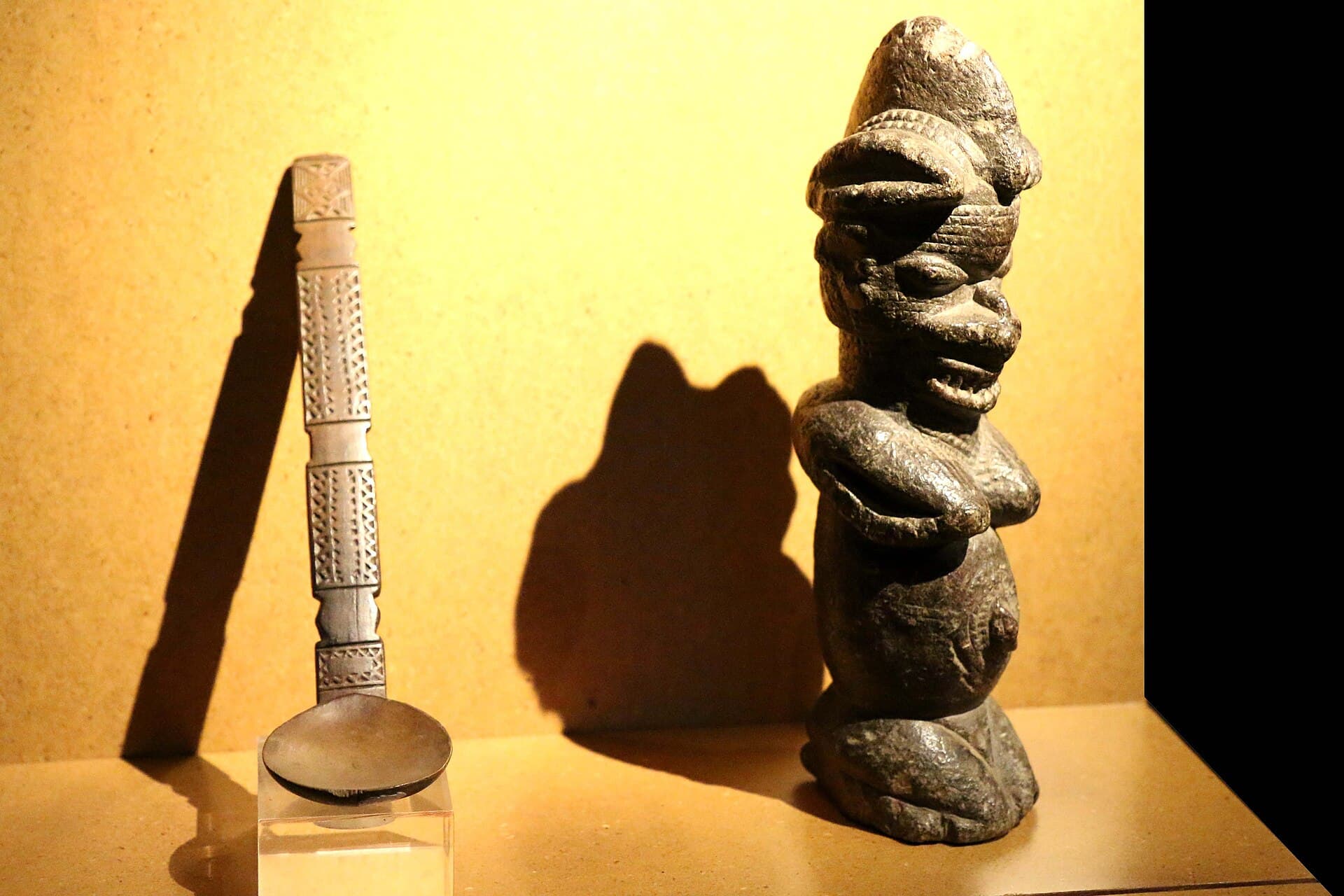 Museum of African, Oceanian and Amerindian ArtsA museum on the second floor of the Vieille Charité showing the arts of Africa, 1 minute walk4.0
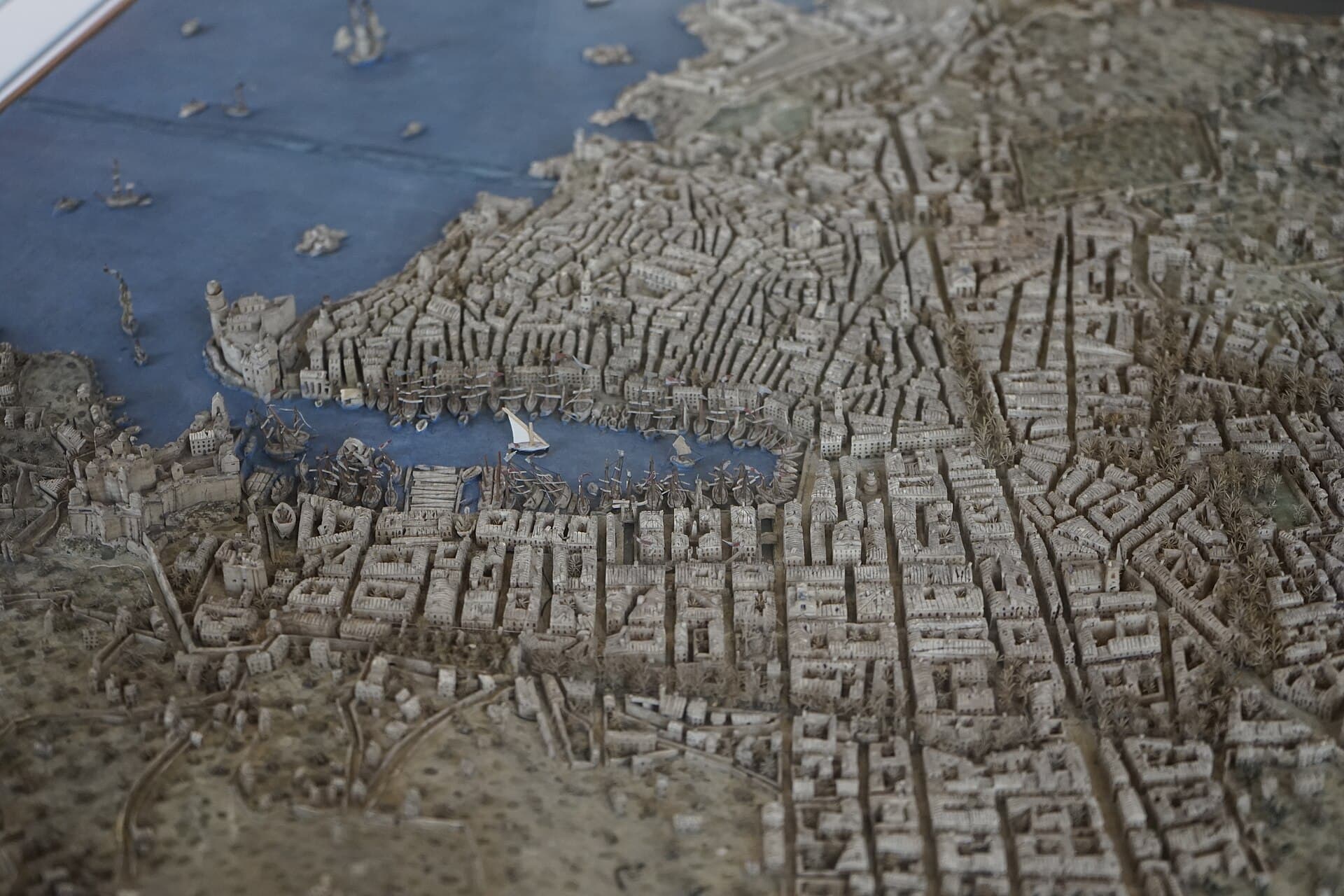 Museum of Mediterranean ArchaeologyAn archaeology museum inside the Vieille Charité building in the Le Panier quart1 minute walk4.4
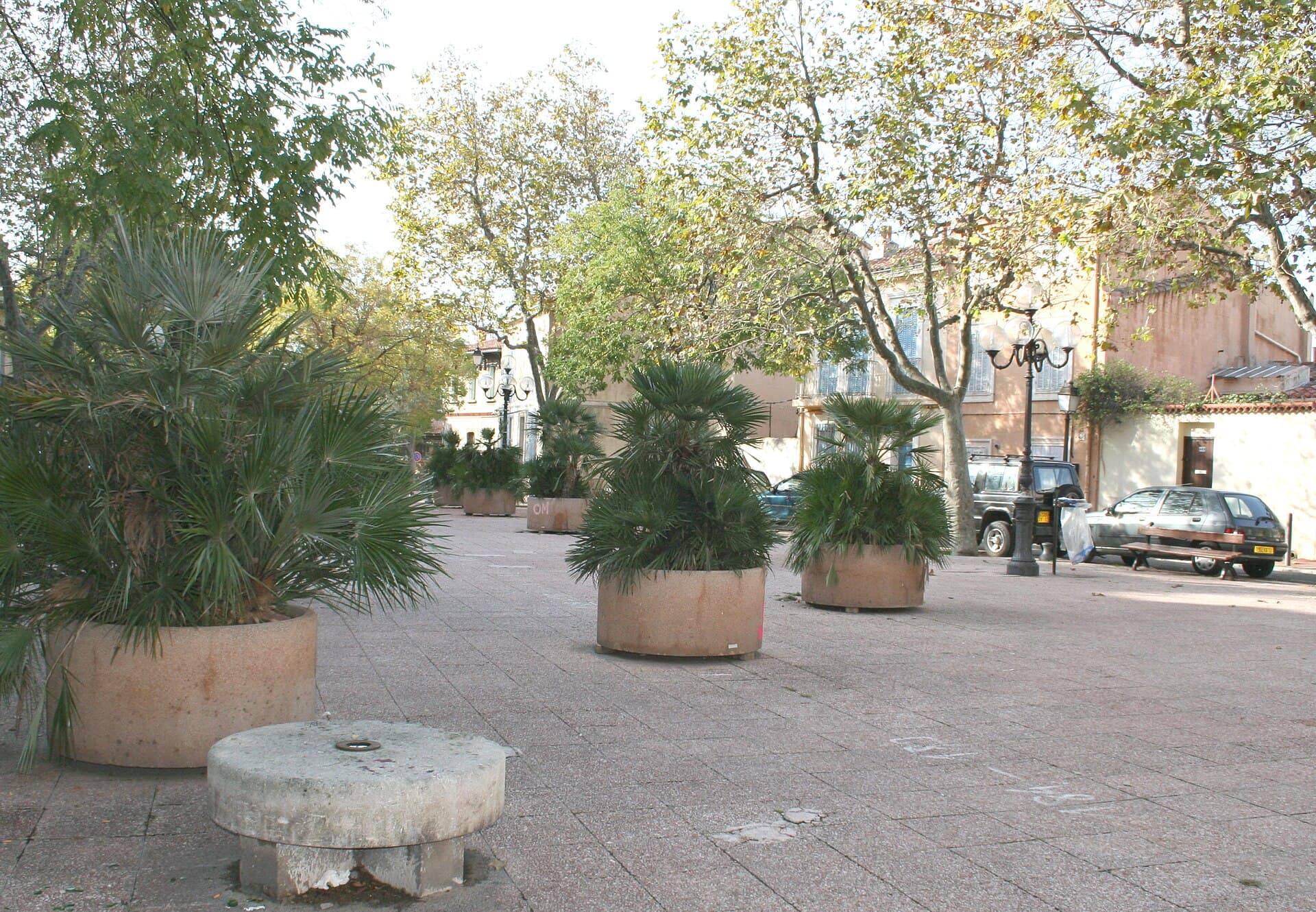 The Square of the MillsA small tree-shaded square at the highest point of Le Panier, Marseille's oldest2 minutes walk4.2
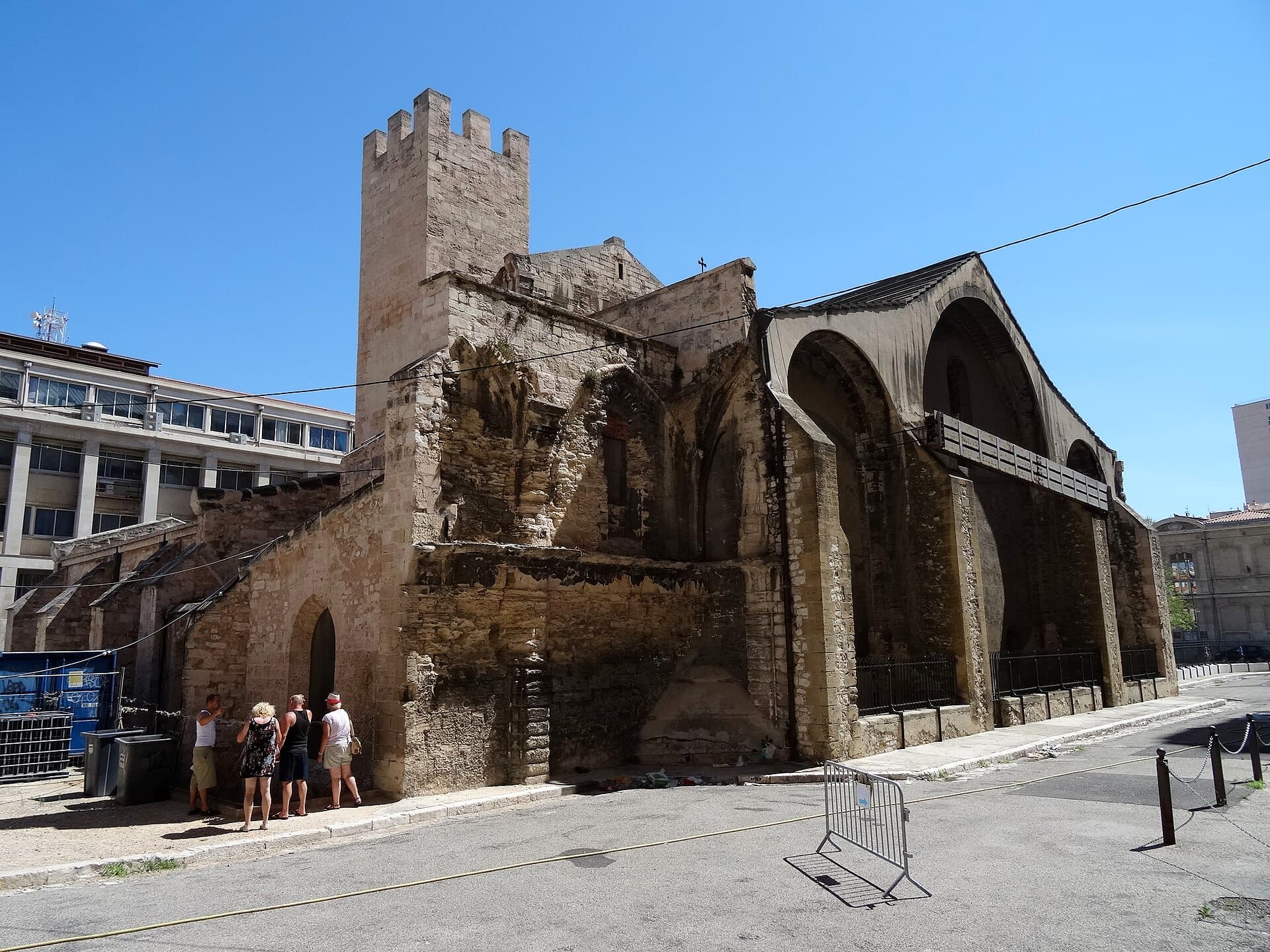 The Old Cathedral, La Vieille MajorMarseille's twelfth-century old cathedral, standing beside the enormous new one 3 minutes walk4.6
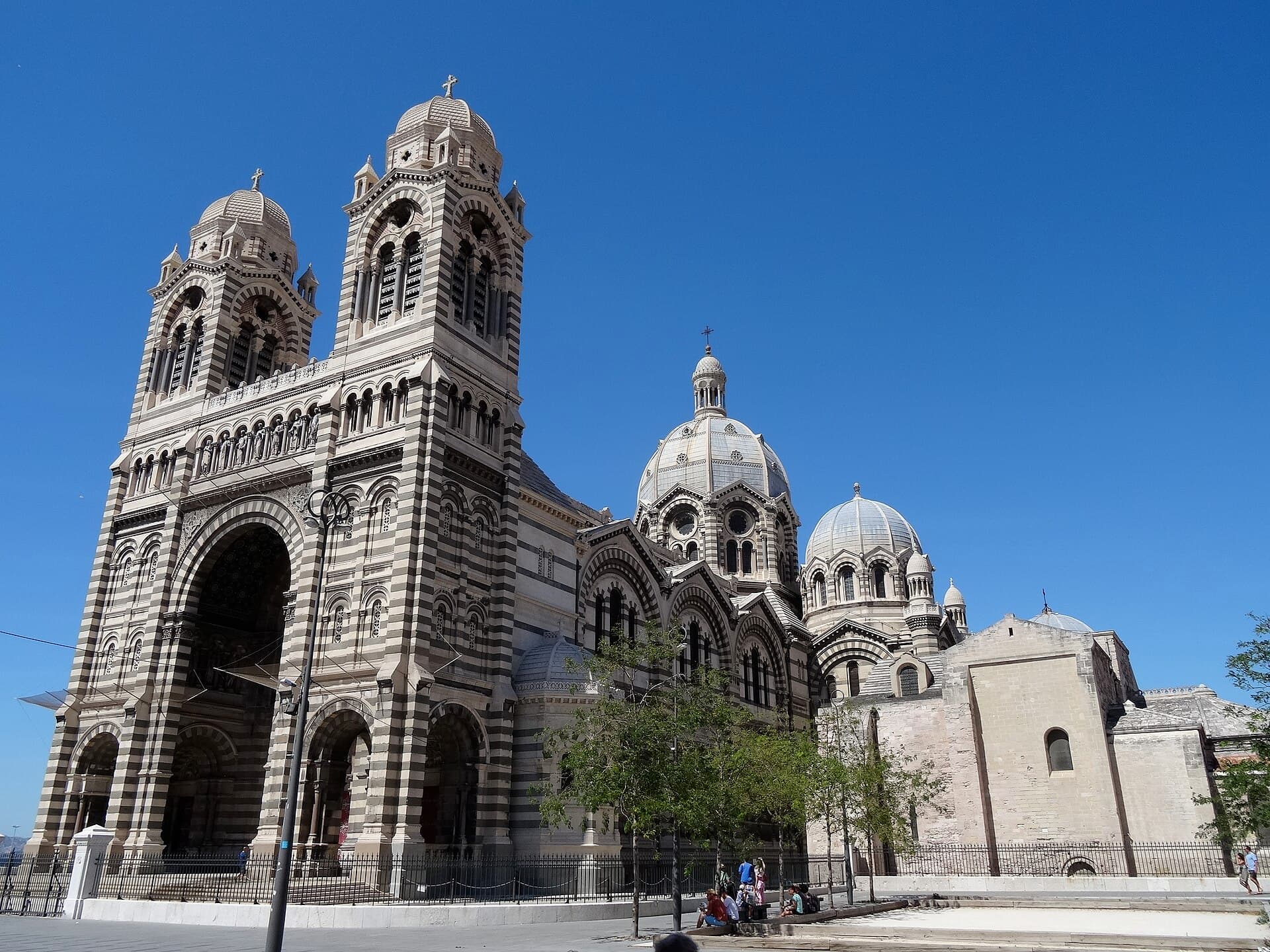 Marseille Cathedral (La Major)Marseille's cathedral — "La Major" — is among the biggest churches built in Fran3 minutes walk4.6
It was built to confine the city's beggars as much as shelter them — that era's answer to poverty — and thousands lived here harshly. It then crumbled for centuries, housing migrants, until a 1970s restoration made it the quarter's pride. Its story is Marseille in one building.
The Panier itself is the visit: coloured lanes, murals, small craft shops. Make the Charité its heart — arrive after wandering, take coffee under the arcade, add a museum if inclined — the whole quarter sits between port and cathedral.
Mediterranean archaeology has the wider appeal, mummies included. The African and Native American museum is smaller and more particular. Short of time, the courtyard alone is a full visit.