
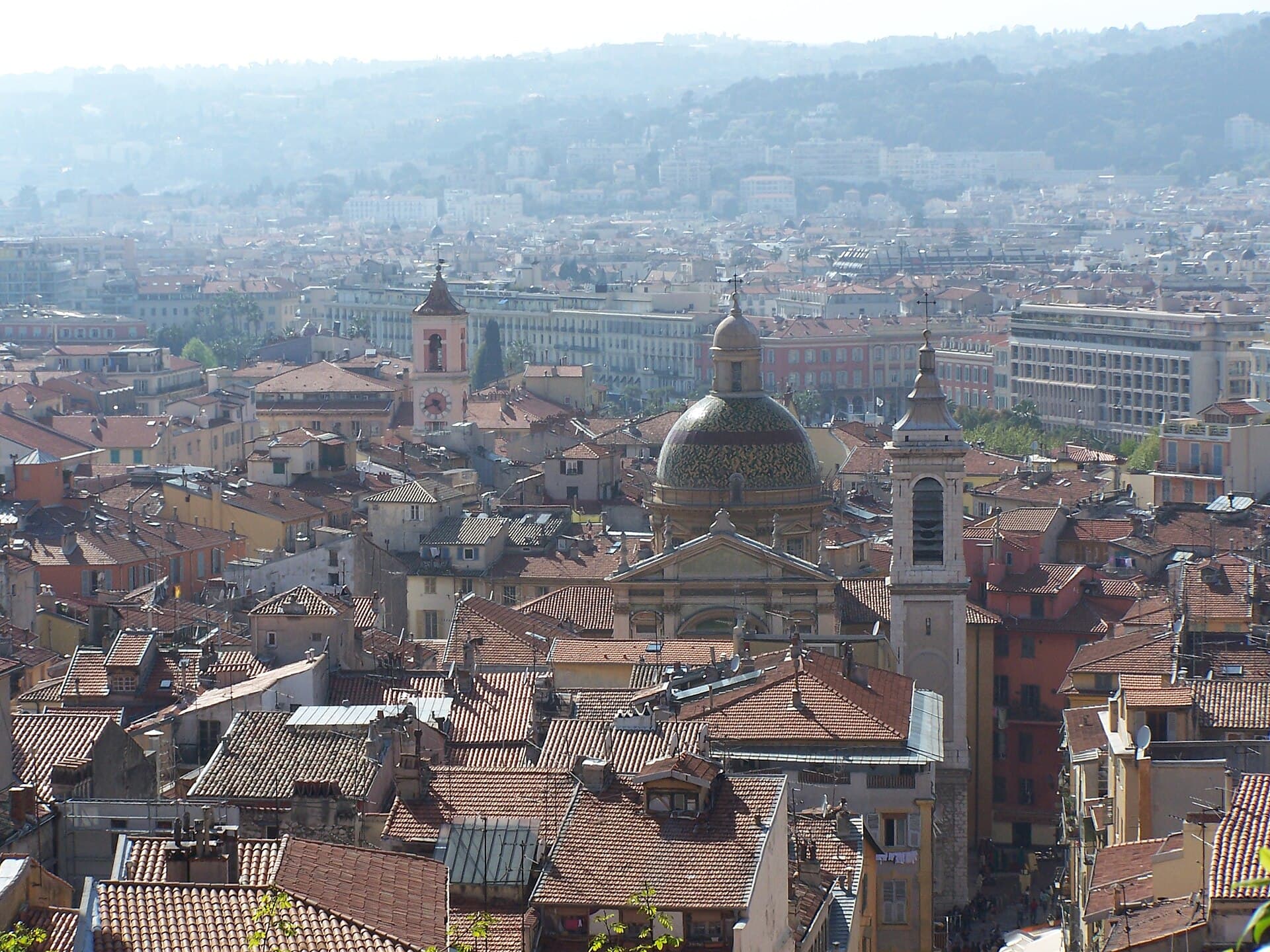
The coloured-tile dome
Glinting green and gold over the lanes — Nice's Savoyard signature.
Myrabella — CC BY-SA 3.0 · Jack06140 — CC BY-SA 4.0 · Jorge Franganillo — CC BY 2.0 · GFreihalter — CC BY-SA 4.0
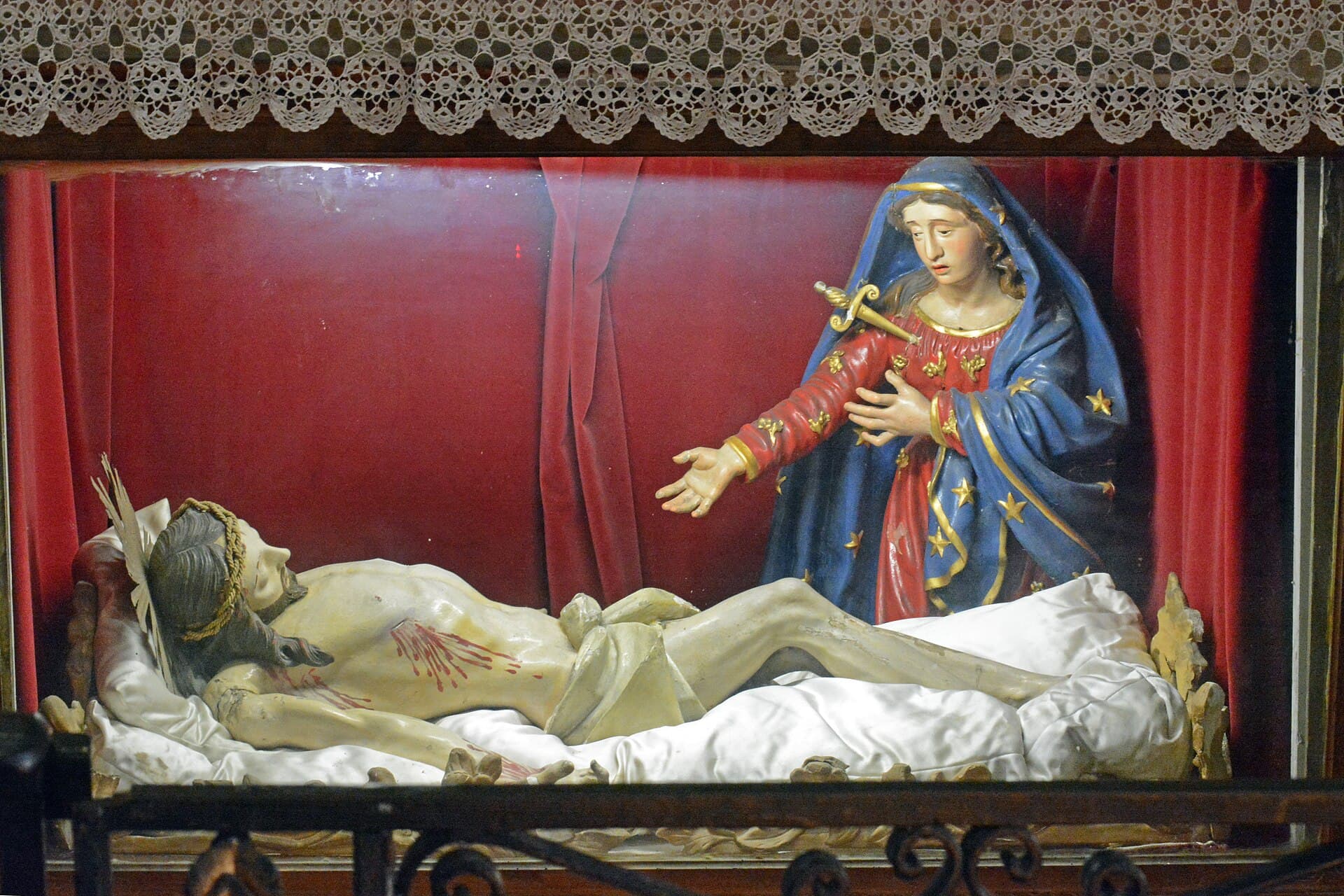
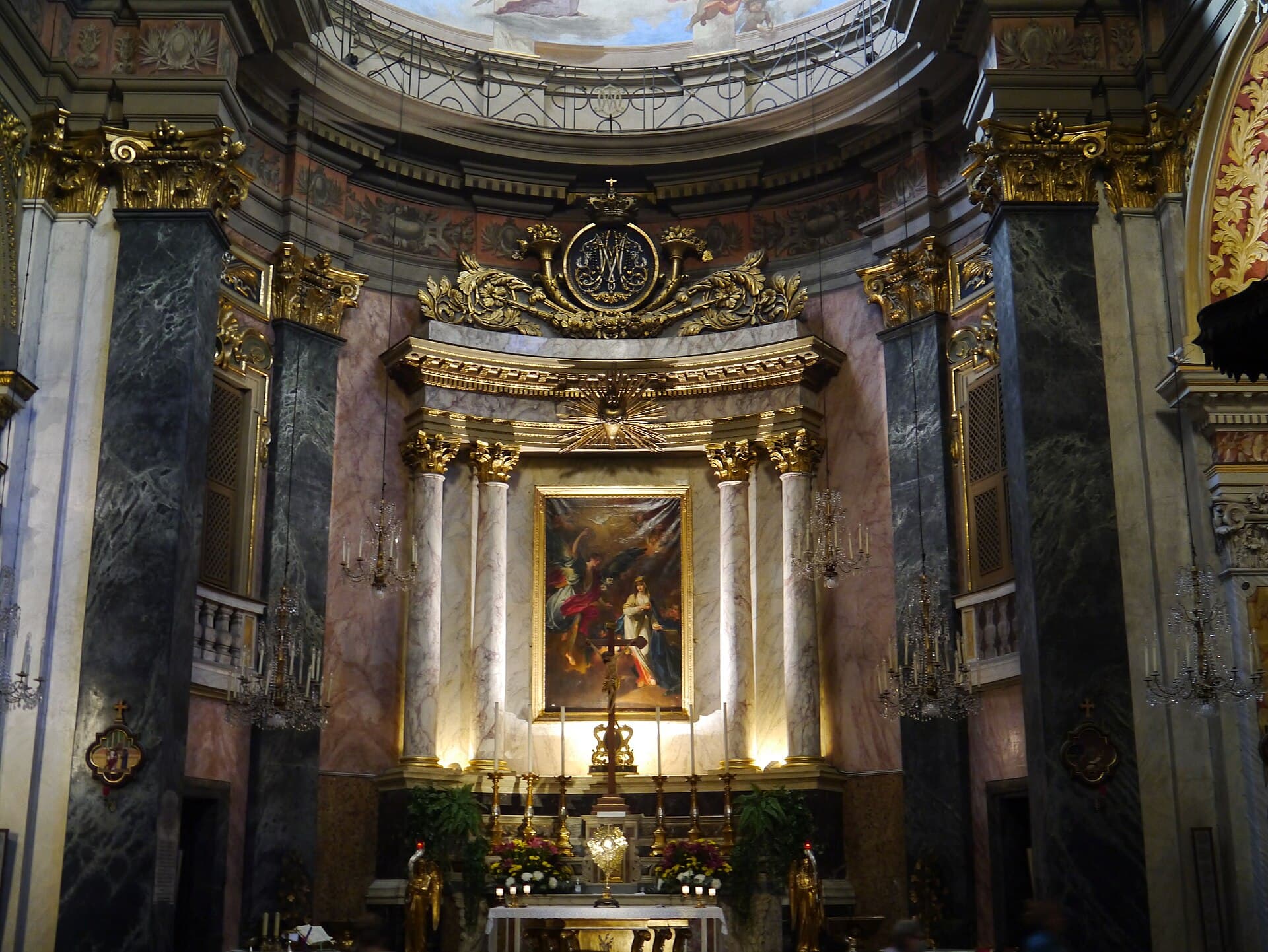
In old Nice's lane-maze, Place Rossetti opens suddenly onto a Baroque cathedral under a coloured-tile dome: Sainte-Réparate, the city's mother church since the seventeenth century, dedicated to Nice's patron — a martyred girl whose body, legend says, reached the bay in a boat borne by angels, naming the 'Baie des Anges'. The interior is frankly Italian Baroque — Nice was Savoyard-Italian until 1860 — ten side chapels, marble, gilt and coloured stucco, closer to Turin's churches than to France's: the secret of its character. The square before it is among the old town's sweetest sits: cafés and the famed Fenocchio ice cream — completing the visit as full ritual: cathedral, coloured dome, gelato on the steps.
Glinting green and gold over the lanes — Nice's Savoyard signature.
An Italian-souled interior recalling how recently Nice became French.
A patron borne to the bay by angels — naming Nice's Baie des Anges.
3 Place Rossetti, 06300 Nice
 Old NiceOld Nice is the maze between the castle hill and the sea: a dense network of nar1 minute walk
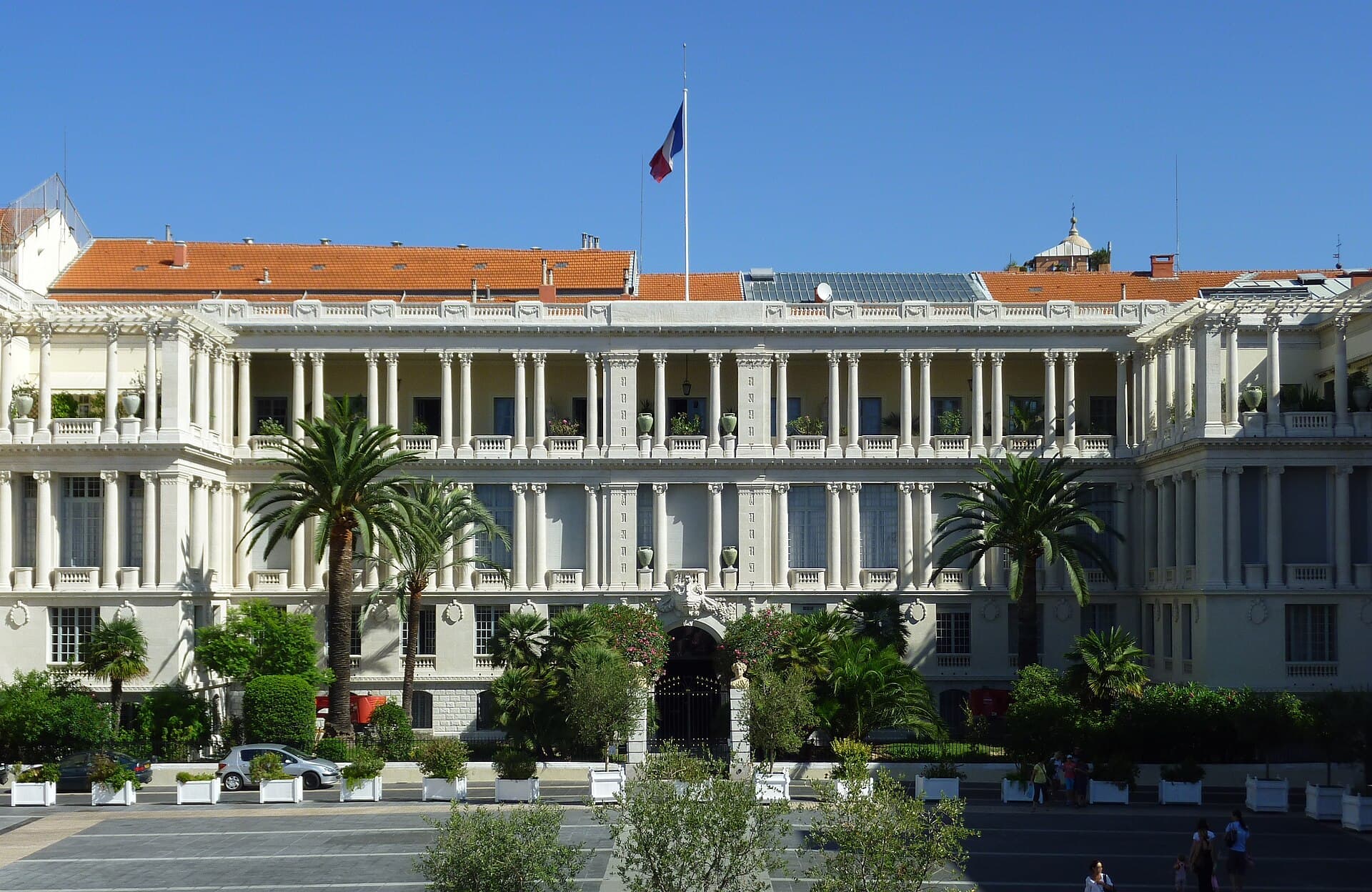 The Prefectoral PalaceA palace at the edge of old Nice, once the residence of the rulers of Savoy and 1 minute walk4.6
 The Church of Saint James the GreaterA Jesuit church in old Nice, built in the seventeenth century and known locally 2 minutes walk4.7
 The Church of the AnnunciationThe oldest church in old Nice, known among residents as Santa Rita after Saint R2 minutes walk4.9
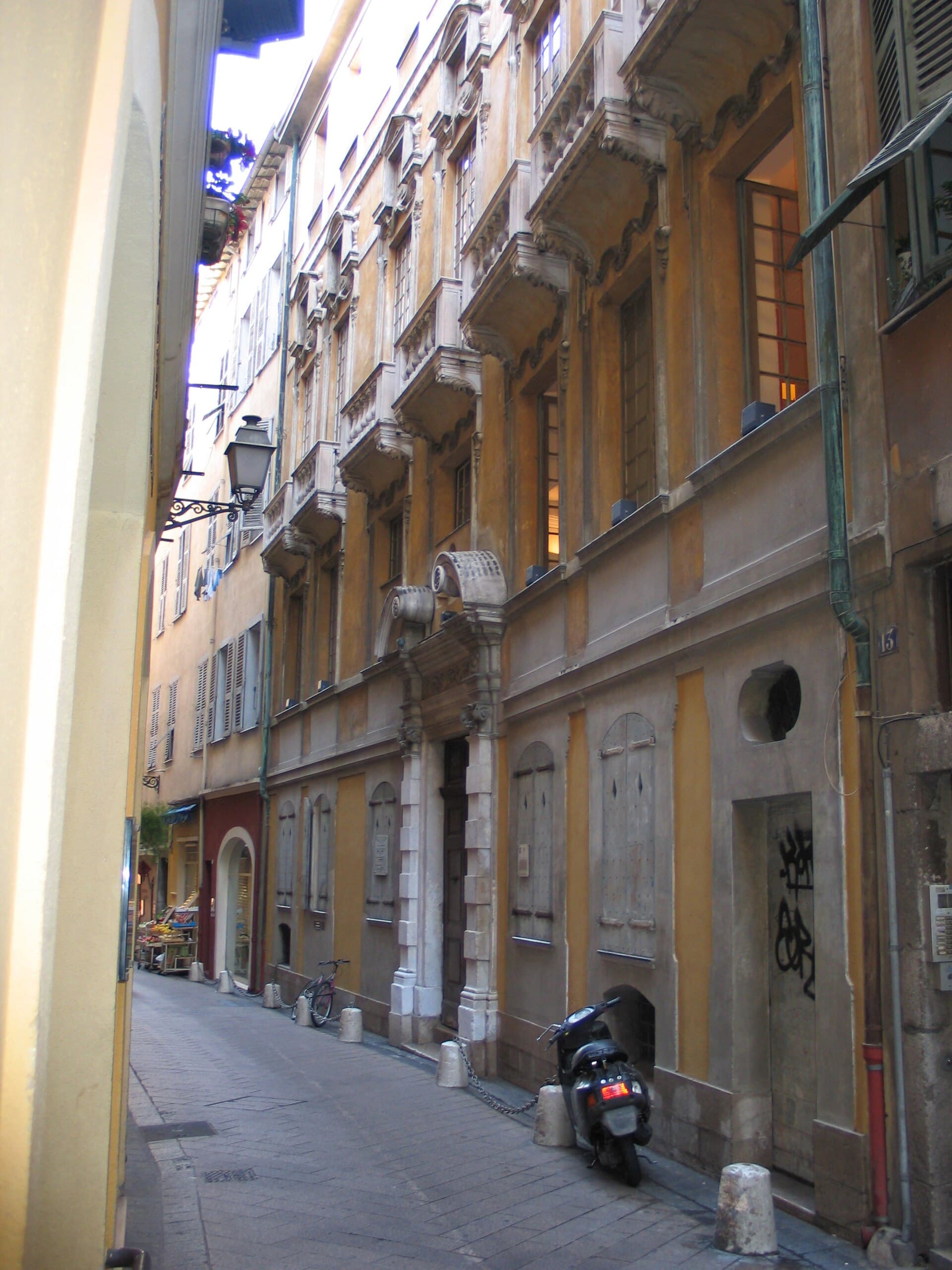 Palais LascarisThe Palais Lascaris hides in the narrowest lanes of old Nice: a façade that prom2 minutes walk4.5
Because it was: Nice followed the Duchy of Savoy (capital Turin) five centuries until the 1860 plebiscite joined it to France. The architecture, colours, kitchen (pissaladière, socca) and the local Nissart dialect all descend from that — the cathedral its purest witness.
Nice's most famous gelato since 1966 on this very square — ninety flavours including lavender, olive, basil, tomato at the odd end. The queue is part of the rite, and eating on the cathedral steps is old Nice's evening in one act.
Rue Rossetti and sisters for artisans, the even-richer Baroque Saint-Jacques church minutes away for the hungry, and Cours Saleya with its morning market and flowers — the whole old town being half a tangled kilometre anyway.