
Kings wintering
The House of Savoy stayed in Nice in the cold season.
Miniwark — CC BY-SA 3.0 · Dacoucou — CC BY-SA 3.0 · Dennis G. Jarvis — CC BY-SA 2.0 · Victor Grigas — CC BY-SA 4.0
A palace at the edge of old Nice, once the residence of the rulers of Savoy and the kings of Sardinia when they visited the city, and today the prefecture of the Alpes-Maritimes. That sequence — from a Savoyard royal palace to a French administrative seat — is the history of Nice in miniature. It was established in the seventeenth century on an older site and extended in the eighteenth as an official residence for the House of Savoy when the royal family wintered in Nice. After Nice's annexation to France in 1860 the building passed to the French state and continued in a comparable function — the seat of the central government's representative. The facade is plainly classical in ochre, and the interior holds rooms decorated with stucco and wall painting that are not normally visited. It opens to the public during the European Heritage Days in September — practically the only chance to see inside. The facade is free to see from the square.
The House of Savoy stayed in Nice in the cold season.
From the king of Sardinia's representative to the Republic's.
The September heritage days are practically the only way in.
Place Pierre Gautier, old Nice
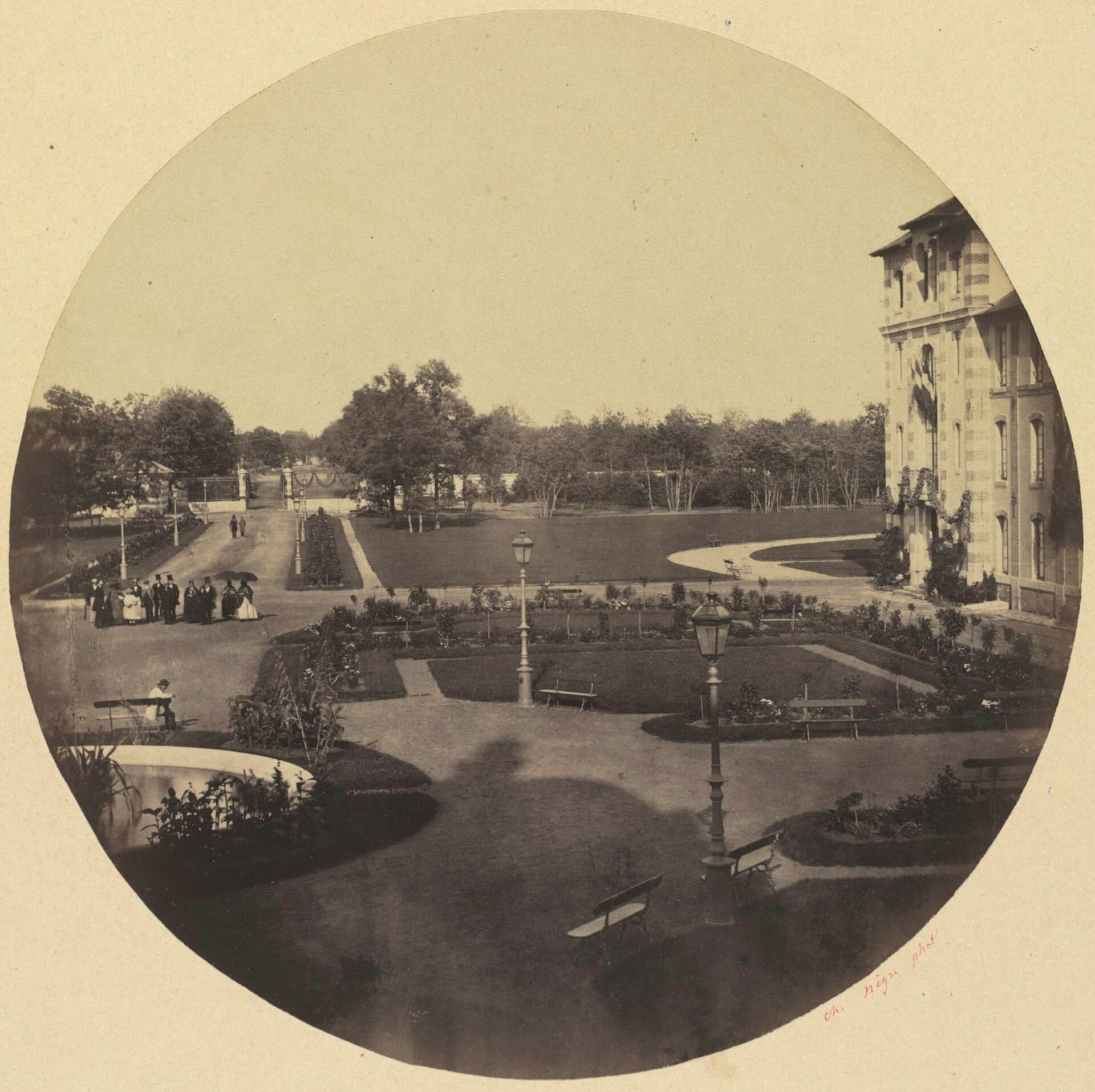 Charles Nègre Photography MuseumThe Charles Nègre museum is Nice's museum of photography, in a seventeenth-centu1 minute walk4.5
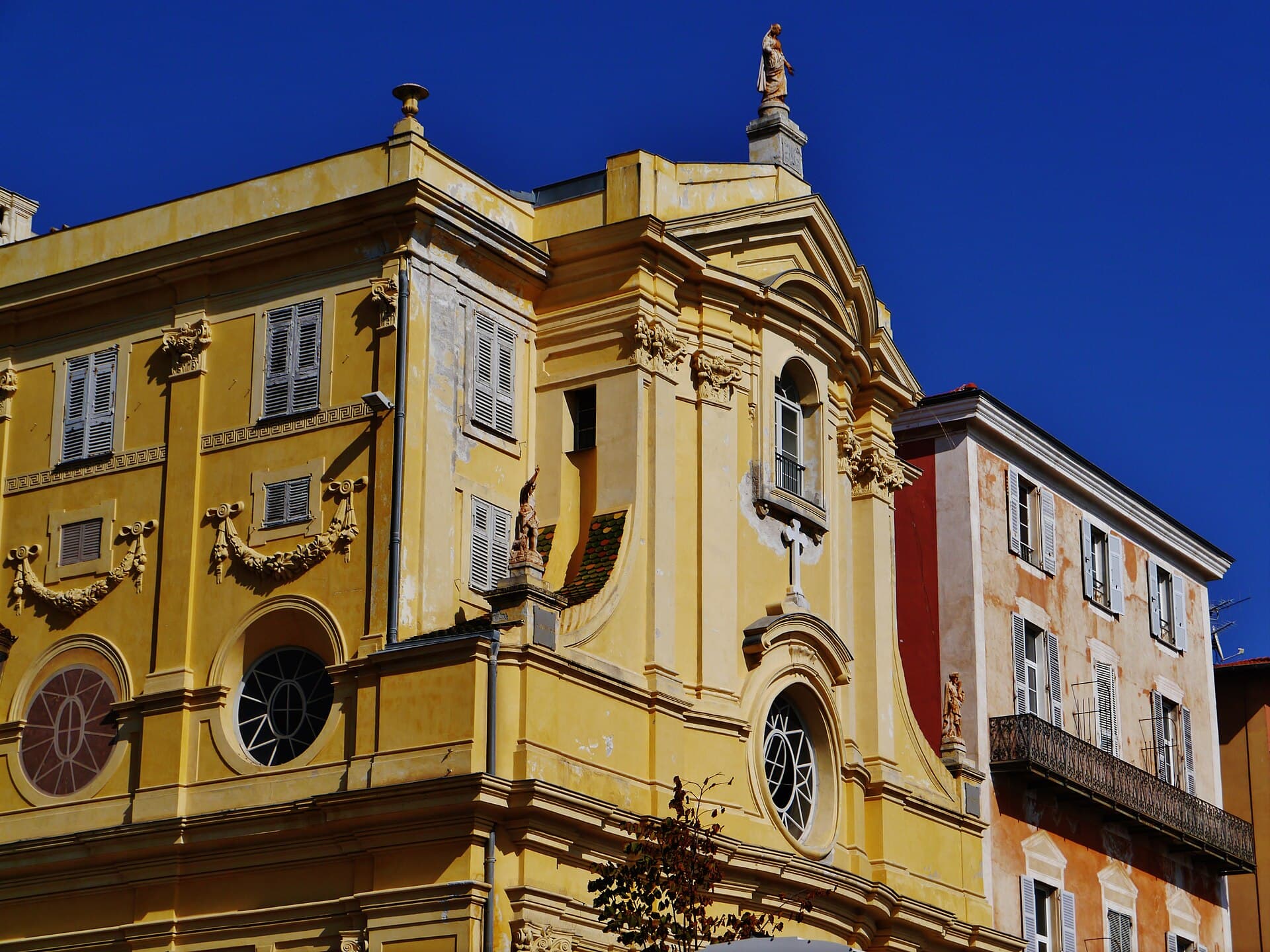 The Chapel of MercyA small church on the Cours Saleya in old Nice, built between 1740 and 1786, and1 minute walk4.4
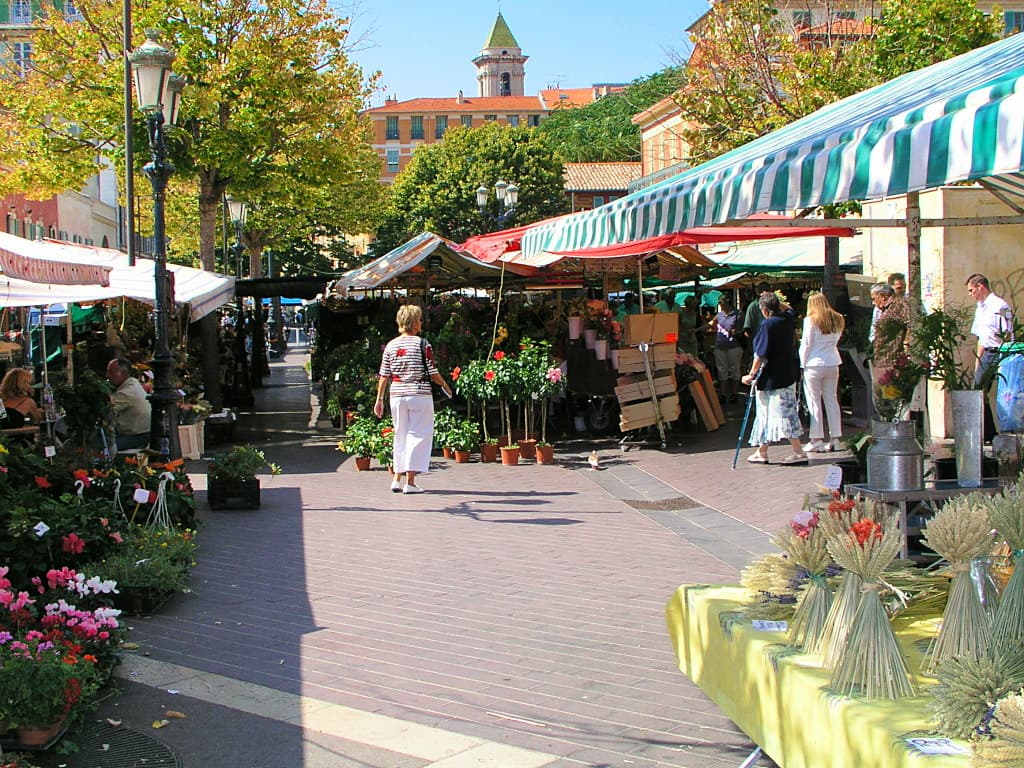 Cours Saleya and the Flower MarketCours Saleya is the beating heart of old Nice: a long paved square between the o1 minute walk4.4
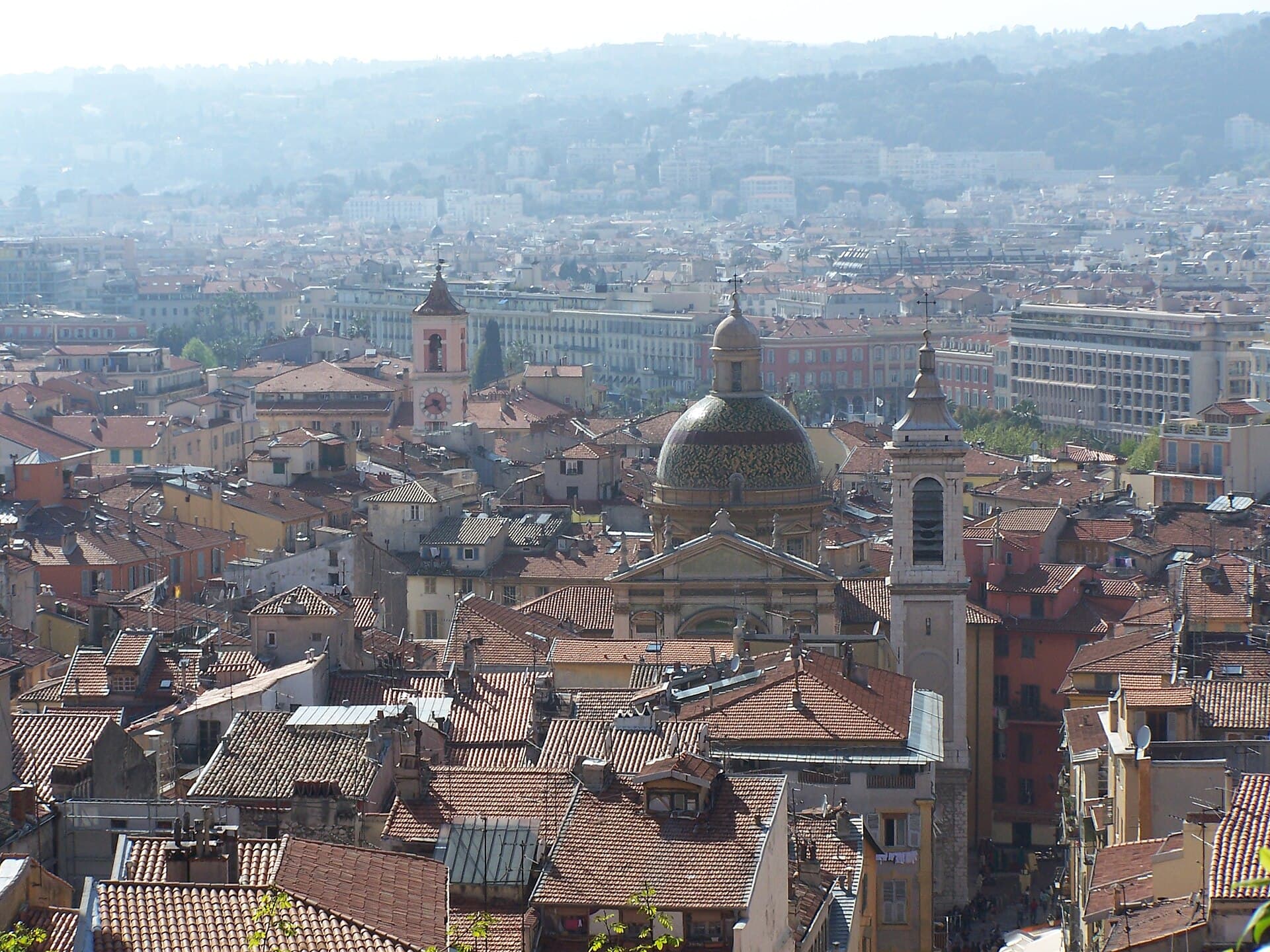 Old NiceOld Nice is the maze between the castle hill and the sea: a dense network of nar1 minute walk
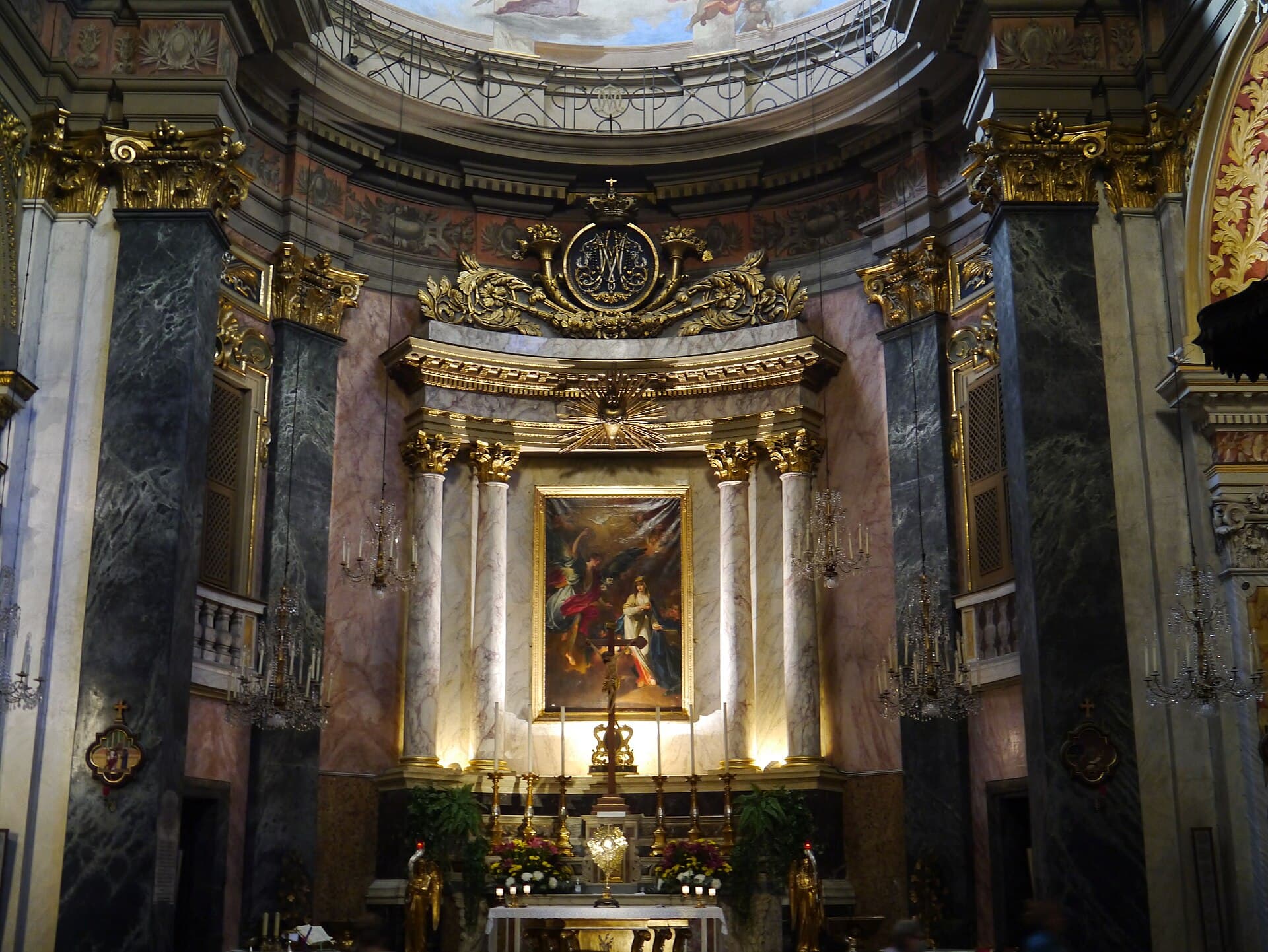 The Church of the AnnunciationThe oldest church in old Nice, known among residents as Santa Rita after Saint R1 minute walk4.9
A European initiative held on the third weekend of September, opening buildings normally closed to the public free of charge: government seats, palaces, embassies, factories and monasteries. It began in France in 1984 and spread to fifty countries. It is the best moment in the year to see inside buildings not normally visited, but the queues are long and the best-known require booking that opens weeks ahead.
For its climate: a mild sunny winter by the sea while northern Europe was dark and cold. The English began coming in the late eighteenth century for health reasons — warm air was thought to treat tuberculosis — and Russian and European aristocracy followed. The Promenade des Anglais is so named because the English community funded its construction in 1820. The season was winter, not summer; that reversed in the twentieth century.