
The coloured lanes
Ochre, Italian red and washing strung between windows.
Baptiste Rossi — Public domain · Myrabella — CC BY-SA 3.0 · Mike is Michi — CC BY-SA 4.0 · Smiley.toerist — CC BY-SA 4.0
Old Nice is the maze between the castle hill and the sea: a dense network of narrow lanes the sun barely reaches, with façades in ochre and Italian red and washing strung between the windows — closer in spirit to **Genoa or Turin** than to France, and that is no accident: Nice belonged to the Kingdom of **Savoy-Sardinia** until 1860, and became French only by a plebiscite that year. The trace is in everything: the Niçois dialect, the Italian family names, the cooking (socca and farcis), and the Italianate baroque churches — **Sainte-Réparate Cathedral** with its tiled dome, and the **Chapelle de la Miséricorde**, which many consider the finest baroque interior in the city. The quarter today is a mixture: markets, bakeries and socca sellers by day, and crowded restaurants and bars by night. Wander without a map — it is small and you will not be lost for long, and every lane opens onto a little square or a church.
Ochre, Italian red and washing strung between windows.
Sainte-Réparate and the Miséricorde — breathtaking interiors.
Wood ovens in the lanes turning out hot pancakes all day.
Vieux Nice, 06300 Nice
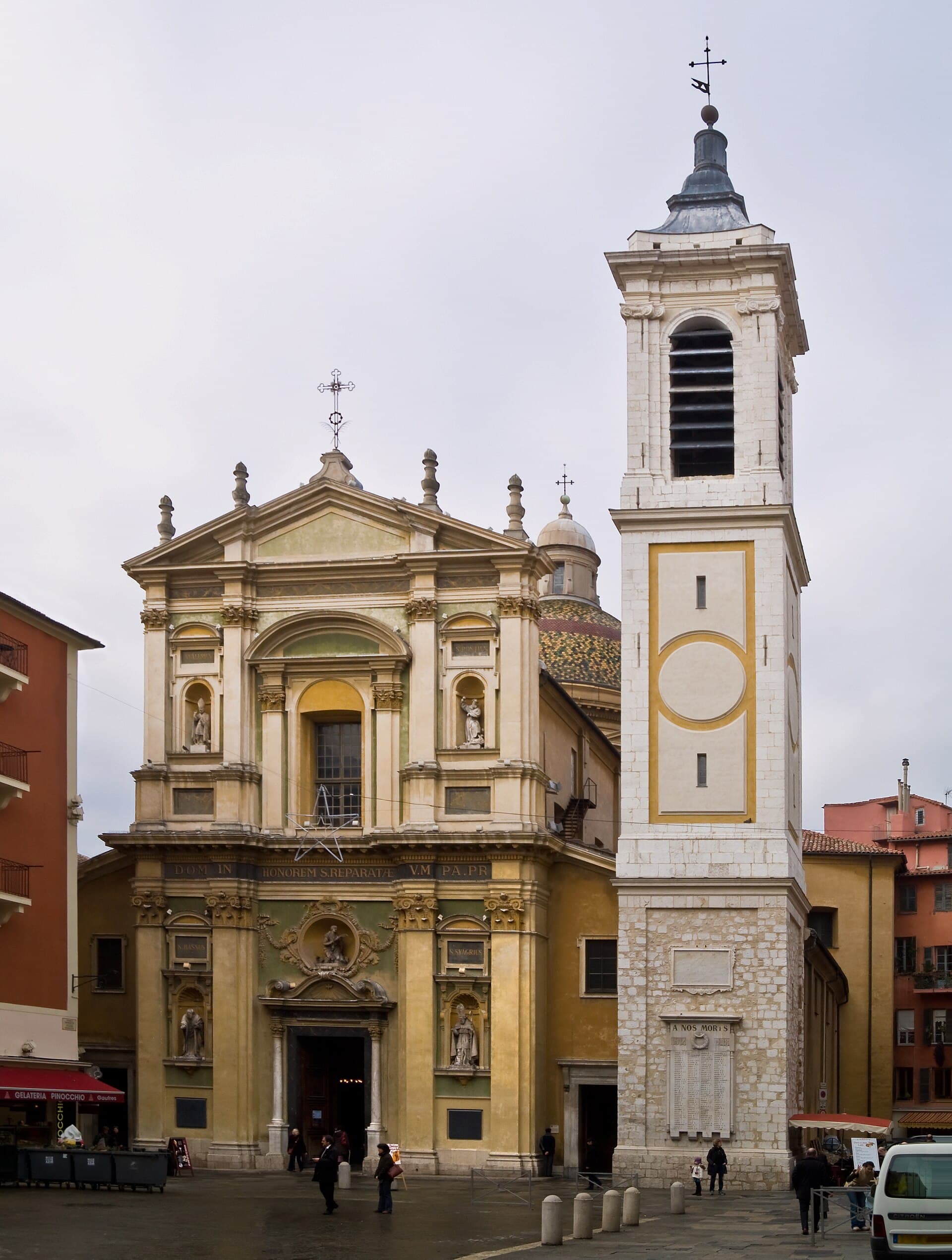 Cathédrale Sainte-RéparateIn old Nice's lane-maze, Place Rossetti opens suddenly onto a Baroque cathedral 1 minute walk4.7
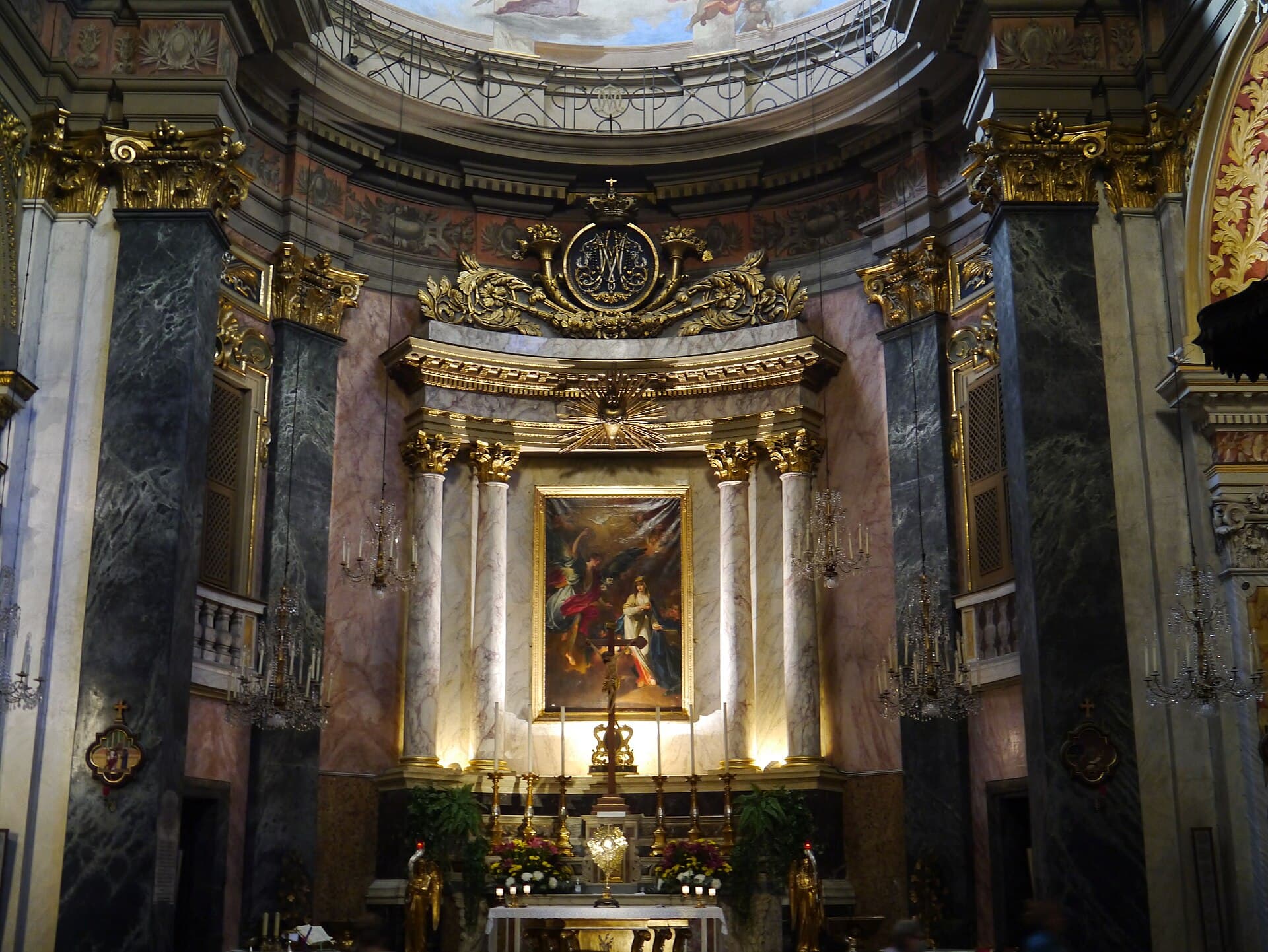 The Church of the AnnunciationThe oldest church in old Nice, known among residents as Santa Rita after Saint R1 minute walk4.9
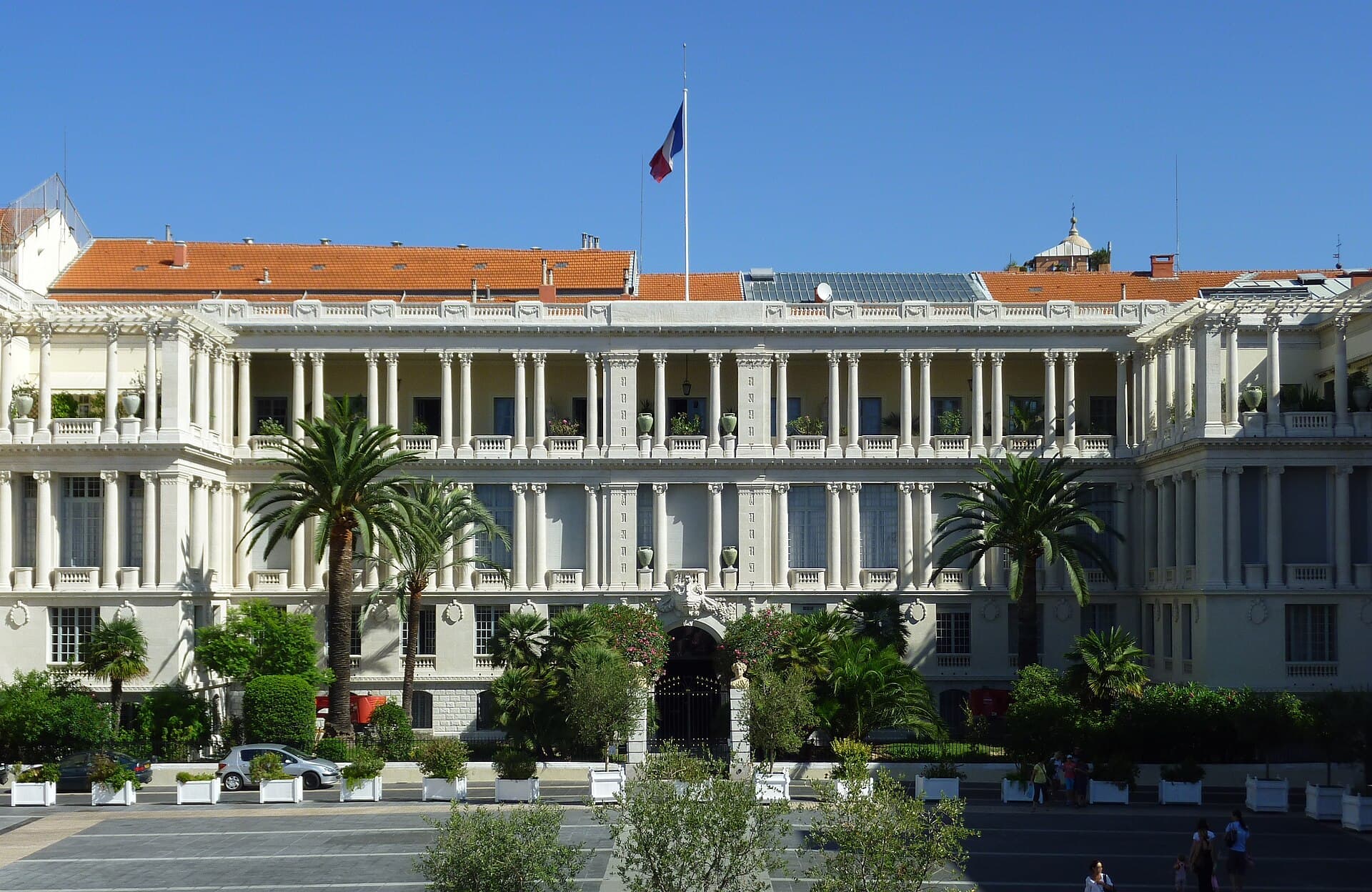 The Prefectoral PalaceA palace at the edge of old Nice, once the residence of the rulers of Savoy and 1 minute walk4.6
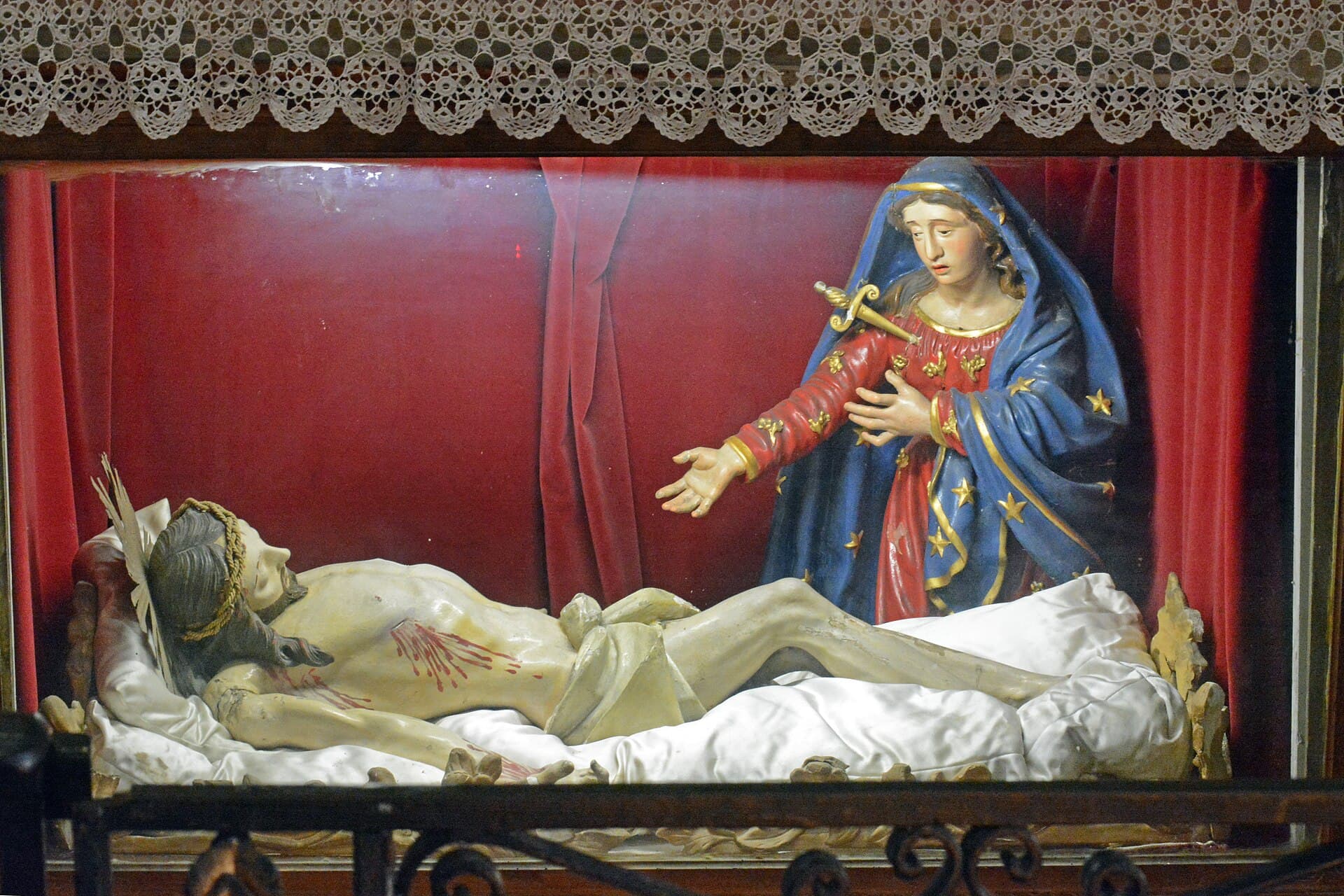 The Church of Saint James the GreaterA Jesuit church in old Nice, built in the seventeenth century and known locally 1 minute walk4.7
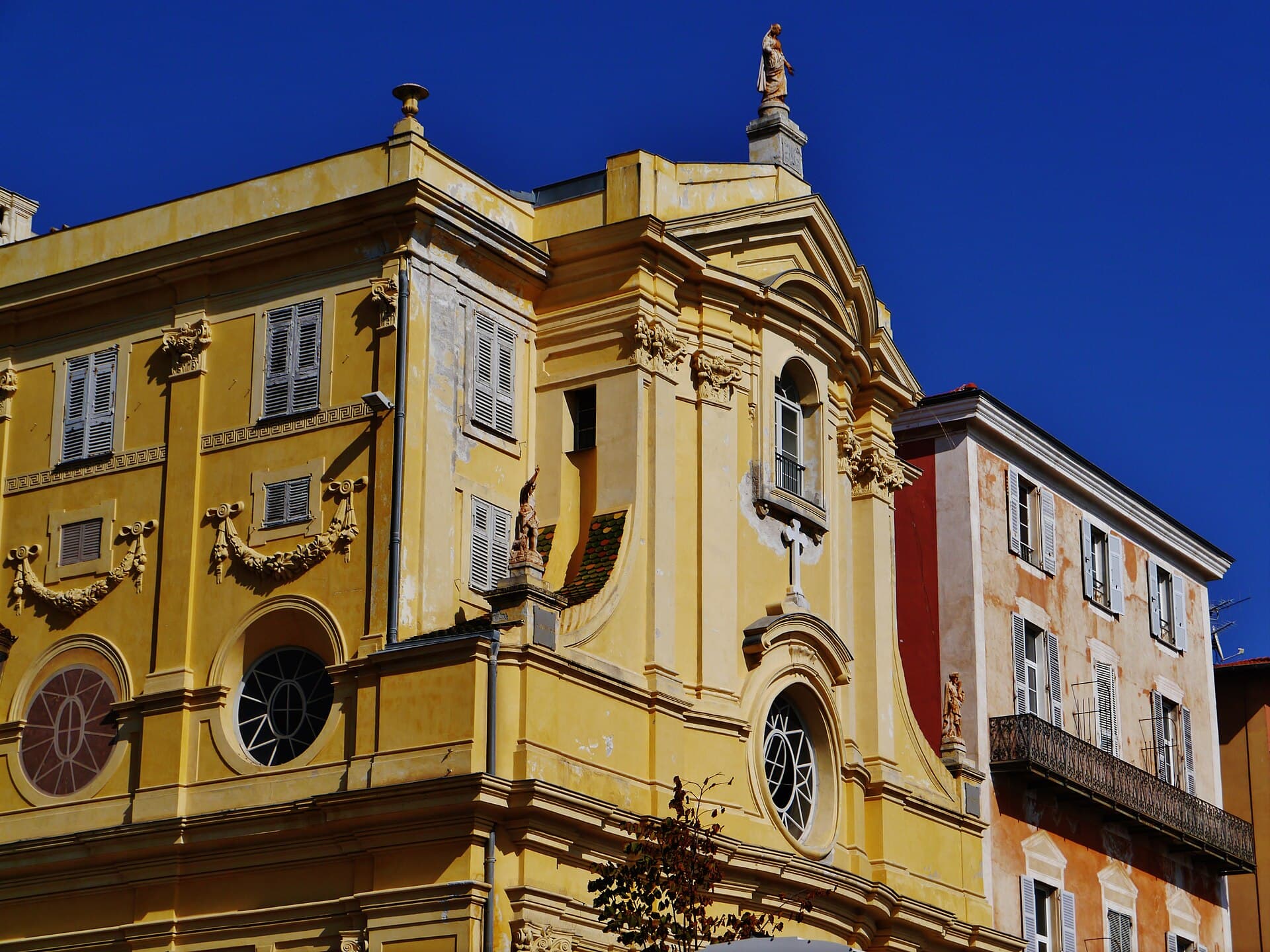 The Chapel of MercyA small church on the Cours Saleya in old Nice, built between 1740 and 1786, and1 minute walk4.4
Because it was. Nice was ruled by the **House of Savoy** (the Kingdom of Sardinia) for centuries and joined France only in **1860**, by a plebiscite held as part of a political bargain in which France backed Italian unification. So its architecture, colours, dialect and cooking are Italian at the root, and its family names end in -i and -o. That mixture — a French city with a Ligurian soul — is what sets Nice apart from the rest of the Riviera.