
The engine hall
White Roman statues in front of a huge diesel engine — the museum's signature and most-photographed view.
Jean-Pierre Dalbéra from Paris, France — CC BY 2.0 · Briner2306 — CC BY-SA 4.0 · Briner2306 — CC BY-SA 4.0 · BiondodaForlì — CC BY-SA 4.0
Rome's first public power station (1912), converted into a museum of Roman sculpture — and now one of the smartest display ideas in Europe: white marble statues from antiquity standing in front of vast black turbines and diesel engines, with no attempt to hide either. The story is that the museum began as a stopgap in 1997, when the Capitoline Museums needed restoration and the overflow was moved to the abandoned plant. The contrast worked so well that the temporary became permanent. The collection itself is first rate: statues, mosaics and inscriptions from the nineteenth-century Roman excavations, with excellent explanatory panels. The halls are large and nearly empty — the complete opposite of the crowded centre. It is about twenty minutes from the centre on metro Line B (Garbatella), and earns the trip especially for anyone who likes photography or has tired of conventional museums.
White Roman statues in front of a huge diesel engine — the museum's signature and most-photographed view.
Complete mosaic floors from Roman villas mounted on the walls at their original size.
Via Ostiense 106, Rome
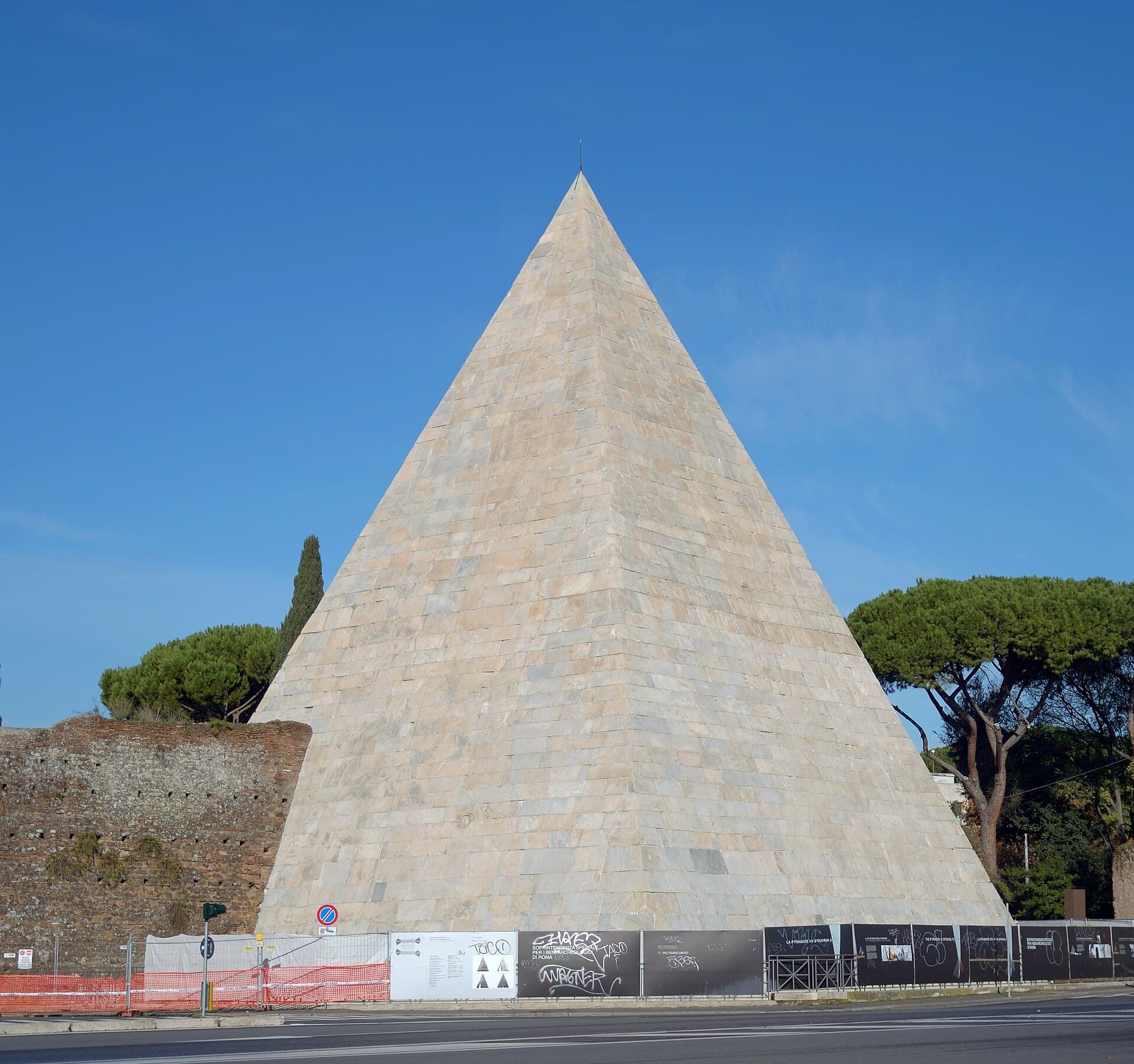 The Pyramid of CestiusRome holds a genuine Egyptian pyramid: the rich magistrate Gaius Cestius built i13 minutes walk4.4
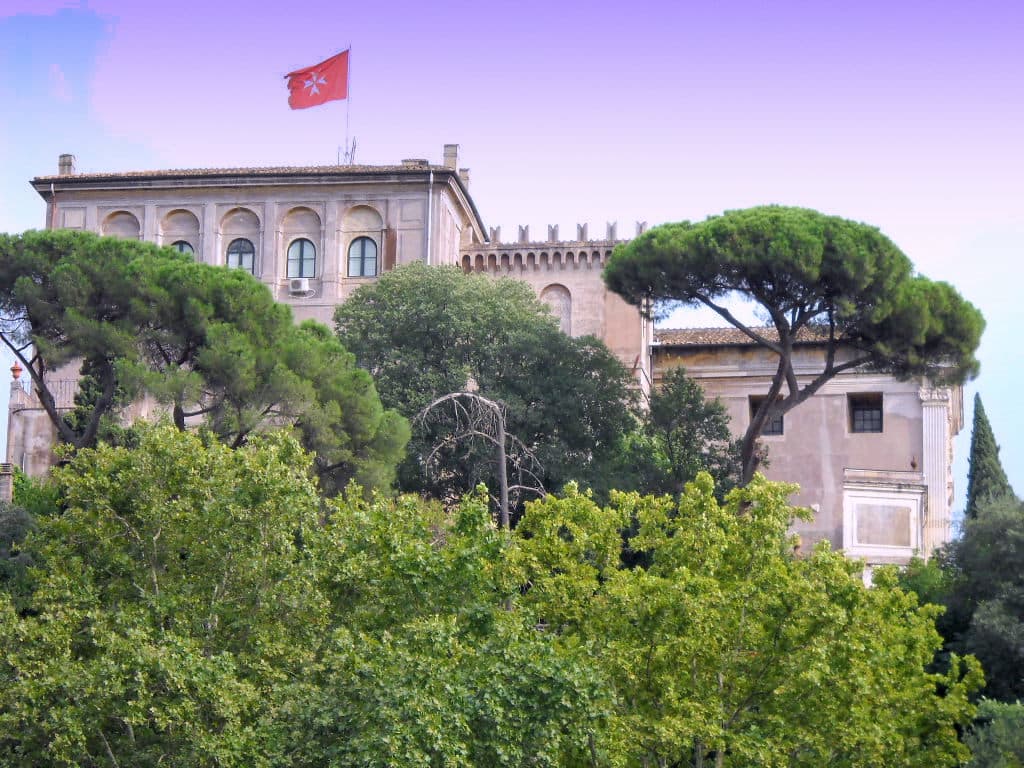 Villa del Priorato di MaltaThe most famous keyhole in the world: an ordinary green door on the Aventine Hil23 minutes walk4.1
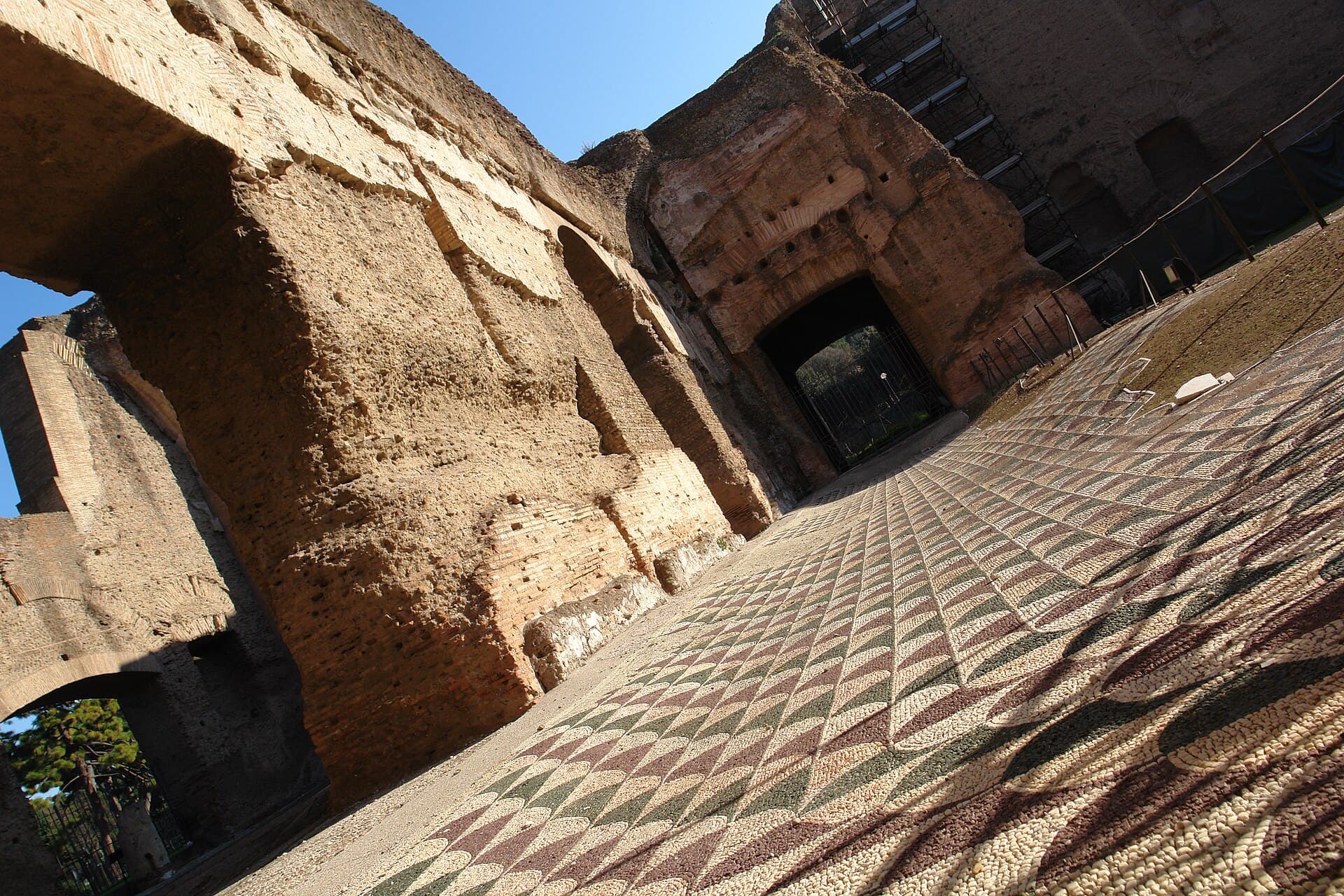 Baths of CaracallaThe largest surviving piece of ordinary Roman life: a bath complex built by the 23 minutes walk4.7
On a first three-day visit, no. But if this is your fourth or fifth trip, or you want something genuinely different and quiet, it is one of Rome's best options.