
Egypt in the wall
A true pyramid fused into Rome's walls — an era's mania preserved.
Livioandronico2013 — CC BY-SA 4.0 · Chabe01 — CC BY-SA 4.0 · Livioandronico2013 — CC BY-SA 4.0 · Livioandronico2013 — CC BY-SA 4.0
Rome holds a genuine Egyptian pyramid: the rich magistrate Gaius Cestius built it as his tomb (c. 12 BC) at the peak of Rome's Egypt mania after Cleopatra's kingdom was annexed — thirty-six metres of concrete sheathed in white marble at an angle sharper than Giza's, finished in 330 days as its inscription boasts — then saved from the quarrymen's fate by absorption into the Aurelian wall, leaving it nearly Rome's most complete ancient building. Its rear neighbour outshines it among the knowing: the Non-Catholic Cemetery — "the world's most beautiful burial ground" of cypress and cats — where Shelley's heart rests, Keats lies nameless ("whose name was writ in water") and Gramsci too: a romantic contemplation garden on token donation, worth its half hour. The pyramid shows whole from street and square — its interior on rare bookable tours.
A true pyramid fused into Rome's walls — an era's mania preserved.
Keats and Shelley amid cypress and cats — the loveliest garden of rest.
Piazzale Ostiense, 00153 Rome
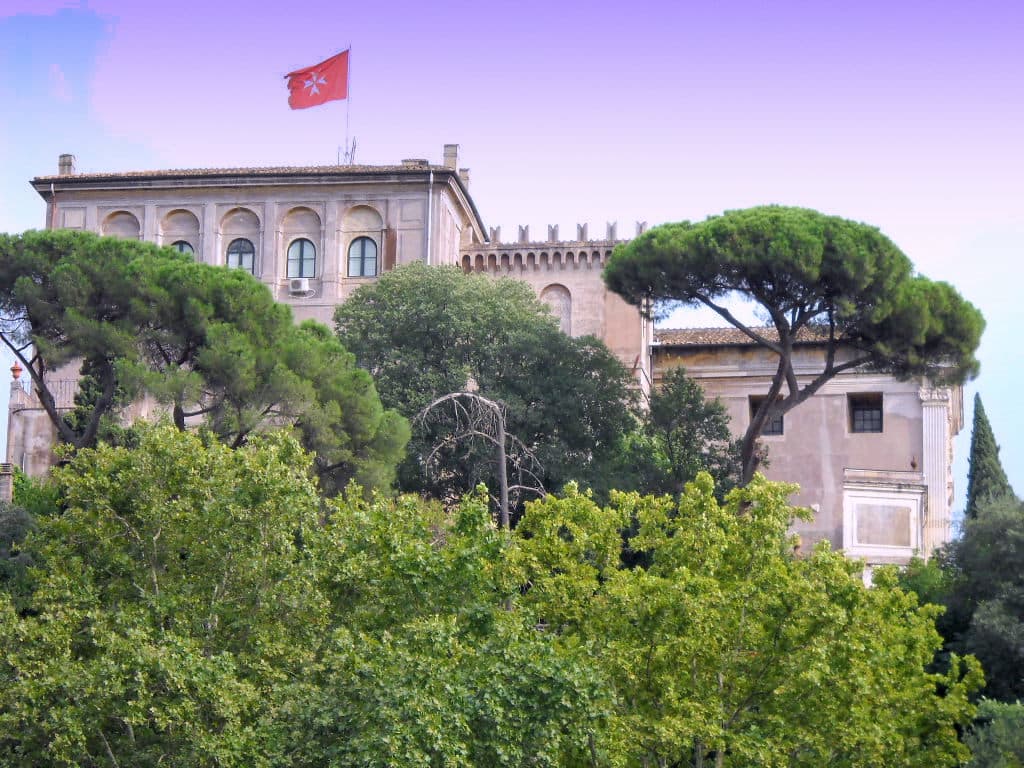 Villa del Priorato di MaltaThe most famous keyhole in the world: an ordinary green door on the Aventine Hil11 minutes walk4.1
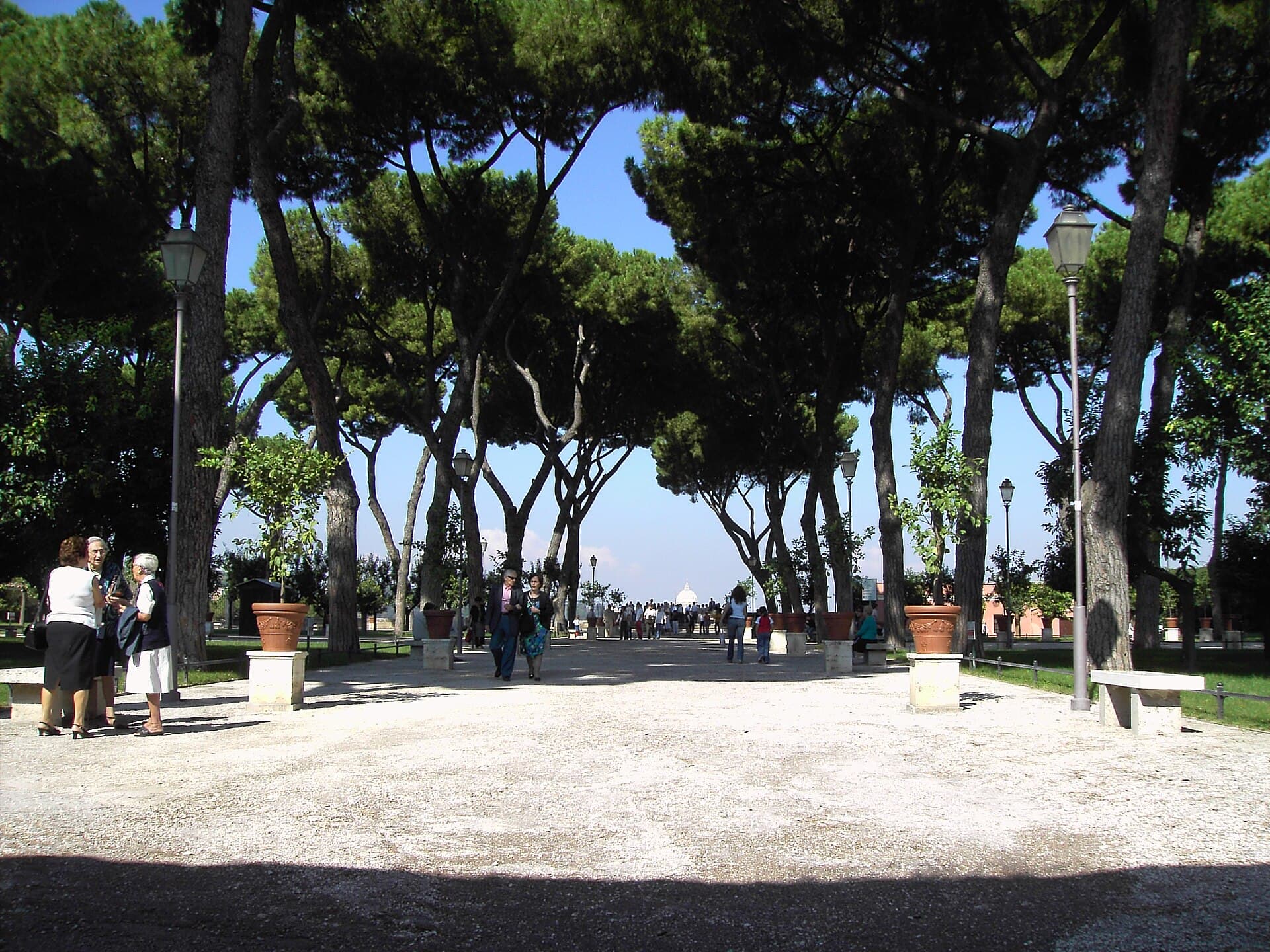 Giardino degli Aranci (Orange Garden)One of Rome's best free views asks nothing of you: no ticket, no booking, no que12 minutes walk4.6
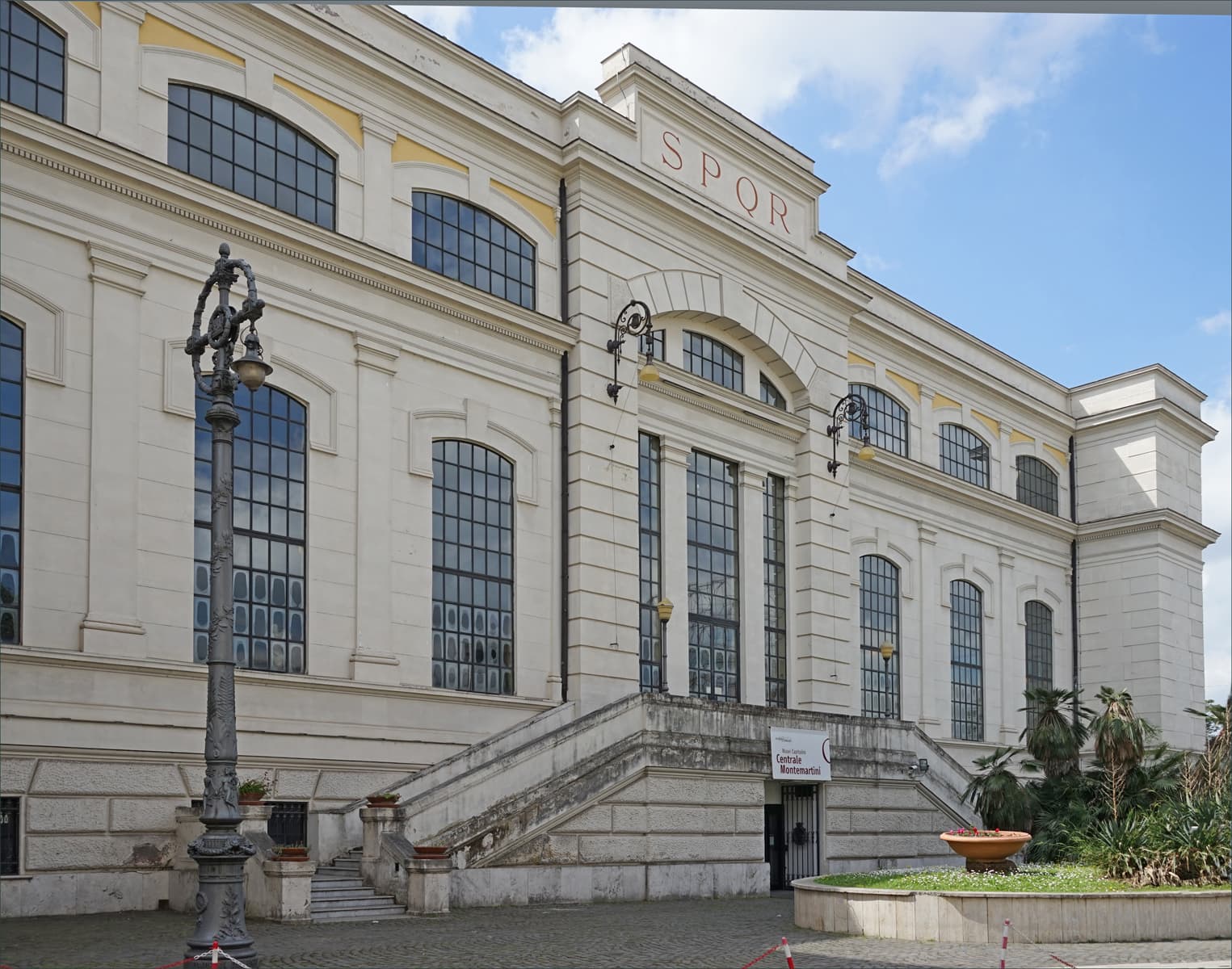 Centrale MontemartiniRome's first public power station (1912), converted into a museum of Roman sculp13 minutes walk4.8
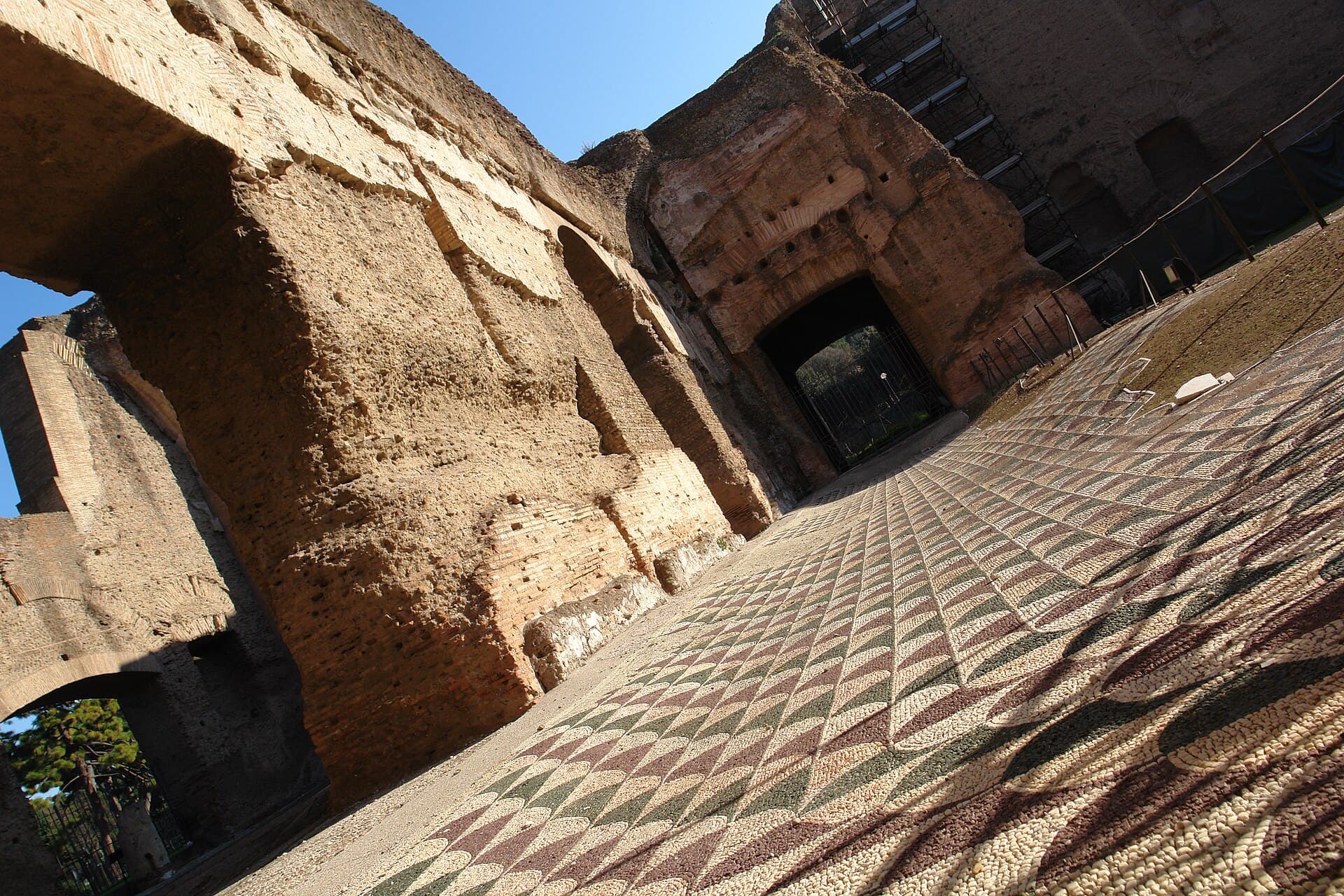 Baths of CaracallaThe largest surviving piece of ordinary Roman life: a bath complex built by the 14 minutes walk4.7
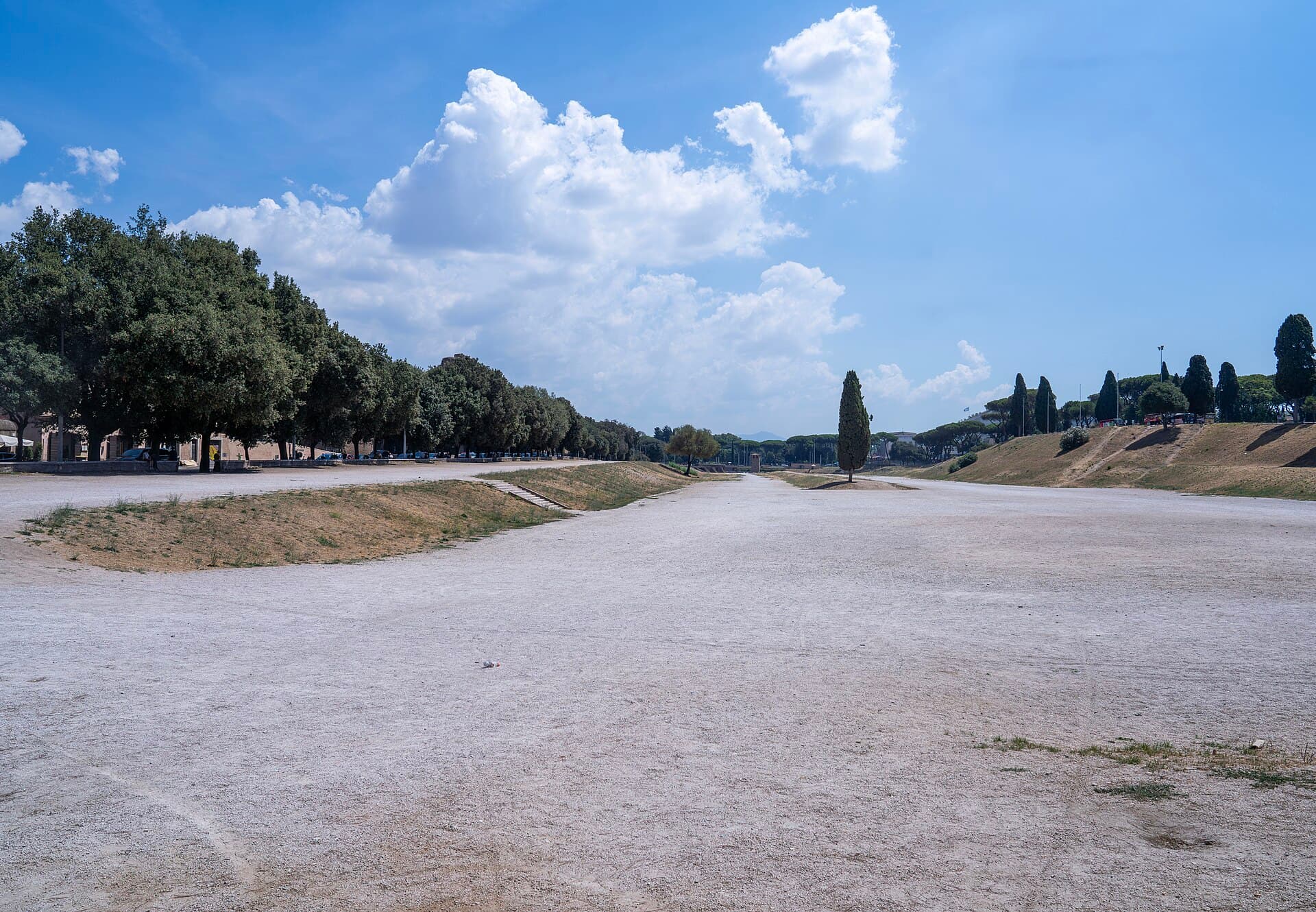 Circus MaximusThe largest stadium in history: a long valley between the Palatine and Aventine 14 minutes walk4.6
Pure imperial fashion: Egypt fell (30 BC) and Rome was swept by its obelisks, gods and styles — the rich competing in Egyptian tombs. Cestius's inscription records office, will and the 330 building days — silent on the shape's why: his era's obviousness needed no note. Rome's other pyramids went to the quarries — the wall's prisoner survived.