
The scale of the halls
Thirty-metre walls and arches open to the sky — you feel imperial Rome's scale here more than anywhere else.
Pascal Reusch — CC BY-SA 3.0 · Ethan Doyle White — CC BY-SA 4.0 · Paolo Villa — CC BY-SA 4.0 · Paolo Villa — CC BY-SA 4.0
The largest surviving piece of ordinary Roman life: a bath complex built by the emperor Caracalla in AD 216 for 1,600 bathers at once — not a bathhouse but a social club with two libraries, exercise yards, gardens and shops, all free to citizens at the state's expense. What remains today is thirty-metre brick walls and vast arches open to the sky, with mosaic floors showing black-and-white geometry. It takes imagination — but the scale alone does the work: you stand in a hall that was once domed and sheathed in coloured marble and statues, and grasp that the emperors built not for an elite but for everyone. The practical advantage: the site is huge and nearly crowd-free even in season, and among the cheapest major archaeological sites in Rome. In summer it becomes an open-air opera stage — Opera di Roma performances among the ruins are something people plan trips around.
Thirty-metre walls and arches open to the sky — you feel imperial Rome's scale here more than anywhere else.
Broad expanses of black-and-white geometric mosaic still in place, under open sky.
An open-air stage among the ruins in July and August — Aida or Tosca against an 1,800-year-old Roman backdrop.
Viale delle Terme di Caracalla, Rome
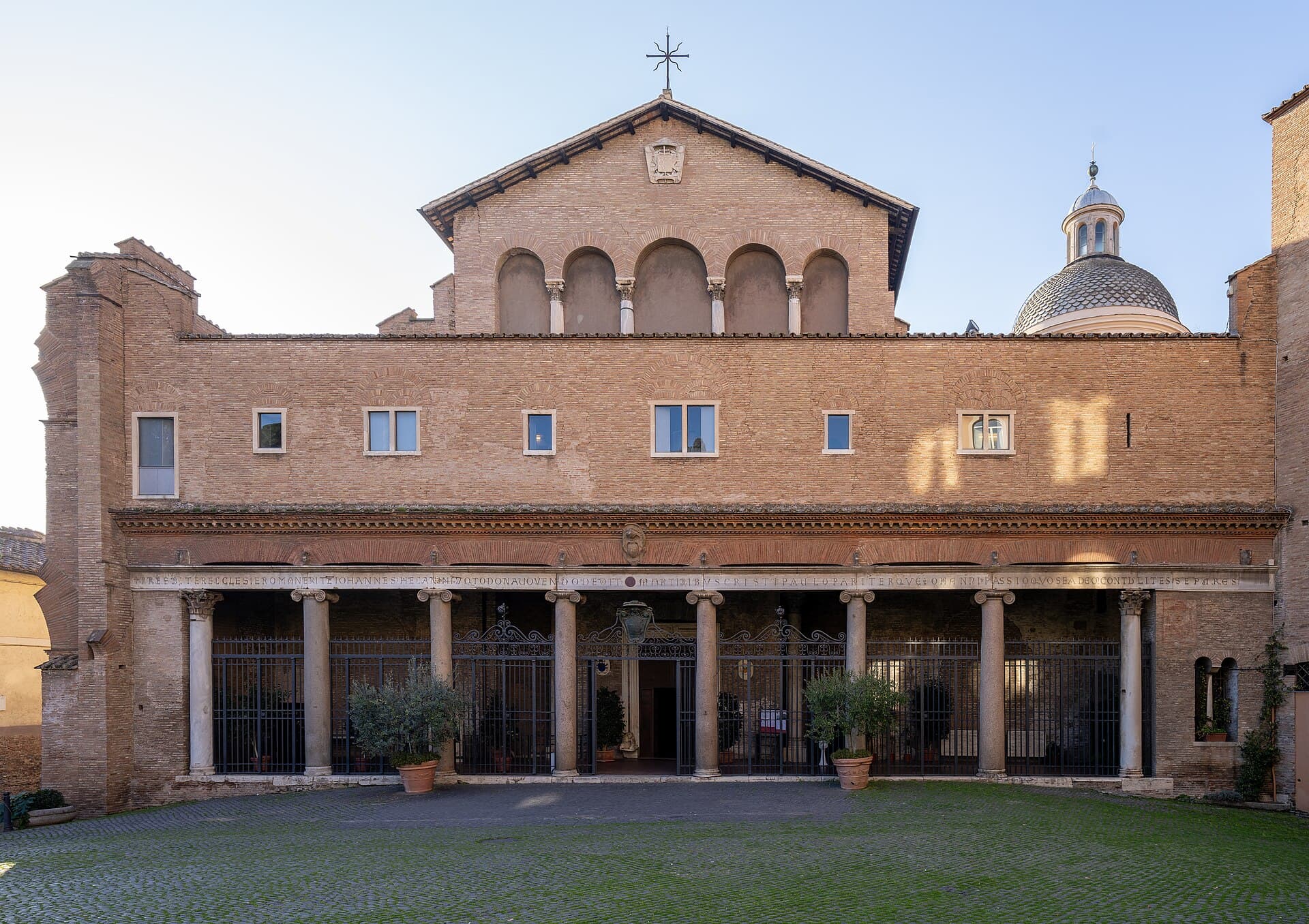 Case Romane del Celio (Roman Houses of the Caelian)In 1887 a priest named Germano, rector of the church of Santi Giovanni e Paolo o8 minutes walk4.6
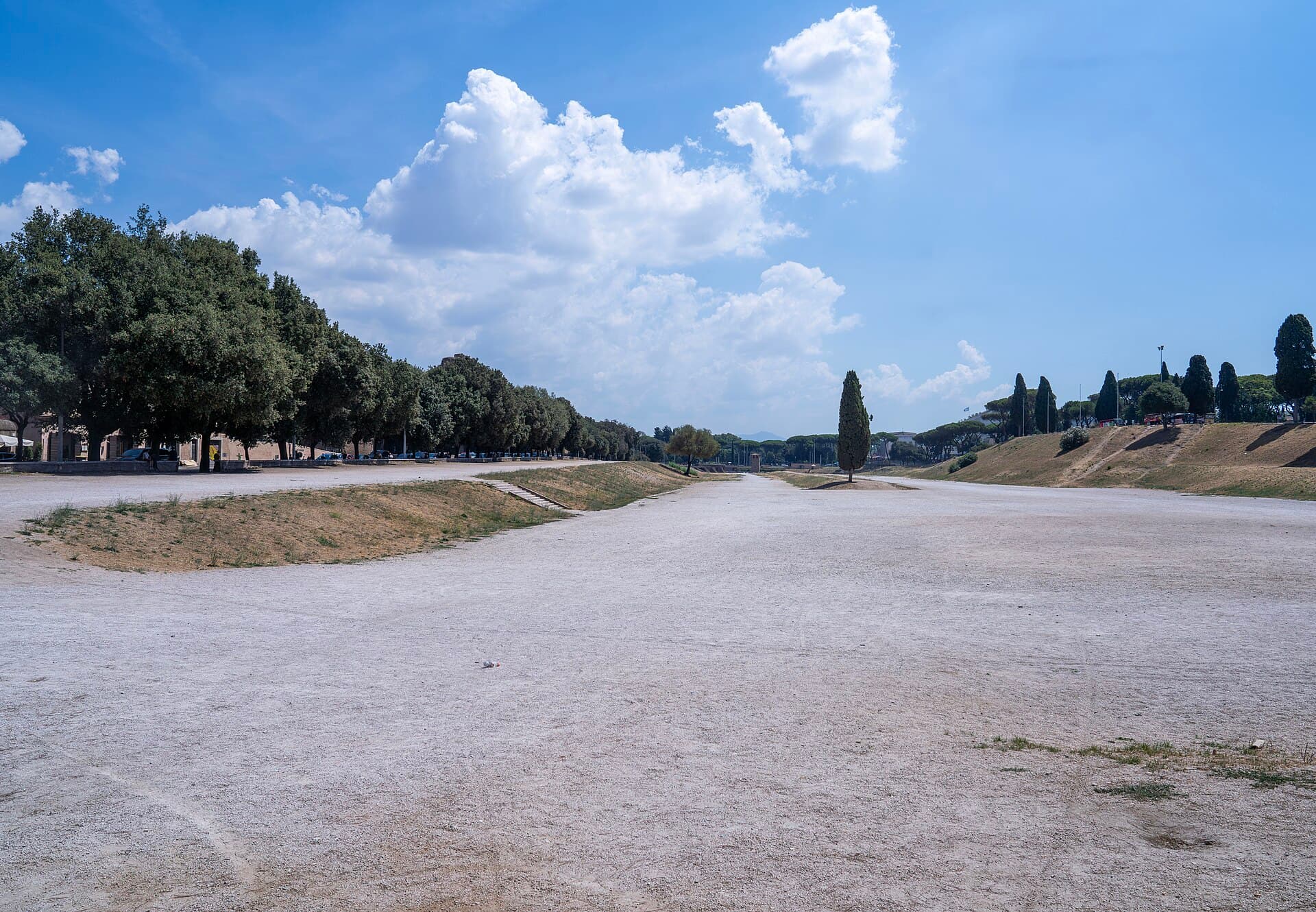 Circus MaximusThe largest stadium in history: a long valley between the Palatine and Aventine 11 minutes walk4.6
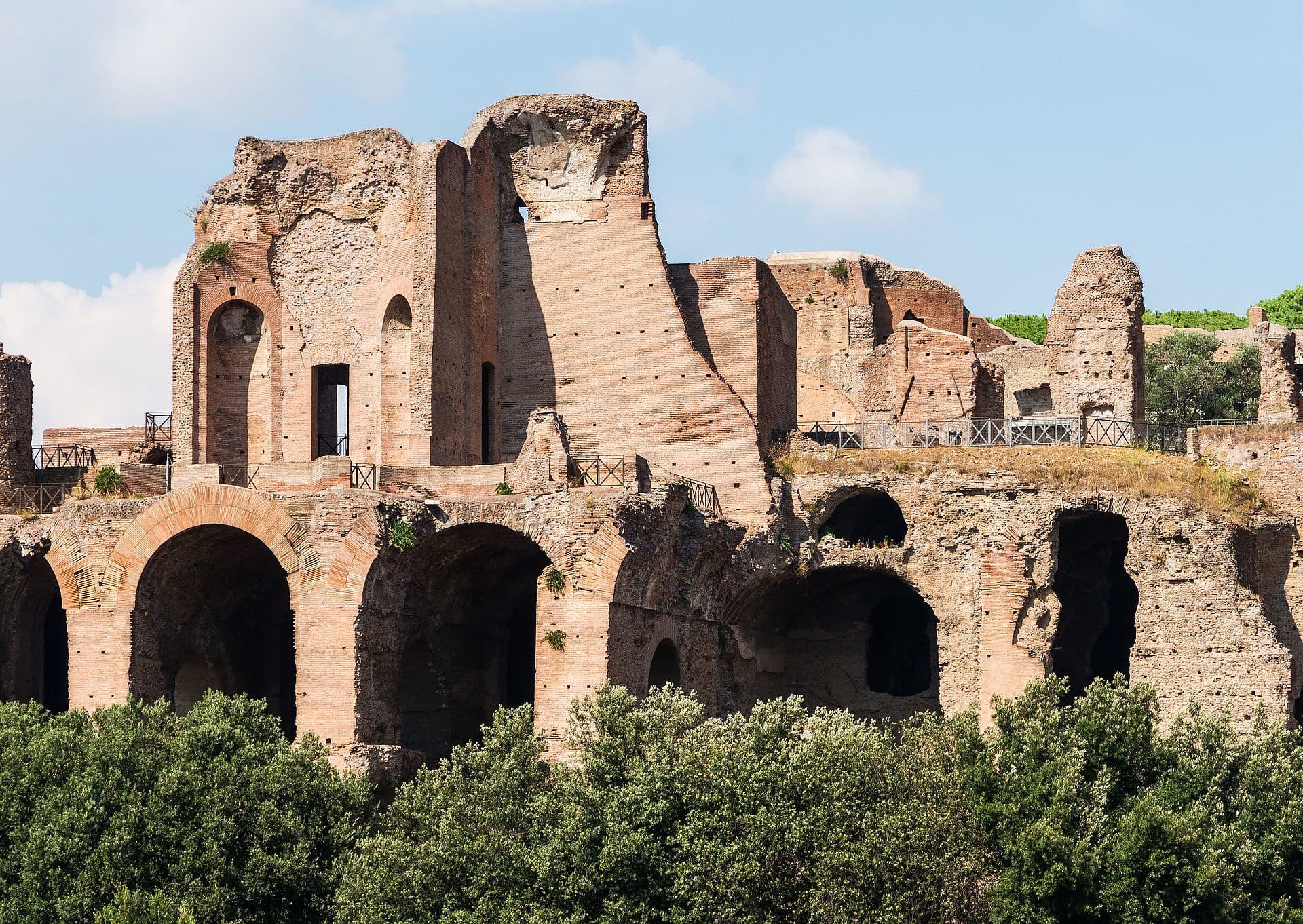 Palatine HillAll of Rome began on this hill: here, by legend, Romulus founded the city in 75313 minutes walk4.6
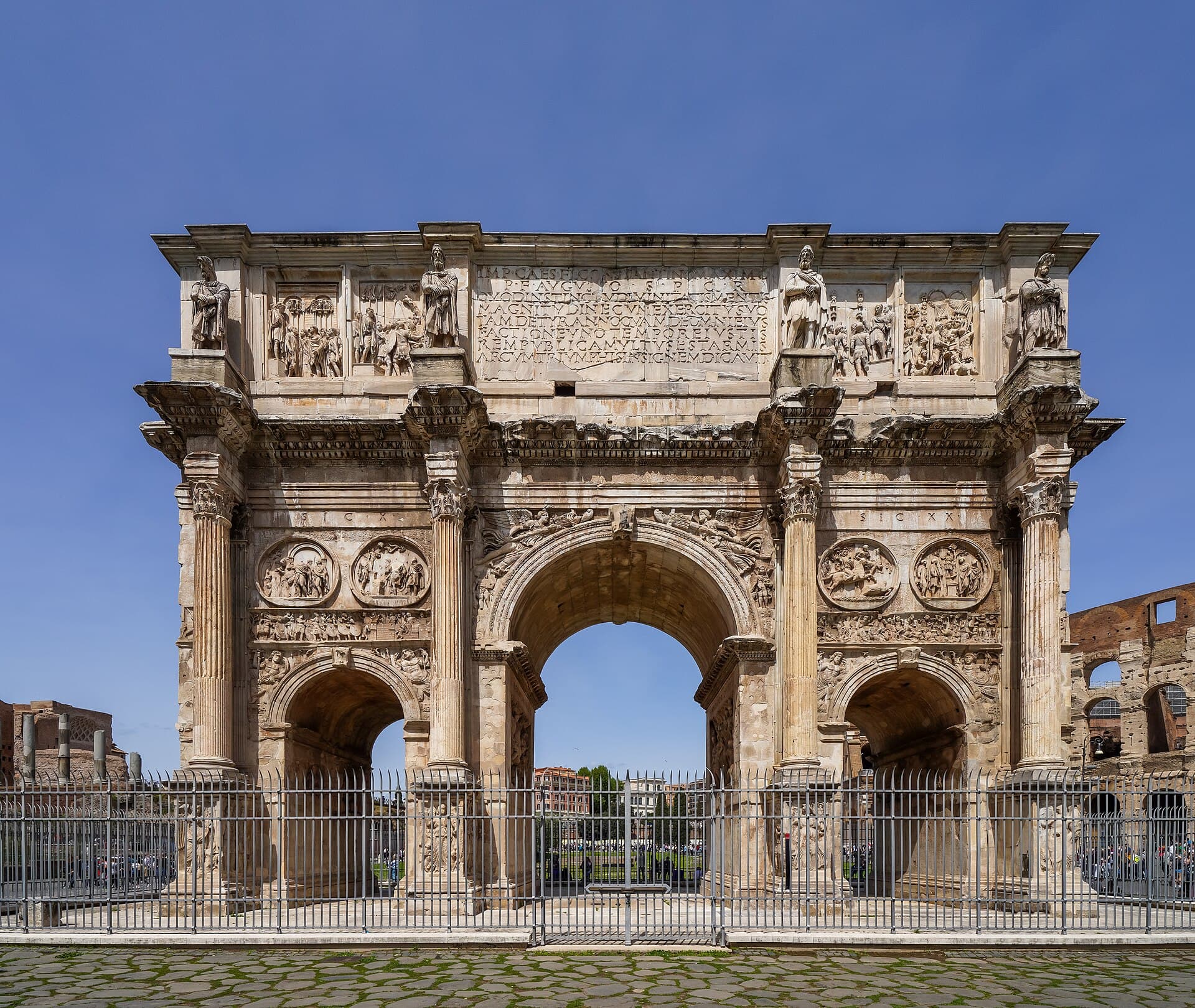 Arch of ConstantineThe largest and most complete surviving Roman triumphal arch: twenty-one metres 13 minutes walk4.7
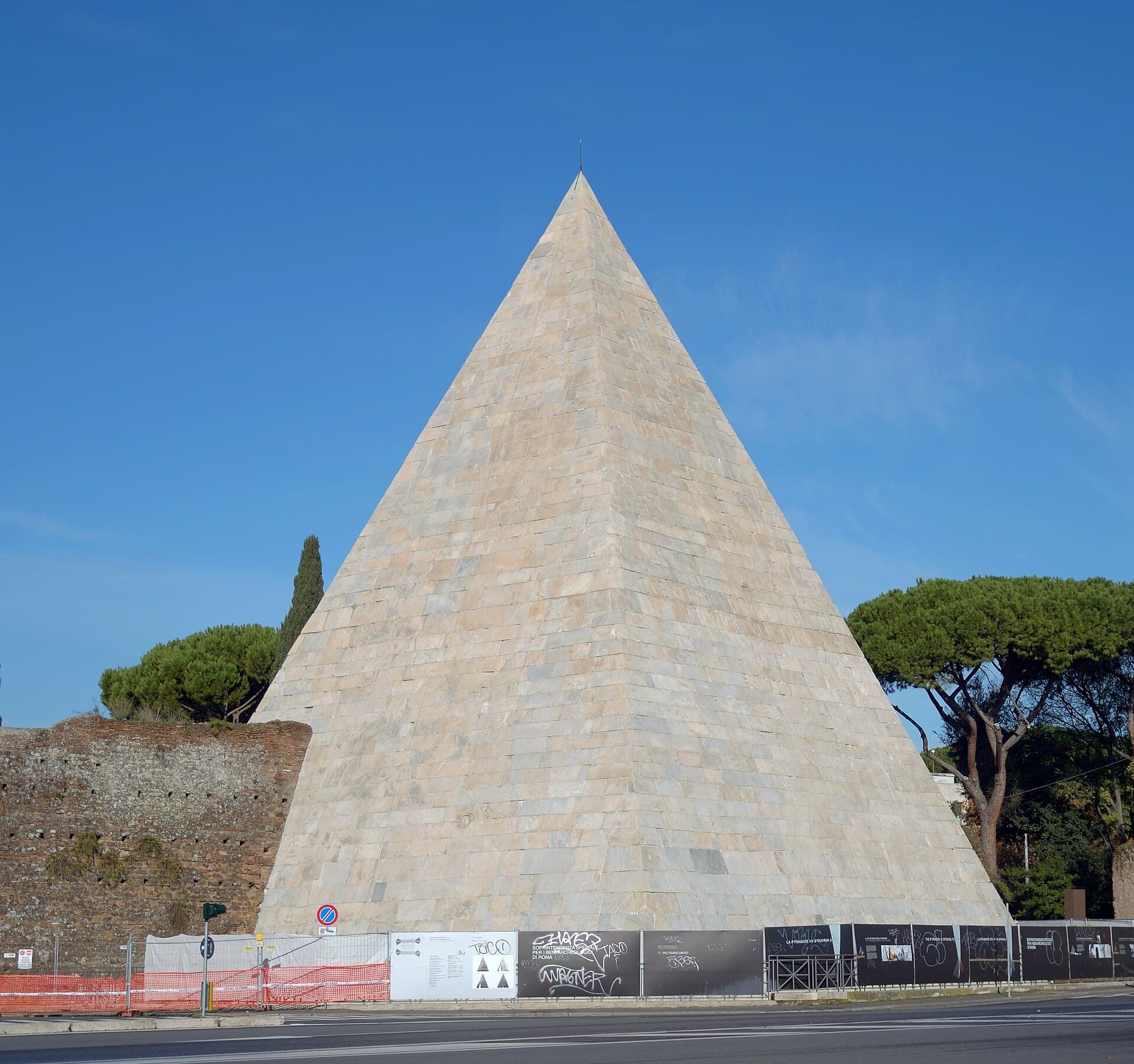 The Pyramid of CestiusRome holds a genuine Egyptian pyramid: the rich magistrate Gaius Cestius built i14 minutes walk4.4
With three days or more, yes: a completely different experience — emptiness and quiet instead of crowds, daily life instead of politics and battles. With only two days in Rome, skip it.
The season runs July–August with tickets released in spring via the Opera di Roma site — book early and bring a light layer; Roman evenings cool after midnight.