
The Megaprocessor
A ten-metre working microprocessor built from discrete transistors and ten thousand LEDs, running Tetris so you can watch it think.
DeFacto — CC BY-SA 4.0 · Matt Seymour — CC BY-SA 2.0 · Matt Seymour — CC BY-SA 2.0 · Mike Rosenberg — CC BY 2.0
In an unlovely industrial unit on the eastern edge of Cambridge stands a microprocessor you can walk alongside. The Megaprocessor is a complete working processor built from some forty thousand individual transistors, ten metres long and two high, with roughly ten thousand LEDs blinking as it computes; to prove it works, it plays Tetris on its own built-in LED panel. What happens inside your phone in a billionth of a second happens here at a speed you can follow. That alone justifies the bus ride out. The reason families stay two hours rather than one, though, is that nearly everything is switched on and yours to touch. Rows of 1980s home computers actually run: BBC Micros, ZX Spectrums, early Sega and Nintendo consoles, plus a corner of old arcade cabinets. The rule is simple: anything lit up may be played, so long as keyboards and joysticks are treated gently. The museum is an independent not-for-profit, founded by enthusiasts in 2007 and settled here since 2013, holding one of the largest video-game collections anywhere at over 13,000 titles, alongside hundreds of historic machines that tell the story from room-sized computers to the PC. Cambridge's share of that story is considerable. Practically: the whole museum sits on one level with no steps and a short ramp at the door, so pushchairs and wheelchairs move freely, and parking outside is free, which matters if you have driven to Cambridge in a hire car, since parking in the centre is misery. From the railway station it is about two kilometres, a 25-minute walk or a short bus to Newmarket Road; the Beehive retail park is five minutes away. No advance booking except for events. Adults pay £12, children aged 5 to 16 £8, students and over-60s £10, a family of two adults and two children £34, under-fives go free. The cafe does drinks and snacks only. There is no air conditioning, noticeable on the rare hot summer day. Hours follow the school calendar: Wednesday to Sunday in term time, every day in the school holidays, 10:00 to 17:00 with last entry at 16:15, closed over Christmas, and an early 15:00 close in the winter months. The real value is for anyone with children aged roughly 6 to 14, or anyone who wants to see their own digital childhood glowing on a cathode-ray tube again. If you are in Cambridge for a single day of colleges and river, skip it without guilt; the building says nothing from the outside.
A ten-metre working microprocessor built from discrete transistors and ten thousand LEDs, running Tetris so you can watch it think.
Rows of 1980s home computers, early Sega and Nintendo consoles and arcade cabinets, and anything switched on is fair game.
One step-free floor, pushchairs roll straight through, free parking at the door and a baby-change toilet.
Rene Court, Coldhams Road, Cambridge CB1 3EW
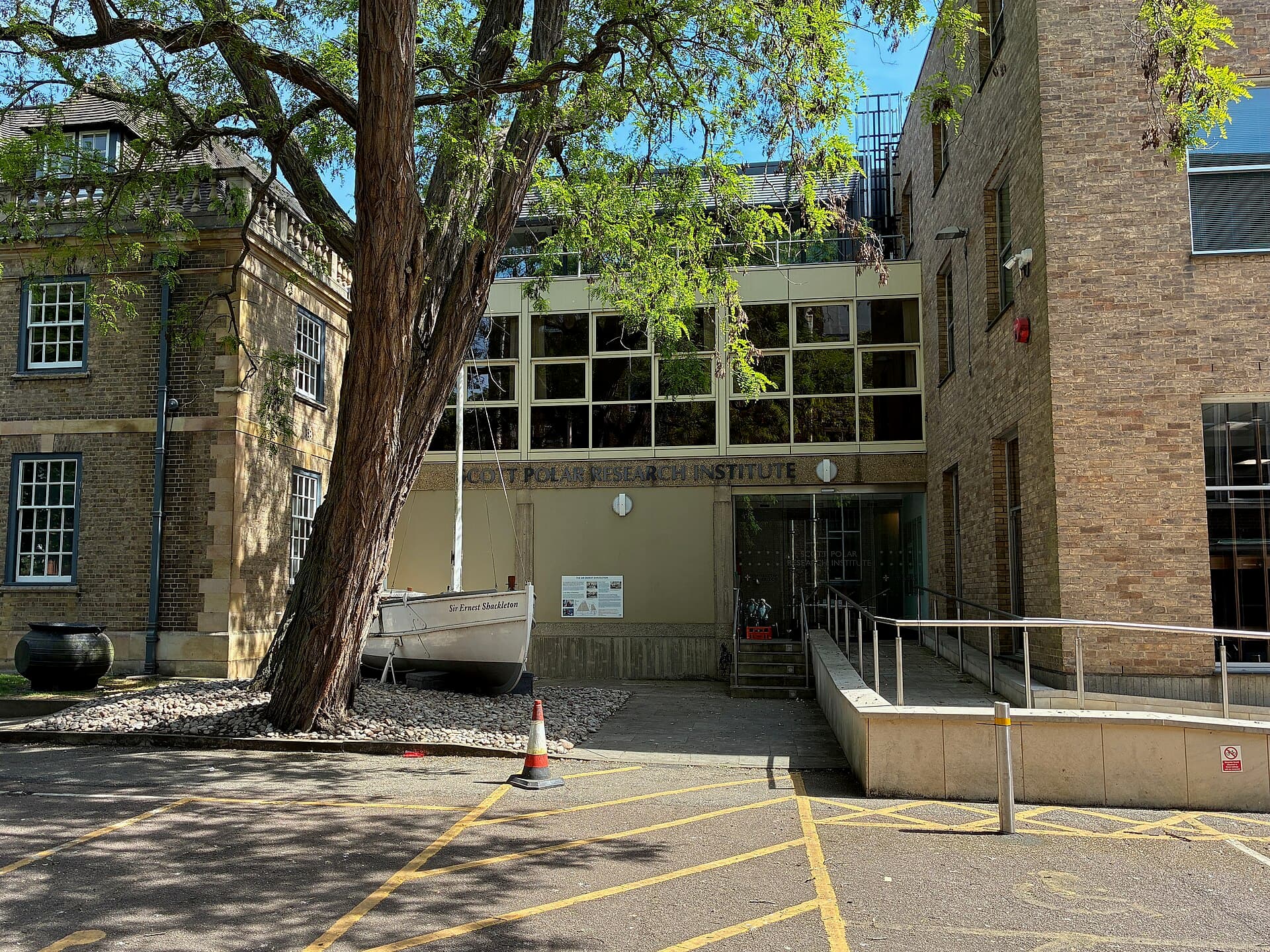 The Polar MuseumIn a tent on the Antarctic ice in March 1912, days from death, Captain Robert Fa24 minutes walk4.7
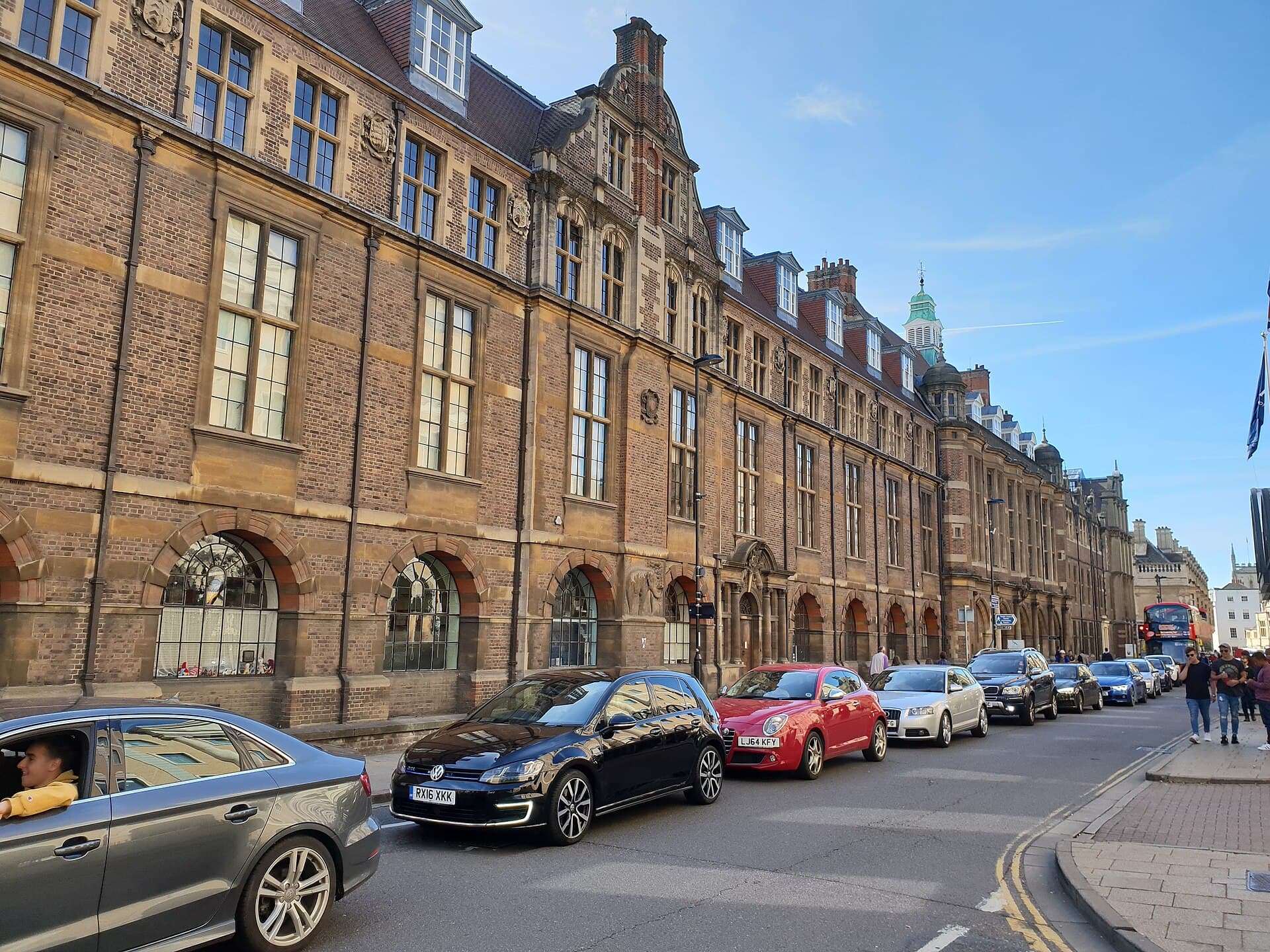 Sedgwick Museum of Earth SciencesAt the top of a grand double stone staircase, guarded by carved bears on one sid24 minutes walk4.8
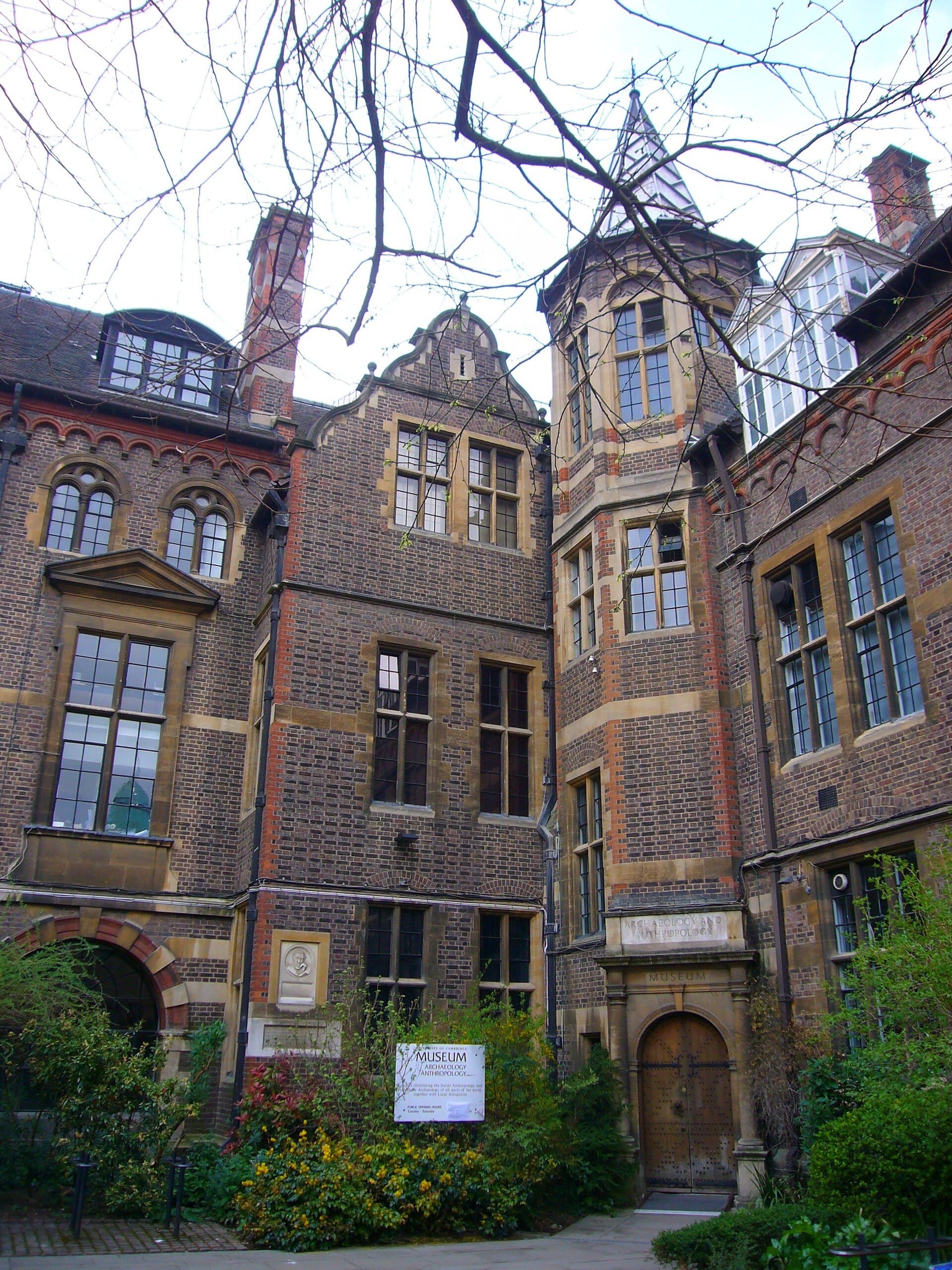 Museum of Archaeology and AnthropologyA fourteen-metre cedar totem pole, carved by the Haida people of Haida Gwaii off25 minutes walk4.6
Honestly no, unless you have children who tire of colleges quickly. The museum sits on an industrial estate on the edge of town, 25 minutes on foot from the station, and needs two hours to do it justice. Staying two nights or driving a hire car, it is an excellent reward after a morning of colleges; a day-tripper should stay by the river.
The sweet spot is roughly 6 to 14: old enough to get the games, enjoy the arcade corner and try simple coding on the vintage machines. Under-fives poke at buttons for a while and then fade, but they enter free so nothing is lost. Tech-minded teenagers will leave happier than from any chapel in town.