
Scott's last letters
Handwritten letters Captain Scott composed in his tent on the ice, days before he died in 1912.
Chris Holifield — CC BY-SA 2.0 · Mihai Olaru — CC BY-SA 4.0 · Richard Humphrey — CC BY-SA 2.0 · JThomas — CC BY-SA 2.0
In a tent on the Antarctic ice in March 1912, days from death, Captain Robert Falcon Scott wrote his last letters to his wife, his mother and his friends, asking that the people waiting at home not be left unprovided for. Some of those letters, in his own handwriting, are displayed today in a quiet gallery on Lensfield Road, south of Cambridge's centre, and they alone give the Polar Museum far more weight than its modest size suggests. The whole museum is the ground floor of the Scott Polar Research Institute, founded in 1920 as the national memorial to Scott and his four companions and still a working department of the University of Cambridge. A bronze bust of Scott, made by his widow Kathleen in 1934, looks down from above the entrance. The displays follow the so-called 'heroic age' of Antarctic exploration: sledges, fur clothing and kit from the Scott and Shackleton expeditions, then swing north to the long, grim search for Franklin's lost Arctic expedition and a striking collection of Inuit art and clothing stitched from sealskin and animal gut. The final section jumps to the present, showing how the Institute's scientists measure melting ice and the effects of a warming climate. The museum reopened after a full refit in 2010 and was shortlisted for the Art Fund Prize, the UK's museum of the year award, in 2011, which explains a standard of display you would not expect from a two-room museum. Be clear about the scale: one main gallery, one for temporary exhibitions, and that is it. Forty-five minutes is enough; an hour if you read the labels and linger over 'Polar Panoramas', John Kelly's drawings and paintings, showing until mid-January 2027. Admission is free with no booking, Tuesday to Saturday 10:00 to 16:00, closed Sunday and Monday and occasionally for university holidays, so check the website before setting out. There is no cafe, no lunch room and nowhere to hang bags and coats. For families: the entrance has three steps with a ramp round the side for pushchairs, there is one accessible toilet, and children of seven and up get far more from the sledges, dogs and heroism than toddlers do. It is a 10 to 15 minute walk from Cambridge railway station and five minutes from the Fitzwilliam Museum, so the smart plan is to make it the second stop on a wet morning after the Fitzwilliam, or a warm refuge on a short-lit winter afternoon. If the children need something livelier, punting on the Cam or the whale skeleton at the nearby Museum of Zoology will do that job better.
Handwritten letters Captain Scott composed in his tent on the ice, days before he died in 1912.
Genuine sledges, fur clothing and gear from the Scott and Shackleton Antarctic expeditions.
Sealskin garments and carvings that tell the Arctic's own story, away from the explorers' tales.
Lensfield Road, Cambridge CB2 1ER
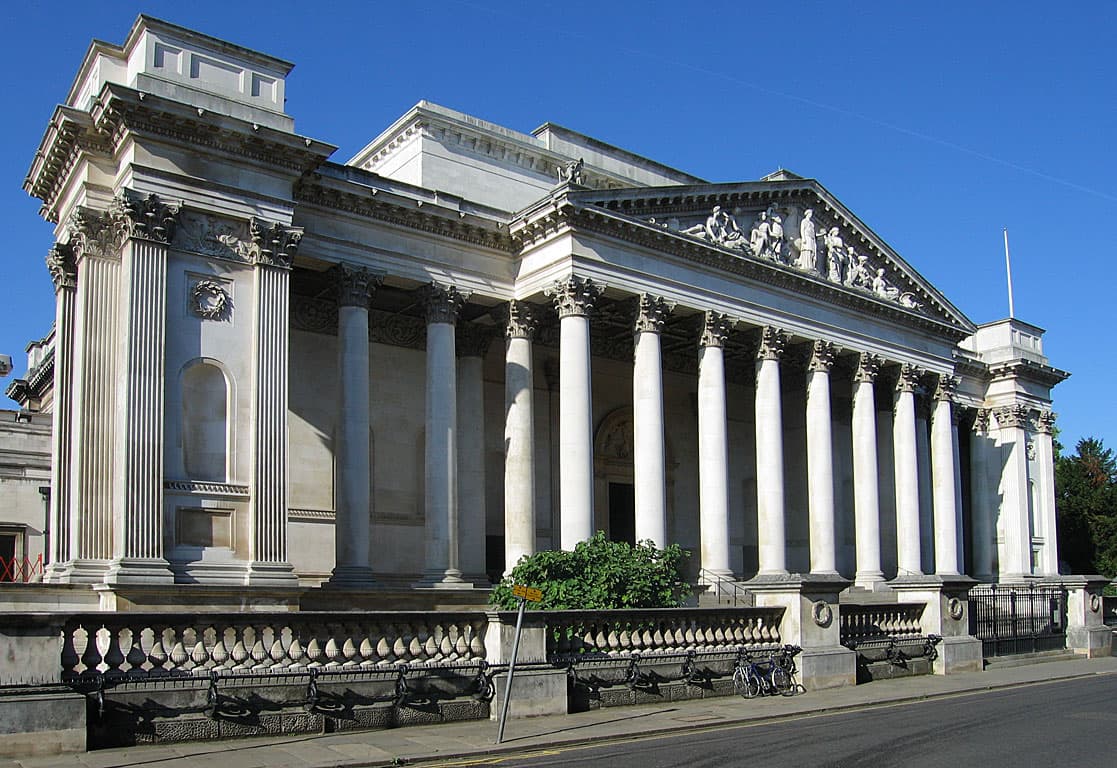 Fitzwilliam MuseumWalk in through the main door and you are under a gilded ceiling held up by marb6 minutes walk4.8
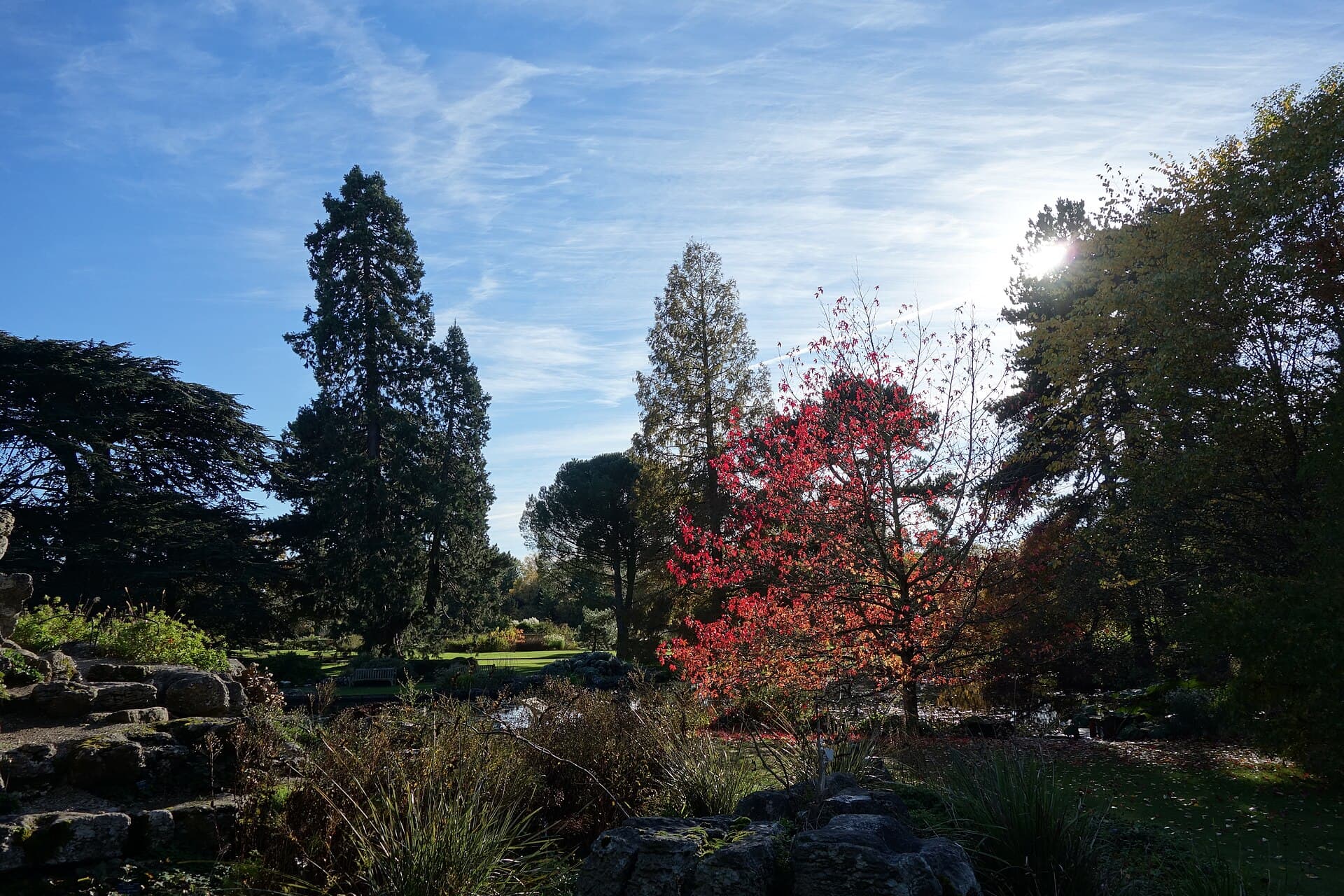 Cambridge University Botanic GardenThe man who taught Darwin his botany is the reason this garden exists. John Stev7 minutes walk4.8
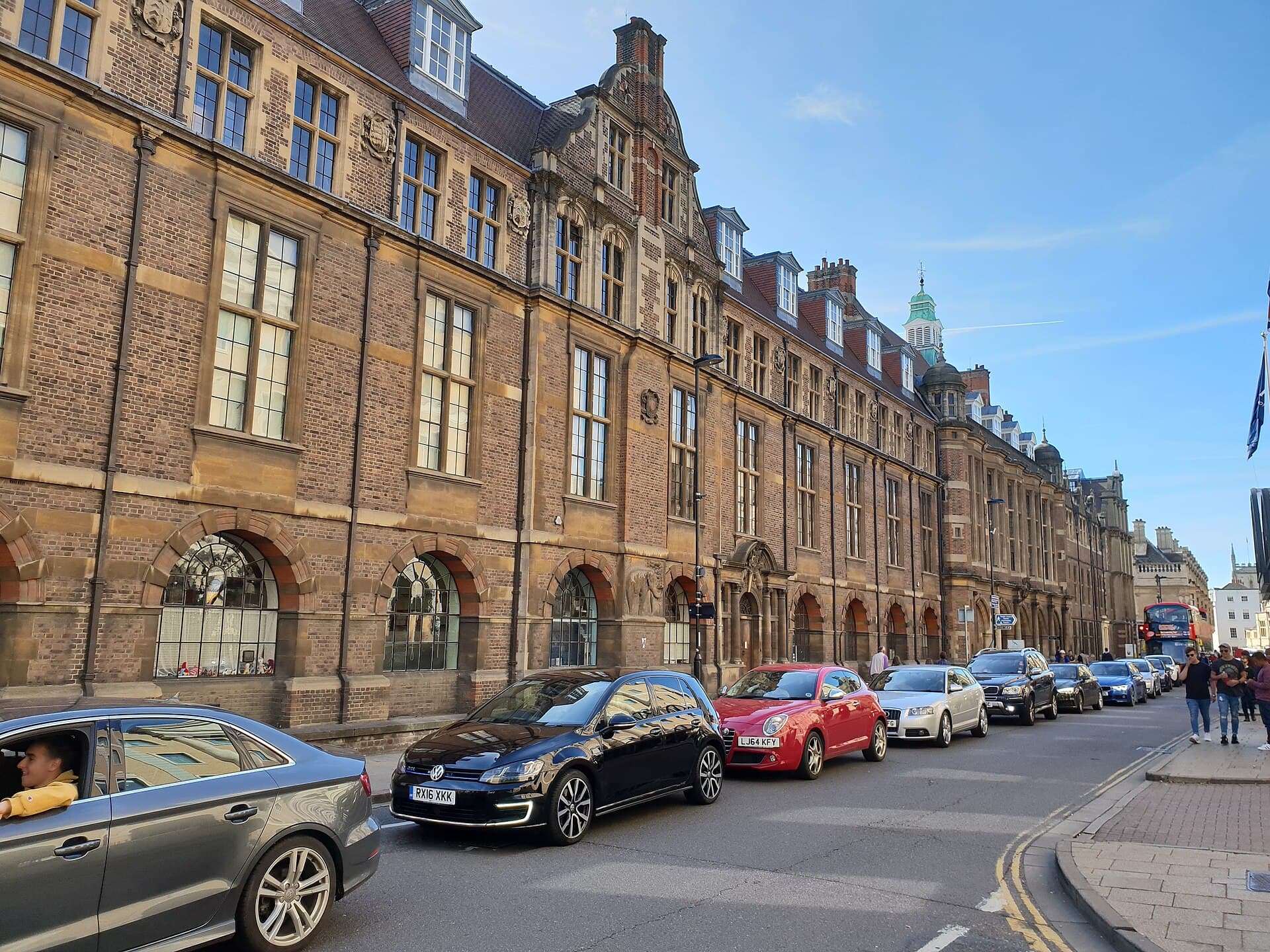 Sedgwick Museum of Earth SciencesAt the top of a grand double stone staircase, guarded by carved bears on one sid7 minutes walk4.8
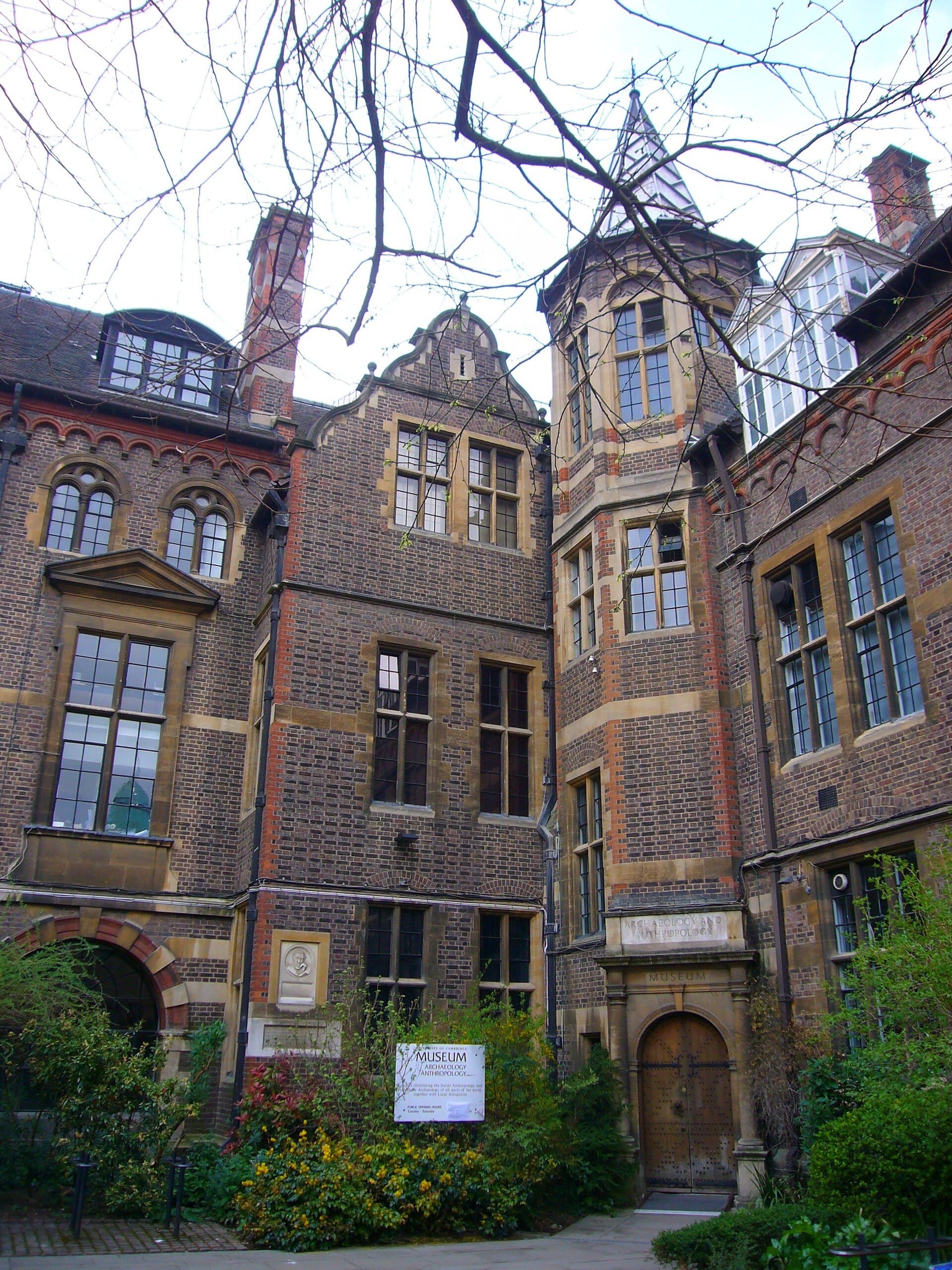 Museum of Archaeology and AnthropologyA fourteen-metre cedar totem pole, carved by the Haida people of Haida Gwaii off7 minutes walk4.6
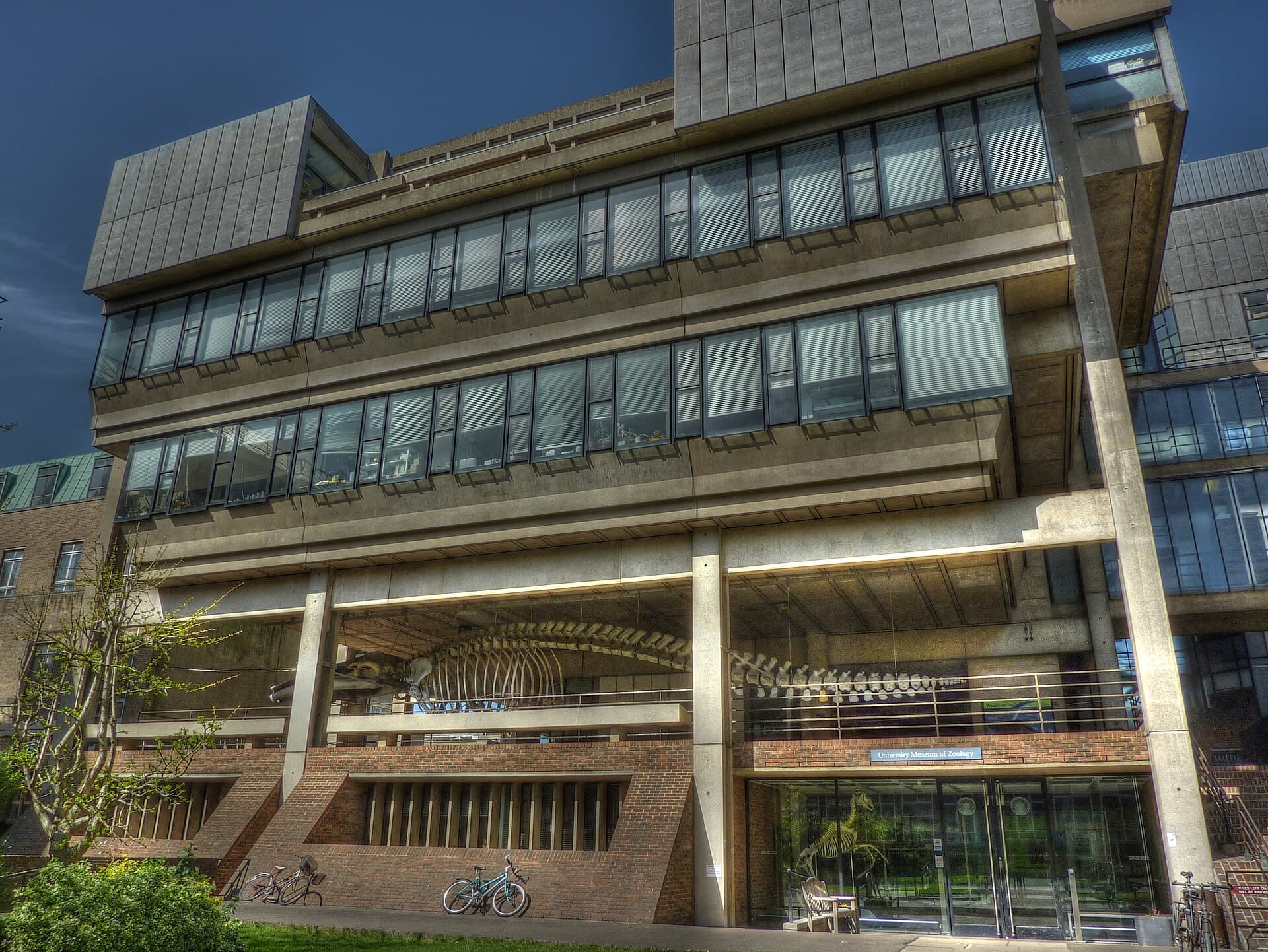 Museum of ZoologyA fin whale skeleton more than 21 metres long hangs over your head before you ha8 minutes walk4.8
Probably not. With half a day your priorities are King's College, punting on the Cam and the Fitzwilliam Museum. The Polar Museum is for visitors with a full day or more, or for anyone caught in the rain five minutes away at the Fitzwilliam; it is free and takes only 45 minutes.
Children from about seven engage with the sledges, dogs and survival stories; younger ones get bored quickly because the objects are behind glass and reading matters. There is a side ramp for pushchairs, and the museum is so small that nobody will tire from walking.