
The Iguanodon at the door
A complete skeleton cast gifted by the King of Belgium in 1896, still reared up in the mistaken Victorian pose and the first thing children see.
Jwslubbock — CC BY-SA 4.0 · M J Richardson — CC BY-SA 2.0 · Rama — CC BY-SA 2.0 fr · Rama — CC BY-SA 2.0 fr
At the top of a grand double stone staircase, guarded by carved bears on one side and bison on the other, stands a complete cast of an Iguanodon skeleton given to the university by the King of Belgium in 1896. It rears up on its hind legs the way Victorian scientists imagined dinosaurs before the posture was corrected, and it is the first thing that greets you at the Sedgwick. The roots here go deeper than any other Cambridge university museum: a cabinet of specimens left to the university by the physician John Woodward in 1728, then swollen over half a century by the geologist Adam Sedgwick until it earned its own building, opened by King Edward VII in March 1904. The collection runs to roughly two million rocks, minerals and fossils, of which only a fraction is on show, but the fraction carries weight. Rocks and fossils Charles Darwin picked up himself on the voyage of the Beagle (the university holds around two thousand of them). Ichthyosaur skeletons bought from Mary Anning, the celebrated nineteenth-century fossil hunter. A hippopotamus skeleton pieced together from the bones of several animals dug out of the gravel pits at Barrington, a few miles outside Cambridge, from an age when these cold, damp fens were warm ground roamed by lions and hyenas. Add a towering Megatherium from South America and Victorian wooden cabinets crammed with crystals and minerals that modernisation has barely touched. A word of honesty: this is a single L-shaped floor with a few changes of level, no touchscreens, no effects, and anyone indifferent to rocks will be done in half an hour. Children, on the other hand, adore it; the dinosaur at the door and the big skeletons are enough, and the museum keeps activity sheets and gallery trails at the entrance. Admission is free with no booking, Monday to Friday 10:00 to 17:00, Saturday until 16:00, closed Sundays, Good Friday and over Christmas. The stone staircase at the entrance is a real obstacle for pushchairs; there is a lift in the adjoining Department of Earth Sciences, but it is narrow (a 69 cm door) and the museum asks you to phone ahead. The museum sits on the university's Downing Site, so pair it with the Museum of Zoology (a whale skeleton hangs in its entrance and its cafe is the only one on the site, since the Sedgwick has none) and the Museum of Archaeology and Anthropology, all three free and a few steps apart. The railway station is about a twenty-minute walk; drivers should use the Grand Arcade car park directly opposite, and the nearest public toilets are in the Lion Yard shopping centre, five minutes away on foot.
A complete skeleton cast gifted by the King of Belgium in 1896, still reared up in the mistaken Victorian pose and the first thing children see.
Specimens Charles Darwin collected himself on the Beagle voyage, from a holding of some two thousand pieces kept by the university.
An Ice Age skeleton assembled from bones dug up near Cambridge, from a time when the local fens were warm ground for lions and hyenas.
Downing Street, Cambridge CB2 3EQ
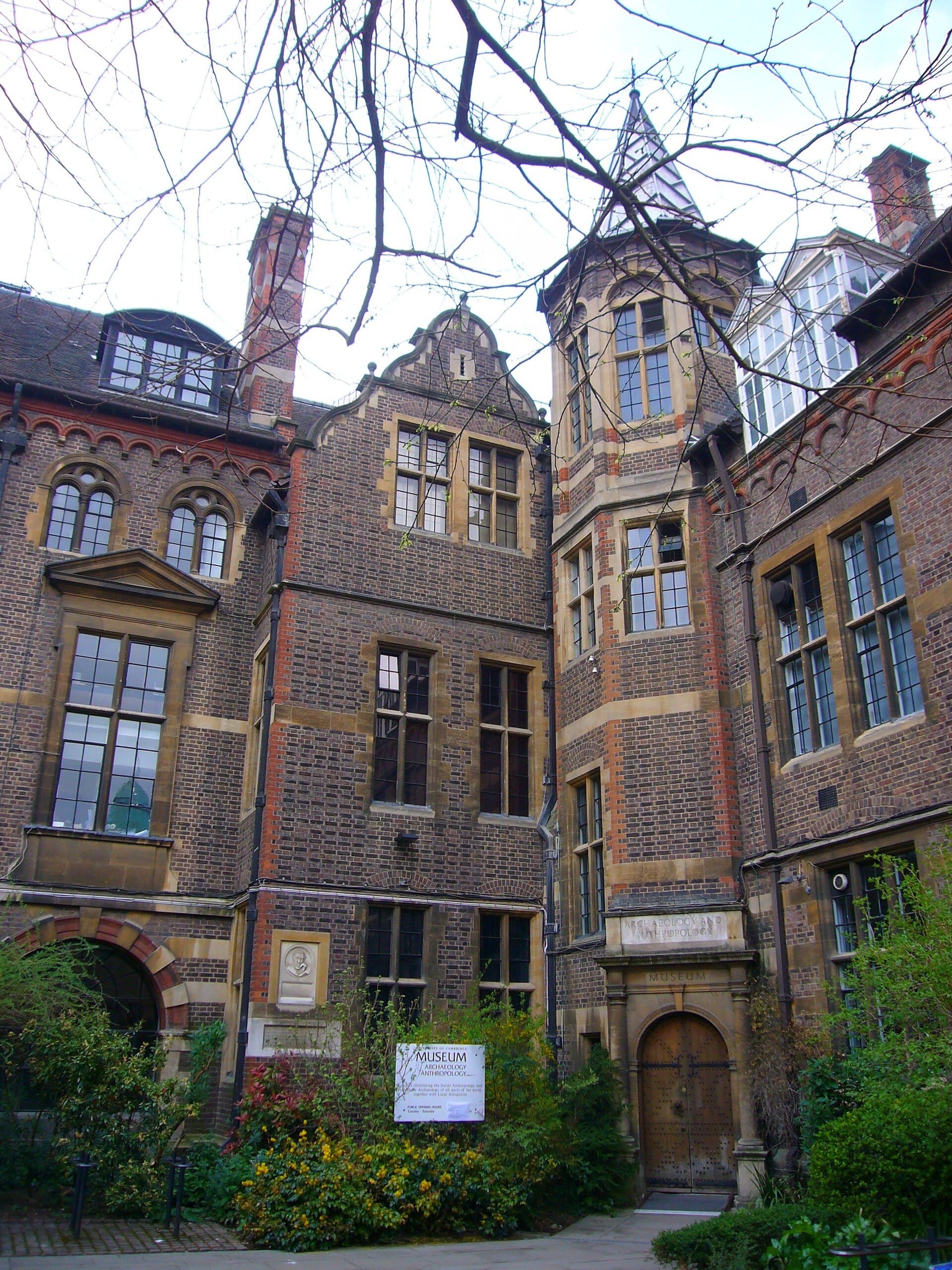 Museum of Archaeology and AnthropologyA fourteen-metre cedar totem pole, carved by the Haida people of Haida Gwaii off1 minute walk4.6
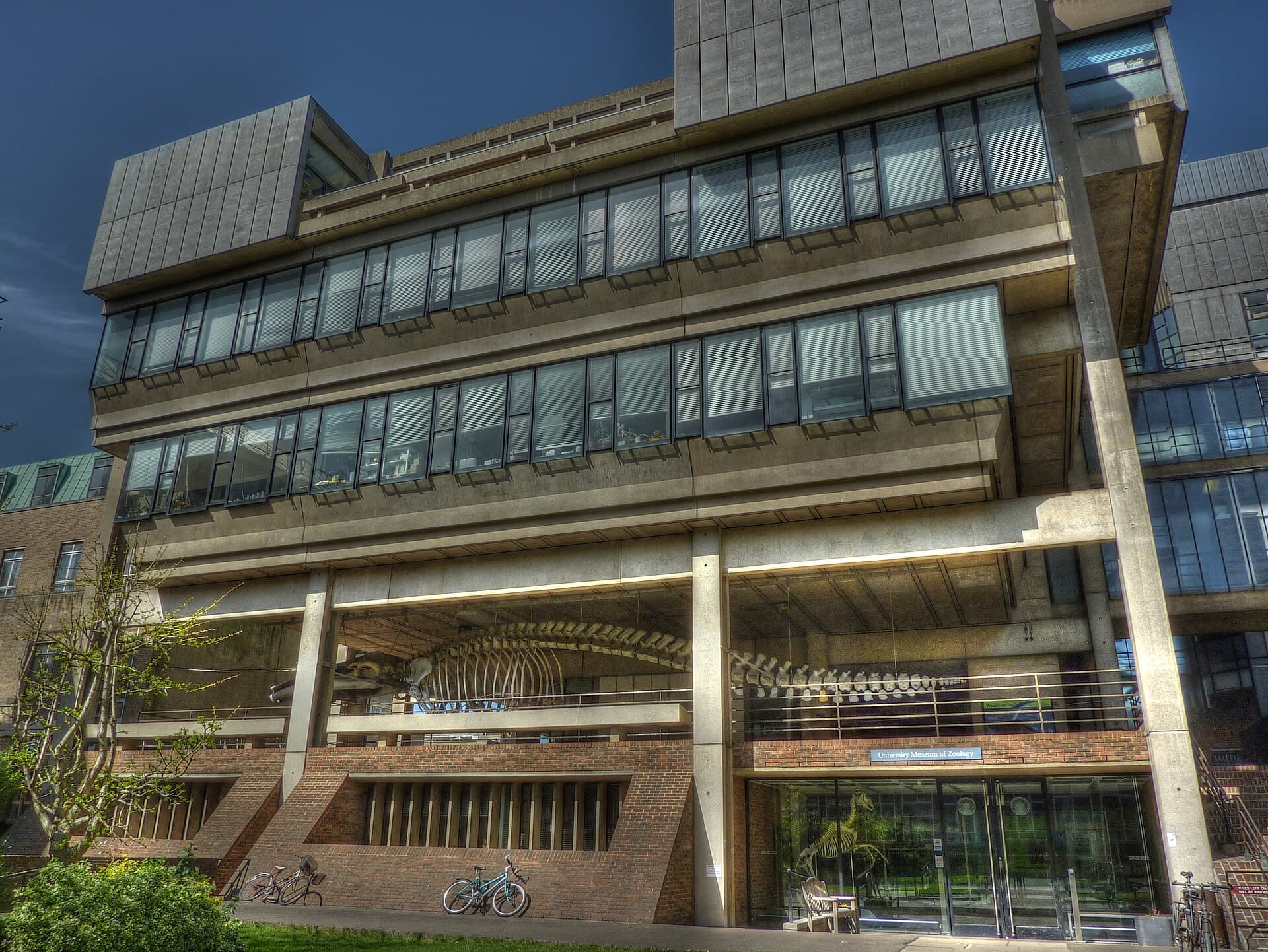 Museum of ZoologyA fin whale skeleton more than 21 metres long hangs over your head before you ha2 minutes walk4.8
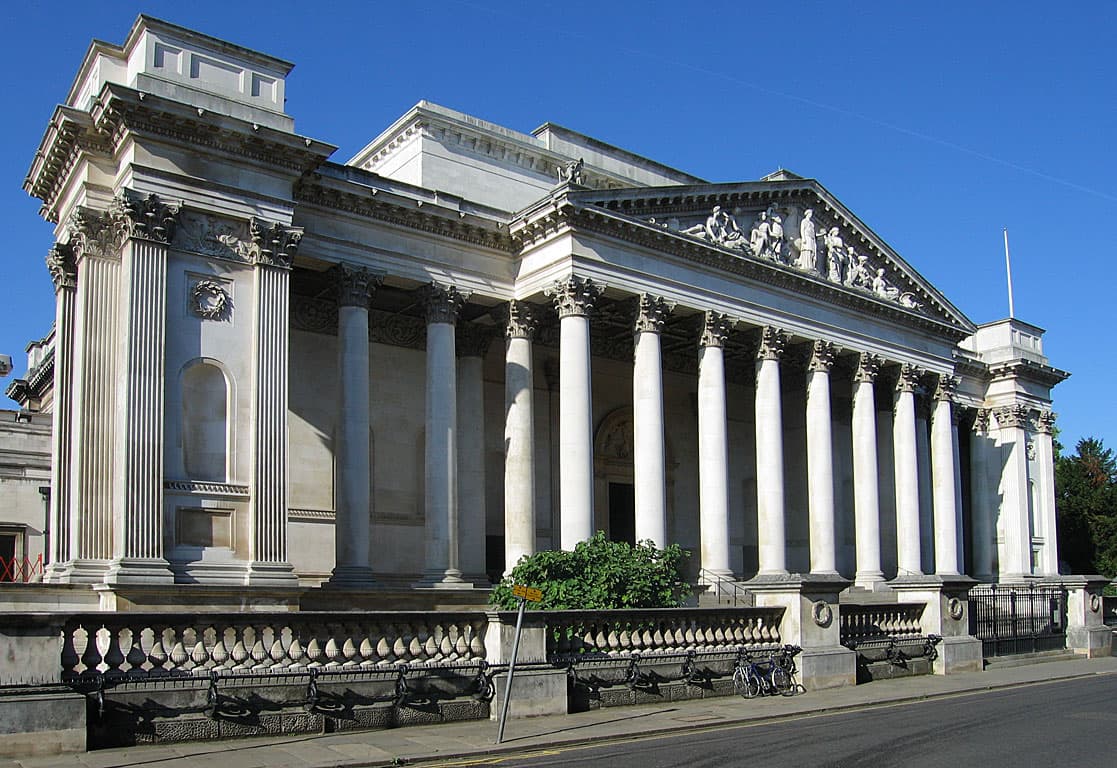 Fitzwilliam MuseumWalk in through the main door and you are under a gilded ceiling held up by marb4 minutes walk4.8
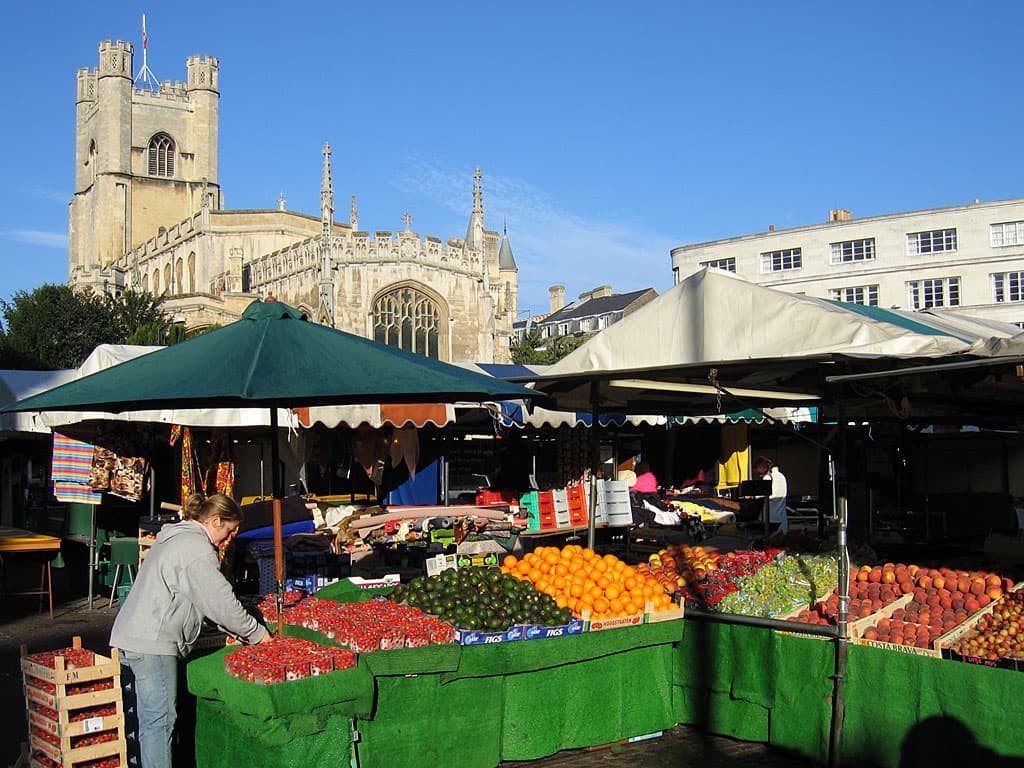 Cambridge Market SquarePeople have been buying and selling on this patch of ground since Saxon times, c4 minutes walk4.4
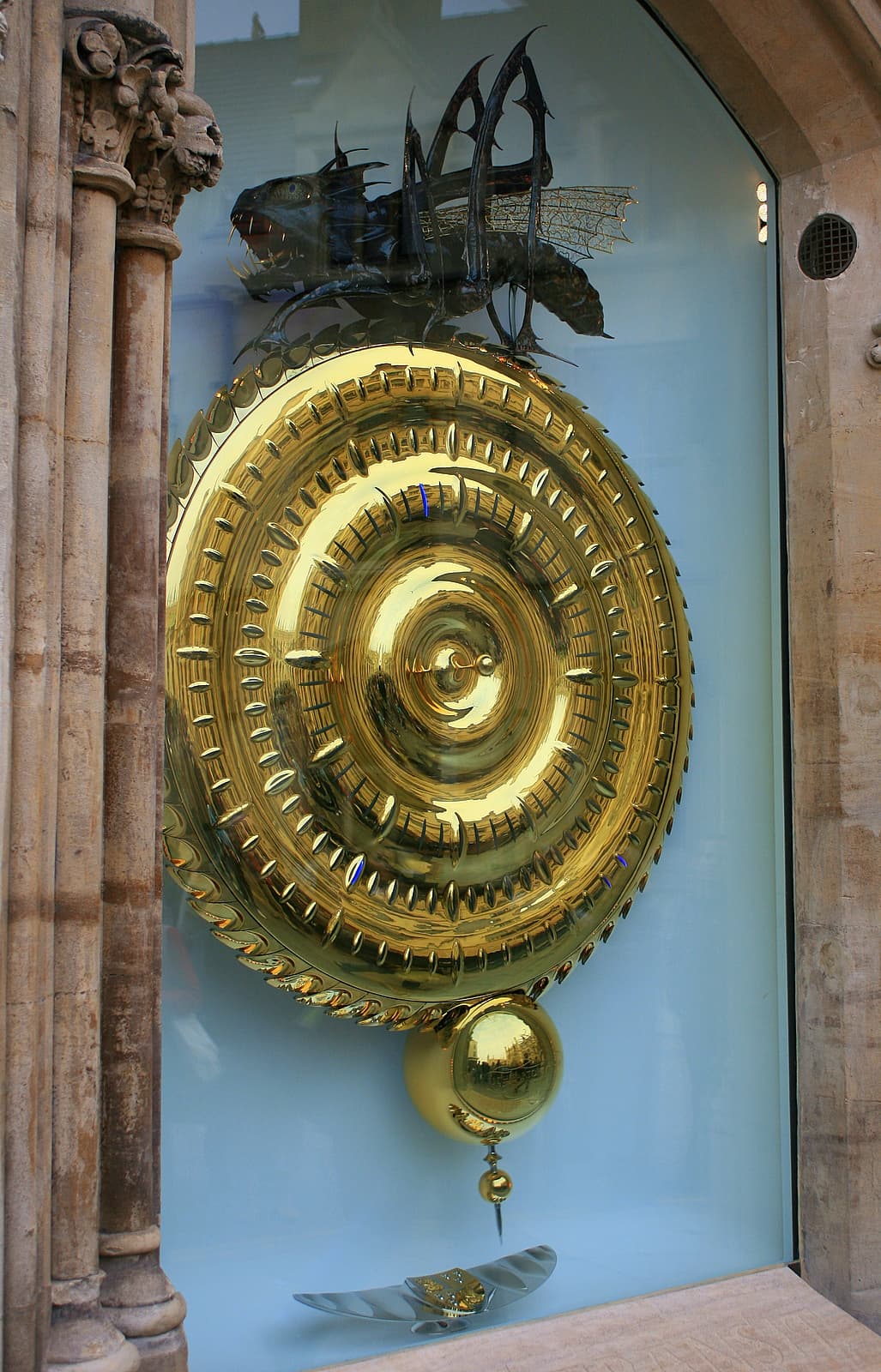 Corpus ClockA clock that cost a million pounds, has no hands, and is deliberately correct on4 minutes walk4.7
Both are free and a few steps apart, so do both in a couple of hours. Zoology is larger, more modern in its displays, pushchair-friendly at the entrance and has the only cafe on the site; the Sedgwick is smaller and older in style but the dinosaur at the door wins small children over instantly. If time is short or you have a pushchair, start with Zoology.
No, it is closed every Sunday year-round, as well as Good Friday and over Christmas. If Sunday is your only day in Cambridge, head to the Fitzwilliam Museum, which opens on Sunday afternoons, and save the Sedgwick for a weekday or a Saturday before four.